



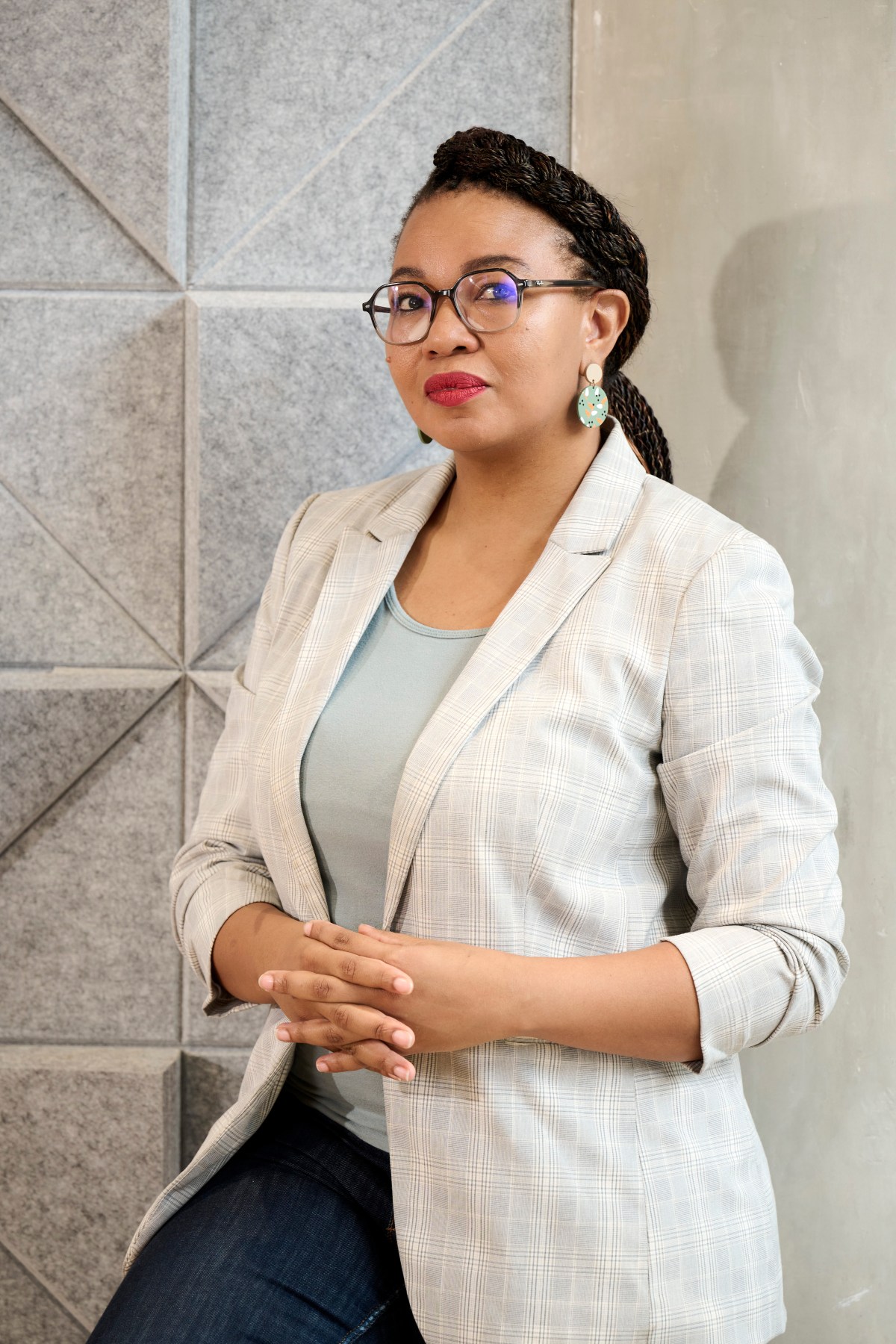
In recent years, the focus on employee experience in the workplace has surged. By 2022, recognition of its significance peaked. In 2023, leading companies are transforming the role of experience into real action – and creating workspaces that employees enjoy says Tango Matoti, Head of Workplace Strategy and Design at Tétris Design and Build South Africa. “How businesses arrange and organise themselves for people is also a question of how they become more resilient, more innovative – and build an agile future.” Backed by research from JLL in its Worker Preference Barometer June 2022 and Future of Work Survey, Tétris shares six key workplace trends making an impact in the Western Cape.
1. Hospitality enters the workplace
Workplace experience has become the ultimate competitive edge for engaging people and attracting talent especially as offices compete with the comforts of home. Matoti says it’s not just the design of the space itself, but comfort and alternate work spaces that are changing to make the commute worthwhile. “It’s no use demanding people return to the office only to work in isolation pods. Companies need a much stronger social strategy that draws people to a work environment that’s not only functional, but enjoyable and fulfilling. This can be done by incorporating hospitality elements, like a barista at reception, entertainment spaces and libraries, as well as amenities like gyms and parenting rooms to help develop a culture of engagement and innovation.”
“For Cape Town-based law firm Norton Rose Fulbright, we built a striking bar and entertainment area to create an elegant, comfortable environment that fosters connections by combining soft couches, occasional chairs, rugs and artwork for an inviting lounge-like area. According to JLL’s global research, 43% of organisations will accelerate in health and wellbeing amenities and 35% plan to invest more in spaces to recharge, like outdoor spaces and roof gardens.”
2. Flex and familiar furniture
As flexible working takes hold, office furniture follows suit as 73% of organisations plan to open and collaborate all office spaces, with no dedicated desk spaces.
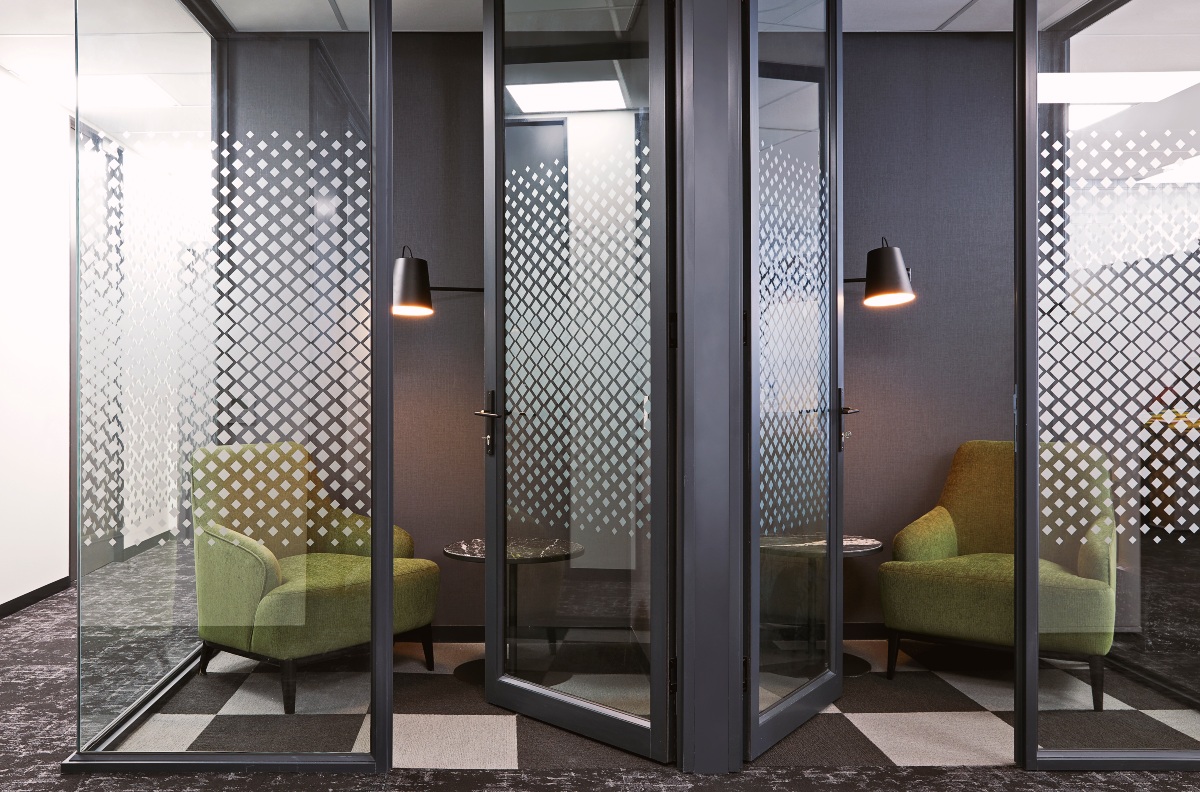
Rising workplace flexibility is spurring the move to modular furniture that adapts to group sizes. Movable dividers like shelves and acoustic curtains craft versatile zones for collaboration or relaxation. Sound-insulating features, from furniture pods to ceiling treatments, address noise in hybrid workspaces. “As employees blend home and office life, expect flexible office interiors that support employees the choice to work where they feel most effective. Recognising the pivotal role that a dynamic work and break environment plays in employee performance, a leading Business Process Outsourcing office in Sandton joined forces with Tetris to incorporate engaging break spaces and multifunctional furniture to enrich their professional setting,” Matoti notes.
3. Designing for locale
Workplace design now extends beyond just the office. Most businesses recognise employee desires for offices to positively influence society, leading to designs deeply connected to their locale. “This is particularly true for Cape Town and the Western Cape, which now attracts prominent design ambassadors from key design countries around the world as an example of how holistic design considers accessibility, cost, functionality and authenticity,” says Matoti.
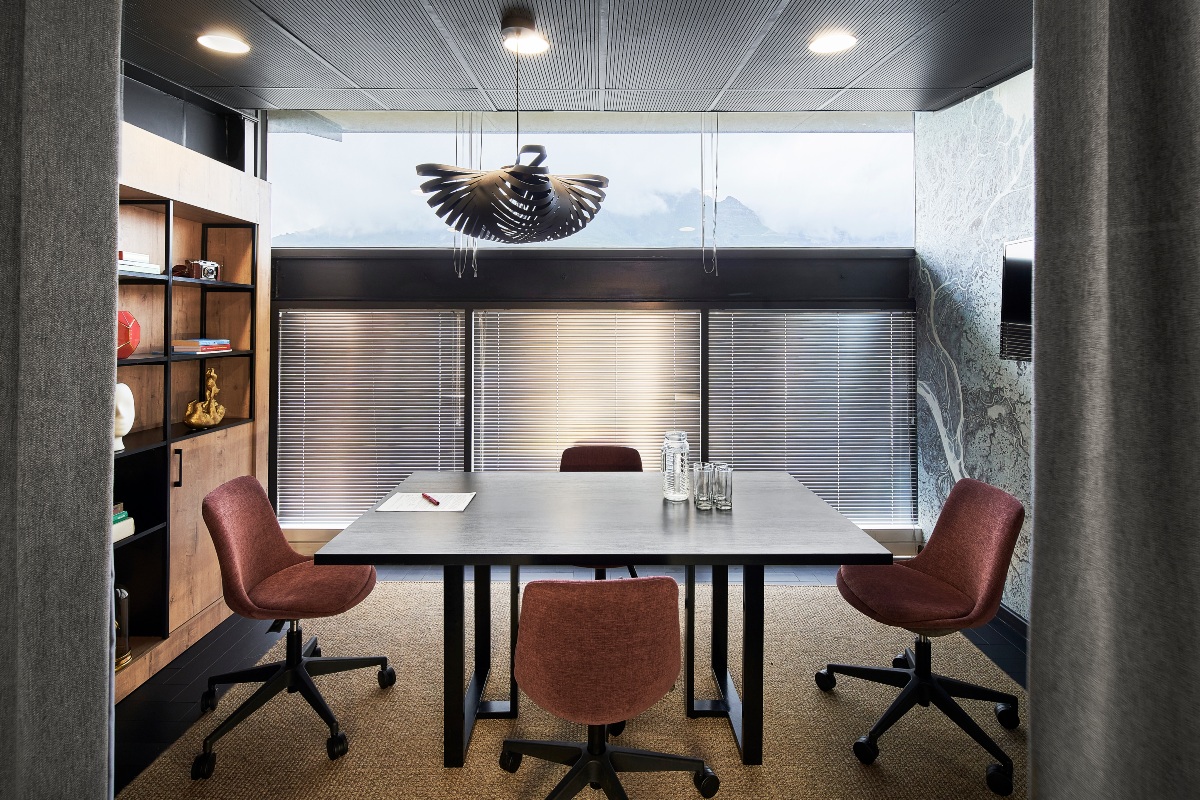
Incorporating local art, cultural nuances, and materials becomes the bedrock of distinct environments. “Favouring local producers not only supports communities but also resonates with employee values. In celebration and tribute to Ecolab Loster Ink’s chosen office location, with its expansive city views, detailed shop-fitted shelving provides a homely context that mirrors an eclectic and vibrant neighbourhood. The Tétris design team also sourced accessories from local second-hand stores while textured wallpaper in the office reflects the harbour and Table Mountain.”
Office location choices now focus on accessibility, amenities, and employee wellbeing. “Emphasising greenery, safety, and community, workplaces that echo their local essence foster a sense of belonging, boosting productivity and engagement,” she adds.
4. Sustainability
Matoti says there’s a growing mindfulness of sustainability, not designing spaces for single use and utilising the circular economy, which includes repurposing buildings, furniture, and materials. “We’re seeing companies become more willing to be inventive, and this approach is certainly evident in the Western Cape where the province continues to respond well to water scarcity and broader electricity constraints.”
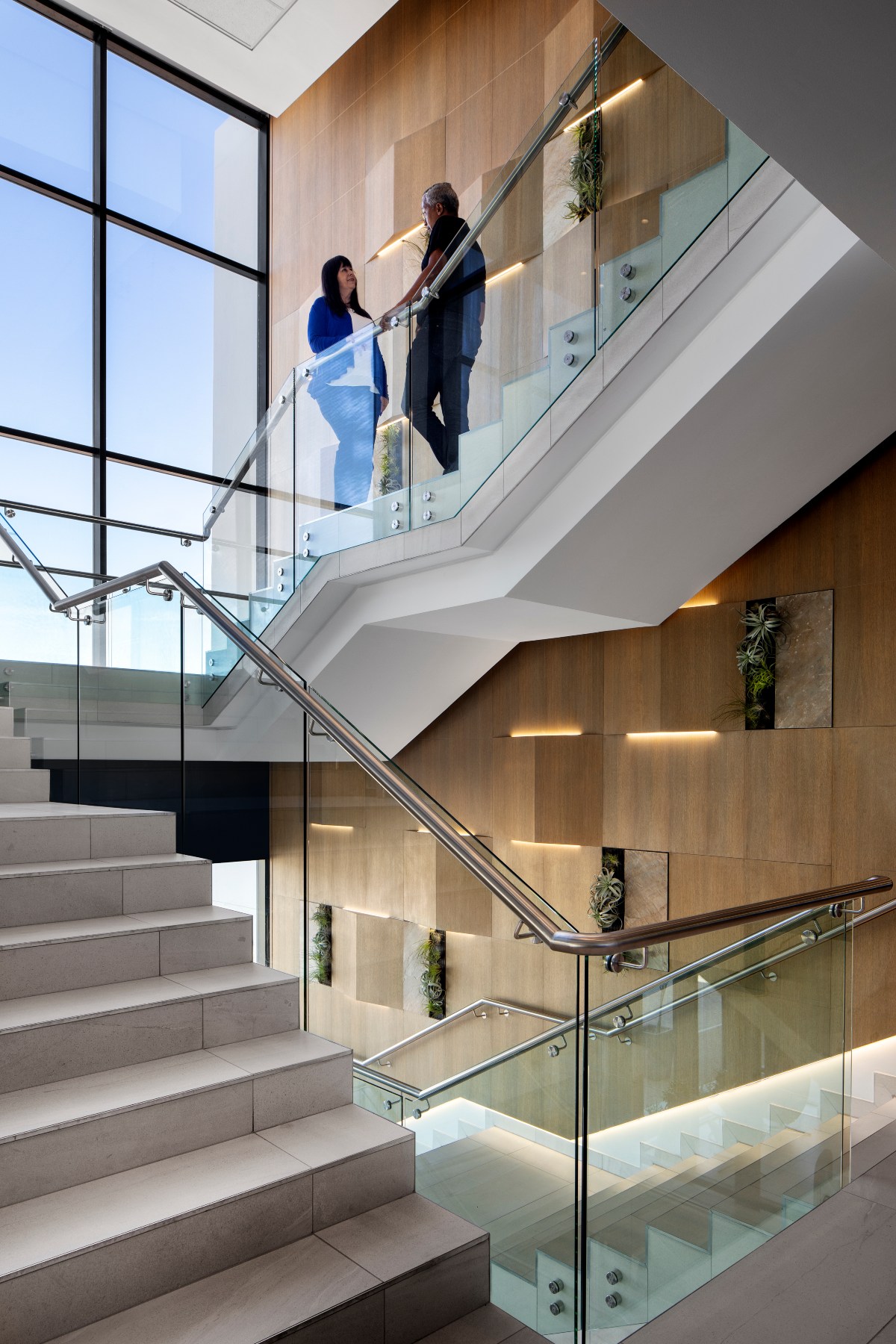
“For the manufacturing, R&D laboratories and offices for Roche in the Western Cape, a central staircase overlooking the central staff area and outside deck carefully considers sustainable materials in tandem with the environment and unique business requirements. In addition, plants, natural light, height-adjustable desks, and ergonomic chairs fill the open plan desking around the edge of each floor. At the same time, meeting rooms are positioned in the centre of the space as considered design decisions that answer sustainability goals and employee wellbeing,” she explains.
5. Smart design
JLL’s research found that 43% of businesses plan to accelerate investment in leveraging data and analytics for real-time decision-making. Matoti expects the rising use of data analytics and technologies for tracking social interactions to provide deeper insights into workplace performance and behaviour. “As data becomes embedded in daily workplace operations, real-time insights will inform decision-making, from HR policies and employee engagement to office design and organisational structure. Workplace apps will be integral for employees and managers to interact with the office and its data streams.”
She says intelligent design isn’t just about tech. “For a leading law firm in Cape Town, making decisions about integrating non-digital artefacts, like its law library, are crucial components of creating experiences of company culture that can’t be replicated online. These artefacts aren’t mere remnants of the past; they serve as vital cultural touchpoints and often deserve a designated place in the modern office landscape.”
6. Audio-visual and Artificial Intelligence
55% of organisations plan to have immersive technologies and virtual reality by 2025. With video conferencing vital for hybrid workplaces, new tech enhances sound and visual quality for more engaging meetings. “Flexible workspaces for increased collaboration and teamwork were a necessity for Roche in the Western Cape. It was important that the workspace communicated the Roche culture while allowing people to feel a sense of community. This was achieved by combining digital boardroom technology and smart booking systems with Google Jam boards and other elements to enhance meetings and fuel creativity and productivity,” says Matoti.
In the future, Matoti says innovative tools will improve collaboration beyond formal settings. “AI video tools are likely to enable hybrid meetings in open or social spaces and allow remote employees the chance to participate in pre- and post-meeting interactions, which are often more valuable than the meeting itself. By bridging the gap between in-office and remote team members, such advancements foster a unified culture in hybrid settings.”
