



In 2019, Kenya’s Ministry of Energy launched its Gender Policy. This was a key milestone in a long collaborative journey of gender mainstreaming, accompanied by ENERGIA International, Practical Action, and partners, which extends back to the mid-2000s. We have outlined the journey which offers valuable lessons to other countries interested in learning about the ‘how’ of gender mainstreaming.
In 2006 – supported by the European Union – ENERGIA International, Practical Action, the East African Energy Technology Development Network, and the University of Nairobi collaborated with the Kenyan Ministry of Energy to conduct a gender audit of Kenya’s energy policies and programs with recommendations.
The gender audit aimed to: identify gender gaps and formulate strategies to address these gaps in national energy-related policies; and make energy and gender issues visible to a wide audience through networking and advocacy, and influence energy policies and programs.
A key finding was that the current energy policy was likely to increase energy poverty amongst women if it continued to strictly adhere to least-cost criteria and ignore sociocultural dynamics
Despite the continued commitment of the Ministry of Energy staff, recommendations were not immediately adopted. However, the experience catalyzed a nascent coalition of Kenyan Civil Society Organisations (CSO) and international NGOs. Around the same time, the then UN Secretary-General, Ban Ki-Moon, convened international actors under the ‘Sustainable Energy for All’ (SEforAll) initiative, which was launched in 2011.
Kenya was one of the first signatories in 2012. Utilizing an evidence base developed by Practical Action, including the annual ‘Poor People’s Energy Outlook’ (PPEO) publication, civil society contributed to the SEforAll agenda to ensure that gender was mainstreamed. Collaboration between the Ministry of Energy and civil society also revitalized interest in the findings of the gender audit conducted back in 2006.
With renewed interest in gender and energy, the Ministry of Energy staff, who had co-led the original gender audit, quickly took up the reins, supporting the preparation of Kenya’s SEforAll Action Agenda and Investment Prospectus (2015) and ensuring the consideration of gender throughout. They worked closely with the SEforAll technical team (composed of CSOs and businesses) which convened stakeholders and used validation workshops to review and improve text. CSOs in Kenya disseminated the final action agenda via media and sensitized civil society, industry, and government in other counties on the nexus between gender, energy, and development. In 2016, the Kenyan government was invited to present at the SEforAll Africa conference on mainstreaming gender. In the same year, the government also appointed a Gender Focal Point at the Ministry of Energy who injected new dynamism into the process.
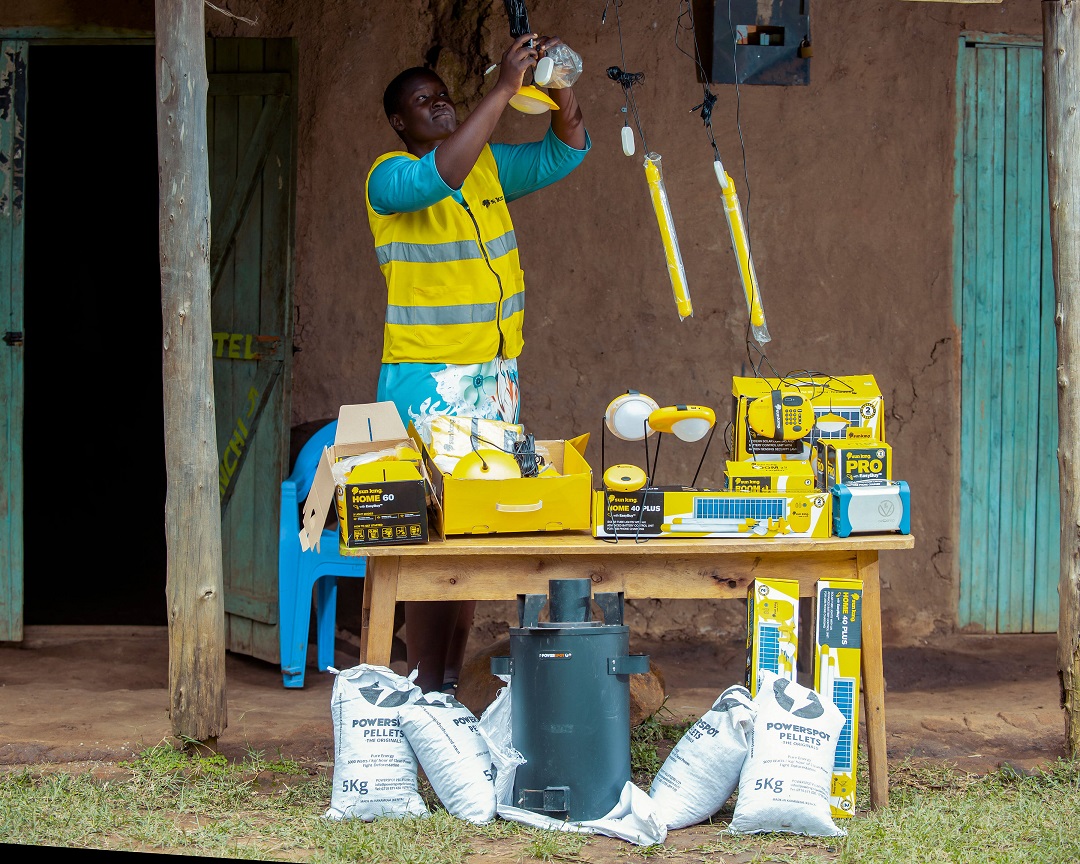
Over this period, ENERGIA, Practical Action, and partners implemented programs across Kenya and other countries that developed and promoted decentralized sustainable energy solutions. Gender was mainstreamed throughout: programs included a strong focus on clean cooking solutions, economic empowerment of women energy entrepreneurs, and support for local micro-, small-, and medium-sized energy businesses. Practical Action also participated in consortiums with the Kenyan Ministry of Energy, often with a specific focus on gender and inclusion. Through this work, Practical Action was able to build the evidence base and sensitize key decision-makers on what gender mainstreaming in energy looks like in practice and how it supports and consolidates gains under other development priorities, such as health, education, employment, and economic development.
In November 2019, the Kenyan Ministry of Energy published its Gender Policy. In the preface, the Principal Secretary explained that the policy is: “…intended to strengthen institutional capacities for gender mainstreaming as a basis for gender-sensitive project formulation, implementation, and impact evaluation of all energy projects in Kenya”.
The contribution of civil society is acknowledged, the policy provides an overview of relevant legislation and existing policies, describes gender challenges in energy, offers a situational analysis of progress toward gender equality in the energy sector, identifies gaps in existing programs, and provides a monitoring framework.
In 2021, the Ministry of Energy was awarded the First Lady’s Trailblazer Award in recognition of its role as a pioneer of gender mainstreaming in government. The publication of the Gender Policy was a significant milestone, but alone it is just a document. Civil society, the private sector, and the government are collaborating to support its implementation. In 2021, an Energy Sector Gender Committee was formed with representatives from semi-autonomous government agencies (SAGAs) in energy, civil society, and Kenya’s Council of Governors. The committee is mandated to oversee and steer policy implementation via a set of thematic working groups. Practical Action and its partners have provided support to the committee, and to date, seven SAGAs are at different stages of revising existing policies to align with the national Gender Policy and develop accompanying action plans. ENERGIA International, Practical Action, and partners have also invited and supported women energy entrepreneurs to policy forums to explain their work and priorities.
To view the gender policy and find out more about the recommendations suggested, please click here. To find out more about Practical Action’s work, please click here
By Practical Action.
