


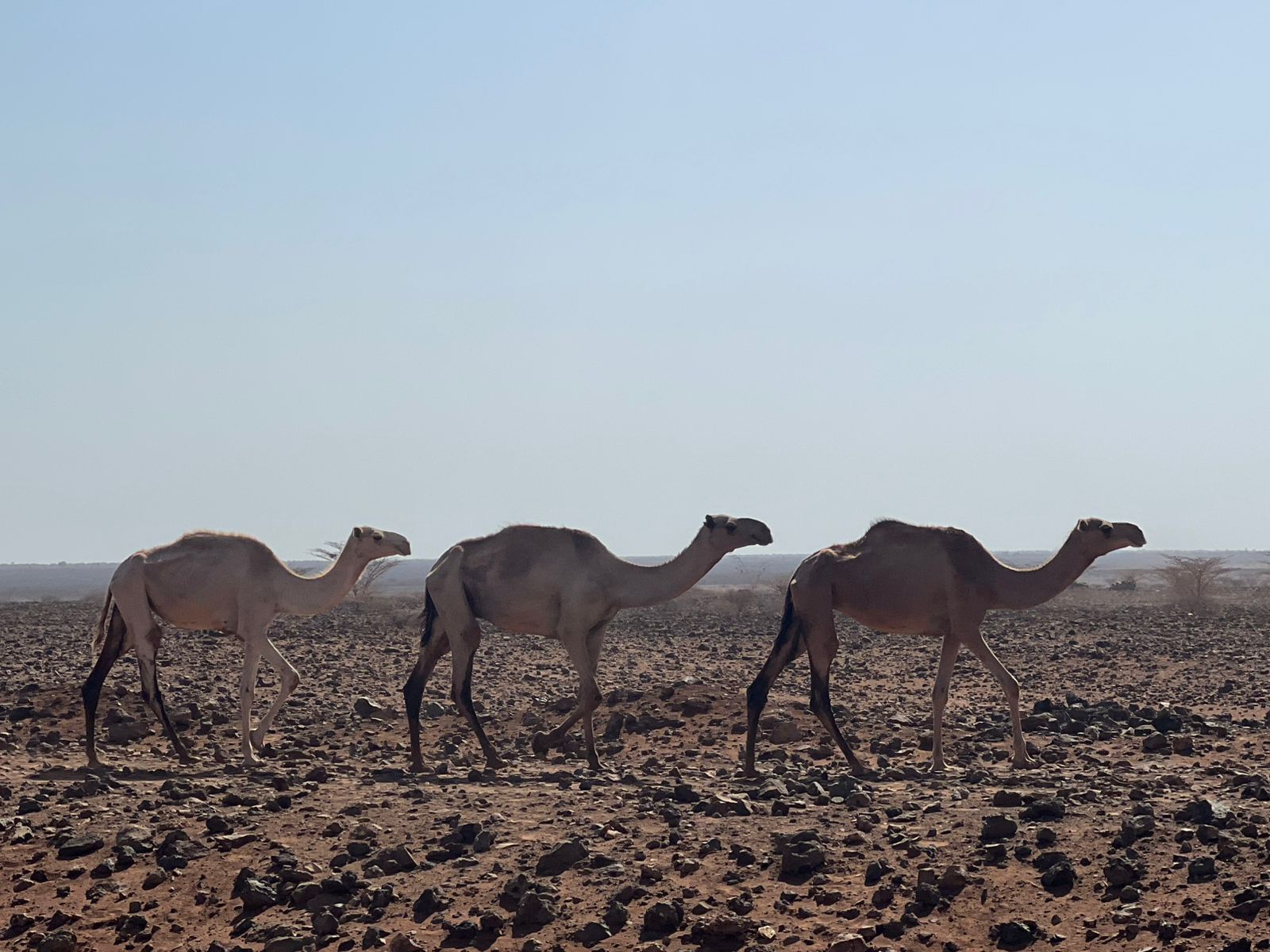
Three camels walk through the desert. (Image: Supplied)
Read 3 minutes
The African Union estimates that 485 million people on the continent are directly affected by land degradation. Furthermore, droughts account for over 44 percent of all global drought-related disasters.
In regions like the Sahel and the Horn of Africa, drought cycles are wilting crops, wiping out agricultural yields and reducing livestock populations.
“Drought is pertinent to the whole continent,” explains Dr. Tahira Shariff Mohamed from the International Livestock Research Institute (ILRI) and The Jameel Observatory for Food Security Early Action. “But in particular, the drylands are the most affected areas because ecologically these drylands areas we see minimal rain compared to highland areas and because of this dryland, the ecology makes the rain bearable so you find that you receive ample rain and then it is reduced to very minimal rain so this variable rainfall pattern makes it prone to drought condition.”
Contributing factors
Dr. Mohamed says while climate change remains the primary driver for droughts, a critical gap remains in disaster preparedness.
“The number one factor is the climatic condition which I had mentioned earlier because of vulnerability in rainfall patterns. The main issue here is, other than the climatic condition, what makes the condition difficult is because of proper planning,” she explains.
Despite having “very robust early warning systems that ensures that we know whether the rain will come in the next three months or not,” she notes that the real challenge lies in inadequate planning and resource allocation.
“If we don’t plan in advance in terms of how we can respond when there is a drought and we don’t have the resources such as the money and people then you are going to fail.
Additional factors contributing to the crisis include overgrazing and unsustainable farming practices, deforestation and loss of vegetation cover and poor water management and infrastructure.
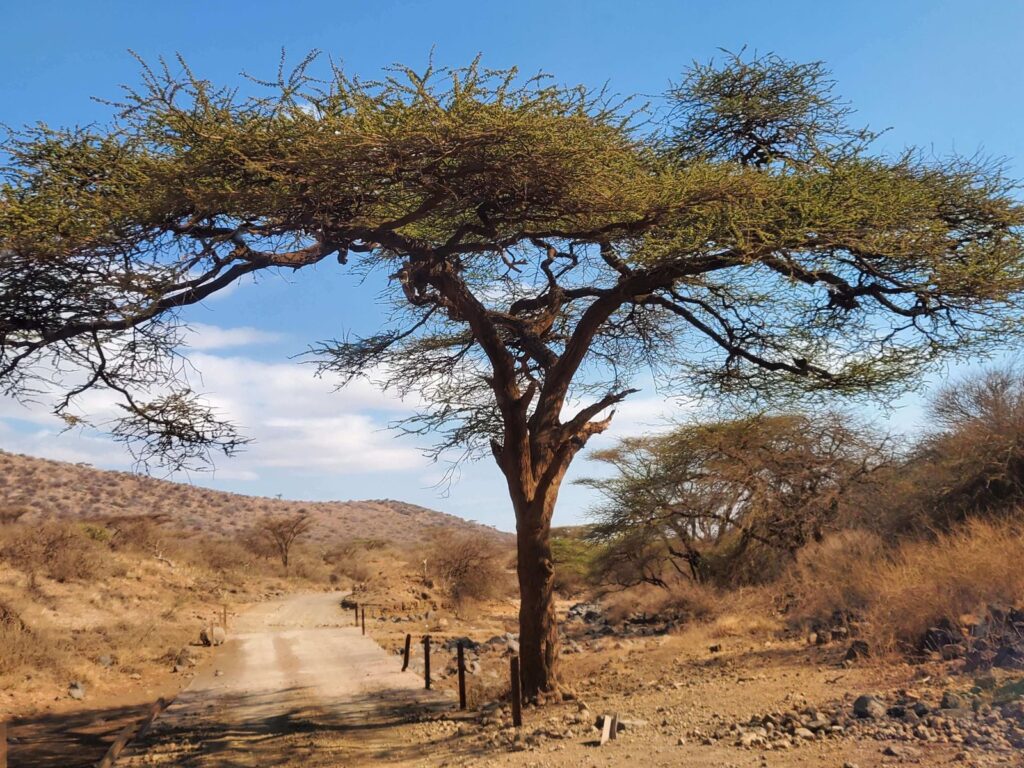
Drought Management: Hope on the horizon
Mohamed points to preparedness as the best solution for drought management through innovations such as the Anticipatory Early Action, which is a tool that is developed mainly by the humanitarian agencies in response to different crisis.
“This means that when we have reliable early warning information and we know it is going to affect certain populations in certain areas then we try to improve the water infrastructure so that animals will have access to water. We invest in feed so that animals will have enough fodder for the dry season and we also invest in health services so that the diseases that accompany drought is treated in advance.”
She also highlights the Index-Based Livestock Insurance, which her organization leads. “They assess the vegetation condition and if the vegetation is below a certain threshold, then they give a payout to the insurance beneficiaries,” she explains.
Amidst the scientific and structural advancements, there’s also a growing recognition of the invaluable role of traditional knowledge in drought resilience.
One powerful example of traditional drought-fighting knowledge is the use of zaï pits in Burkina Faso, also known as Chololo pits (Tanzania) or agun pits (Sudan). The farming technique involves farmers dig small holes where the seeds of crops are planted and then they are filled with organic matter like compost or manure.
When the rains arrive, these pits capture water and nutrients.
According to Greener.Land, an organization focused on spreading awareness about landscape degradation, zai pits can be beneficial for soil conditions and are a very successful method to allow for the growth of vegetation in dry areas.
“One thing I know for sure and even scientists who have worked in areas affected by drought know that traditional knowledge is a resource that people have relied on for centuries,” she said. “They know when a drought is coming, they know where to move their animals, how to move but many times this knowledge is seen as secondary knowledge and is not taken seriously.”
African governments and regional bodies have also joined the fight in efforts to tackle this crisis.
Initiatives such as the Great Green Wall and the African Forest Landscape Restoration Initiative (AFR100) are a collaboration between many African countries hoping to restore hectares of currently degraded land and create jobs on the continent.
Dr. Mohamed concludes by calling for a more collaborative approach to solve the crisis. “What we need is goodwill from the government, embedding the anticipatory action planning for drought management and also financing because if you don’t finance then the early warnings will not be useful.”
Post Views: 187
