


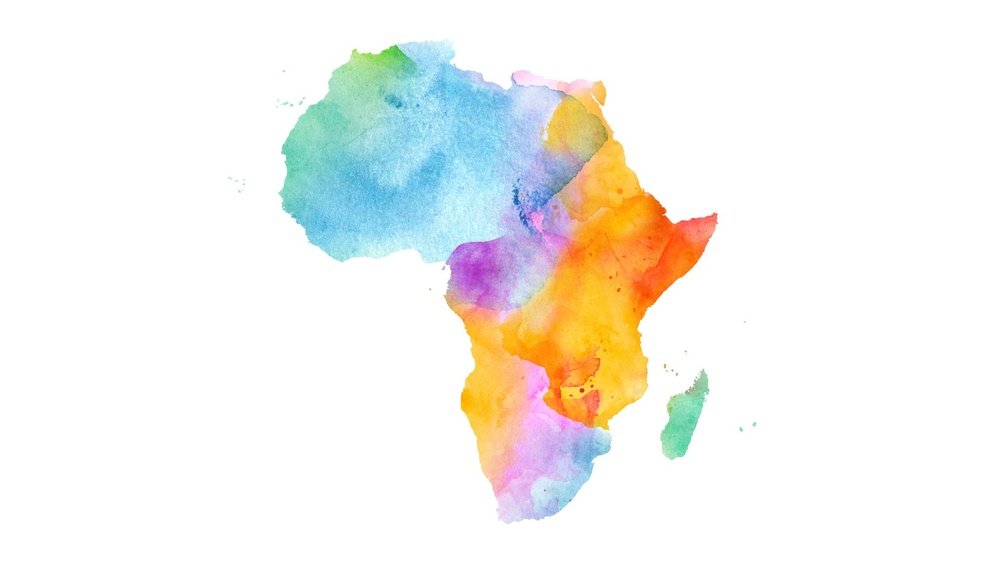
When you think of Africa, what comes to mind? Is it a single story filled with poverty, conflict, or wildlife safaris?
If so, you’re not alone—but that narrow view misses so much. Africa is a vast continent with over 50 countries, each with its own unique cultures, histories, and achievements. You might be surprised to learn how diverse, vibrant, and innovative Africa truly is.
Understanding Africa beyond stereotypes isn’t just eye-opening—it changes the way you see the world and connects you to stories that deserve to be heard. Keep reading, and you’ll discover a side of Africa that challenges everything you thought you knew.

Credit: www.youtube.com
Myths Vs Reality
Many people hold fixed ideas about Africa that do not match the truth. These myths shape how the world sees the continent and its people. Understanding the reality means breaking down these false beliefs. It reveals a vibrant, diverse place full of history, culture, and progress.
Exploring myths versus reality helps us see Africa in a new light. It challenges old stories and opens the door to real knowledge. This process starts by tracing where these stereotypes come from and how they spread.
Origins Of Common Stereotypes
Many stereotypes about Africa began long ago. Travelers, writers, and explorers told stories that were often incomplete or biased. These stories focused on poverty, war, or exotic images. They ignored the rich cultures and achievements across the continent.
These narrow views grew over time. They painted Africa as a single place rather than many nations with unique identities. The idea of Africa as a backward or primitive land stuck in many minds. This view misses the truth about Africa’s diversity and innovation.
Impact Of Colonial Narratives
Colonial powers shaped how Africa was seen worldwide. They controlled lands and people, justifying their rule with claims of superiority. Books, schools, and media spread ideas that Africans needed guidance from Europeans.
These colonial stories erased many African voices and histories. They made myths seem like facts. The impact of these narratives still affects how people think about Africa today. Understanding this helps us question and reject false ideas.
Geographic And Cultural Diversity
Africa is a continent of immense geographic and cultural variety. It hosts vast landscapes, from deserts to rainforests. Diverse climates shape the lives of its people. This diversity challenges common stereotypes that paint Africa with a single brush.
Understanding Africa means recognizing its many unique regions and cultures. Each area holds distinct traditions and ways of life. This rich variety makes Africa one of the most fascinating places on Earth.
Varied Landscapes And Climates
Africa’s landscapes range from the Sahara Desert, the largest hot desert, to the lush Congo rainforest. There are vast savannas, high mountains, and long coastlines. These diverse environments affect the plants, animals, and people living there.
Climates in Africa differ widely. Some areas are hot and dry, while others are wet and tropical. The climate impacts farming, housing, and daily activities. People adapt in many ways to their local weather and terrain.
Languages And Ethnic Groups
Africa is home to over 2,000 languages. These languages belong to many language families, including Niger-Congo, Afroasiatic, and Nilo-Saharan. This linguistic diversity reflects the continent’s deep cultural roots.
Ethnic groups in Africa number in the thousands. Each group has its own customs, dress, music, and stories. This cultural mosaic creates a vibrant social fabric. It also shows the complexity behind the idea of “African culture.”
Economic Growth And Innovation
Africa’s economic landscape is changing fast. Growth and innovation shape the future of many nations. This progress challenges old ideas and shows a new reality. Across the continent, businesses and technologies grow side by side. These changes create jobs and improve lives. Understanding this helps see Africa beyond simple stereotypes.
Emerging Industries
New industries rise across Africa’s diverse economies. Agriculture uses modern techniques to increase production. The energy sector expands with renewable sources like solar and wind. Manufacturing grows, making goods for local and global markets. Tourism attracts visitors with rich culture and nature. These industries create fresh opportunities and drive economic growth.
Technological Advances
Technology spreads quickly across Africa’s cities and towns. Mobile phones connect millions, improving communication and business. Fintech startups offer banking services to those without banks. E-commerce platforms help small businesses reach more customers. Health tech improves access to medical care in remote areas. Technology fuels innovation and changes daily life for many people.

Credit: fulcolibrary.bibliocommons.com
Rich Cultural Heritage
Africa holds one of the richest cultural heritages in the world. Its traditions, arts, and history run deep across the continent. This heritage shapes identities and connects generations. It challenges simple stereotypes by showing complexity and beauty.
Many cultures across Africa have unique stories told through music, art, and architecture. These elements reveal the creativity and wisdom of African peoples. Learning about them helps us see Africa beyond common myths.
Art And Music Traditions
Africa’s art is diverse, vibrant, and symbolic. It includes masks, sculptures, textiles, and beadwork. Each piece carries meaning, often linked to rituals and community life. Art is not just decoration; it reflects values and history.
Music plays a vital role in African societies. Drums, chants, and songs express emotions and tell stories. Music unites people during celebrations and important events. Traditional rhythms influence many global music styles today.
Ancient History And Architecture
Africa’s history dates back thousands of years. Ancient civilizations like Egypt, Carthage, and Great Zimbabwe show advanced knowledge and skills. Their ruins and monuments stand as proof of rich past achievements.
Architectural wonders include pyramids, stone cities, and rock-hewn churches. These structures display ingenuity and cultural importance. They inspire pride and respect for African heritage worldwide.
Social Dynamics And Urban Life
Africa’s social dynamics and urban life showcase diversity and growth. Cities across the continent are hubs of culture, business, and innovation. Urban areas blend traditional values with modern lifestyles. Understanding these aspects helps break common stereotypes.
Modern Cities And Infrastructure
Africa hosts many rapidly growing cities. Nairobi, Lagos, and Cape Town are examples of vibrant urban centers. These cities have modern buildings, roads, and public transport systems. Technology parks and business districts attract startups and global companies. Infrastructure investments improve connectivity and living standards. Urban planning often balances growth with environmental concerns. Many cities have cultural landmarks and green spaces for residents. The energy and pace of city life reflect a dynamic continent.
Community And Family Structures
Community ties remain strong in African urban life. Extended families often live close or stay connected. Elders play a key role in guiding younger generations. Social events and festivals reinforce community bonds. Urban residents maintain traditions alongside modern habits. Neighbors support each other in daily challenges. Family remains a central unit for social and economic support. This blend of old and new shapes social dynamics in cities.
Challenges Beyond The Headlines
Challenges in Africa extend far beyond what media headlines show. People often see only poverty and conflict. This narrow view hides the true complexity of the continent. Understanding these challenges requires looking deeper into facts and realities. It also means recognizing the efforts made by Africans themselves to improve their communities.
Many stories focus on struggles but miss the progress and positive change happening daily. This section explores common misconceptions and highlights sustainable development work across Africa.
Misconceptions On Poverty And Conflict
Poverty and conflict are often linked with Africa in news stories. This creates a one-sided image that ignores diversity. Not all African countries face extreme poverty or war. Many have growing economies and stable governments. Poverty exists, but it is not the whole story. Conflict is real but not constant across the continent.
These views can make people forget about Africa’s strengths and opportunities. They also ignore the causes of poverty and conflict, such as historical events and global trade issues. Understanding these factors helps break down harmful stereotypes.
Efforts Toward Sustainable Development
Africa is home to many projects focused on long-term growth and sustainability. Communities work hard to improve education, health, and infrastructure. Renewable energy, clean water, and technology are changing lives. Governments and local groups create plans to protect the environment and support farmers.
These efforts aim to build stronger economies and better living conditions. They show Africa’s resilience and innovation. The continent is not just facing problems; it is also shaping solutions for its future.
Changing Global Perspectives
Global views of Africa are shifting rapidly. People worldwide start seeing Africa’s true diversity and strength. Old stereotypes fade as facts and stories emerge. This change helps build respect and deeper understanding.
More people learn about Africa’s cultures, innovations, and achievements. They realize the continent is not one story but many. This fresh perspective opens doors for honest conversations and partnerships.
Role Of Media And Education
Media plays a key part in shaping how Africa is seen. Balanced news and documentaries show real-life experiences. They highlight successes, challenges, and everyday life beyond clichés. Education also matters. Schools that teach accurate history and geography help students appreciate Africa’s complexity. This knowledge fights myths and creates informed opinions.
African Voices In Storytelling
African writers, filmmakers, and artists share their own stories. Their voices bring fresh views and rich details. Stories told by Africans capture the continent’s true spirit and diversity. This storytelling helps break old stereotypes and builds global empathy. It invites the world to listen and learn from Africa’s people directly.

Credit: global.georgetown.edu
Conclusion
Africa is a land of rich cultures and diverse stories. Stereotypes hide its true beauty and complexity. People must seek real knowledge and listen carefully. Every nation has unique traditions and histories worth exploring. Understanding Africa means seeing beyond old ideas and myths.
This opens doors to respect and new friendships. Let’s celebrate Africa’s strengths and learn from its past. Curiosity leads to a fuller, deeper view of this vibrant continent.
