



Training and education are fundamental components in the development of effective police forces, particularly in Africa, where diverse socio-political landscapes and unique challenges necessitate a well-prepared law enforcement body. The importance of training cannot be overstated; it equips officers with the necessary skills to perform their duties effectively, ensuring public safety and maintaining order. In many African nations, police officers are often the first point of contact for citizens seeking assistance, making their training crucial not only for law enforcement but also for fostering trust within communities.
A well-trained police force can significantly enhance the perception of safety and security among citizens, which is vital for the overall stability of a nation. Moreover, education plays a pivotal role in shaping the ethical framework and professional standards of police officers. In regions where corruption and misconduct have historically plagued law enforcement agencies, comprehensive training programs can instill a sense of accountability and integrity among officers.
This is particularly important in African countries where public trust in police institutions is often low due to past abuses of power. By investing in training and education, governments can cultivate a new generation of police officers who are not only skilled in law enforcement techniques but also committed to upholding human rights and serving their communities with respect and dignity.
The Role of Training in Improving Police Performance
Training serves as a cornerstone for enhancing police performance across various dimensions. It encompasses a wide range of skills, from basic law enforcement techniques to advanced investigative methods, crisis management, and community engagement strategies. For instance, in countries like Kenya and South Africa, specialized training programs have been implemented to address specific crime trends such as cybercrime and human trafficking.
These programs not only improve the technical capabilities of officers but also empower them to respond effectively to emerging threats that may not have been prevalent in the past. Furthermore, ongoing training is essential for adapting to the evolving nature of crime and societal expectations. As urbanization increases and populations grow, police forces must be equipped to handle complex issues such as gang violence, drug trafficking, and civil unrest.
Continuous professional development ensures that officers remain informed about the latest legal frameworks, technological advancements, and best practices in policing. For example, the introduction of community policing models in various African nations has necessitated training that emphasizes collaboration with local communities, fostering a proactive approach to crime prevention rather than merely reactive measures.
Challenges Faced by African Police Officers in Accessing Quality Education and Training
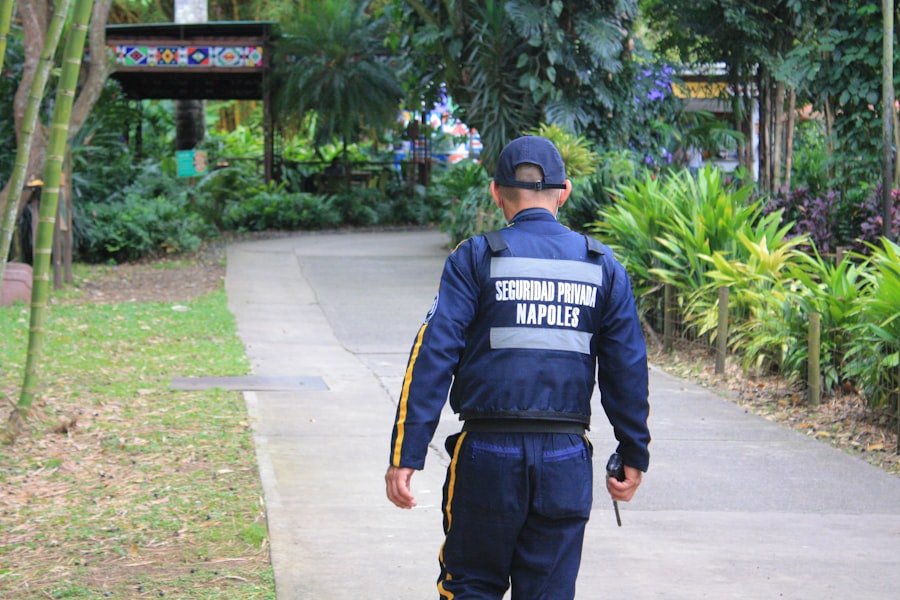
Despite the recognized importance of training and education, many African police officers face significant barriers in accessing quality programs. One major challenge is the lack of resources allocated to police training initiatives. In numerous countries, budget constraints limit the availability of training facilities, qualified instructors, and essential materials.
This often results in inadequate training that fails to meet the needs of officers or the communities they serve. For instance, in some rural areas, police officers may receive minimal training due to logistical challenges and insufficient funding, leading to disparities in policing standards across regions. Additionally, there is often a disconnect between the training provided and the actual needs of law enforcement agencies.
Many training programs are outdated or not tailored to address the specific challenges faced by police officers in their respective contexts. This misalignment can lead to frustration among officers who find themselves ill-prepared to tackle real-world issues. Furthermore, cultural factors may also play a role; in some instances, traditional views on policing may hinder the acceptance of modern training methodologies that emphasize community engagement and human rights.
The Impact of Education and Training on Community Policing
Education and training have a profound impact on the effectiveness of community policing initiatives. Community policing is predicated on building strong relationships between law enforcement agencies and the communities they serve. When police officers are well-trained in communication skills, conflict resolution, and cultural competency, they are better equipped to engage with citizens constructively.
For example, programs that focus on de-escalation techniques can significantly reduce tensions during confrontations, fostering a more positive interaction between officers and community members. Moreover, education plays a critical role in promoting an understanding of community dynamics among police officers. Training that emphasizes cultural sensitivity helps officers appreciate the diverse backgrounds of the populations they serve.
In countries like Nigeria, where ethnic diversity is pronounced, culturally informed policing can lead to more effective crime prevention strategies and enhance community trust. When citizens feel understood and respected by law enforcement, they are more likely to cooperate with police efforts, report crimes, and participate in community safety initiatives.
Strategies for Enhancing Training and Education Programs for African Police Officers
To enhance training and education programs for African police officers, several strategies can be implemented. First, establishing partnerships with academic institutions can provide access to research-based training methodologies that are both relevant and effective. Collaborations with universities can facilitate the development of curricula that incorporate contemporary policing theories and practices while also addressing local challenges.
For instance, joint programs between police academies and universities can create opportunities for knowledge exchange and innovation in training approaches. Another strategy involves leveraging technology to expand access to training resources. E-learning platforms can offer flexible learning opportunities for officers who may be unable to attend traditional training sessions due to geographical or financial constraints.
Online courses covering topics such as ethics in policing, mental health awareness, and community engagement can be particularly beneficial. Additionally, incorporating simulation-based training using virtual reality can provide immersive experiences that prepare officers for real-life scenarios without the risks associated with live exercises.
The Role of International Partnerships in Supporting Police Training and Education in Africa

International partnerships play a crucial role in bolstering police training and education across Africa. Various organizations, including the United Nations Office on Drugs and Crime (UNODC) and Interpol, have initiated programs aimed at enhancing law enforcement capabilities on the continent. These partnerships often provide technical assistance, funding, and expertise that local police forces may lack.
For example, collaborative efforts between African nations and international bodies have led to the establishment of regional training centers that focus on specialized areas such as counter-terrorism and organized crime. Moreover, international partnerships can facilitate knowledge sharing among police forces from different countries facing similar challenges. By participating in joint training exercises or workshops, officers can learn from each other’s experiences and best practices.
This exchange not only enhances individual skills but also fosters a sense of solidarity among law enforcement agencies across borders. Such collaboration is particularly important in addressing transnational crimes that require coordinated efforts among multiple jurisdictions.
The Need for Specialized Training in Dealing with Specific Challenges Faced by African Police Officers
The diverse challenges faced by African police officers necessitate specialized training tailored to address specific issues prevalent within their jurisdictions. For instance, many countries grapple with high rates of gender-based violence; therefore, training programs focused on handling such cases sensitively and effectively are essential. Officers trained in trauma-informed approaches can better support victims while ensuring that investigations are conducted thoroughly and respectfully.
Additionally, specialized training is crucial for addressing issues related to public protests and civil unrest. In many African nations, political demonstrations can escalate into violence if not managed appropriately. Training that emphasizes crowd control techniques, negotiation skills, and conflict resolution can empower officers to handle such situations without resorting to excessive force.
By equipping police forces with the tools needed to navigate these complex scenarios, communities can experience safer environments during times of social upheaval.
The Role of Technology in Enhancing Police Training and Education
Technology has revolutionized many aspects of policing, including training and education for officers across Africa. The integration of digital tools into training programs allows for more interactive learning experiences that can engage officers effectively. For example, mobile applications designed for law enforcement can provide access to real-time information on legal updates or best practices while on duty.
This immediacy enhances decision-making capabilities during critical incidents. Furthermore, technology facilitates data-driven approaches to policing through advanced analytics and intelligence-sharing platforms. Training programs that incorporate these technological advancements prepare officers to utilize data effectively in their operations.
For instance, predictive policing models can help identify crime hotspots based on historical data trends; thus, officers trained in data analysis can allocate resources more efficiently to prevent crime proactively.
The Importance of Cultural Sensitivity and Diversity Training for African Police Officers
Cultural sensitivity is paramount for police officers operating within diverse communities across Africa. Training programs that emphasize understanding cultural nuances enable officers to engage more effectively with citizens from various backgrounds. In nations where ethnic tensions may exist, culturally sensitive policing can mitigate conflicts by fostering mutual respect between law enforcement and community members.
Moreover, diversity training equips officers with the skills needed to recognize their biases and understand how these biases may affect their interactions with different groups. By promoting awareness around issues such as race relations or gender dynamics within communities, police forces can work towards building trust with marginalized populations who may otherwise feel alienated from law enforcement efforts.
The Role of Leadership Development in Police Training and Education
Leadership development is an essential aspect of police training that often goes overlooked but is critical for fostering a culture of accountability within law enforcement agencies. Effective leaders set the tone for their organizations; therefore, investing in leadership training ensures that those at the helm are equipped with the skills necessary to guide their teams effectively. Programs focusing on ethical leadership principles can help cultivate a sense of responsibility among senior officers while promoting transparency within their ranks.
Additionally, leadership development initiatives should emphasize mentorship opportunities where experienced officers can guide newer recruits through their careers. This approach not only enhances individual growth but also strengthens institutional knowledge within police forces over time. By nurturing future leaders who prioritize community engagement and ethical conduct, police agencies can create a more positive organizational culture that ultimately benefits society as a whole.
The Future of Police Training and Education in Africa
The future of police training and education in Africa holds significant promise as nations increasingly recognize the need for reform within their law enforcement agencies. As governments prioritize investments in human capital development for police forces, we may witness a shift towards more comprehensive training programs that address both technical skills and soft skills essential for effective policing. Moreover, as technology continues to evolve rapidly, future training initiatives will likely incorporate innovative tools such as artificial intelligence (AI) for predictive analytics or virtual reality simulations for immersive learning experiences.
These advancements will enable officers to adapt quickly to changing environments while enhancing their operational effectiveness. Ultimately, fostering a culture of continuous learning within police forces will be vital for addressing emerging challenges facing African societies today—whether it be combating organized crime or ensuring public safety during civil unrest—ensuring that law enforcement remains responsive to community needs while upholding democratic values.
Training and education for African police officers is crucial for enhancing law enforcement capabilities across the continent. A related article that discusses the importance of skill development in various fields can be found at this link, which highlights how creative education and training can empower individuals and communities. By investing in comprehensive training programs, police forces can improve their effectiveness and foster trust within the communities they serve.
