



Novermber 15, 2024– When we think about space exploration, we often picture major global powers with huge budgets and advanced technologies. But what if we told you that Africa is emerging as a serious contender in the space race?
The continent is not just sitting on the sidelines; it’s actively leading the charge, with nations using space technology to solve local challenges, boost economies, and prepare for the future.
In recent years, African nations have launched over 50 satellites, with countries like Egypt, Nigeria, and South Africa taking significant steps forward. By harnessing space technology, these nations are driving advancements in agriculture, telecommunications, and environmental monitoring, as well as improving disaster response and national security.
This growth is supported by collaborations with major space agencies and private sector investments, which have strengthened the continent’s capabilities and fostered local innovation.
As Africa continues to invest in satellite technology and ambitious space projects, it’s positioning itself as an influential player in the global space arena.
Let’s take a closer look at the top 10 African countries that are boldly stepping into the space race and why they’re winning using the data from SpaceHubs Africa
10. Ghana
Ghana’s journey into space technology began with the launch of its first and only satellite so far, GhanaSat-1, in 2017, and it has since made strides in building a robust space program. The country is focusing on developing satellites for agriculture, environmental monitoring, and education, helping it expand the role of space tech in social and economic development.
With Ghana’s national space program steadily gaining momentum, the government’s continued support promises to drive even more progress in the coming years.
9. Tunisia
Tunisia’s entry into the space tech race is marked by the 2021 launch of Challenge-1, a small satellite developed entirely within the country. With a focus on internet-of-things (IoT) connectivity, Tunisia has opened doors to tech innovation, particularly for remote monitoring across various sectors.
Tunisian engineers are actively working on new satellite projects, positioning Tunisia as an emerging tech hub in North Africa and inspiring similar initiatives across the region.
8. Angola
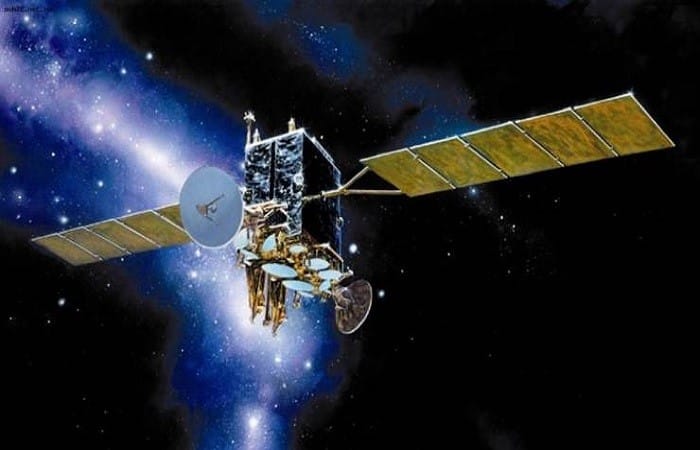
Angola launched its first satellite, AngoSat-1, in 2017, though technical issues led to its replacement by AngoSat-2, launched in 2022. This communications satellite is transforming Angola’s telecommunications sector, bringing internet access to remote areas and improving national infrastructure.
As Angola’s space program matures, it has set ambitious goals to further develop its space capabilities, with a focus on social development and economic inclusion.
7. Ethiopia
Ethiopia entered the space race with the launch of ETRSS-1, a climate-monitoring satellite, in 2019 and now with a total of two satellites. In 2024, Ethiopia’s space program expanded to support agriculture, water resources, and sustainable development projects through satellite-based data.
With ambitions to build more ground stations and enhance local satellite manufacturing, Ethiopia’s role in space tech is evolving, making it an influential player in Eastern Africa.
6. Kenya
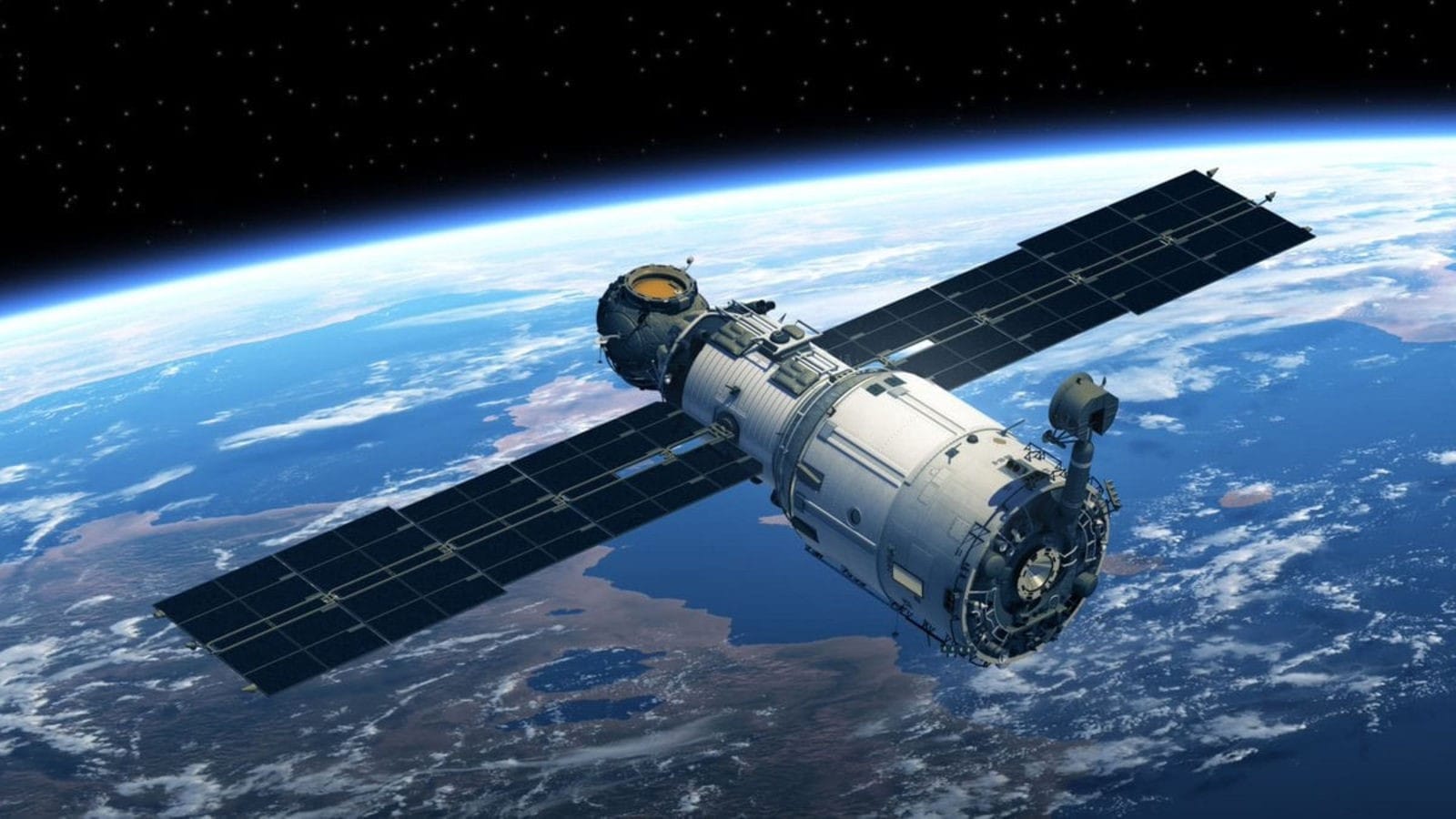
Kenya made its space debut with the launch of its first satellite, 1KUNS-PF, in 2018. By 2024, Kenya has made notable progress with 3 satellites, with ongoing satellite development focused on environmental monitoring and disaster response.
Kenya’s dedication to climate science and conservation aligns closely with its use of space tech, solidifying its position as a leader in East African space initiatives.
5. Morocco
Morocco has launched 3 satellites so far. Their space activity has centered around satellite technology, particularly with the launch of its Earth-observing satellites, Mohammed VI-A and Mohammed VI-B. These satellites have strengthened Morocco’s surveillance capabilities, particularly in agriculture, urban planning, and border security.
South Africa launched a new 24-hour, state-of-the-art regional Space Weather Centre in Hermanus, Western Cape on November 3, 2022.
The world-class space weather capability will benefit the whole of Africa.
The Government invested $4 million in the establishment of the facility. pic.twitter.com/XQqHZ5Wuy9
— Africa Facts Zone (@AfricaFactsZone) December 1, 2022
Morocco’s role in space technology also supports key strategic goals in North Africa, making it a leader in using space tech for national and regional security.
4. Algeria
Algeria has been a major player in Africa’s space technology landscape, having launched 6 satellites over the years, including the ALSAT series for Earth observation and environmental monitoring. In 2024, Algeria remains committed to leveraging space for agriculture, environmental protection, and scientific research.
Algeria’s space strategy demonstrates a long-term vision for tech-driven progress, solidifying its position as a regional leader in North Africa.
3. Nigeria
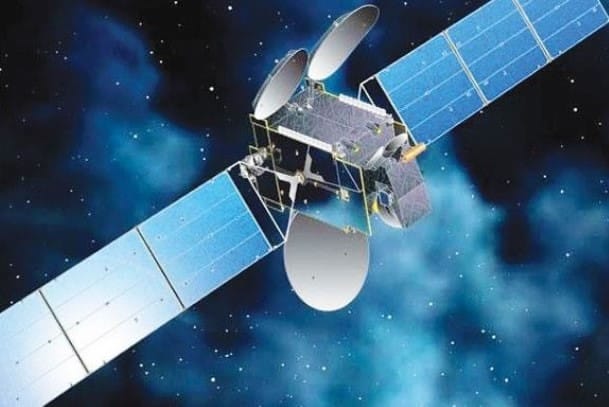
Nigeria’s space program, led by the National Space Research and Development Agency (NASRDA), has achieved significant milestones since its inception. With 7 satellites in orbit, including those for communications (NIGCOMSAT) and Earth observation (NigeriaSat series), Nigeria has established itself as a pioneer in West African space exploration.
Nigeria’s focus on national security, telemedicine, and environmental data collection through space technology highlights its commitment to building a sustainable future using advanced tech.
2. Egypt
Egypt stands as one of Africa’s most advanced nations in space technology. With its ambitious Egyptian Space Agency (ESA) and a track record of successful 13 satellite launches, including EgyptSat-2 for remote sensing, Egypt has built a solid foundation for satellite manufacturing and space exploration.
Egypt’s space strategy, supported by educational initiatives and international partnerships, is positioning it as a significant space power in the region, with a focus on climate, communications, and science.
1. South Africa
South Africa remains the leading force in African space technology, having launched 13 satellites with Africa’s first satellite, SUNSAT-1, in 1999. South Africa’s recent achievements include the development of cutting-edge satellites and a dedicated space agency that is paving the way for scientific and commercial applications of space tech.
South Africa’s focus on innovation, supported by its advanced research institutions, positions it as a global player in space science and technology, driving breakthroughs in fields like astronomy, climate science, and advanced manufacturing.
