

Close Menu
  • Home
  • Free Gifts
  • Self Help
  • Make Money
  • Video
  • Hot Deals
Facebook X (Twitter) Instagram
Thursday, September 10
Facebook X (Twitter) Instagram
Afro ICONAfro ICON
  • Politics
  • Economy
  • Entertainment
  • Technology
  • Sports
  • Society
    1. Art and Culture
    2. Education
    3. Family & Relationship
    4. View All

    Gathered by God to Worship: Why We Meet

    August 10, 2026

    Networks of Belonging: A Series of Artistic Exhibitions across East Africa

    August 9, 2026

    A Voice above the fray (Q&A)

    August 8, 2026

    Explaining the theory of political ‘Morari’ in Zimbabwe

    August 7, 2026

    ACC reiterates UCT Council’s call to reject acts of xenophobia and violence

    August 10, 2026

    Urban95 Academy expands to Africa in partnership with the African Centre for Cities

    August 7, 2026

    Olaudah Equiano: Lost grave of daughter of slave turned pioneer abolitionist found by A-level student

    November 10, 2025

    Tanzania: President Samia Hassan’s grip on power has been shaken by unprecedented protests

    November 7, 2025

    Vacancy: Project Coordinator (City Hall Fellowship)

    August 10, 2026

    Gender roles in African societies

    November 23, 2025

    Empowerment of women in Africa

    November 23, 2025

    Barriers to Women’s Leadership in Africa

    November 23, 2025

    7 Celebrity Transitional Fall Outfits to Recreate Now

    September 5, 2026

    Iyabo Ojo Goes From Cowboy Glam to Orange Mini Dress for Rakeem’s First Birthday

    September 1, 2026

    Progress Doesn’t Happen In Silos and Why the Law of Proximity Matters

    August 28, 2026

    Shocked Details Of How Gorgeous Zambian Model Lisa Mutambo Mysteriously Died Suddenly After Night Out

    August 24, 2026
  • Lifestyle
    1. Foods & Recipes
    2. Health & Wellness
    3. Travel & Tourism
    Featured
    Recent

    7 Celebrity Transitional Fall Outfits to Recreate Now

    September 5, 2026

    Why Nike Air Rift White Sneakers are a Must-Have for Your Wardrobe

    September 4, 2026

    Discover the Versatility of Nike Air Rift Buckle Strap: From Streetwear to Athleisure

    September 4, 2026
  • International
    • Asia
    • Europe
    • North America
    • Oceania
    • South America
Afro ICONAfro ICON
Home»Society & Style»Family & Relationship»Mutual Suspicion Grates U.S.-South Africa Relations
Family & Relationship

Mutual Suspicion Grates U.S.-South Africa Relations

King JajaBy King JajaMay 4, 2024No Comments0 Views
Facebook Twitter Pinterest LinkedIn WhatsApp Reddit Tumblr Email
Mutual Suspicion Grates U.S.-South Africa Relations
Share
Facebook Twitter LinkedIn Pinterest Email

In 1994, when South African President Nelson Mandela made his first state visit to the United States, President Bill Clinton underscored the enthusiasm and admiration so many Americans felt for South Africa’s liberation. “We have been especially drawn to the problems and the promise of South Africa,” Clinton said. “So we rejoice especially in what you have accomplished. And as we hold it out as an example to others, so we also hold it out as an example to ourselves.”  

That sense of deep respect, of kinship with a society that, like ours, was seeking to heal unfathomably deep wounds of racial injustice, animated American thinking about South Africa for decades. Successive administrations of both major political parties worked to deepen the bilateral relationship based on the idea that both countries were, as Nelson Mandela said in response to Clinton’s remarks, committed to “the pursuit of freedom, justice, and equality.” 

More on:

South Africa

Elections and Voting

U.S. Foreign Policy

Thirty years later, the U.S.-South Africa relationship is troubled by a sense of mutual disappointment and mistrust. American policymakers, so often fairly criticized for their selective approach to promoting human rights and democracy, feel the same frustration and disillusionment with their South African counterparts’ inconsistent sense of moral outrage.  South Africa’s insistence that it is “non-aligned” engenders more and more skepticism in light of the government’s enthusiasm to partner with Russia, China, and Iran in the name of creating a more “multipolar world,” as if these major powers were acting in pursuit of only global well-being and not self-interest. The deep antipathy some South African leaders feel for the United States has given many observers and decision-makers the sense that South Africa seeks to undermine the United States as an end in itself, equating a diminished U.S. position with a more just world. Indignant accusations of bullying when Americans express doubts about the degree to which our interests and values actually overlap only strengthen the concerns of those who believe the South Africans to be acting in bad faith.  

Africa in Transition

Michelle Gavin, Ebenezer Obadare, and other experts track political and security developments across sub-Saharan Africa. Most weekdays.

A summary of global news developments with CFR analysis delivered to your inbox each morning. Weekdays.

A weekly digest of the latest from CFR on the biggest foreign policy stories of the week, featuring briefs, opinions, and explainers. Every Friday.

A curation of original analyses, data visualizations, and commentaries, examining the debates and efforts to improve health worldwide. Weekly.

By entering your email and clicking subscribe, you’re agreeing to receive announcements from CFR about our products and services, as well as invitations to CFR events. You are also agreeing to our Privacy Policy and Terms of Use.

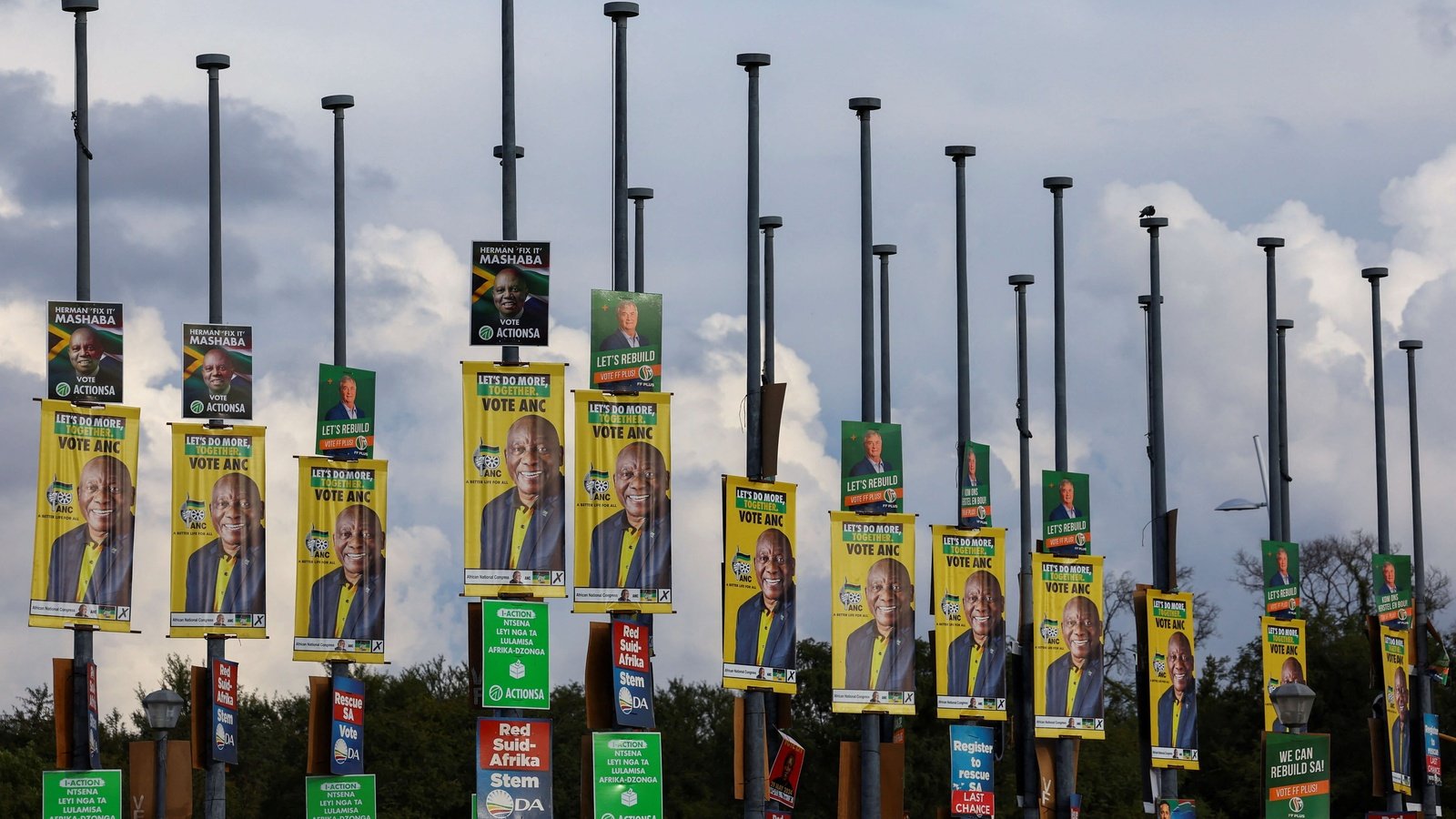
In both countries, polarizing domestic politics tend to make the situation worse. While U.S.-South Africa relations are not a hot topic in American politics, our own pathologies have a clear effect on the relationship. During the Trump administration, the President of the United States amplified incendiary and inaccurate accusations about attacks on white farmers in South Africa —a trope that appeared to spring from the global white supremacist ecosystem. Meanwhile some members of South Africa’s political elite, worried about declining popular support ahead of national elections, are often eager to scapegoat external powers like the U.S. in ways that manifest as sycophantic parroting of Vladimir Putin’s anti-NATO rhetoric.  

A review of U.S. policy toward South Africa clearly makes sense, even if some of the framing in the bill may be overheated (South Africa is hardly the only country appalled by the treatment of Palestinians and the civilian death toll in Gaza, and concerned about violations of international law). It’s time to rethink our starting assumptions and find more effective ways to focus on areas of genuine common interest while managing areas where those interests diverge. Certainly, the idea that elected lawmakers in the United States calling for a review of U.S. policy is somehow a threat to South African sovereignty, as Minister of International Cooperation Naledi Pandor has suggested, is absurd on its face. But while that work does not require legislation to begin now, implementing a less emotional, more effective approach to the bilateral relationship has a better chance of succeeding once the political temperature lowers in both countries.  

More on:

South Africa

Elections and Voting

U.S. Foreign Policy

Elections and Voting South Africa U.S. Foreign Policy
Share. Facebook Twitter Pinterest LinkedIn Tumblr Telegram Email
King Jaja
  • Website

Related Posts

Vacancy: Project Coordinator (City Hall Fellowship)

August 10, 2026

Johannesburg Street Food Businesses Gain Global Attention

August 8, 2026

Gender roles in African societies

November 23, 2025
Leave A Reply Cancel Reply

© 2026 Afro Icon. Powered by African People.
  • Home
  • Privacy
  • Disclaimer
  • Contact us
  • Terms of Use

Type above and press Enter to search. Press Esc to cancel.

Go to mobile version