


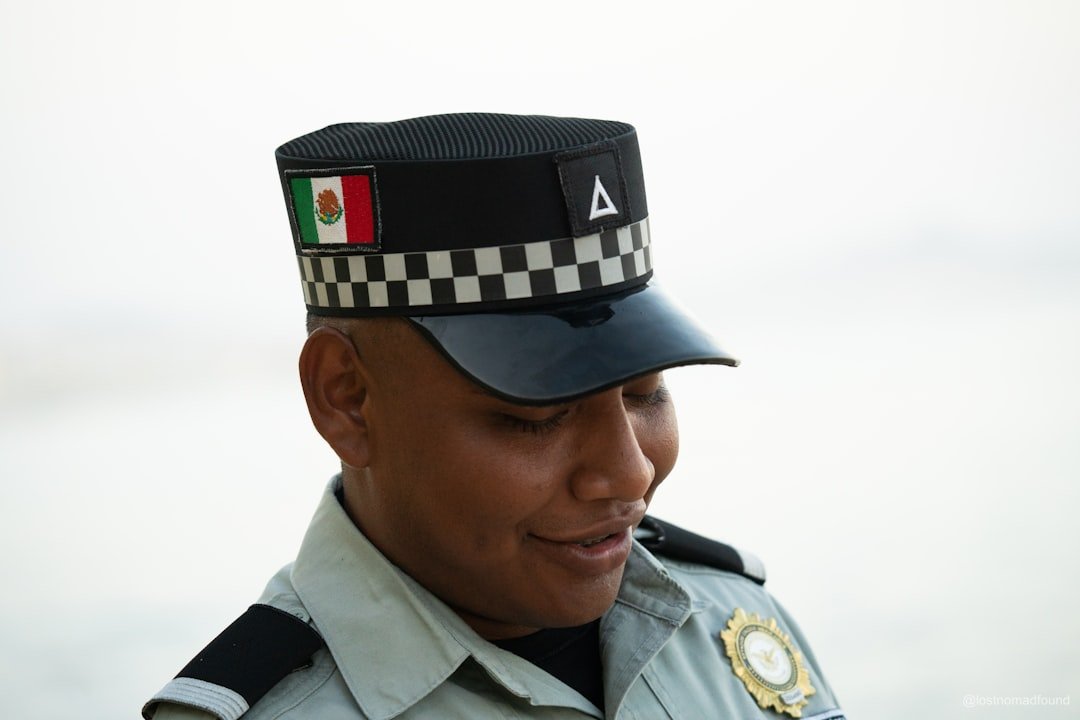
International cooperation in policing is crucial for addressing the multifaceted security challenges that Africa faces today. The continent is characterized by a diverse array of criminal activities, ranging from drug trafficking and human smuggling to cybercrime and terrorism. These issues often transcend national borders, making it imperative for African nations to collaborate with one another and with international law enforcement agencies.
The interconnectedness of crime means that a threat in one country can quickly spill over into neighboring states, necessitating a coordinated response. For instance, the rise of Boko Haram in Nigeria has had ripple effects across the Lake Chad Basin, affecting Chad, Niger, and Cameroon. This illustrates how localized threats can evolve into regional crises, underscoring the need for a unified approach to policing.
Moreover, international cooperation fosters the sharing of best practices and resources among countries with varying levels of law enforcement capabilities. Many African nations face significant challenges, including limited financial resources, inadequate training for police personnel, and outdated technology. By working together, countries can pool their resources and expertise to enhance their policing strategies.
Collaborative efforts can lead to the establishment of joint task forces, intelligence-sharing agreements, and cross-border operations that are essential for tackling organized crime effectively. The African Union (AU) and regional bodies like the Economic Community of West African States (ECOWAS) have recognized this need and are increasingly promoting frameworks for cooperation among member states.
The Role of Interpol in Policing Africa
Interpol plays a pivotal role in facilitating international police cooperation in Africa. As the world’s largest international police organization, Interpol provides a platform for member countries to collaborate on transnational crime issues. In Africa, Interpol’s initiatives focus on various areas, including drug trafficking, human trafficking, wildlife crime, and terrorism.
One of the key mechanisms through which Interpol operates is its secure global police communications system, known as I-24/7. This system allows law enforcement agencies across Africa to share real-time information about criminal activities and suspects, significantly enhancing their ability to respond to threats. Additionally, Interpol conducts training programs and capacity-building initiatives tailored to the specific needs of African countries.
These programs aim to strengthen local law enforcement capabilities by providing training in investigative techniques, forensic science, and cybercrime prevention. For example, Interpol’s Project Wisdom focuses on combating child exploitation and trafficking in Africa by equipping law enforcement officers with the necessary skills to identify and apprehend offenders. Through these efforts, Interpol not only enhances the operational effectiveness of African police forces but also fosters a culture of collaboration that is essential for addressing the continent’s complex security challenges.
Challenges in Policing Africa and the Need for International Collaboration
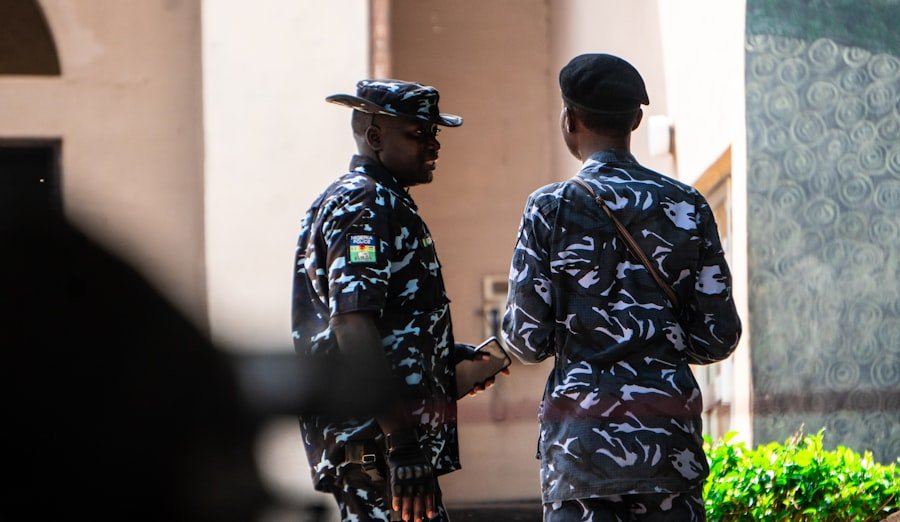
Policing in Africa is fraught with challenges that complicate efforts to maintain law and order. One significant issue is the lack of resources available to many police forces across the continent. Budget constraints often result in insufficient personnel, inadequate training, and outdated equipment.
For instance, in countries like Somalia and South Sudan, law enforcement agencies struggle to maintain basic operational capabilities due to ongoing conflicts and political instability. This lack of resources hampers their ability to combat crime effectively and undermines public trust in law enforcement. Another challenge is the prevalence of corruption within police forces, which can severely impede efforts to combat crime.
Corruption not only erodes public confidence but also creates an environment where criminal activities can flourish unchecked. In some cases, police officers may be complicit in criminal enterprises or may accept bribes to overlook illegal activities. This situation necessitates international collaboration to establish accountability mechanisms and promote ethical standards within law enforcement agencies.
By working together, countries can develop frameworks for monitoring police conduct and implementing anti-corruption measures that enhance the integrity of policing efforts.
The Impact of Transnational Crime on Africa and the Role of International Policing
Transnational crime poses a significant threat to Africa’s stability and development. Criminal networks operate across borders, exploiting weak governance structures and economic disparities between countries. Drug trafficking is one of the most pressing issues; Africa has become a key transit point for narcotics destined for Europe and other markets.
The illicit drug trade not only fuels violence and corruption but also has devastating social consequences, including addiction and health crises. International policing efforts are essential in disrupting these networks and dismantling their operations. Moreover, human trafficking remains a critical concern in Africa, with millions of individuals falling victim to exploitation each year.
Traffickers often operate across multiple countries, making it challenging for local law enforcement agencies to address the issue effectively. International policing initiatives play a vital role in combating human trafficking by facilitating cross-border investigations and victim support services. For example, Operation EUNAVFOR MED Sophia has been instrumental in addressing human smuggling across the Mediterranean Sea by enhancing cooperation between African nations and European law enforcement agencies.
Such collaborative efforts are crucial for protecting vulnerable populations and dismantling the criminal networks that prey on them.
Examples of Successful International Policing Efforts in Africa
Several successful international policing efforts in Africa highlight the effectiveness of collaboration in addressing transnational crime. One notable example is the West African Coast Initiative (WACI), which brings together several countries—namely Côte d’Ivoire, Guinea-Bissau, Liberia, Nigeria, and Sierra Leone—to combat drug trafficking and organized crime along the West African coast. WACI has facilitated joint operations that have led to significant drug seizures and arrests of key traffickers.
By fostering cooperation among law enforcement agencies in these countries, WACI has strengthened regional capacity to tackle drug-related issues. Another successful initiative is the African Union’s African Standby Force (ASF), which aims to enhance peacekeeping capabilities across the continent. While primarily focused on conflict resolution, the ASF also plays a role in addressing security threats posed by organized crime and terrorism.
For instance, during operations against Boko Haram in Nigeria and its neighboring countries, the ASF has facilitated intelligence sharing and coordinated military responses that have disrupted terrorist activities. These examples demonstrate how international policing efforts can yield tangible results when countries work together toward common goals.
The Role of Regional Organizations in Policing Africa
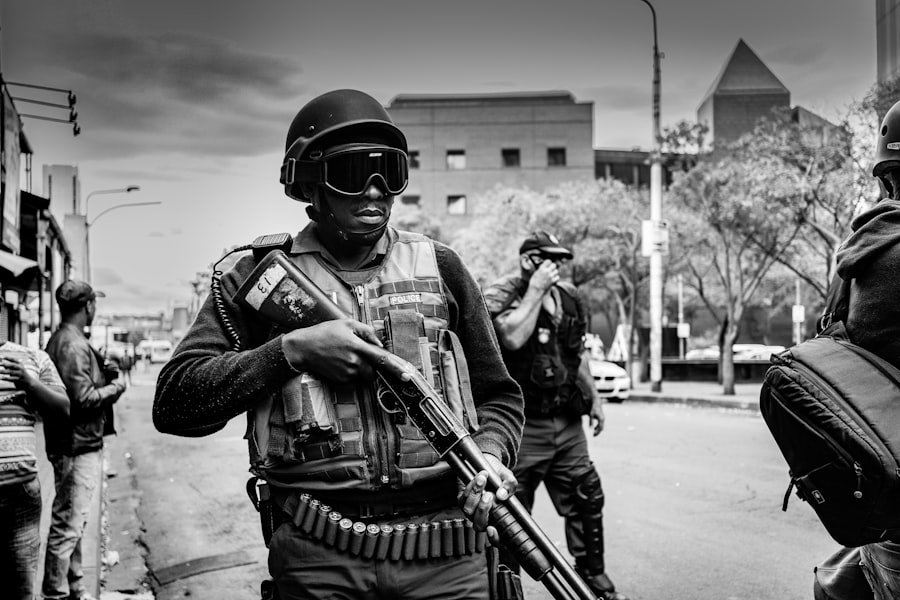
Regional organizations play a critical role in enhancing policing efforts across Africa by fostering collaboration among member states. The African Union (AU) is at the forefront of these initiatives, promoting peace and security through various mechanisms such as the Peace and Security Council (PSC). The PSC facilitates dialogue among member states on security issues and coordinates responses to crises that may arise from transnational crime or terrorism.
Additionally, regional economic communities like ECOWAS and the Southern African Development Community (SADC) have established frameworks for cooperation in policing matters. ECOWAS has implemented a regional action plan against drug trafficking that encourages member states to share intelligence and conduct joint operations against drug cartels operating within their borders. Similarly, SADC has developed strategies to combat wildlife crime, recognizing that poaching often involves cross-border syndicates that require coordinated responses from multiple countries.
These regional organizations serve as vital platforms for collaboration, enabling African nations to address security challenges collectively.
The Role of Western Countries in Policing Africa
Western countries have increasingly recognized the importance of supporting African nations in their policing efforts through various forms of assistance. This support often takes the form of funding, training programs, and capacity-building initiatives aimed at strengthening local law enforcement agencies. For instance, the United States has provided substantial resources through its Bureau of International Narcotics and Law Enforcement Affairs (INL) to combat drug trafficking and organized crime in West Africa.
Moreover, Western nations often collaborate with African countries on intelligence-sharing initiatives that enhance situational awareness regarding transnational threats. Programs like the Trans-Sahara Counterterrorism Partnership (TSCTP) exemplify this collaboration by bringing together U.S., European, and African partners to address terrorism-related challenges in the Sahel region. Such partnerships not only bolster local capacities but also create a framework for sustained engagement between Western countries and African nations in addressing shared security concerns.
The Role of African Countries in International Policing Efforts
African countries themselves play an essential role in shaping international policing efforts on the continent. Many nations have taken proactive steps to engage with regional organizations and international partners to enhance their law enforcement capabilities. For example, Kenya has been at the forefront of counterterrorism efforts in East Africa, actively participating in joint operations with neighboring countries to combat threats posed by Al-Shabaab.
Furthermore, African nations are increasingly contributing personnel to international peacekeeping missions that address security challenges related to organized crime and terrorism. Countries like Rwanda have gained recognition for their effective peacekeeping forces deployed in various conflict zones across Africa. By participating in these missions, African nations not only contribute to regional stability but also gain valuable experience that can be applied to domestic policing efforts.
The Importance of Information Sharing and Intelligence Gathering in Policing Africa
Information sharing and intelligence gathering are critical components of effective policing in Africa. Given the transnational nature of many criminal activities on the continent, timely access to accurate information can make a significant difference in law enforcement operations. Collaborative platforms such as regional databases allow countries to share intelligence on criminal networks, trends, and emerging threats.
For instance, initiatives like the East African Police Chiefs Cooperation Organization (EAPCCO) facilitate information exchange among member states regarding cross-border crime issues such as human trafficking and drug smuggling. By establishing secure communication channels for sharing intelligence, EAPCCO enhances the ability of law enforcement agencies to respond swiftly to criminal activities that may span multiple jurisdictions. Moreover, intelligence-led policing approaches are gaining traction across Africa as countries recognize the importance of data-driven decision-making in combating crime effectively.
By leveraging technology and analytical tools, law enforcement agencies can identify patterns of criminal behavior and allocate resources more efficiently.
Training and Capacity Building in International Policing Efforts in Africa
Training and capacity building are fundamental aspects of enhancing policing capabilities across Africa. Many countries face challenges related to inadequate training for law enforcement personnel, which can hinder their ability to respond effectively to evolving criminal threats. International organizations such as Interpol and various non-governmental organizations (NGOs) have stepped up efforts to provide training programs tailored to the specific needs of African police forces.
For example, initiatives focused on countering cybercrime have become increasingly important as digital threats continue to rise across the continent. Training programs aimed at equipping law enforcement officers with skills related to digital forensics and cyber investigations are essential for addressing this growing challenge effectively. Additionally, capacity-building efforts often extend beyond technical training; they also encompass leadership development programs designed to foster ethical standards within police forces.
By investing in leadership training for senior officers, countries can promote accountability and integrity within their law enforcement agencies.
The Future of International Cooperation in Policing Africa
The future of international cooperation in policing Africa will likely be shaped by several key trends that reflect both emerging challenges and opportunities for collaboration. As transnational crime continues to evolve with advancements in technology—such as cryptocurrency use for money laundering or encrypted communication methods used by criminal networks—law enforcement agencies will need to adapt their strategies accordingly. Furthermore, climate change poses new security challenges that may exacerbate existing vulnerabilities within African nations.
Issues such as resource scarcity or displacement due to environmental factors could lead to increased criminal activity or conflict over resources. In this context, international cooperation will be essential not only for addressing traditional crime but also for developing comprehensive strategies that consider broader socio-economic factors. Ultimately, fostering a culture of collaboration among African nations themselves—as well as with international partners—will be crucial for building resilient policing frameworks capable of addressing both current threats and future challenges effectively.
As countries continue to recognize the interconnectedness of security issues on the continent, there is potential for more robust partnerships that prioritize shared goals in promoting peace and stability across Africa.
International cooperation in policing Africa is crucial for addressing transnational crime and enhancing security across the continent. A related article that discusses the importance of collaborative efforts in law enforcement can be found at this link, which highlights various initiatives aimed at strengthening partnerships among African nations to combat crime effectively.
