


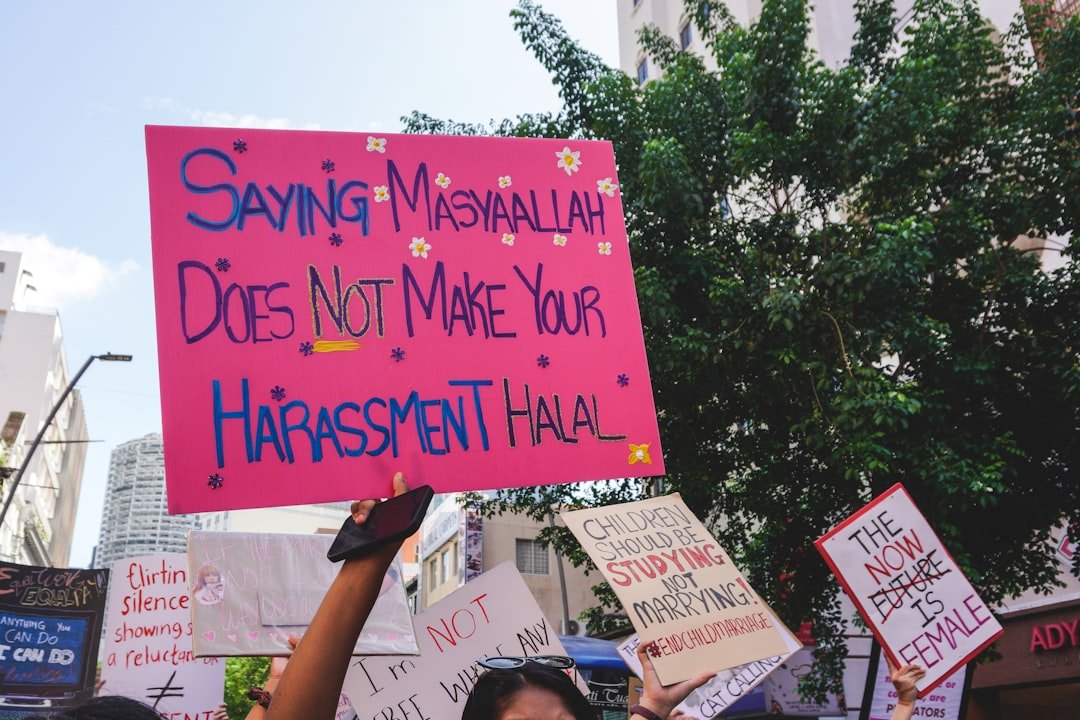
The historical context of women’s empowerment in African governance is deeply rooted in the continent’s diverse cultures and traditions. For centuries, women have played significant roles in their communities, often serving as custodians of knowledge, culture, and social cohesion. In many traditional societies, women were not merely passive participants; they were active agents in decision-making processes, particularly in matters concerning family and community welfare.
For instance, among the Akan people of Ghana, women held considerable influence in local governance through their roles in the matrilineal system, where lineage and inheritance were traced through the female line. This historical precedent illustrates that women’s involvement in governance is not a modern phenomenon but rather a continuation of longstanding practices. However, the dynamics of women’s empowerment have evolved over time, particularly with the advent of colonialism and the subsequent socio-political changes that ensued.
The imposition of colonial rule often disrupted traditional power structures and marginalized women’s roles in governance. Colonial administrations frequently favored male leaders, sidelining women who had previously held significant authority. This shift not only altered the landscape of governance but also contributed to the erosion of women’s rights and status within their communities.
As a result, the historical context of women’s empowerment in African governance is characterized by both a rich legacy of participation and a struggle against systemic marginalization.
The Role of Women in Traditional African Societies
In traditional African societies, women have historically occupied multifaceted roles that extend beyond domestic responsibilities. They have been integral to agricultural production, trade, and community leadership. In many cultures, women were responsible for managing farms and ensuring food security for their families and communities.
For example, among the Igbo people of Nigeria, women played a crucial role in farming activities, often cultivating crops such as cassava and yam, which were staples of the local diet. Their contributions to agriculture not only supported their families but also positioned them as vital economic players within their communities. Moreover, women often held positions of authority within traditional governance structures.
In some societies, they served as advisors to male leaders or even as leaders themselves. The role of women as elders or council members was particularly prominent in matrilineal societies, where lineage and inheritance were traced through women. This authority allowed them to influence decisions on issues such as marriage, land use, and conflict resolution.
The significance of women’s roles in traditional governance underscores the need to recognize their historical contributions as foundational to contemporary discussions on gender equality and empowerment.
Colonialism and its Impact on Women’s Participation in Governance
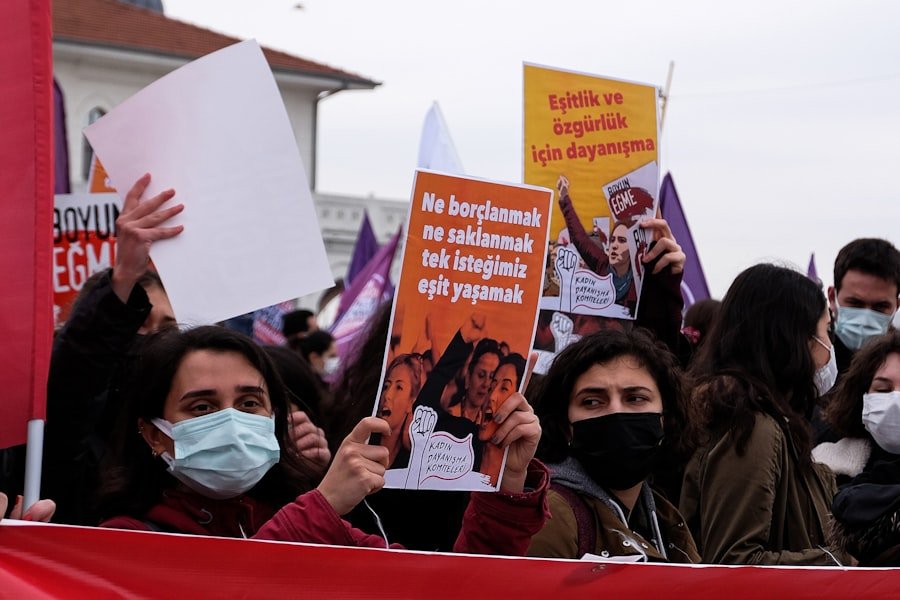
The impact of colonialism on women’s participation in governance was profound and multifaceted. Colonial powers often imposed foreign governance structures that disregarded indigenous systems, leading to the marginalization of women who had previously held influential roles. The introduction of patriarchal legal frameworks further entrenched gender inequalities, as colonial administrations favored male leaders and sidelined women’s voices in political matters.
For instance, in many regions, colonial laws restricted women’s rights to own property or participate in local governance, effectively stripping them of their agency. Additionally, colonialism disrupted traditional economic systems that had empowered women. The introduction of cash crops and market economies often relegated women to lower-paying roles or informal sectors, diminishing their economic independence.
This economic disenfranchisement had lasting effects on women’s ability to participate in governance and decision-making processes. The legacy of colonialism thus created a dual challenge for women: not only did they face systemic barriers to political participation, but they also grappled with economic inequalities that further limited their influence.
The Rise of Women’s Movements in Africa
The rise of women’s movements in Africa can be traced back to the mid-20th century when anti-colonial struggles began to intertwine with gender activism. As countries gained independence, women recognized the need to advocate for their rights and representation within newly established political systems. Organizations such as the Federation of African Women (FAW) emerged to unite women across the continent in their quest for equality and empowerment.
These movements played a crucial role in raising awareness about gender issues and mobilizing women to demand their rightful place in governance. In addition to addressing political representation, these movements also focused on broader social issues affecting women, including education, health care, and economic opportunities. Activists like Wangari Maathai in Kenya exemplified this intersectional approach by linking environmental conservation with women’s rights.
The Green Belt Movement she founded not only aimed to combat deforestation but also empowered women by providing them with skills and resources to improve their livelihoods. The rise of women’s movements has thus been instrumental in challenging patriarchal norms and advocating for policies that promote gender equality across various sectors.
Legal and Policy Frameworks for Women’s Empowerment in African Governance
The establishment of legal and policy frameworks aimed at promoting women’s empowerment has been a significant development in African governance over the past few decades. Various international agreements, such as the Convention on the Elimination of All Forms of Discrimination Against Women (CEDAW), have provided a foundation for national policies that seek to enhance women’s rights and participation in governance. Many African countries have ratified CEDAW and developed national action plans to address gender disparities.
At the regional level, organizations like the African Union (AU) have implemented frameworks such as the Protocol to the African Charter on Human and Peoples’ Rights on the Rights of Women in Africa (Maputo Protocol). This protocol emphasizes the importance of women’s participation in decision-making processes at all levels and calls for measures to eliminate discrimination against women. Despite these advancements, the implementation of legal frameworks remains inconsistent across countries due to various factors, including political will, cultural resistance, and inadequate resources.
Challenges and Barriers to Women’s Participation in African Governance

Despite progress made towards women’s empowerment in African governance, numerous challenges persist that hinder their full participation. One significant barrier is deeply entrenched cultural norms that perpetuate gender stereotypes and limit women’s roles in public life. In many societies, traditional beliefs about gender roles continue to dictate expectations for women, often relegating them to domestic spheres while discouraging political engagement.
This cultural resistance can manifest in various forms, including societal pressure against women seeking leadership positions or participating in political processes. Additionally, structural barriers such as lack of access to education and economic resources further exacerbate gender inequalities in governance. Women often face challenges in obtaining quality education due to socio-economic constraints or cultural biases that prioritize male education.
This educational gap translates into fewer women being equipped with the skills necessary for political participation or leadership roles. Furthermore, economic disparities limit women’s ability to finance campaigns or engage in political activities effectively. Addressing these challenges requires comprehensive strategies that tackle both cultural attitudes and structural inequalities.
Success Stories of Women in African Governance
Amidst the challenges faced by women in African governance, there are numerous success stories that highlight their resilience and capability as leaders. One notable example is Ellen Johnson Sirleaf, who became Africa’s first female president when she was elected president of Liberia in 2005. Her leadership not only marked a significant milestone for women’s representation but also demonstrated the potential for transformative change when women are placed in positions of power.
Sirleaf’s presidency focused on rebuilding Liberia after years of civil conflict and emphasized gender equality as a cornerstone of her administration’s policies. Another inspiring story is that of Ameenah Gurib-Fakim, who served as the first female president of Mauritius from 2015 to 2018. A renowned scientist and advocate for sustainable development, Gurib-Fakim utilized her platform to promote education for girls and women’s empowerment initiatives across various sectors.
Her presidency exemplified how women can leverage their expertise and experiences to drive meaningful change within their countries.
The Importance of Women’s Representation in Decision-Making Processes
The importance of women’s representation in decision-making processes cannot be overstated; it is essential for achieving equitable governance and sustainable development. When women are included in political discussions and leadership roles, they bring diverse perspectives that enrich policy-making processes. Research has shown that gender-diverse leadership teams are more likely to consider issues affecting women and marginalized groups, leading to more inclusive policies that address societal needs comprehensively.
Moreover, women’s representation serves as a powerful symbol for future generations, inspiring young girls to aspire to leadership roles and challenging societal norms that limit their potential. By seeing women occupy positions of authority, girls are more likely to envision themselves as leaders and advocates for change within their communities. This representation is crucial for breaking down barriers and fostering an environment where gender equality is prioritized at all levels of governance.
Strategies for Increasing Women’s Participation in African Governance
To increase women’s participation in African governance effectively, a multifaceted approach is necessary that addresses both systemic barriers and cultural attitudes. One strategy involves implementing quotas or affirmative action policies that ensure a minimum representation of women in political bodies. Countries like Rwanda have successfully adopted such measures, resulting in one of the highest percentages of female representation globally within their parliament.
Education plays a pivotal role in empowering women to engage actively in governance. Initiatives aimed at increasing access to quality education for girls can help bridge the gender gap by equipping them with the knowledge and skills needed for political participation. Additionally, mentorship programs connecting aspiring female leaders with experienced politicians can provide invaluable guidance and support as they navigate the complexities of governance.
The Intersectionality of Gender and Other Identities in African Governance
Understanding the intersectionality of gender with other identities—such as ethnicity, class, age, and disability—is crucial for addressing the unique challenges faced by different groups of women within African governance contexts. Women from marginalized communities often experience compounded discrimination that limits their access to political participation and resources. For instance, rural women may face additional barriers related to geographic isolation or lack of infrastructure compared to their urban counterparts.
Recognizing these intersecting identities allows for more targeted interventions that address specific needs within diverse populations. Policies aimed at promoting women’s empowerment must consider these complexities to ensure inclusivity and effectiveness. Engaging with grassroots organizations that represent various communities can provide valuable insights into the unique challenges faced by different groups of women.
The Future of Women’s Empowerment in African Governance
The future of women’s empowerment in African governance holds promise but requires sustained commitment from governments, civil society organizations, and international partners alike. As awareness grows regarding the importance of gender equality for sustainable development, there is an increasing recognition that empowering women is not just a moral imperative but also an economic necessity. Countries that prioritize gender equality tend to experience more robust economic growth and social stability.
Continued advocacy efforts are essential for ensuring that legal frameworks translate into tangible benefits for women on the ground. Grassroots movements must remain at the forefront of this struggle, pushing for accountability from governments while fostering community engagement around gender issues. By building coalitions across sectors—combining efforts from education, health care, economic development, and political advocacy—African nations can create an environment where women’s empowerment flourishes within governance structures.
In conclusion, while significant strides have been made towards enhancing women’s participation in African governance, ongoing efforts are needed to dismantle barriers and promote inclusive decision-making processes that reflect the diverse voices within society.
The empowerment of women in African governance is a crucial topic that intersects with various aspects of societal development. For instance, the article on Zambia’s social media and messaging apps being shut down on election day highlights the importance of communication in democratic processes, which can significantly impact women’s participation in governance. You can read more about this issue in the article here.
