



Gender bias in leadership positions remains a pervasive issue across various sectors, from corporate environments to political arenas. Research consistently shows that women are underrepresented in leadership roles, despite their qualifications and capabilities. For instance, a 2021 report from McKinsey & Company revealed that women hold only 28% of senior vice president roles and 21% of C-suite positions in the United States.
This disparity is often attributed to implicit biases that favor male leadership styles and perpetuate stereotypes about women’s abilities. Such biases can manifest in various ways, including the tendency to evaluate male candidates more favorably than equally qualified female candidates, leading to a significant gender gap in promotions and hiring for leadership roles. Moreover, the impact of gender bias extends beyond individual careers; it affects organizational culture and performance.
Companies with diverse leadership teams are more likely to outperform their peers in profitability and value creation. However, the systemic barriers that women face in ascending to leadership positions hinder not only their personal growth but also the potential for organizations to benefit from diverse perspectives. The challenge lies not only in recognizing these biases but also in actively dismantling them through policies that promote equity and inclusion, such as blind recruitment processes and diversity training programs.
Balancing Work and Family Responsibilities
The struggle to balance work and family responsibilities is a significant challenge for many individuals, particularly women who often bear the brunt of caregiving duties. Traditional gender roles have historically assigned women the primary responsibility for household management and child-rearing, which can create conflicts with professional aspirations. According to a 2020 survey by Pew Research Center, 56% of working mothers reported feeling stressed about balancing their job with family responsibilities, compared to 46% of working fathers.
This discrepancy highlights the ongoing societal expectation that women should prioritize family over career, which can lead to career interruptions or reduced work hours. The COVID-19 pandemic exacerbated these challenges, as many families faced increased caregiving demands due to school closures and health concerns. Women disproportionately left the workforce during this period, with a report from the National Women’s Law Center indicating that nearly 3 million women exited the labor force between February 2020 and February 2021.
This mass exodus not only set back women’s career trajectories but also reinforced the notion that caregiving is primarily a woman’s responsibility. To address these issues, organizations must implement flexible work arrangements, such as remote work options and parental leave policies that support both mothers and fathers in sharing family responsibilities.
Lack of Access to Education and Training Opportunities
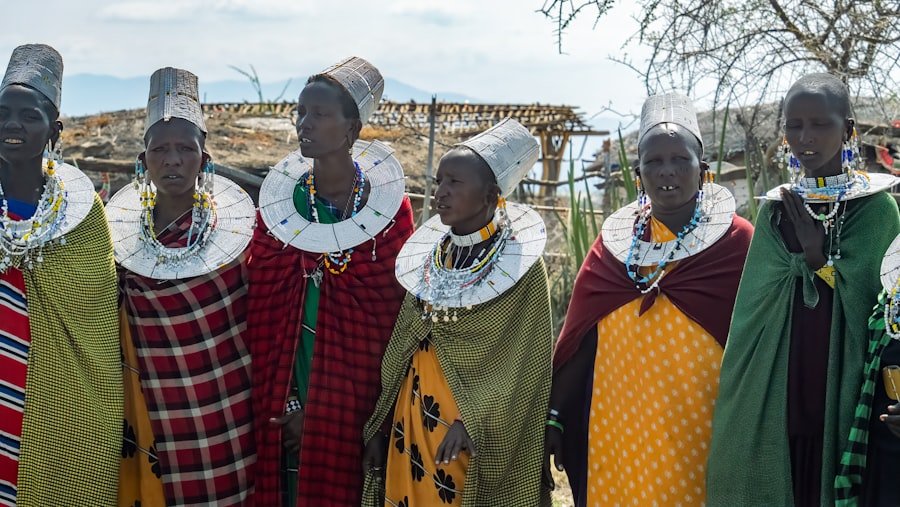
Access to education and training opportunities is crucial for career advancement, yet many women face barriers that limit their ability to acquire the skills necessary for high-demand jobs. In many regions, cultural norms and economic constraints can restrict girls’ access to education from an early age. According to UNESCO, approximately 129 million girls worldwide were out of school in 2020, which significantly hampers their future employment prospects.
Even when women do have access to education, they may encounter biases in fields traditionally dominated by men, such as STEM (science, technology, engineering, and mathematics). Furthermore, even when women pursue higher education or vocational training, they often find themselves underrepresented in advanced programs or leadership tracks. A study by the American Association of University Women found that women earn only 18% of computer science degrees and 20% of engineering degrees in the United States.
This lack of representation can perpetuate stereotypes about women’s capabilities in technical fields and limit their opportunities for advancement. To combat these disparities, initiatives aimed at encouraging girls to pursue STEM education and providing scholarships or mentorship programs for women in technical fields are essential for fostering a more equitable workforce.
Cultural and Societal Expectations
Cultural and societal expectations play a significant role in shaping women’s experiences in the workplace. In many cultures, traditional gender roles dictate that women should prioritize family and domestic responsibilities over professional ambitions. These expectations can create internal conflicts for women who aspire to advance their careers while also fulfilling societal norms regarding motherhood and homemaking.
For example, in some cultures, women may face pressure to conform to the ideal of being a “good mother,” which can lead them to make career sacrifices that their male counterparts do not face. Moreover, societal narratives surrounding success often glorify male leaders while downplaying or dismissing women’s achievements. This can lead to a lack of visibility for female role models in various industries, making it difficult for young women to envision themselves in leadership positions.
The media’s portrayal of women in leadership roles often reinforces stereotypes that suggest they are less competent or more emotional than their male counterparts. To challenge these societal expectations, it is crucial to promote diverse representations of women in leadership across various platforms and encourage conversations that redefine success beyond traditional gender norms.
Limited Access to Resources and Funding
Access to resources and funding is a critical factor influencing women’s entrepreneurial ventures and career advancement. Women entrepreneurs often face significant challenges when seeking financial support for their businesses. According to a report by the Global Entrepreneurship Monitor, women are less likely than men to receive venture capital funding, with only 2.3% of all venture capital funding going to female-led startups in 2020.
This disparity can be attributed to a combination of factors, including biases among investors who may unconsciously favor male entrepreneurs or lack awareness of the unique challenges faced by women-led businesses. Additionally, limited access to networks and mentorship opportunities can further hinder women’s ability to secure funding or resources necessary for growth. Many successful entrepreneurs rely on personal connections or industry networks to gain access to capital or business advice; however, women are often underrepresented in these networks.
Initiatives aimed at increasing funding for women-led businesses, such as grants specifically targeting female entrepreneurs or programs designed to connect women with investors, are essential for leveling the playing field and fostering economic growth.
Discrimination and Harassment in the Workplace
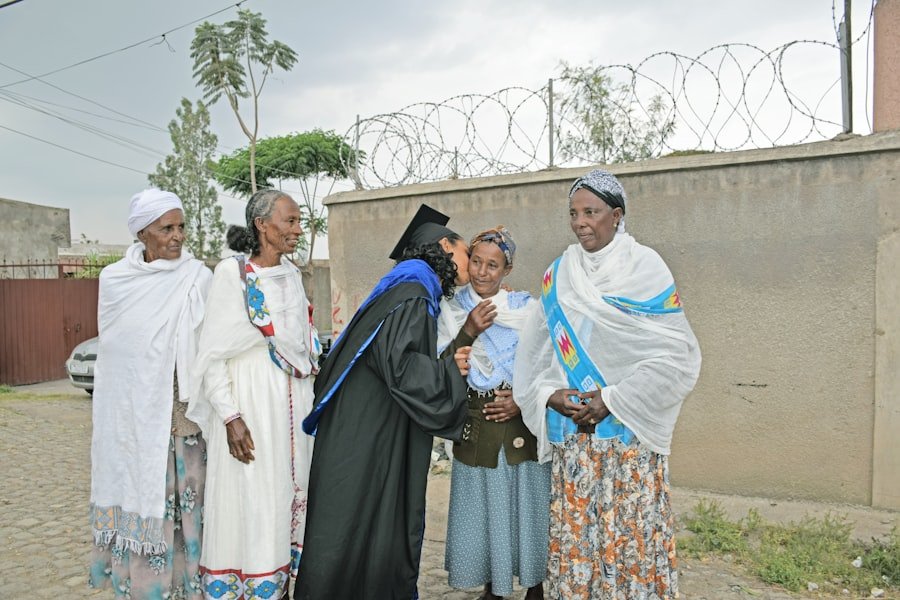
Discrimination and harassment remain significant barriers for women in the workplace, impacting their job satisfaction, mental health, and career progression. Despite advancements in workplace policies aimed at promoting equality, many women still experience gender-based discrimination in various forms. This can include unequal pay for equal work, biased performance evaluations, or being overlooked for promotions due to gender stereotypes.
A report from the Equal Employment Opportunity Commission (EEOC) indicated that women filed nearly 30% of all workplace discrimination claims in 2020, highlighting the prevalence of these issues. Harassment is another critical concern that disproportionately affects women in professional settings. The #MeToo movement brought widespread attention to the issue of sexual harassment at work, revealing how pervasive this problem is across industries.
Women who experience harassment may feel compelled to leave their jobs or may be less likely to pursue promotions due to fear of retaliation or further victimization. Organizations must take proactive measures to create safe work environments by implementing comprehensive anti-harassment policies, providing training on respectful workplace behavior, and establishing clear reporting mechanisms for victims.
Lack of Mentorship and Support Networks
The absence of mentorship and support networks can significantly hinder women’s professional development and career advancement. Mentorship plays a crucial role in providing guidance, encouragement, and access to opportunities that can propel individuals forward in their careers. However, women often find it challenging to identify mentors who understand their unique experiences or who are willing to invest time in supporting their growth.
A study by the Center for Creative Leadership found that while both men and women value mentorship equally, men are more likely to have access to influential mentors within their organizations. Additionally, women’s professional networks tend to be less robust than those of their male counterparts due to historical exclusion from male-dominated industries or networking events. This lack of connection can limit women’s access to job opportunities or valuable insights into navigating workplace challenges.
To address this gap, organizations should prioritize creating formal mentorship programs that pair emerging female leaders with experienced mentors who can provide guidance and support. Furthermore, fostering inclusive networking events that encourage collaboration among women across various industries can help build stronger support systems.
Political and Legal Barriers
Political and legal barriers continue to impede women’s progress in various sectors around the world. In many countries, laws governing workplace equality are either insufficiently enforced or entirely absent, leaving women vulnerable to discrimination and exploitation. For instance, while some nations have implemented policies aimed at promoting gender equality in the workplace, enforcement mechanisms may be weak or nonexistent, allowing employers to circumvent regulations without consequence.
Moreover, political representation remains disproportionately low for women globally. According to the Inter-Parliamentary Union (IPU), as of 2021, only 25% of national parliamentarians were women worldwide. This lack of representation limits women’s voices in decision-making processes related to policies affecting their rights and opportunities.
To combat these barriers, advocacy efforts must focus on strengthening legal frameworks that protect women’s rights at work while also promoting initiatives aimed at increasing women’s political participation through training programs and support networks.
Limited Representation in Decision-Making Processes
Limited representation of women in decision-making processes is a critical issue that affects organizational effectiveness and societal progress as a whole. When women are excluded from leadership roles or decision-making bodies, their perspectives and experiences are often overlooked, leading to policies and practices that do not adequately address the needs of half the population. For example, research has shown that companies with diverse boards are more likely to make decisions that consider a broader range of stakeholder interests, ultimately leading to better business outcomes.
In many industries, women’s voices remain marginalized despite their growing presence in the workforce. A report by Catalyst found that while women make up nearly half of the workforce in many sectors, they hold only a fraction of executive positions or board seats. This underrepresentation can perpetuate cycles of inequality as decisions made without diverse input may fail to address systemic issues affecting women’s advancement.
To promote greater representation in decision-making processes, organizations should implement policies aimed at increasing diversity on boards and leadership teams while also fostering an inclusive culture that values diverse perspectives.
Struggles with Work-Life Balance
Struggles with work-life balance are increasingly recognized as a significant challenge faced by professionals today, particularly among women who often juggle multiple responsibilities at home and work. The expectation that individuals should excel both professionally and personally can create immense pressure, leading to burnout and decreased job satisfaction. A survey conducted by Gallup found that nearly 60% of employees reported feeling stressed at work due to competing demands on their time.
For many women, achieving work-life balance is further complicated by societal expectations regarding caregiving roles. Women are often expected to manage household responsibilities alongside their professional obligations, which can lead to feelings of guilt or inadequacy when they cannot meet these expectations. Organizations must recognize the importance of supporting employees’ well-being by offering flexible work arrangements, mental health resources, and initiatives aimed at promoting a healthy work-life balance.
Overcoming Stereotypes and Prejudices
Overcoming stereotypes and prejudices is essential for creating an equitable workplace where all individuals can thrive regardless of gender. Stereotypes about women’s capabilities often persist within organizational cultures, influencing hiring decisions and performance evaluations. For instance, research has shown that women are frequently perceived as less competent than men in leadership roles due to ingrained biases about gender roles.
To combat these stereotypes effectively requires concerted efforts at multiple levels within organizations. Training programs focused on unconscious bias can help employees recognize their own biases while fostering an inclusive culture that values diversity. Additionally, showcasing successful female leaders within organizations can challenge prevailing stereotypes by providing tangible examples of women’s capabilities in leadership positions.
By actively working to dismantle these prejudices through education and awareness initiatives, organizations can create environments where all employees feel empowered to contribute fully without being hindered by outdated notions about gender roles.
Women leaders in Africa face numerous challenges, including cultural barriers, limited access to resources, and gender bias in decision-making processes. These obstacles can hinder their ability to effect change and lead effectively. For a broader understanding of the geopolitical landscape that can impact leadership dynamics in the region, you might find the article on Sudan’s potential gains from a Russian naval base insightful. It highlights how international relations can influence local governance and leadership challenges. You can read more about it [here](https://afroicon.com/what-will-sudan-gain-from-having-a-russia-naval-base/).
