


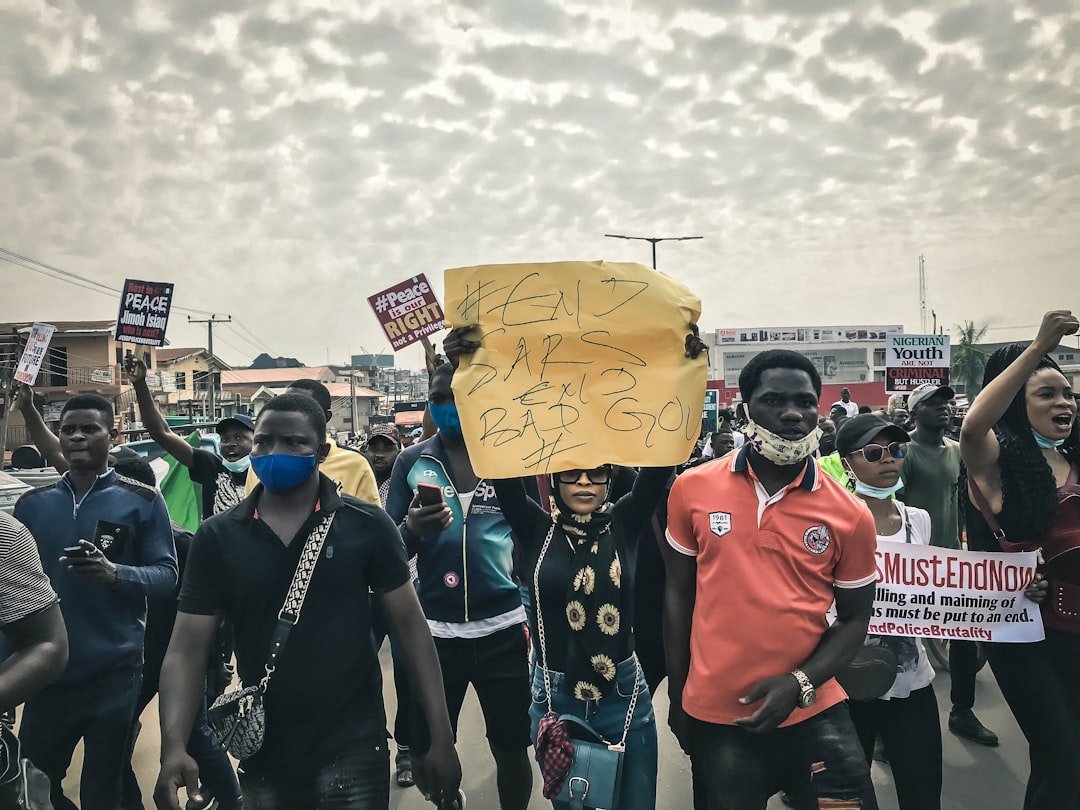
The historical and colonial legacy of many nations has left an indelible mark on their contemporary law enforcement practices. In numerous regions, the police forces were originally established as instruments of colonial control, designed to maintain order and suppress dissent among local populations. This legacy has fostered a deep-seated mistrust between communities and law enforcement agencies, as the police are often viewed as extensions of oppressive colonial regimes rather than protectors of public safety.
For instance, in countries like India, the police system was modeled after British colonial practices, which prioritized the interests of the colonial rulers over the rights and needs of the indigenous population. This historical context continues to influence perceptions of legitimacy and authority within law enforcement today. Moreover, the ramifications of colonialism extend beyond mere structural issues; they permeate societal attitudes and behaviors.
In many post-colonial societies, the police are often seen as enforcers of a status quo that favors the elite, perpetuating cycles of inequality and injustice. The historical context of oppression has led to a pervasive culture of fear and suspicion surrounding law enforcement, where communities feel alienated from those sworn to protect them. This disconnect is further exacerbated by a lack of historical reconciliation efforts, leaving unresolved grievances that continue to fuel tensions between marginalized communities and police forces.
Lack of Accountability and Oversight
A significant challenge facing law enforcement agencies worldwide is the pervasive lack of accountability and oversight. In many jurisdictions, police officers operate with a degree of impunity that undermines public trust and erodes the rule of law. This lack of accountability can manifest in various forms, from inadequate internal investigations into misconduct to the absence of independent oversight bodies capable of holding officers accountable for their actions.
For example, in the United States, numerous high-profile cases of police brutality have highlighted systemic failures in accountability mechanisms, leading to widespread protests and calls for reform. The consequences of this lack of oversight are profound. When officers are not held accountable for their actions, it creates a culture where misconduct can flourish unchecked.
This environment not only emboldens rogue officers but also discourages whistleblowers from coming forward, fearing retaliation or lack of support from their superiors. The result is a cycle of abuse that perpetuates distrust between law enforcement and the communities they serve. In many cases, victims of police misconduct find themselves without recourse, as internal investigations often favor the officers involved rather than seeking justice for those harmed.
Political Interference and Corruption
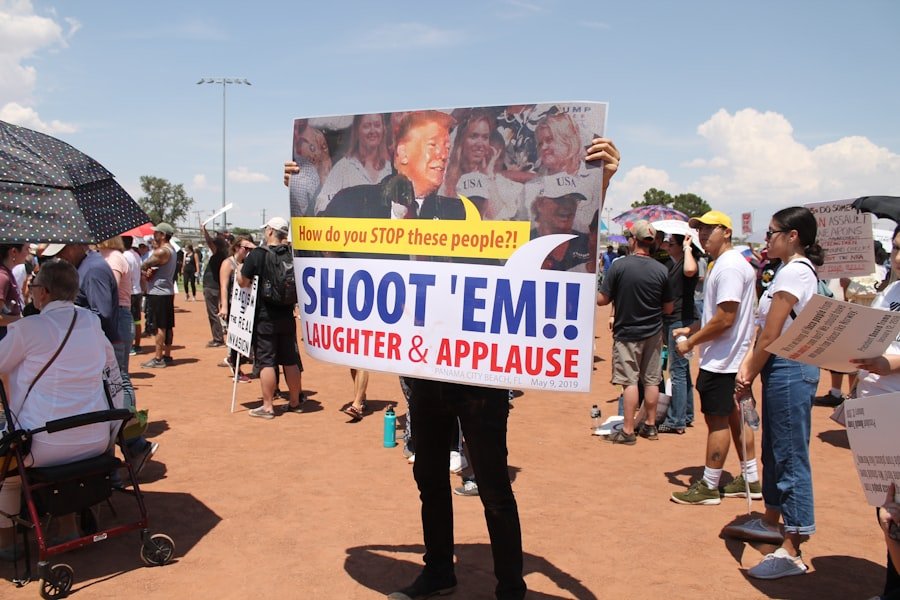
Political interference in law enforcement is another critical issue that undermines the integrity and effectiveness of police agencies. In many countries, law enforcement is subject to political pressures that can compromise their ability to operate independently and impartially. Politicians may exert influence over police operations to further their own agendas, leading to selective enforcement of laws or the targeting of political opponents.
This dynamic not only erodes public trust but also fosters an environment where corruption can thrive. For instance, in several Latin American countries, drug cartels have been known to infiltrate police forces, using bribery and intimidation to manipulate law enforcement for their own benefit. Corruption within law enforcement agencies can take many forms, from bribery and extortion to collusion with criminal enterprises.
When officers prioritize personal gain over their duty to serve and protect, it creates a vicious cycle that undermines public safety and exacerbates crime rates. Communities become trapped in a state of fear and uncertainty, knowing that those tasked with upholding the law may be complicit in criminal activities. The intertwining of politics and corruption within law enforcement not only hampers effective policing but also perpetuates systemic injustices that disproportionately affect marginalized populations.
Inadequate Training and Resources
Inadequate training and resources are significant barriers to effective law enforcement in many regions. Police officers often enter the field with insufficient preparation for the complex challenges they will face on the job. Basic training programs may focus primarily on physical tactics or legal knowledge while neglecting critical areas such as community engagement, mental health crisis intervention, and de-escalation techniques.
This lack of comprehensive training can lead to poor decision-making in high-pressure situations, resulting in unnecessary use of force or escalation of conflicts. Furthermore, resource constraints can severely limit the ability of law enforcement agencies to perform their duties effectively. Many police departments operate with outdated equipment, insufficient personnel, and inadequate funding for essential programs such as community policing initiatives or mental health support services.
For example, in rural areas or economically disadvantaged urban neighborhoods, police forces may struggle to maintain a visible presence or respond promptly to emergencies due to staffing shortages or budget cuts. This inadequacy not only hampers public safety but also contributes to a perception that law enforcement is unprepared or unwilling to address community concerns.
Deep-seated Prejudice and Discrimination
Deep-seated prejudice and discrimination within law enforcement agencies can have devastating consequences for marginalized communities. Racial bias, in particular, has been shown to influence policing practices, leading to disproportionate targeting of individuals based on their race or ethnicity. Studies have consistently demonstrated that people of color are more likely to be stopped, searched, and subjected to use of force by police compared to their white counterparts.
This systemic bias not only perpetuates cycles of mistrust but also exacerbates social tensions within communities. The impact of discrimination extends beyond individual encounters with law enforcement; it shapes broader societal perceptions and experiences. Communities that experience systemic bias may develop a pervasive sense of alienation from law enforcement institutions, viewing them as adversaries rather than allies in promoting public safety.
This disconnect can hinder effective policing efforts, as community members may be less likely to cooperate with investigations or report crimes out of fear or distrust. Addressing deep-seated prejudice within law enforcement requires comprehensive training programs focused on cultural competency, implicit bias awareness, and community engagement strategies that foster trust and collaboration.
Socioeconomic Inequality and Marginalization
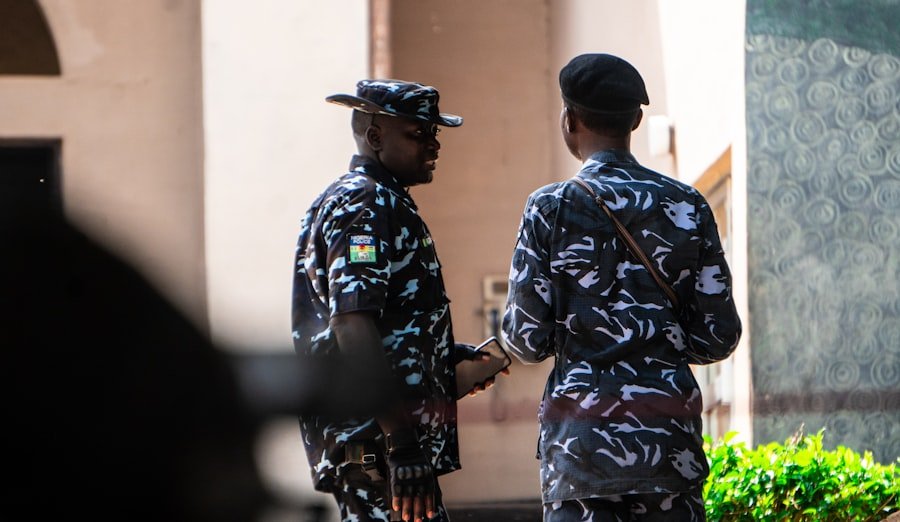
Socioeconomic inequality plays a crucial role in shaping the relationship between law enforcement and communities. Areas characterized by high levels of poverty often experience increased crime rates, leading to heightened police presence and scrutiny. However, this increased policing can create a cycle of marginalization where residents feel targeted rather than protected.
In many cases, individuals living in economically disadvantaged neighborhoods may face over-policing for minor infractions while simultaneously lacking access to essential services such as education, healthcare, and employment opportunities. The intersection of socioeconomic status and policing can lead to a range of negative outcomes for marginalized communities. For instance, individuals from low-income backgrounds may be more likely to encounter aggressive policing tactics or face harsher penalties for minor offenses compared to their wealthier counterparts.
This disparity not only perpetuates cycles of poverty but also reinforces negative stereotypes about marginalized populations. Addressing socioeconomic inequality requires a multifaceted approach that includes investment in community resources, education initiatives, and social services aimed at breaking down barriers that contribute to crime and mistrust.
Militarization of Law Enforcement
The militarization of law enforcement has become a prominent issue in recent years, raising concerns about the implications for civil liberties and community relations. The increasing use of military-grade equipment by police forces—such as armored vehicles, assault rifles, and tactical gear—has transformed the nature of policing in many jurisdictions. This trend towards militarization often stems from federal funding programs that incentivize local police departments to acquire military surplus equipment under the guise of enhancing public safety.
The consequences of militarization are profound; it can create an atmosphere of fear and hostility between law enforcement and communities. When police officers are equipped like soldiers rather than community protectors, it sends a message that residents are viewed as potential threats rather than partners in maintaining public safety. High-profile incidents involving heavily armed police responses to protests or civil unrest have further fueled public outrage and calls for reform.
Critics argue that this militarized approach undermines community trust and exacerbates tensions during already volatile situations.
Use of Excessive Force as a Control Tactic
The use of excessive force by law enforcement has emerged as a critical issue that raises ethical questions about policing practices worldwide. Incidents involving excessive force often garner significant media attention, highlighting systemic issues within law enforcement agencies that prioritize aggressive tactics over de-escalation strategies. The tragic deaths of individuals during encounters with police have sparked widespread protests and demands for accountability, revealing deep-seated frustrations with how law enforcement engages with communities.
Excessive force is not merely an isolated issue; it reflects broader systemic problems within policing culture that prioritize control over community engagement. Officers may resort to aggressive tactics out of fear or a perceived need to assert authority in high-stress situations. However, this approach can lead to tragic outcomes that disproportionately affect marginalized populations already facing systemic bias within the justice system.
Addressing the issue requires comprehensive training focused on de-escalation techniques, mental health crisis intervention, and community-oriented policing strategies aimed at fostering trust rather than fear.
Ineffective Legal and Judicial Systems
Ineffective legal and judicial systems pose significant challenges for achieving justice in cases involving police misconduct or excessive force. In many jurisdictions, legal frameworks may be inadequate for holding officers accountable for their actions due to loopholes or protections afforded by qualified immunity laws. These legal barriers can create an environment where victims feel powerless to seek justice or redress for harm suffered at the hands of law enforcement.
Moreover, the judicial process itself may be fraught with challenges that disproportionately impact marginalized communities. Individuals from low-income backgrounds may lack access to legal representation or resources necessary to navigate complex legal proceedings effectively. This disparity can result in unequal outcomes where victims of police misconduct face insurmountable obstacles in pursuing justice while officers involved may escape accountability altogether.
Reforming legal systems requires a commitment to transparency, accessibility, and accountability mechanisms that prioritize justice for all individuals regardless of socioeconomic status.
Cultural and Traditional Beliefs
Cultural and traditional beliefs play a significant role in shaping societal attitudes toward law enforcement and justice systems across different regions. In many cultures, traditional norms regarding authority figures can influence how individuals perceive police officers and their role within society. For instance, in some communities, there may be a strong emphasis on respect for authority that discourages individuals from questioning or challenging police actions—even when those actions may be unjust or excessive.
Additionally, cultural beliefs surrounding masculinity can impact policing practices as well as community interactions with law enforcement. In societies where traditional notions of masculinity emphasize aggression or dominance, there may be an expectation for police officers to embody these traits in their interactions with the public. This dynamic can perpetuate cycles of violence and mistrust between communities and law enforcement agencies while hindering efforts toward collaborative problem-solving approaches that prioritize community engagement over aggression.
International Influence and Arms Trade
The international arms trade significantly impacts domestic policing practices around the world by facilitating the flow of military-grade weapons into civilian law enforcement agencies. Countries engaged in arms exports often prioritize profit over human rights considerations, leading to situations where police forces are equipped with equipment designed for warfare rather than community safety. This influx of military-grade weaponry can exacerbate tensions between law enforcement agencies and communities already grappling with issues related to violence or crime.
Moreover, international influence extends beyond arms trade; it encompasses broader geopolitical dynamics that shape domestic policing policies across various nations. For example, countries receiving foreign aid or military assistance may adopt policing models aligned with donor nations’ interests rather than prioritizing local needs or cultural contexts. This external influence can lead to misaligned priorities within law enforcement agencies that fail to address underlying issues such as poverty or social inequality while focusing instead on militarized responses to crime or dissent.
In conclusion, addressing these multifaceted challenges requires a comprehensive approach that prioritizes accountability, community engagement, cultural sensitivity, and equitable resource allocation within law enforcement agencies worldwide.
One of the significant factors contributing to police brutality in Africa is the lack of accountability and oversight within law enforcement agencies. This issue is often exacerbated by political instability and corruption, which can lead to a culture of impunity among police officers. For a deeper understanding of the broader socio-political context in which such issues arise, you may find the article on Nigeria’s aviation sector insightful, as it discusses the challenges faced by the government in addressing various systemic issues. You can read more about it in the article titled “Why We’re Yet to Resume Flights to Dubai” by following this link: Why We’re Yet to Resume Flights to Dubai.
