




Nollywood makes more films than Hollywood and Bollywood. What it lacks is strong marketing and promotion.
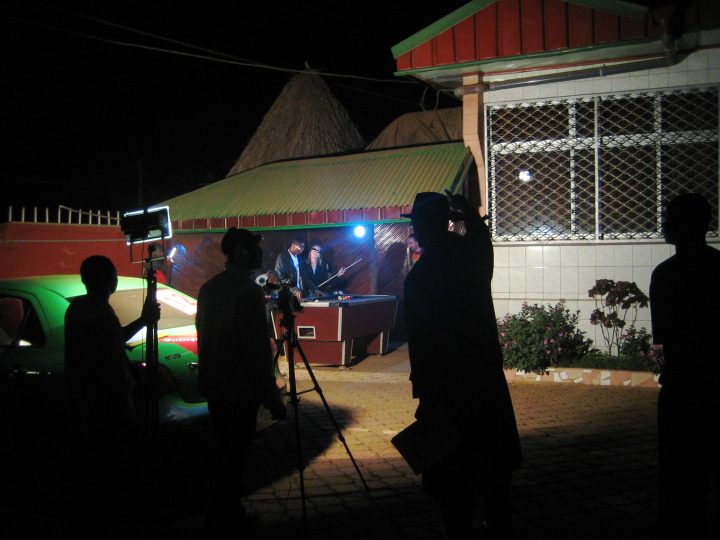
Some of Africa’s highest grossing movies are produced in Nigeria’s film industry. In fact, Nollywood, as it is popularly known, is the world’s second biggest filmmaking arena, churning out roughly 50 movies in English and indigenous Nigerian languages every week. Most of these movies, with the exception of those produced by directors, producers or filmhouses of renown acclaim, rarely get the attention they often deserve.
Nollywood movies are costly to produce, with some estimates placing the sum between 15 million and 40 million Naira. To fully profit off these movies, filmmakers need to invest in film marketing. Nollywood is relatively anonymous in the global movie commercial market, in spite of being the third largest film industry in the world and leading Bollywood and Hollywood in terms of the number of movies produced every year. Already a significant contributor to African cinema, the United Nations projected that the continental film industry has the potential to create over 20 million jobs and contribute US$20 billion to the continent’s combined gross domestic product. The industry ought to develop and invest in diverse marketing strategies to exploit existing opportunities in the global movie market.
Most of Nigeria’s top box office earners—Lionheart, King of Boys, Omo Ghetto: The Saga—enjoy acclaim through conversations about them on media platforms. Audiences analyze their messages, criticize scenes, commend filmmaking and adapt the narratives to their situations because they know about these movies in the first place. All the resultant earnings would not have been possible if these movies were not adequately marketed and promoted.
Significant investment is required to produce films: actors have to be paid reasonable sums, on-set crews have to be compensated and energies expended in pitching these movies to the cinemas or digital streaming platforms. Not all producers have their ideas backed by big budgets and are blessed with the right connections to place their movies in strategic avenues where their audiences easily access them. In Nigeria, the focus on Lagos as the country’s entertainment capital often overshadows the numerous quality films produced in other states and regions of the country. Thus, the work of other brilliant filmmakers is undermined or invisibilized by the market forces of the “Lagos cartel.”
There is also the unfortunate trend whereby filmmakers opt for celebrity casts at the expense of quality content in order to cut down on promotion costs. While this might bring the movie to immediate limelight, it is a huge cost to bear in the long run. It deprives upcoming talents the opportunity for even acting on the projects, focusing on cast performance, thereby making the movie lose its thematic touch and artistry. It ensures that monies that might have been spent on marketing and promotion go instead to celebrity cast and producers.
A host of challenges affect the revenues for Nigerian movies, ranging from high audience awareness and preference of Hollywood films, low trust in Nollywood films due to previous exposure to poor quality films, inconsistent and inconvenient screening schedules and insufficient prints and advertising (P&A) budgets. These problems hinder commercial success, especially since these movies are not optimally marketed. Adopting strategies such as cast cinema tours, prize competitions on social media, and promotion through trailers and handbills amongst others, might propel Nollywood movies to more commercial market success.
Nigeria’s filmmaking scene is already a bubbling commercial market that shows huge potential for success. Marketing and promotions should be an integral part of the movie production process to accelerate the industry’s contribution to the art and business of film.
