


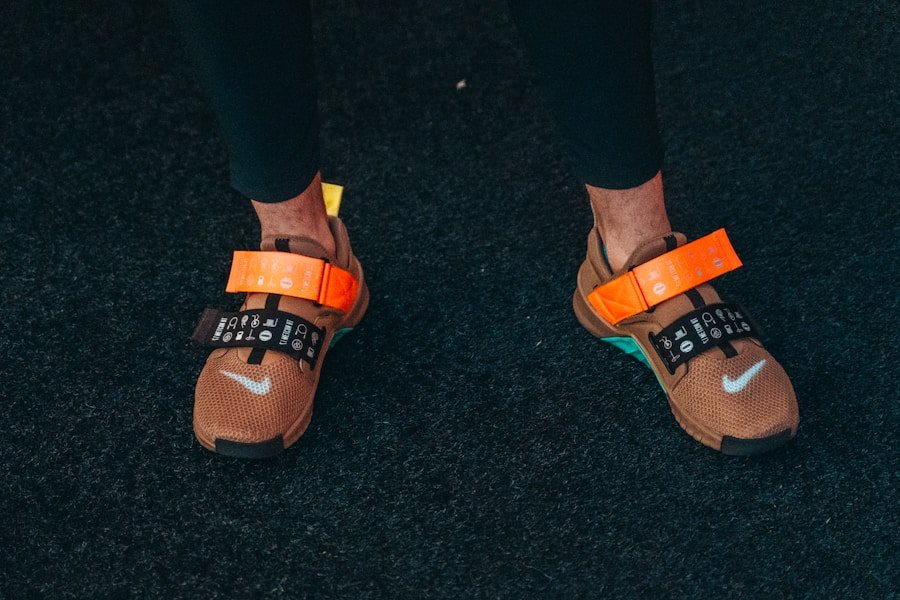
The Nike Rift men’s shoe is a footwear option designed for individuals seeking a distinct aesthetic and a unique sensory experience during athletic activities. This article explores the design, technology, and practical applications of the Nike Rift, aiming to provide a comprehensive overview for those interested in this unconventional athletic shoe.
Understanding the Nike Rift’s Design Philosophy
The Nike Rift stands apart in the athletic footwear landscape due to its unconventional split-toe design. This feature is not merely a stylistic choice; it is rooted in a specific functional concept.
The Split-Toe Innovation
At the core of the Rift’s identity is its split-toe construction, which separates the big toe from the other four toes. This design mimics the natural splay of the human foot, aiming to provide a more anatomical fit.
Historical Context of Split-Toe Footwear
The inspiration for split-toe footwear can be traced back to traditional Japanese footwear, such as the tabi socks and sandals, which have long utilized this separation for enhanced grip and comfort. Nike drew upon this centuries-old concept to inform their modern athletic design.
Biomechanical Implications of the Split-Toe
The separation of the big toe is theorized to allow for greater independent movement and articulation. This can potentially improve balance and stability, particularly in activities requiring agile footwork and precise weight distribution.
Material Construction and Durability
The materials used in the Nike Rift are selected for their blend of lightweight performance, breathability, and durability.
Upper Materials
Typically, the Rift features a mesh upper that facilitates airflow, keeping the foot cool and dry during strenuous activities. Some variations might incorporate synthetic overlays for added structure and support.
Midsole and Outsole Components
The midsole provides cushioning, absorbing impact and reducing stress on the joints. The outsole, often made of rubber, is engineered for traction, offering grip on various surfaces. The specific compounds and tread patterns are designed to enhance performance and longevity.
Performance Features and Benefits
The Nike Rift’s design is intended to translate into tangible benefits for the wearer, particularly in athletic contexts.
Enhanced Foot Articulation and Ground Feel
The split-toe design contributes to an increased awareness of the ground beneath the foot. This heightened “ground feel” can be advantageous for athletes who rely on subtle adjustments and sensory feedback.
Proprioception and Foot Control
Proprioception, the body’s ability to sense its position and movement in space, is thought to be enhanced by the more natural foot articulation offered by the Rift. This can lead to improved control and responsiveness.
Natural Gait and Running Efficiency
For runners, the Rift’s design may encourage a more natural gait cycle. By allowing the toes to splay and grip, it could potentially support a more efficient push-off and stride.
Lightweight Construction and Breathability
The emphasis on lightweight materials and breathable uppers makes the Rift a comfortable option for extended wear and high-intensity activities.
Reducing Fatigue
A lighter shoe can contribute to reduced fatigue over time, allowing athletes to maintain performance for longer periods.
Thermal Regulation
Effective breathability is crucial for managing foot temperature and preventing discomfort caused by excessive heat and moisture. The Rift’s design prioritizes this.
Applications and Suitable Activities
The Nike Rift is not a one-size-fits-all athletic shoe. Its unique characteristics lend themselves to specific types of activities and individual preferences.
Running and Training
The Rift’s emphasis on natural movement and ground feel makes it a compelling option for certain types of running and training.
Trail Running and Off-Road Use
The enhanced grip and stability offered by the split-toe design can be beneficial on uneven terrain. The foot’s ability to adapt and grip individual surfaces can provide a distinct advantage.
Cross-Training and Agility Drills
For activities that involve quick changes in direction and dynamic movements, the Rift’s ability to promote foot articulation can aid in agility and responsiveness.
Casual Wear and Lifestyle Considerations
Beyond athletic performance, the Nike Rift has also found a niche in casual wear due to its distinctive style.
Unique Aesthetic Appeal
The visual departure from conventional sneaker designs makes the Rift a statement piece for those seeking a fashion-forward, athletic look.
Comfort for Daily Activities
The breathable construction and adaptive fit can contribute to overall comfort for everyday use, whether on a walk or running errands.
Maintenance and Care
Proper care is essential to ensure the longevity and optimal performance of the Nike Rift.
Cleaning Procedures
The materials used in the Rift require specific cleaning methods to prevent damage.
Uppers
For mesh uppers, a mild soap and water solution is typically recommended. Gentle brushing can help remove dirt and debris. Avoid harsh chemicals or abrasive scrubbing.
Soles
The rubber outsole can usually be cleaned with a damp cloth. Stubborn dirt might require a soft brush and a mild cleaning agent.
Storage Recommendations
Appropriate storage helps maintain the shoe’s shape and prevent deterioration.
Dry Environment
It is advisable to store the Rift in a cool, dry place, away from direct sunlight and extreme temperatures.
Air Circulation
Allowing the shoes to air out between wears can prevent odor buildup and maintain material integrity.
Considerations and Potential Drawbacks
| Color | Material | Size Range | Weight |
|---|---|---|---|
| Black/White | Mesh and Synthetic | 6-15 | 10.5 ounces |
While the Nike Rift offers unique advantages, it is important to acknowledge potential considerations for prospective wearers.
Acclimatization Period
For individuals accustomed to traditional footwear, the split-toe design might require an adjustment period to fully benefit from its features.
Gradual Integration
Introducing the Rift gradually into your athletic routine can allow your feet to adapt to the new sensation and biomechanical feedback.
Risk of Blisters or Discomfort
In the initial stages, some users might experience minor discomfort or blisters as their feet adjust to the split-toe design. Proper sock selection can mitigate this.
Sock Compatibility
The split-toe design necessitates specific sock choices to maximize comfort and functionality.
Specialized Split-Toe Socks
Socks designed with a separation for the big toe are ideal for the Nike Rift, preventing friction and enhancing the intended fit.
Material and Fit of Socks
Opting for moisture-wicking materials in socks is crucial for athletic performance, and ensuring a snug, non-bunching fit is paramount.
Conclusion: A Unique Footwear Proposition
The Nike Rift men’s shoe presents a distinct proposition in the athletic footwear market, prioritizing natural foot mechanics and a unique sensory experience. Its split-toe design, while unconventional, is a functional element intended to enhance articulation, ground feel, and stability across various activities. From its biomechanical underpinnings to its material composition, the Rift is a thoughtfully engineered shoe for individuals seeking to explore a different approach to athletic footwear. By understanding its design philosophy, performance benefits, and appropriate applications, individuals can make an informed decision about whether the Nike Rift aligns with their athletic goals and personal preferences. The Rift is not merely a shoe; it is an invitation to re-evaluate the relationship between your foot and the ground you traverse.
