


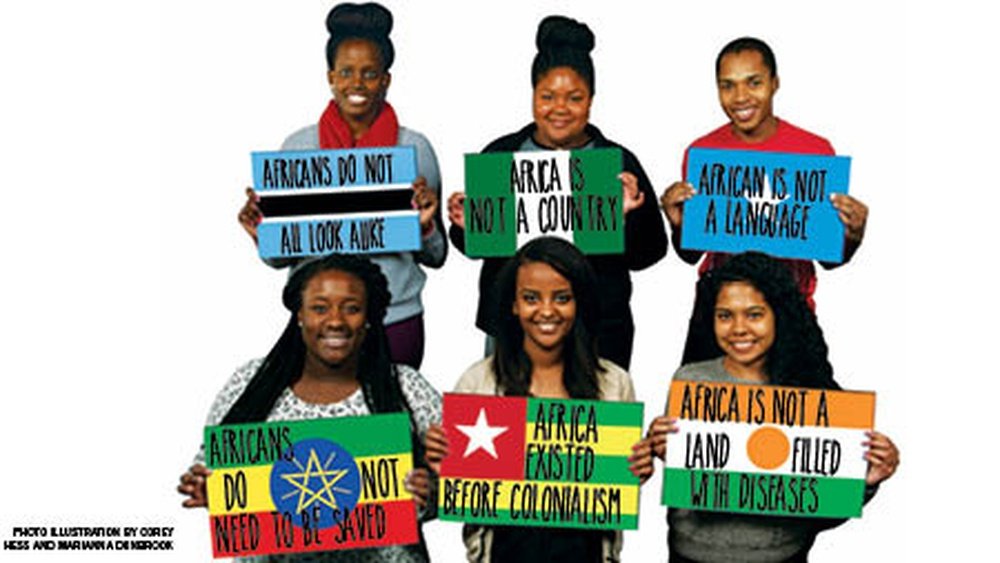
When you think of Africa, what images or ideas come to your mind? Chances are, some of those thoughts are shaped by common stereotypes rather than the rich reality of this vast continent.
But what if those stereotypes are holding you back from truly understanding Africa’s incredible diversity, history, and culture? This article will challenge what you think you know about Africa and reveal why it’s time to look beyond the clichés. Ready to uncover the truth and see Africa through a fresh, honest lens?
Keep reading—you won’t want to miss this.

Credit: www.amazon.com
Common Africa Myths
Africa faces many myths that shape how people see the continent. These myths often hide the true diversity and complexity of African countries. They create false ideas that affect how others understand Africa’s people, culture, and progress. Clearing up these myths helps reveal a more accurate picture.
Poverty And Underdevelopment
Many believe Africa is only poor and underdeveloped. This is not true for the entire continent. Africa has fast-growing cities and many successful businesses. Some countries lead in technology, finance, and education. While poverty exists, it does not define Africa as a whole.
Wildlife And Safari Stereotypes
People often think Africa is all about wildlife and safaris. Africa is home to amazing animals, but it is much more. Cities, industries, and cultures thrive beyond the savannas. Wildlife is a part of Africa but not the only story. The continent offers modern life alongside natural beauty.
Cultural Homogeneity
Africa is often seen as one culture or people. This is far from reality. The continent has over 1,500 languages and many traditions. Each region has unique customs, music, and art. Africa’s cultural diversity is one of its greatest strengths. It cannot be described as a single culture.
Origins Of Humanity
Africa holds a unique place in the story of humanity. It is the starting point for the human journey. The continent’s history stretches back millions of years. Understanding Africa’s origins helps break down common stereotypes. It shows a land of deep history and incredible achievements.
Fossil Evidence And Ancient Humans
Fossil discoveries in Africa reveal the earliest humans. Bones and tools found there date back millions of years. These fossils prove that modern humans evolved in Africa first. Sites like the Great Rift Valley provide rich evidence. Scientists call Africa the “Cradle of Humankind” for this reason. Early humans lived, adapted, and spread from this continent.
Ancient Kingdoms And Civilizations
Africa was home to advanced kingdoms long before colonial times. Civilizations like Ancient Egypt, Carthage, and Mali thrived here. They built cities, traded goods, and created art. The Kingdom of Kush and Great Zimbabwe are examples too. These societies had complex social structures and wealth. Their achievements challenge the narrow views often seen today.
Natural Wealth
Africa’s natural wealth often surprises those who hold common stereotypes. The continent is a treasure trove of valuable minerals and stunning natural landscapes. This wealth supports millions of people and shapes the continent’s identity. Understanding Africa’s resources and natural beauty helps break down simplified views of the continent.
Mineral And Resource Riches
Africa holds some of the world’s largest mineral deposits. Gold, diamonds, and platinum come from its mines. Copper, cobalt, and uranium are also found in many regions. These resources contribute to global industries like technology and jewelry.
The continent has vast oil and natural gas reserves. Countries like Nigeria and Angola export large amounts of oil. These resources provide income but also bring challenges like environmental concerns.
Forests supply timber and medicinal plants. Agriculture thrives on fertile land, producing crops such as cocoa, coffee, and tea. Africa’s natural resources make it a vital player in the world economy.
Diverse Landscapes And Ecosystems
Africa’s landscapes vary widely from deserts to rainforests. The Sahara Desert, the largest hot desert, stretches across many countries. The Congo Basin hosts one of the world’s largest tropical rainforests.
Savannas support rich wildlife, including elephants, lions, and giraffes. Mountains like Kilimanjaro and the Drakensberg offer unique climates and ecosystems. Lakes such as Victoria and Tanganyika provide water and support fishing communities.
Many ecosystems here are home to rare plants and animals. National parks protect these natural treasures and attract tourists from around the world. Africa’s landscapes show nature’s richness and diversity at its best.
Wildlife And Natural Wonders
Africa is often seen through narrow views of its wildlife and nature. The continent’s natural beauty and animal life go far beyond common images. Africa holds some of the world’s most stunning landscapes and unique creatures. These treasures inspire both locals and visitors alike. Understanding Africa’s wildlife and natural wonders helps break old stereotypes.
Iconic Animals Beyond Stereotypes
Africa is home to many animals beyond the famous “Big Five.” Elephants, lions, and rhinos are well known. Yet, Africa also shelters rare species like pangolins and okapis. Birds like the lilac-breasted roller add color to the skies. Many animals live in diverse habitats, from deserts to rainforests. These creatures show the continent’s rich wildlife variety and complexity.
Famous Natural Landmarks
Natural landmarks in Africa are breathtaking and varied. The Sahara Desert, the largest hot desert, stretches across many countries. Victoria Falls, one of the largest waterfalls, amazes visitors with its power. The Great Rift Valley reveals Earth’s geological history with its deep valleys. Mount Kilimanjaro, Africa’s highest peak, rises above the clouds. These landmarks attract millions and show Africa’s natural grandeur.
Conservation And Safari Tourism
Conservation efforts protect Africa’s wildlife and landscapes. Many national parks and reserves focus on preserving habitats. Safari tourism supports these efforts by funding park maintenance and local communities. Visitors experience wildlife safely and respectfully. This tourism promotes awareness and helps fight poaching. Conservation and tourism together create hope for Africa’s natural future.
Cultural Diversity
Africa is a land of rich cultural diversity. It has many different peoples, each with unique ways of life. This diversity often surprises those who see the continent only through stereotypes. Understanding the many cultures in Africa helps break these narrow views.
From languages to traditions, art to social practices, Africa shows a wide range of cultural expressions. This variety is a source of pride and strength for its people. It also invites visitors and learners to explore and appreciate its depth.
Languages And Traditions
Africa is home to over 2,000 languages. These languages belong to different families, like Bantu, Afroasiatic, and Nilotic. Language connects people to their history and culture. Traditions vary widely, from storytelling to festivals. Many communities keep ancient customs alive through ceremonies and daily life.
Art, Music, And Cuisine
African art is vibrant and diverse. It includes sculpture, painting, and textile work. Music plays a vital role in community life. Drums, singing, and dance bring people together. Cuisine reflects local ingredients and flavors. Dishes often use grains, vegetables, and spices unique to each region.
Religious And Social Practices
Africa hosts many religions, including Islam, Christianity, and traditional beliefs. These faiths influence how people live and celebrate. Social practices vary by group and place. They shape family life, leadership, and community roles. Respect for elders and shared responsibilities are common values.
Credit: www.lhsdoi.com
Economic Growth And Innovation
Africa is often misunderstood as a continent stuck in old ways. The truth is very different. Economic growth and innovation are rising rapidly across many African nations. This change challenges old stereotypes and shows a new, dynamic Africa.
Many African countries are developing fast. They create new jobs, build industries, and attract global investors. The continent’s young population drives this energy. They bring fresh ideas and a strong desire to improve their communities.
Emerging Markets And Industries
Africa hosts some of the fastest-growing markets in the world. Countries like Nigeria, Kenya, and South Africa lead in sectors such as finance, agriculture, and manufacturing. New industries are emerging beyond traditional resources like mining and farming.
The rise of urban centers fuels demand for goods and services. This growth encourages local businesses and foreign companies to invest more. Consumer markets expand, creating opportunities for small and medium-sized enterprises to thrive.
Technology And Entrepreneurship
Technology plays a key role in Africa’s growth story. Mobile phones and internet access have spread quickly, allowing new business models to flourish. Startups focus on areas like mobile banking, health tech, and education.
Entrepreneurs bring innovation to daily challenges. They develop solutions that suit local needs and environments. Many African tech hubs and incubators support these innovators, helping them reach wider markets. This spirit of entrepreneurship reshapes Africa’s economic landscape.
Impact Of Global Perceptions
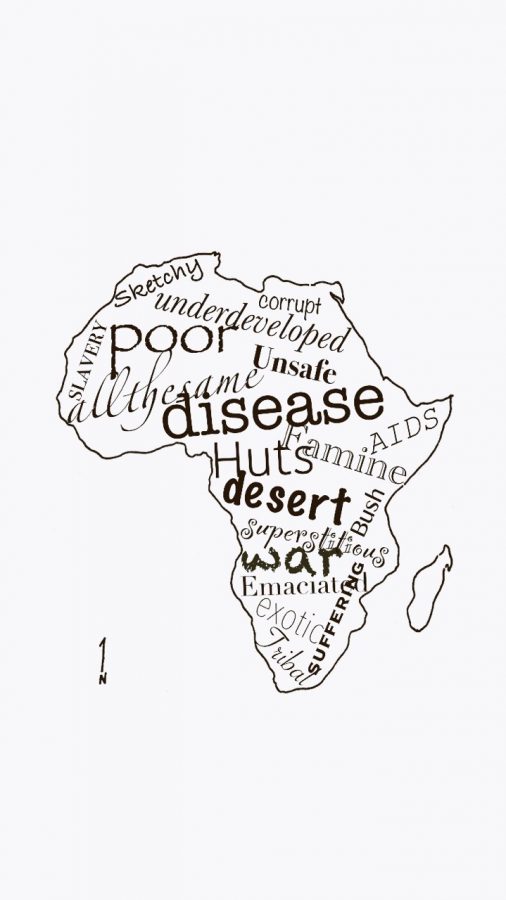
Global perceptions shape how Africa is seen worldwide. These views influence how people think about the continent’s culture, economy, and potential. Stereotypes often paint a one-sided image that affects many areas of life. Understanding the impact of these perceptions is key to changing the narrative about Africa.
Media Influence
Media plays a big role in forming global views about Africa. News often focuses on poverty, conflict, or disease. This narrow coverage creates a negative image. Positive stories about innovation, culture, and success receive less attention. Such imbalance leads to stereotypes that limit understanding.
Tourism And Investment Effects
Stereotypes affect tourism and foreign investment in Africa. Negative images make some people hesitant to visit or invest. This slows economic growth and job creation. Many miss out on Africa’s natural beauty and business opportunities. Changing these perceptions can boost tourism and attract more investors.
Changing Narratives
New voices are challenging old stereotypes about Africa. African writers, filmmakers, and entrepreneurs share diverse stories. They highlight progress, creativity, and resilience. Social media also helps spread these fresh perspectives globally. This shift encourages a more balanced and hopeful view of the continent.

Credit: euc.yorku.ca
Conclusion
Stereotypes about Africa hide its true beauty and strength. The continent holds rich cultures, amazing wildlife, and important history. Africa’s people and landscapes are diverse and full of life. Understanding the real Africa helps break down false ideas. Everyone benefits from seeing Africa beyond common myths.
This opens doors to respect and new opportunities. Let’s celebrate Africa’s diversity and reject simple labels. The story of Africa is complex and inspiring. It deserves honest attention and appreciation from the world.
