



When you think of Africa, what comes to mind? Vast deserts, wild animals, or rich cultures?
There’s so much more waiting to surprise you. Africa is a land full of wonders and stories that many people don’t know. From being the birthplace of humankind to holding the longest river and the largest hot desert, Africa’s facts will change how you see this amazing continent.
Ready to uncover fascinating truths that might just spark your curiosity and broaden your world? Let’s dive into some incredible facts about Africa that you won’t want to miss!
Size And Geography
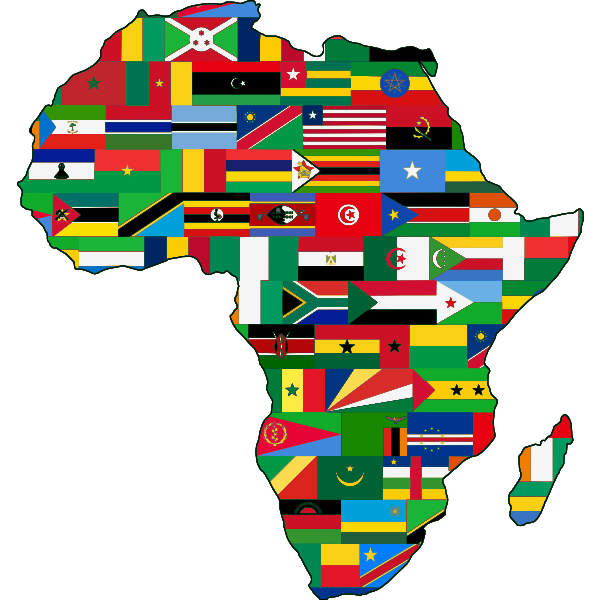
Africa is a vast continent with incredible size and diverse geography. It stretches across the equator and covers a large part of the Earth’s surface. The continent’s natural features shape its climate, wildlife, and human life.
From deserts to rivers, islands to mountains, Africa’s geography tells a fascinating story of nature and history. Its size and landscape make it unique among the continents.
Second-largest Continent
Africa is the second-largest continent after Asia. It spans about 30 million square kilometers. This huge area holds over 50 countries. The continent is home to more than one billion people. Its size impacts its climate zones and cultures.
Longest River: Nile
The Nile River is the longest river in the world. It runs over 6,650 kilometers through northeastern Africa. The river flows through 11 countries. It supports millions of people by providing water for farming and daily life. The Nile has shaped many ancient civilizations.
Largest Hot Desert: Sahara
The Sahara Desert is the largest hot desert on Earth. It covers about 9 million square kilometers in northern Africa. The desert is famous for its extreme heat and sand dunes. Few plants and animals can survive here. People have adapted to live in its harsh conditions for thousands of years.
Biggest Island: Madagascar
Madagascar is the biggest island in Africa. It lies in the Indian Ocean, off the continent’s southeast coast. The island covers about 587,000 square kilometers. Madagascar is known for its unique wildlife and plants. Many species live only on this island and nowhere else on Earth.
Credit: www.funkidslive.com
Human Origins
Africa holds a unique place in the story of human life. It is widely recognized as the origin of our species. The continent’s landscapes and fossils reveal key moments in early human history.
Scientists have found many ancient remains in Africa. These discoveries provide clues about how humans evolved over millions of years. Africa’s rich fossil record shows the journey from early ancestors to modern humans.
Cradle Of Humankind
The term “Cradle of Humankind” refers to a region in South Africa. This area contains many important fossil sites. These sites have yielded ancient human ancestors’ bones. Some fossils are over 3 million years old.
These discoveries show that early humans lived and developed here. The Cradle of Humankind offers a window into the past. It helps us understand where we come from and how we evolved.
Early Human Evolution
Early human evolution began in Africa. Fossils of species like Australopithecus and Homo habilis show early steps toward modern humans. These species walked upright and used simple tools.
Over time, early humans developed larger brains and complex behaviors. Africa’s environment shaped these changes. The continent’s diversity helped humans adapt and survive.
Today, Africa remains central to studying human origins. Its fossils and archaeological sites tell the story of our ancient past.
Population And Culture
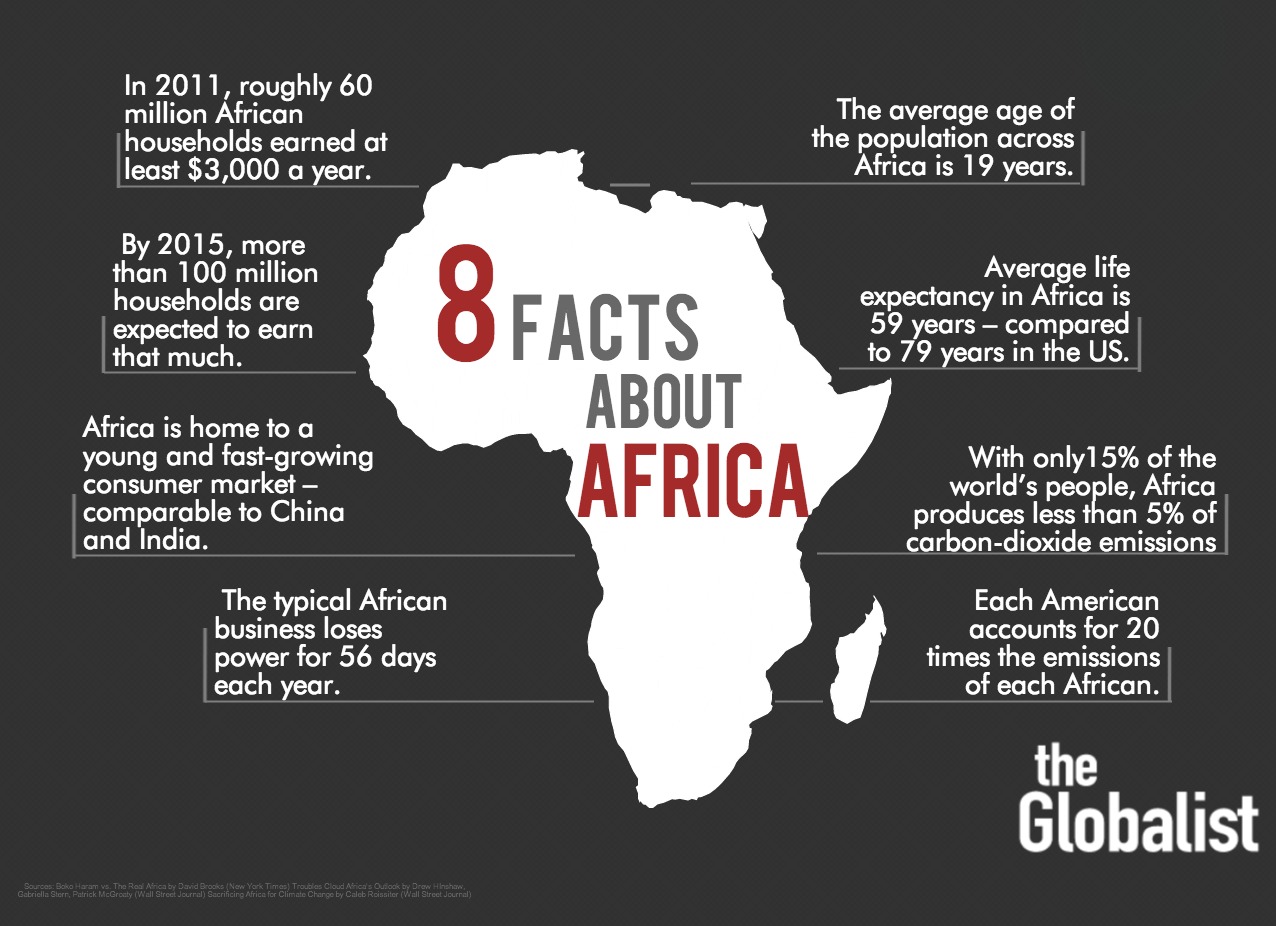
Africa’s population and culture paint a vibrant and diverse picture. The continent is home to more than 1.4 billion people. Its people are young, dynamic, and full of energy. African culture runs deep, shaped by centuries of history and tradition. This section explores key facts about Africa’s population and culture.
Youngest Population
Africa has the youngest population in the world. Over 60% of its people are under the age of 25. This youthfulness drives innovation and growth across the continent. Many African nations have a median age below 20 years. Young people contribute to vibrant communities and economies.
Linguistic Diversity
Africa is the most linguistically diverse continent. It has over 2,000 distinct languages spoken across its countries. Languages belong to several families like Afroasiatic, Niger-Congo, and Nilo-Saharan. Multilingualism is common in many African societies. Language plays a key role in cultural identity and heritage.
Cultural And Historical Icons
Africa boasts many cultural and historical icons known worldwide. Figures like Nelson Mandela symbolize peace and freedom. Ancient sites such as the Pyramids of Giza show advanced civilizations. Traditional music, dance, and art remain central to African life. These icons inspire pride and unity among Africans.
Credit: www.theglobalist.com
Unique Political Features
Africa’s political landscape holds many unique features. These features set the continent apart in global governance and diplomacy. Some countries showcase unusual political structures. Others have made historic decisions shaping global peace efforts.
This section explores two remarkable political aspects of Africa. It highlights South Africa’s unusual capital city arrangement. It also discusses a bold move toward nuclear disarmament.
Three Capital Cities In South Africa
South Africa has three official capital cities. Each city serves a distinct role in the government. Pretoria is the executive capital. It houses the president and government departments. Cape Town is the legislative capital. It hosts the national parliament. Bloemfontein is the judicial capital. It holds the Supreme Court of Appeal.
This division is rare worldwide. It reflects South Africa’s history and diversity. The system balances power across regions. It helps prevent dominance by one city. Tourists often find this political setup fascinating.
Nuclear Disarmament
South Africa is the only country to give up nuclear weapons voluntarily. In the early 1990s, it dismantled its entire nuclear arsenal. This bold step promoted peace and security. It set an example for other nations. This decision gained global praise and trust.
The move showed Africa’s commitment to disarmament. It strengthened international relations. South Africa remains a voice for nuclear non-proliferation today. This unique political stance highlights Africa’s role in global peace efforts.
Natural Wonders
Africa is a land filled with natural wonders that attract travelers and scientists alike. Its landscapes range from vast deserts to lush forests. These wonders tell stories about the Earth’s history and rich life. Exploring these sites reveals the continent’s beauty and diversity.
Biodiversity Hotspot
Africa hosts some of the richest biodiversity on the planet. It shelters many unique plants and animals found nowhere else. The Congo Basin and Madagascar are prime examples. These areas support thousands of species, many still undiscovered. Protecting these hotspots is crucial for global biodiversity.
Geological Marvels
The continent holds remarkable geological features that shape its terrain. Volcanoes, rift valleys, and ancient rock formations are common. These structures offer clues about Earth’s formation and natural forces. Africa’s geology is a playground for researchers and adventurers.
Table Mountain
Table Mountain stands as one of Africa’s most iconic landmarks. This flat-topped mountain overlooks Cape Town with stunning views. Its unique shape and rich flora attract visitors year-round. The mountain is also a sacred site for local communities.
Vredefort Dome
The Vredefort Dome is the largest known meteorite impact site on Earth. It formed over two billion years ago and is located in South Africa. This ancient crater offers insights into cosmic events and Earth’s early history. Scientists study it to understand planetary impacts better.

Credit: www.youtube.com
Record-breaking Facts
Africa is a land of incredible records and firsts. The continent hosts many natural and man-made wonders that stand out worldwide. Some of these achievements show Africa’s unique place in the world.
These record-breaking facts highlight Africa’s diverse landscape and rich culture. Each fact tells a story of adventure, history, or innovation.
Highest Commercial Bungee Jump
Africa is home to the world’s highest commercial bungee jump. It is located at Bloukrans Bridge in South Africa. The jump height is 216 meters (709 feet). This thrilling experience attracts adventurers from around the globe. It offers breathtaking views of the Tsitsikamma forest and river below. The Bloukrans Bridge jump holds a Guinness World Record for its height. This spot blends natural beauty with extreme sport perfectly.
Notable Achievements
Africa has many notable achievements beyond adventure sports. South Africa is the only country to give up nuclear weapons voluntarily. The Vredefort Dome in South Africa is the largest confirmed meteorite impact site on Earth. Table Mountain near Cape Town is one of the oldest mountains worldwide. Africa also boasts a unique three-capital system in South Africa. Pretoria, Cape Town, and Bloemfontein share executive, legislative, and judicial roles.
These facts reflect Africa’s rich heritage and natural marvels. They show how Africa has shaped global history and science. The continent continues to inspire with its record-breaking wonders.
Historical And Unesco Sites
Africa holds a rich tapestry of history visible through its numerous historical and UNESCO World Heritage sites. These sites tell stories of ancient civilizations, cultural achievements, and natural wonders. Exploring them offers a glimpse into the continent’s diverse past and heritage.
From ancient ruins to vibrant townships, Africa’s historical sites attract scholars and travelers alike. Many locations preserve unique traditions and legacies that span thousands of years. They reveal the strength and resilience of African cultures across time.
Extensive Unesco Listings
Africa boasts over 100 UNESCO World Heritage sites across its countries. These sites include archaeological remains, natural parks, and architectural marvels. For example, the Pyramids of Giza in Egypt stand as a testament to ancient engineering.
Other notable sites include the Rock-Hewn Churches of Lalibela in Ethiopia and the historic city of Timbuktu in Mali. These places preserve religious, educational, and cultural history. Several natural sites like the Okavango Delta in Botswana show Africa’s ecological diversity.
UNESCO sites in Africa highlight the continent’s global importance. They support conservation and promote sustainable tourism. Each site tells a unique story about the people and environments that shaped Africa.
Nelson Mandela And Desmond Tutu
Two iconic figures in African history, Nelson Mandela and Desmond Tutu, symbolize peace and justice. Both lived in South Africa during the apartheid era. Their homes and workplaces have become significant historical sites.
Mandela’s former prison on Robben Island is now a museum. It represents the struggle against racial segregation and oppression. Desmond Tutu’s church and community work in Johannesburg also draw visitors. They inspire hope and reconciliation.
These men’s legacies connect history with modern-day values. Their sites remind visitors of Africa’s fight for freedom and human rights. They also emphasize forgiveness and unity as keys to progress.
Names And Origins
Africa’s names reveal a rich history shaped by different cultures and eras. Each name reflects how people viewed this vast continent. Understanding these names helps us appreciate Africa’s diverse heritage.
Origin Of ‘africa’
The name “Africa” likely comes from the Latin word “Africus,” meaning “sunny” or “warm.” Romans used it to describe the land south of the Mediterranean Sea. Another theory links it to the ancient tribe called the Afri, who lived in North Africa.
Ancient Names: Aethiopia And Libya
Ancient Greeks called parts of Africa “Aethiopia,” meaning “burnt face,” for people with darker skin. This name covered large areas south of Egypt. “Libya” was another ancient term, used for the region west of the Nile, roughly modern-day North Africa.
Alkebulan And Other Terms
Before “Africa,” some say the continent was called “Alkebulan,” meaning “mother of mankind” or “garden of Eden.” This name comes from African oral traditions. Other ancient names include “Punt” and “Ta-Netjer,” used by Egyptians for parts of Africa.
Arabic Name: Bilad As-sudaan
In Arabic, Africa was called “Bilad as-Sudaan,” meaning “Land of the Blacks.” This name referred to the vast regions south of the Sahara Desert. It highlights the diversity and history of people living in those areas.
Conclusion
Africa is a land full of wonders and rich history. Its diverse cultures and landscapes make it unique. From vast deserts to lively cities, Africa offers much to explore. The continent continues to grow with a young and dynamic population.
Learning these facts helps us appreciate Africa’s global importance. Keep discovering more about this amazing continent and its stories.
