


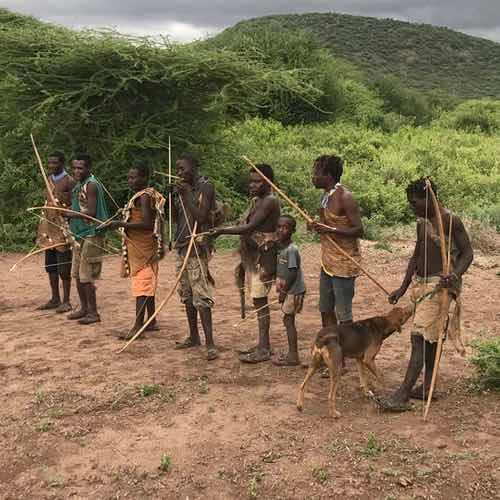
Tanzania, a land of stunning landscapes and diverse cultures, has always been on my travel bucket list. In 2022, I embarked on an adventure that exposed me to the country’s breathtaking natural beauty and helped to immerse myself in the rich traditions and lifestyles of three distinct indigenous groups: the Masai, Bushmen, and Wacha. Join me as I share my personal experiences and insights from this unforgettable journey through Tanzania’s cultural tapestry.

Table of contents: ()
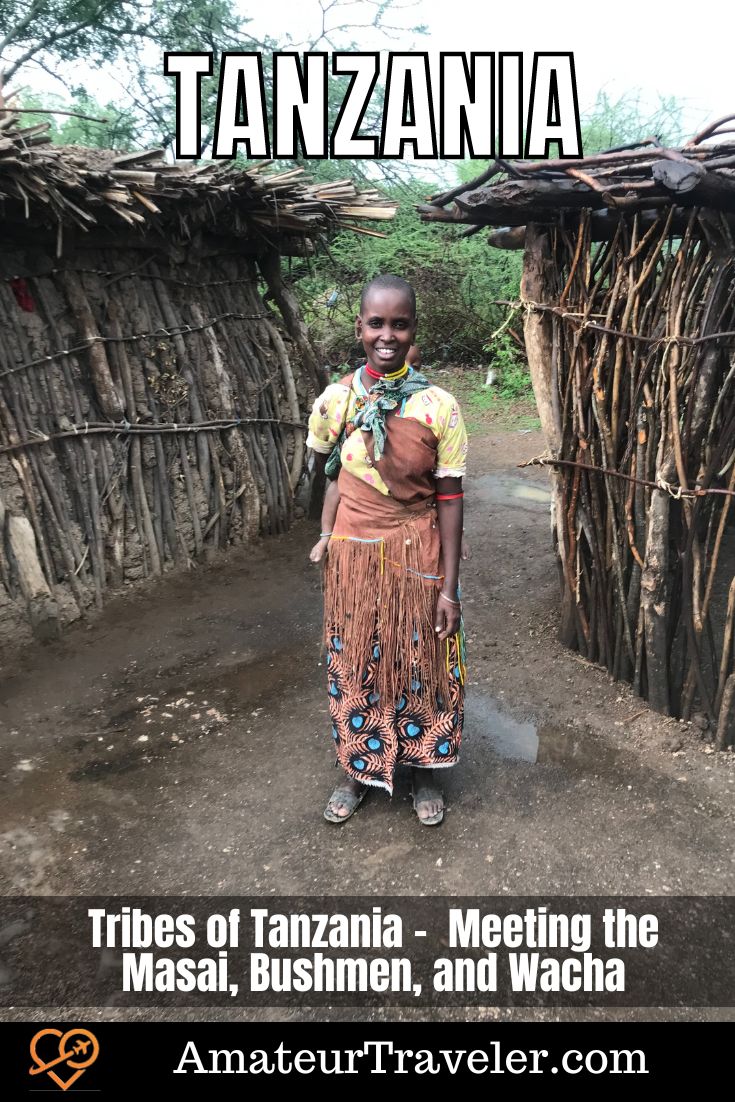
Meeting the Masai: Guardians of the Savanna
The Masai people, their nomadic lifestyle, striking red attire, and the savannas of East Africa are remarkable. My first encounter with them was in the Ngorongoro Conservation Area, where they graciously opened their village to visitors like me.
- The Warm Welcome: Upon arrival at the Masai village, I was greeted with smiles and warm hospitality. The villagers, curious about our presence, made us feel like part of their community from the moment we stepped foot in their village.
- The Masai Way of Life: Living in mud and dung huts called “manyattas,” the Masai people showed me their traditional way of life. I was amazed by their self-sufficiency and resourcefulness, making everything from clothing to tools using natural materials.
- Dancing with the Warriors: One of the most memorable moments was joining the Masai warriors in their energetic dance, known as the jumping dance. The unique dance by the warriors displayed their strength and agility. I couldn’t resist the invitation to jump alongside them, even though my leaps paled in comparison!
- Cattle as Currency: Cattle hold immense significance in Masai culture. I learned that a person’s wealth is often measured by the size of their cattle herd. The Masai believe that God gave them all the cattle on Earth, which they are tasked with protecting.
Living with the Bushmen: The Keepers of Ancient Wisdom
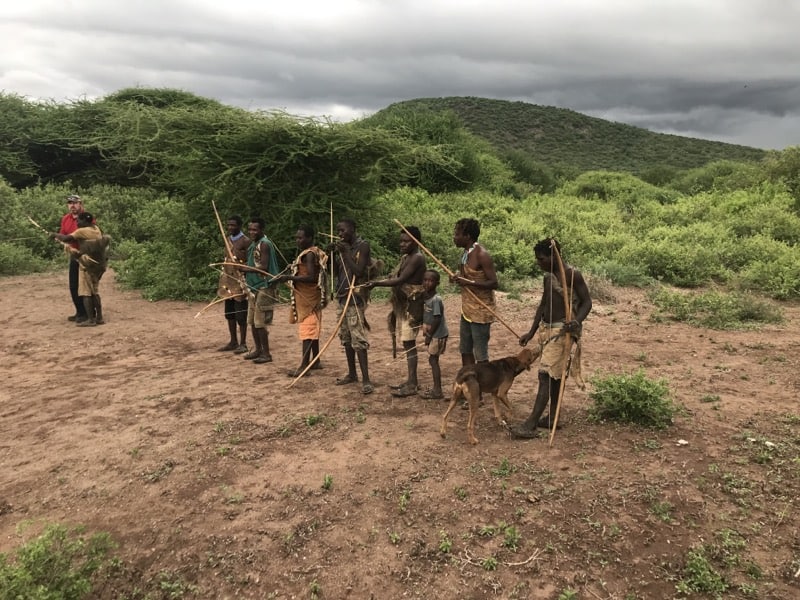
Venturing deeper into Tanzania, I had the privilege of spending time with the Hadzabe (also known as the Bushmen), one of the oldest indigenous groups on the planet. Here’s a glimpse into my time with these remarkable people:
- Hunter-Gatherer Lifestyle: The Bushmen, also known as the San people, continue to practice their traditional hunter-gatherer way of life in the remote regions of Tanzania. Living off the land, they shared their deep knowledge of the natural world.
- Tracking Skills: Bushmen are renowned for their incredible tracking abilities. I joined a group of Bushmen on a tracking expedition, and it was astonishing to witness their knack for reading the signs left by animals in the wilderness. We successfully tracked a family of elephants, which was an unforgettable experience.
- Ancient Stories and Art: Sitting around a campfire, the Bushmen shared stories passed down through generations. They also introduced me to their unique form of rock art, which dates back thousands of years and provides insights into their spiritual beliefs and daily lives.
- Harmonious Living: What struck me most about the Bushmen was their harmonious relationship with nature. They taught me that the land isn’t something to be conquered but a part of their identity and spirituality. Their sustainable practices and reverence for the environment left a lasting impression on me.
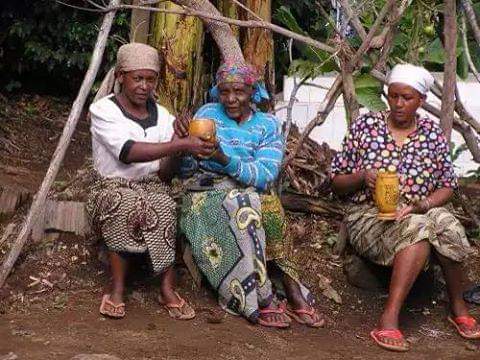
Connecting with the Wacha: The Enigmatic People of Lake Eyasi
The Wacha, a lesser-known indigenous group, reside near Lake Eyasi in Tanzania. Meeting them was a captivating experience that revealed the challenges and resilience of their way of life:
- The Wacha’s Fishing Traditions: The Wacha people primarily rely on fishing for their livelihood. I spent a day with them on traditional fishing boats, learning how they use nets and their extensive knowledge of the lake’s ecology to sustain their communities.
- Languages and Culture: The Wacha speak a unique language and have distinct cultural practices. Despite language barriers, their warm smiles and willingness to communicate through gestures and laughter made me feel welcome.
- Challenges of Modernization: The Wacha’s traditional way of life faces challenges from modernization and environmental changes. They shared their concerns about declining fish populations and the need to adapt while preserving their heritage.
- Visiting Their Homes: I had the opportunity to visit Wacha homes along the shores of Lake Eyasi. The simplicity of their dwellings contrasted sharply with the modern world but highlighted the beauty of a life deeply connected to nature.
Crossing Paths: Why I Met with the Masai, Bushmen, and Wacha in Tanzania
My decision to meet with the Masai, Bushmen, and Wacha was fueled by a deep desire to learn, respect, and celebrate the indigenous communities that call this remarkable country home.
A Yearning for Authentic Encounters
Before I delved into my expedition to meet these indigenous communities, I found myself increasingly disillusioned with what modern travel had become. The era of superficial tourism, marked by crowded selfie spots and a rush to the next must-see attraction, left me craving for something more profound. I yearned for authentic encounters that transcended the surface of a place and offered a glimpse into the lives, traditions, and stories of the people who inhabited it.
Tanzania, with its rich cultural diversity and stunning natural landscapes, beckoned as the ideal destination for this quest. Here, I could not only witness the breathtaking beauty of the land but also engage with indigenous communities whose centuries-old traditions remain intertwined with the very essence of the country. The Masai, Bushmen, and Wacha represented my path to authentic, meaningful travel.
Top Highlights of My Experience
Meeting the Masai, Bushmen, and Wacha in Tanzania during the dry season was a journey filled with remarkable highlights. Each indigenous group offered unique experiences that deepened my understanding of their traditions and the natural environments they call home.

Maasai Boma
1. The Masai’s Vibrant Cultural Showcase
One of the top highlights of my journey was the vibrant cultural showcase put on by the Masai people during the dry season. Their open-hearted welcome and colorful ceremonies left an indelible mark on my memory.
The Masai Jumping Dance, known as the “adumu,” was a captivating spectacle. I had the honor of joining the warriors in this dance, where the rhythmic jumps reached impressive heights. The dance symbolizes strength, and participating in it felt like stepping into the heart of Masai masculinity.
Visiting the Manyattas, the traditional mud and dung huts where the Masai reside, was an insightful experience. Learning how these homes are constructed and decorated with intricate beadwork and cowhide furnishings revealed the Masai’s resourcefulness and craftsmanship.
Another memorable moment was witnessing a Masai Naming Ceremony. The community came together to celebrate the naming of a newborn, complete with singing, dancing, and blessings. It was a beautiful expression of their close-knit social bonds and cultural continuity.
Hadzabe
2. Bushmen Tracking Expeditions
Venturing into the wilderness with the Bushmen for tracking expeditions was an exhilarating and educational experience. These remarkable trackers demonstrated their deep connection to nature and showcased their unparalleled tracking skills during the dry season.
Tracking wildlife alongside the Bushmen, I marveled at their ability to read the signs left by animals. We successfully saw elephants, zebras, and other wildlife, and their knowledge about animal behavior and landscape was awe-inspiring.
Exploring ancient Rock Art Sites was another highlight. The Bushmen’s rock paintings and engravings, dating back thousands of years, told stories of their history, spirituality, and daily life. Standing in front of the age-old creations, I felt a profound connection to human history and the significance of preserving cultural heritage.
Hadzabe woman
3. Immersing in Wacha Fishing Traditions
The dry season allowed me to immerse myself in the traditional fishing traditions of the Wacha people, who reside near Lake Eyasi. This experience was filled with both cultural insights and natural beauty.
Joining the Wacha fishermen on their boats during the dry season was an eye-opening adventure. They shared their Fishing Techniques, which relied on hand-woven nets, and their extensive knowledge of the lake’s ecology. Observing their sustainable practices and understanding their reliance on the lake highlighted their deep connection to the environment.
Lake Eyasi is a haven for Birdwatching, especially during the dry season when migratory birds flock to the region. I was captivated by the diverse avian species and the Wacha’s profound appreciation for the ecological richness of their home.
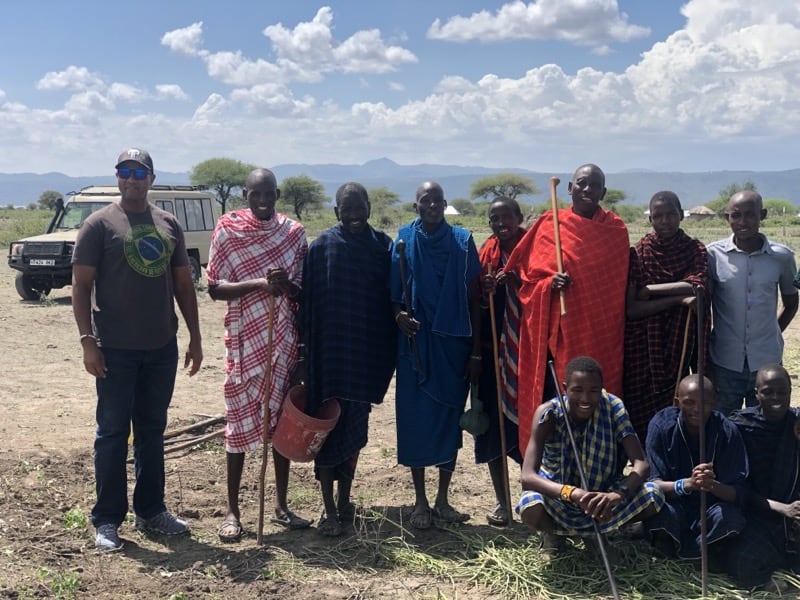
4. Meaningful Cultural Exchanges
Throughout my journey- I enjoyed engaging in meaningful cultural exchanges with the Masai, Bushmen, and Wacha. These interactions provided insights into their worldviews, challenges, and aspirations.
With the Masai, I engaged in discussions about their role as Guardians of the Savanna. They shared their concerns about the impact of modernization and tourism on their way of life. Listening to their stories, I gained a deeper appreciation for the resilience and adaptability that defined their culture.
The Bushmen shared their knowledge of Medicinal Plants, demonstrating the essential role these plants played in their healthcare system. Their herbal remedies and healing practices underscored the Bushmen’s profound understanding of their natural surroundings.
Conversations with the Wacha allowed me to learn about their unique Language and Culture. Despite language barriers, we communicated through gestures and shared laughter, fostering a connection that transcended words.

Ngorongoro Crater
5. Wildlife Encounters
The dry season in Tanzania not only facilitated cultural experiences but also…
