



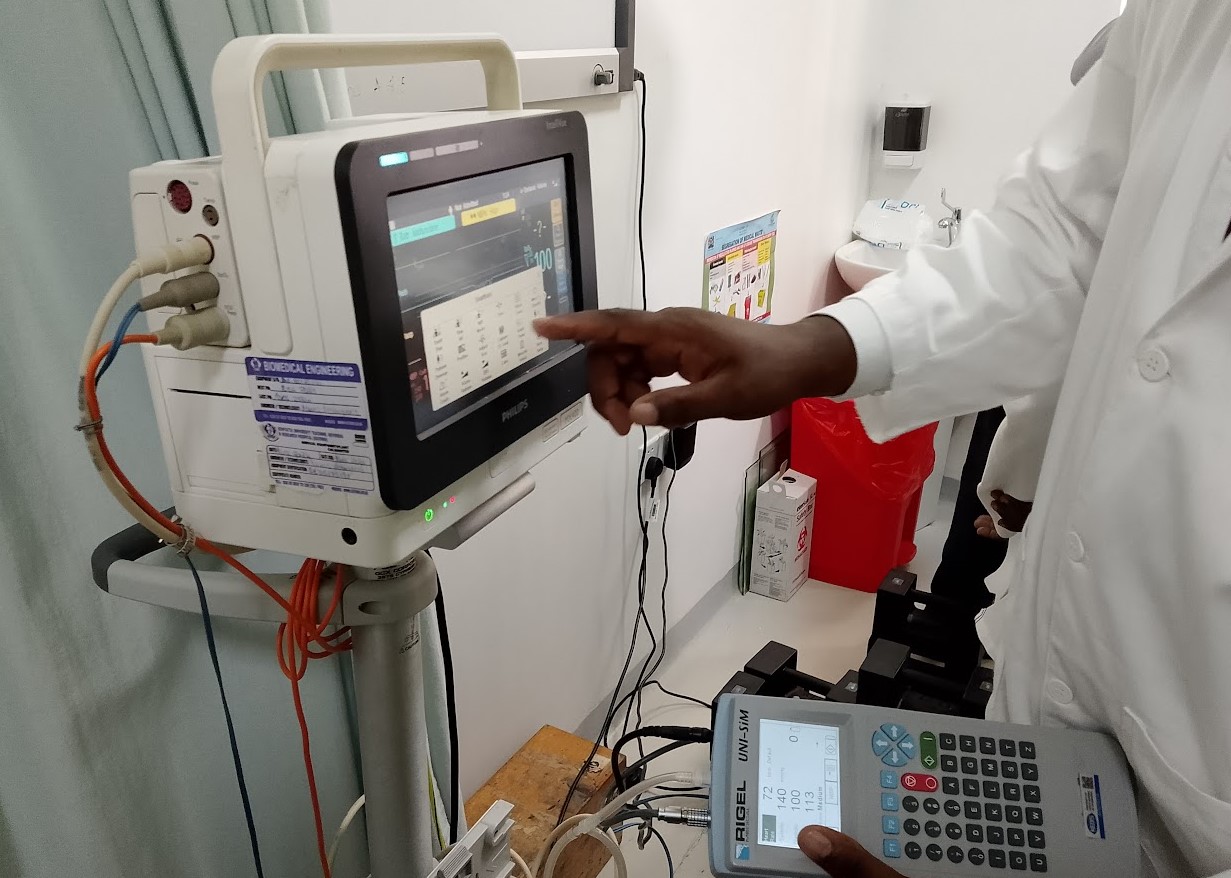
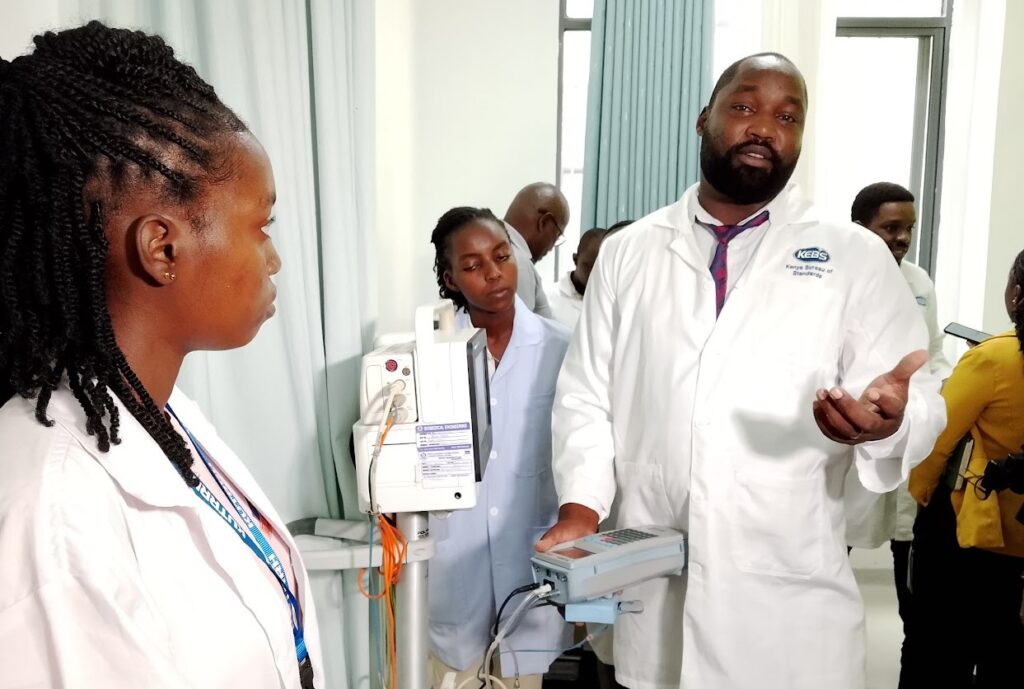
Kenya Bureau of Standards calibrating medical equipment at Kenyatta University Teaching, Referral and Research Hospital.
Read 4 minutes
Celebrated on May 20 each year, World Metrology Day provides an opportunity to recognize the vital role of measurement science in ensuring the accuracy, consistency, and traceability of equipment worldwide.
More critically, metrology is at the center of the global health sector’s core responsibility of saving lives.
In Africa, millions of people seek treatment every day for a wide range of health conditions. Countries across the continent have been intensifying efforts to achieve universal health coverage, and the essential yet often-overlooked science of measurement is gaining renewed attention.
Accurate calibration of medical equipment is fundamental to reliable diagnoses and effective treatments. From blood pressure monitors to imaging machines, precise measurements underpin nearly every aspect of patient care.
On World Metrology Day 2025, the importance of proper calibration in the health sector is taking center stage.
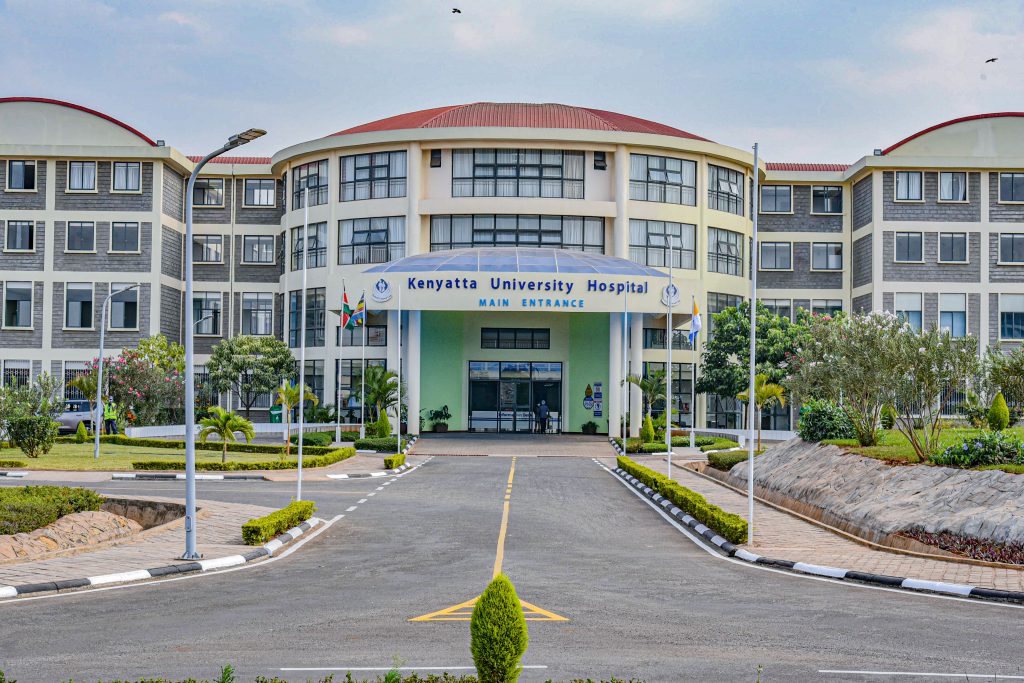
In Kenya, for instance, the Kenya Bureau of Standards (KEBS) and the Kenyatta University Teaching, Referral, and Research Hospital (KUTRRH) in Nairobi are collaborating to ensure precise calibration of health equipment.
KUTRRH, a Level 6 facility and one of Sub-Saharan Africa’s largest referral hospitals, serves patients from 22 African nations, including Tanzania, Uganda, the Democratic Republic of Congo, Malawi, and Gabon.
“Our facilities must meet international standards to provide quality care for such a diverse patient base,” said Dr. Onyimbo Kerama, Director of Clinical Services at KUTRRH. The hospital handles complex cases such as cancer treatment and relies on precisely calibrated equipment to deliver safe, accurate, and tailored therapies.
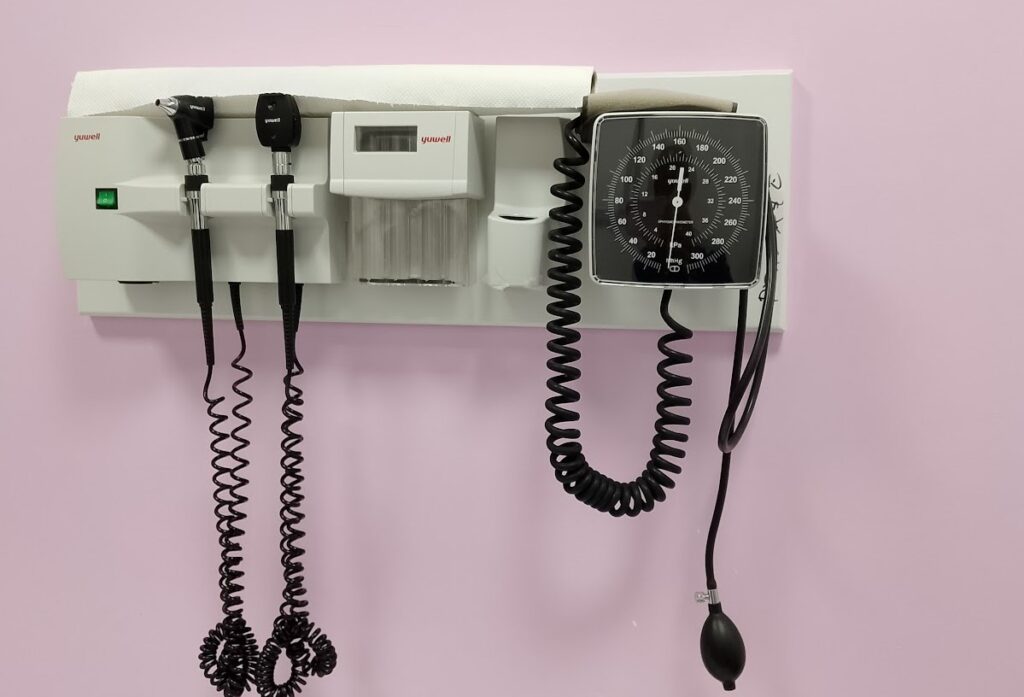
Recently, KEBS conducted a comprehensive calibration exercise at KUTRRH, focusing on critical devices such as weighing scales, thermometers, blood pressure monitors, and imaging systems.
“Our mission is to ensure that medical equipment in hospitals across the country is properly maintained and accurately calibrated to deliver trustworthy results,” Richard Adak, KEBS Head of Temperature Calibration, told CGTN.
Inaccuracies in measurements, however small, can lead to dangerous consequences. A miscalibrated scale or radiation machine, for instance, could result in incorrect drug dosages or ineffective cancer treatments, potentially putting lives at risk.
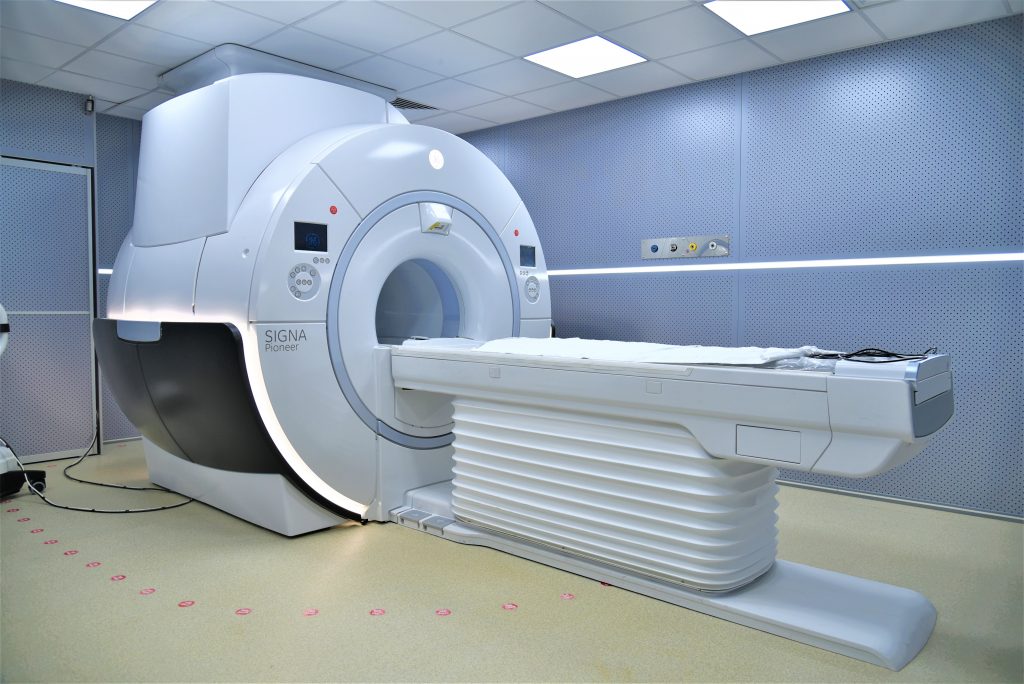
At KUTRRH, where nearly 80 percent of patients seek cancer care, precision is non-negotiable.
“Cancer treatment is a matter of life and death,” Dr. Kerama explains. “Well-calibrated equipment ensures we deliver the right radiation or chemotherapy doses, whether for pediatric or adult patients.”
The need is growing: the World Health Organization projects that Africa will see 1.1 million new cancer cases annually by 2030, underscoring the urgency of this issue.
KEBS calibrates equipment according to global standards set by the International Bureau of Weights and Measures in Paris, helping ensure that facilities across Kenya—from urban centers to rural clinics—deliver care that meets international benchmarks.
Still, significant challenges remain. According to Adak, two key obstacles are a general lack of awareness—among both healthcare providers and the public—about the importance of calibration, and limited resources in many African hospitals.
“Many facilities lack the expertise or funding to routinely maintain and calibrate equipment, especially after years of use,” he noted.
This often results in outdated or inaccurate devices, compromising patient safety and treatment outcomes.
Despite these hurdles, KEBS’s efforts are making a measurable impact. By calibrating equipment at leading hospitals like KUTRRH, they are not only enhancing care for Kenyans but also for thousands of patients from neighboring countries who rely on Kenya’s healthcare system. KEBS envisions this approach being replicated across the continent, advancing Africa’s broader push for universal health coverage, a key goal of the African Union’s Agenda 2063.
Beyond patient care, accurate metrology also strengthens medical research. Reliable data from calibrated equipment supports clinical trials, informs diagnostic advancements, and enables the development of new therapies tailored to Africa’s unique health challenges—including infectious diseases and the rising tide of non-communicable conditions like cancer and diabetes.
To bridge the remaining gaps, KEBS advocates for increased investment in training programs for healthcare workers and technicians, as well as public awareness campaigns highlighting the life-saving importance of metrology. Strategic partnerships with international organizations could also offer critical funding and technical expertise to equip under-resourced facilities.
“Every accurate measurement saves lives,” Adak emphasized. “By prioritizing metrology, Africa can build a stronger, safer, and more equitable healthcare system.”
As the continent progresses toward the promise of universal healthcare, initiatives like the KEBS-KUTRRH collaboration serve as a compelling blueprint. Ensuring that every medical device produces precise, reliable, and traceable data is not just a technical requirement—it is a moral imperative for the health and well-being of millions.
Post Views: 382
