



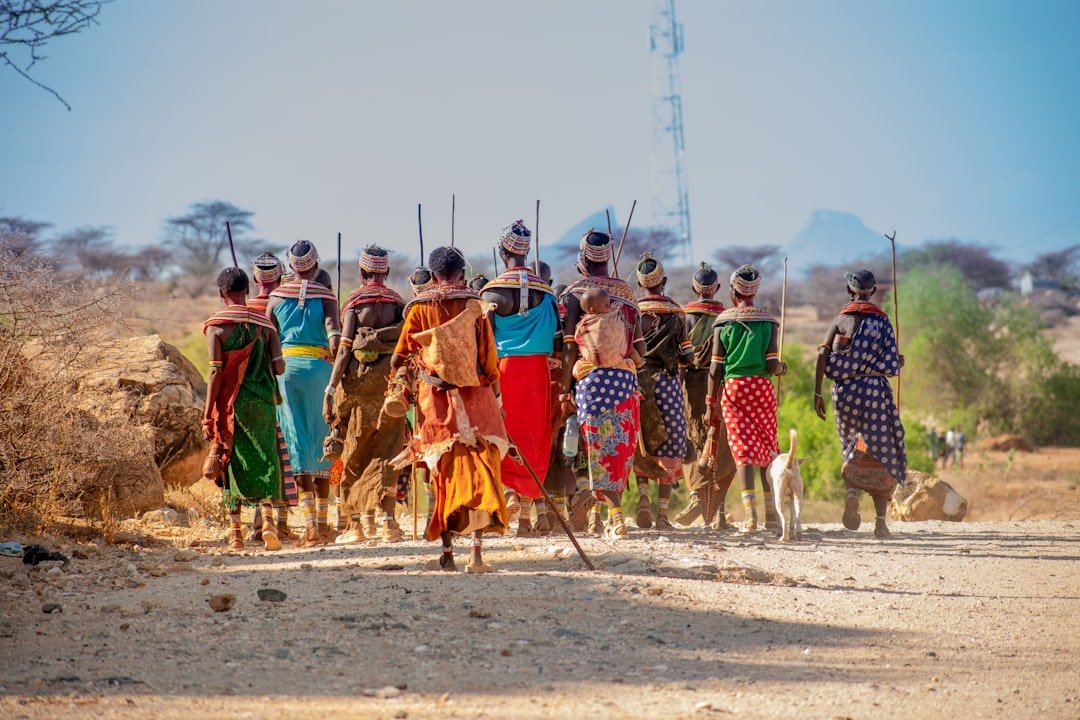
The history of women’s rights in Africa is a complex tapestry woven from diverse cultural, social, and political threads. Traditionally, many African societies recognized the vital roles women played in their communities, often as custodians of culture and family. In pre-colonial times, women held significant power in various forms, from economic participation in agriculture and trade to leadership roles in certain ethnic groups.
For instance, among the Akan people of Ghana, women could inherit property and were influential in local governance. However, the advent of colonialism disrupted these traditional structures, imposing foreign legal systems that often marginalized women’s rights. The struggle for women’s rights gained momentum in the 20th century, particularly post-independence.
The 1960s and 1970s saw a wave of decolonization across the continent, which also sparked movements advocating for gender equality. Women played crucial roles in liberation struggles, yet their contributions were frequently overlooked in the subsequent nation-building processes. The establishment of organizations such as the African Women’s Development and Communication Network (FEMNET) in 1988 marked a significant step towards uniting women across the continent to advocate for their rights.
This period also saw the emergence of feminist movements that sought to challenge patriarchal norms and push for legal reforms.
The Challenges Faced by Women in Africa
Despite the progress made over the decades, women in Africa continue to face a myriad of challenges that hinder their full participation in society. One of the most pressing issues is gender inequality, which manifests in various forms, including limited access to education, healthcare, and economic opportunities. In many regions, cultural norms dictate that women prioritize domestic responsibilities over personal development, leading to high dropout rates among girls.
For example, in countries like Niger and Chad, girls are often married off at a young age, significantly curtailing their educational prospects and perpetuating cycles of poverty. Moreover, women in Africa frequently encounter systemic barriers that restrict their rights and freedoms. Legal frameworks in some countries still reflect outdated views on gender roles, allowing practices such as child marriage and female genital mutilation to persist.
Additionally, women often lack representation in decision-making processes at both local and national levels. This underrepresentation not only limits their ability to influence policies that affect their lives but also perpetuates a cycle of disenfranchisement. The intersectionality of these challenges—where factors such as ethnicity, socioeconomic status, and geographic location compound the difficulties faced by women—further complicates the quest for gender equality.
Legal and Policy Frameworks for Women’s Rights in Africa
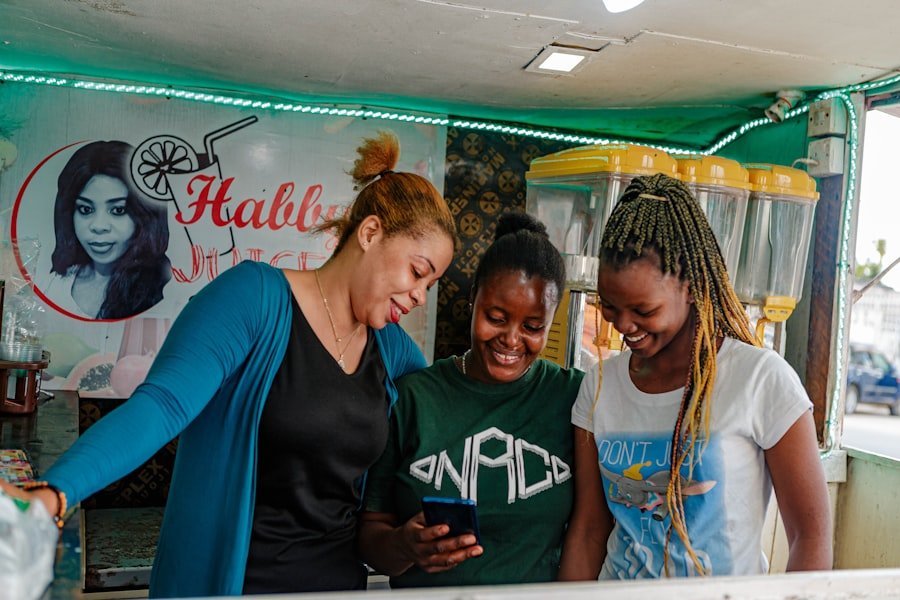
The legal landscape regarding women’s rights in Africa is characterized by a mix of progressive frameworks and persistent gaps. Many African nations have ratified international treaties aimed at promoting gender equality, such as the Convention on the Elimination of All Forms of Discrimination Against Women (CEDAW) and the African Charter on Human and Peoples’ Rights. These instruments provide a foundation for advocating women’s rights at both national and regional levels.
However, the implementation of these laws often falls short due to inadequate enforcement mechanisms and a lack of political will. In several countries, national constitutions enshrine gender equality as a fundamental right. For instance, South Africa’s Constitution explicitly prohibits discrimination based on gender and promotes equality.
Yet, despite these legal protections, women continue to face significant barriers in accessing justice. Cultural attitudes often discourage women from seeking legal recourse for violations of their rights, while judicial systems may be ill-equipped to handle cases related to gender-based violence or discrimination effectively. The challenge lies not only in creating robust legal frameworks but also in ensuring that these laws translate into tangible improvements in women’s lives.
The Role of Women in African Society
Women have historically played multifaceted roles within African societies, contributing significantly to economic development, cultural preservation, and social cohesion. In many communities, women are the backbone of agricultural production, responsible for cultivating crops and managing household food security. Their contributions are often undervalued or overlooked in economic statistics, leading to a lack of recognition for their vital role in sustaining families and communities.
Beyond economic contributions, women are also key players in cultural transmission and community leadership. In various ethnic groups, women serve as custodians of oral traditions, passing down stories, songs, and rituals that shape cultural identity. Additionally, women have increasingly taken on leadership roles within civil society organizations and grassroots movements, advocating for social change and community development.
Their involvement is crucial not only for advancing women’s rights but also for fostering inclusive governance that reflects the diverse voices within society.
The Impact of Colonialism on Women’s Rights in Africa
Colonialism had profound implications for women’s rights in Africa, reshaping social structures and legal systems in ways that often marginalized women’s roles. Colonial powers imposed foreign legal frameworks that disregarded indigenous customs and practices that had previously afforded women certain rights and privileges. For instance, land tenure systems were altered to favor male ownership, stripping many women of their access to land and resources that were essential for their economic independence.
The legacy of colonialism continues to influence contemporary gender dynamics across the continent. Many post-colonial governments inherited legal systems that perpetuated gender inequality, leading to a disconnect between women’s rights enshrined in law and the realities faced by women on the ground. Furthermore, colonial narratives often portrayed African women as oppressed victims needing rescue rather than as active agents of change within their societies.
This perception has persisted in some international discourses surrounding African women’s rights, complicating efforts to address gender inequality effectively.
Women’s Participation in Politics and Decision-Making in Africa
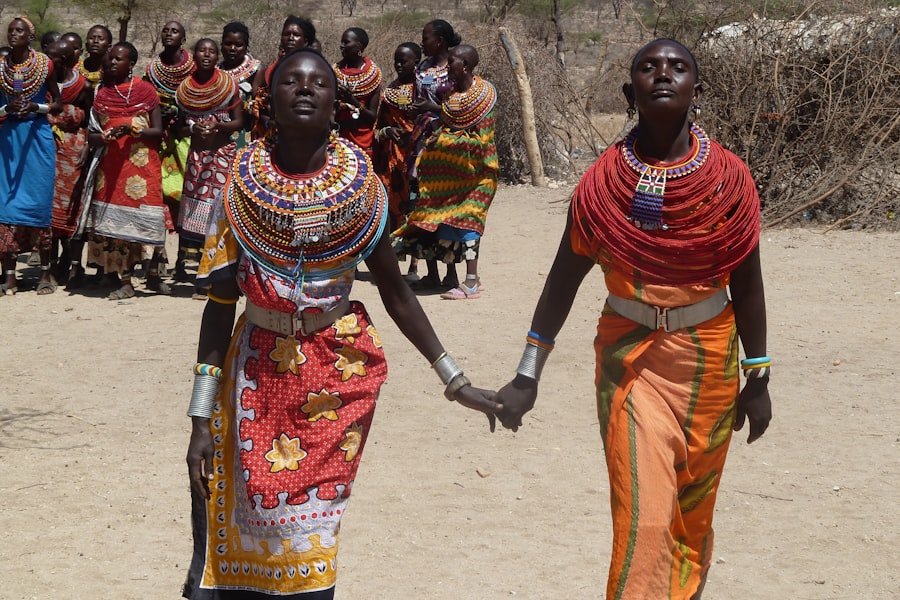
Women’s participation in politics is crucial for achieving gender equality and ensuring that women’s voices are heard in decision-making processes. Over the past few decades, there has been a notable increase in women’s representation in political offices across Africa. Countries like Rwanda have made significant strides; as of 2021, Rwanda boasts one of the highest percentages of women in parliament globally, with women holding over 60% of seats.
This remarkable achievement is largely attributed to constitutional mandates that promote gender parity and targeted policies aimed at increasing women’s political participation. However, despite these advancements, challenges remain pervasive. Women often face significant barriers when entering politics, including societal attitudes that question their leadership capabilities and systemic obstacles such as lack of funding for campaigns.
Additionally, political parties may not prioritize women’s issues or provide adequate support for female candidates. The underrepresentation of women in political leadership positions can lead to policies that fail to address the unique needs and concerns of women, perpetuating cycles of inequality.
Gender-Based Violence and Discrimination in Africa
Gender-based violence (GBV) remains a critical issue affecting women across Africa, manifesting in various forms such as domestic violence, sexual assault, and harmful traditional practices like female genital mutilation (FGM). The prevalence of GBV is alarming; according to the World Health Organization (WHO), approximately one in three women globally experiences physical or sexual violence during their lifetime. In many African countries, cultural norms often normalize violence against women or stigmatize survivors, making it difficult for them to seek help or report incidents.
Efforts to combat GBV have gained traction through advocacy campaigns and legal reforms aimed at protecting women’s rights. However, implementation remains inconsistent due to inadequate resources and societal attitudes that perpetuate discrimination against women. For instance, while laws may exist to protect women from violence, enforcement can be weak or biased against survivors.
Additionally, access to support services such as shelters or counseling is often limited, particularly in rural areas where resources are scarce.
Economic Empowerment of Women in Africa
Economic empowerment is a critical component of advancing women’s rights in Africa. Women’s economic participation not only contributes to individual well-being but also drives broader economic growth and development within communities and nations. Initiatives aimed at promoting women’s entrepreneurship have gained momentum across the continent; programs providing training, access to credit, and market opportunities have proven effective in enabling women to start businesses and achieve financial independence.
However, significant barriers persist that hinder women’s economic empowerment. In many regions, women face challenges related to access to land ownership, credit facilities, and formal employment opportunities. Cultural norms may dictate that men are the primary breadwinners, limiting women’s ability to engage fully in economic activities outside the home.
Addressing these barriers requires comprehensive strategies that include legal reforms to ensure equal access to resources and targeted programs that support women’s participation in various sectors.
Health and Reproductive Rights of Women in Africa
Health and reproductive rights are fundamental aspects of women’s rights that significantly impact their overall well-being and quality of life. Access to healthcare services is essential for ensuring that women can make informed choices about their reproductive health. However, many women across Africa face significant obstacles in accessing healthcare services due to factors such as poverty, geographic location, and cultural stigma surrounding reproductive health issues.
Maternal health remains a pressing concern; according to UNICEF data from 2021, sub-Saharan Africa accounts for a substantial proportion of global maternal deaths. Efforts to improve maternal health outcomes have included initiatives aimed at increasing access to prenatal care and skilled birth attendants during delivery. Additionally, comprehensive sexual education programs are crucial for empowering young women with knowledge about their reproductive rights and health options.
The Role of Non-Governmental Organizations in Advancing Women’s Rights in Africa
Non-governmental organizations (NGOs) play a pivotal role in advancing women’s rights across Africa by advocating for policy changes, providing support services, and raising awareness about gender issues. Many NGOs focus on specific areas such as education, health care access, or combating gender-based violence. For instance, organizations like Women for Women International provide training programs aimed at empowering women economically while also addressing social issues such as domestic violence.
NGOs often serve as critical intermediaries between communities and government institutions, facilitating dialogue on women’s rights issues and holding authorities accountable for implementing policies aimed at promoting gender equality. Their grassroots approach allows them to tailor interventions based on local needs while amplifying women’s voices within broader advocacy efforts.
The Future of Women’s Rights in Africa
The future of women’s rights in Africa hinges on continued advocacy efforts aimed at dismantling systemic barriers while promoting gender equality across all sectors of society. As awareness grows regarding the importance of women’s empowerment for sustainable development, there is potential for transformative change at both local and national levels. Engaging men as allies in the fight for gender equality is crucial; initiatives that promote positive masculinity can help shift cultural norms surrounding gender roles.
Furthermore, leveraging technology presents new opportunities for advancing women’s rights; digital platforms can facilitate access to information about legal rights or provide support networks for survivors of violence. As African nations continue to navigate complex socio-political landscapes shaped by globalization and climate change, prioritizing women’s rights will be essential for building resilient communities capable of thriving amidst challenges. In conclusion, while significant strides have been made towards advancing women’s rights across Africa over the past few decades—marked by increased political representation and growing awareness around issues such as gender-based violence—much work remains ahead.
Addressing entrenched cultural norms alongside systemic inequalities will be vital for ensuring that future generations of African women can fully realize their rights and potential within society.
In the ongoing struggle for women’s rights in Africa, it is essential to highlight the various challenges and advancements being made across the continent. For a deeper understanding of the socio-political landscape affecting women’s rights, you can read the article on the impact of cultural factors on gender equality in Africa. This article provides valuable insights into the intersection of tradition and modernity in shaping women’s roles in society. For more information, check out the article here.
