
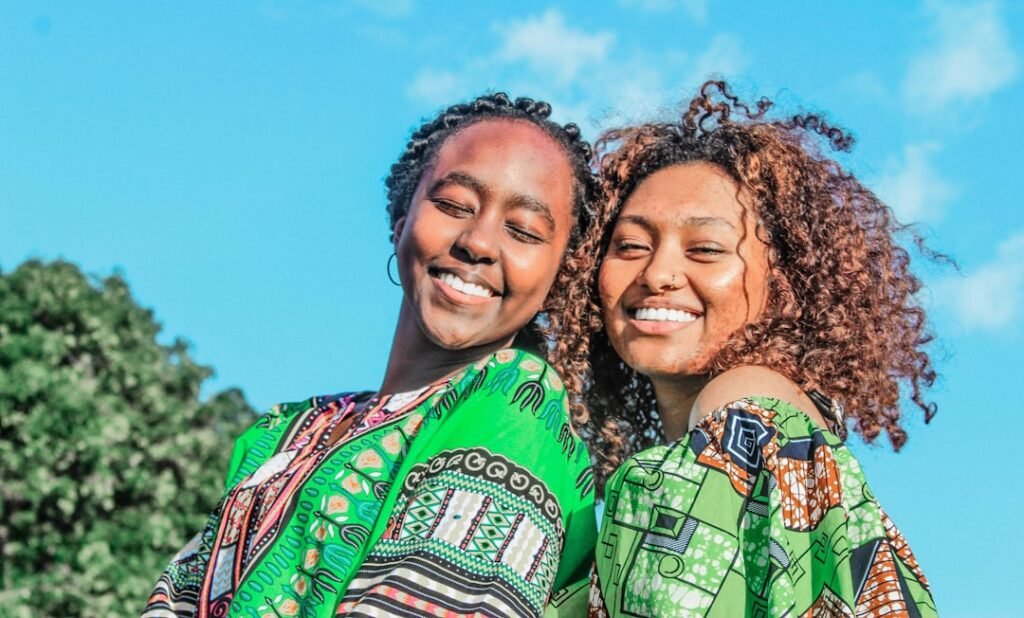
The state of women’s health in Africa is a multifaceted issue that reflects the continent’s diverse socio-economic, cultural, and political landscapes. Women in Africa face a myriad of health challenges that are often exacerbated by systemic inequalities, limited access to healthcare, and socio-cultural barriers. According to the World Health Organization (WHO), women in sub-Saharan Africa are at a higher risk of dying from preventable diseases compared to their counterparts in other regions.
This disparity is largely attributed to factors such as poverty, lack of education, and inadequate healthcare infrastructure. The intersection of these elements creates a complex web that significantly impacts women’s health outcomes. Moreover, the health status of women in Africa is not uniform; it varies widely across different countries and regions.
For instance, women in urban areas may have better access to healthcare services than those in rural settings, where healthcare facilities are often scarce or non-existent. Additionally, cultural beliefs and practices can influence women’s health-seeking behaviors, leading to delays in treatment or avoidance of medical care altogether. The result is a landscape where women’s health issues are often overlooked or inadequately addressed, necessitating urgent attention and intervention.
Common health issues affecting women in Africa
Women in Africa face a range of health issues that are both unique and shared with their male counterparts. One of the most pressing concerns is maternal health, which encompasses complications during pregnancy, childbirth, and the postpartum period. Conditions such as hemorrhage, hypertensive disorders, and infections are prevalent and contribute significantly to maternal mortality rates.
According to UNICEF, sub-Saharan Africa accounts for approximately 66% of global maternal deaths, highlighting the urgent need for improved maternal healthcare services. In addition to maternal health complications, women in Africa are also disproportionately affected by communicable diseases such as malaria and tuberculosis. These diseases not only pose direct health risks but also have broader implications for women’s economic stability and social well-being.
Furthermore, non-communicable diseases like diabetes and cardiovascular conditions are on the rise, often linked to lifestyle changes and urbanization. The convergence of these health issues creates a challenging environment for women, who must navigate both traditional and modern health challenges.
Access to healthcare for women in Africa
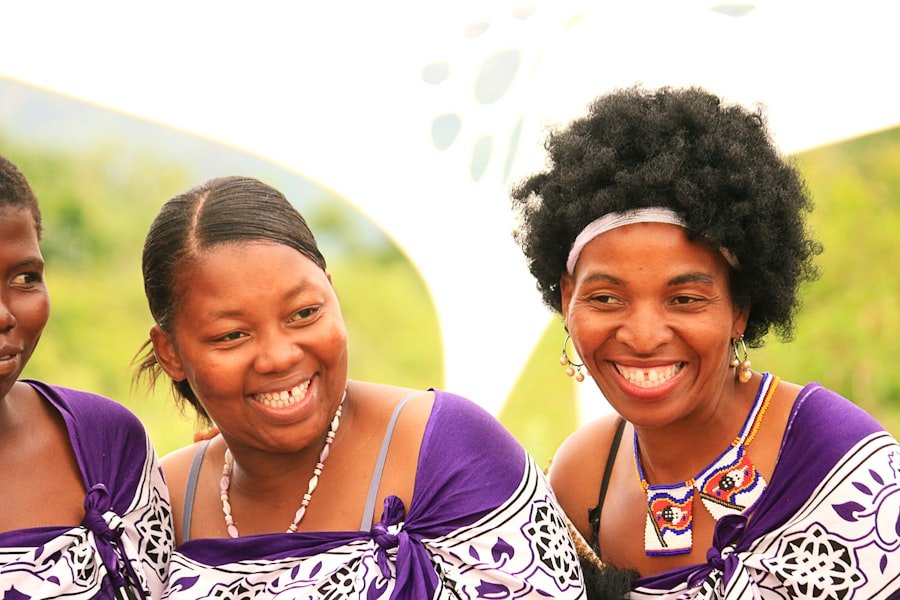

Access to healthcare remains a significant barrier for many women in Africa. Geographic disparities play a crucial role; rural areas often lack adequate healthcare facilities, forcing women to travel long distances to receive care. This situation is compounded by financial constraints, as many women may not be able to afford transportation costs or medical fees.
In some cases, cultural norms may discourage women from seeking care without the accompaniment of a male relative, further limiting their access to necessary services. Additionally, the quality of healthcare services available can vary dramatically. In many regions, healthcare facilities are under-resourced and lack essential supplies and trained personnel.
This inadequacy can lead to substandard care, which discourages women from utilizing available services. Furthermore, systemic issues such as corruption and mismanagement within healthcare systems can exacerbate these challenges, creating an environment where women’s health needs are deprioritized or ignored altogether.
Maternal health in Africa
Maternal health is a critical aspect of women’s health in Africa, with significant implications for both individual families and broader communities. The high rates of maternal mortality in many African countries are alarming; for instance, in Niger, the maternal mortality ratio is estimated at 509 deaths per 100,000 live births. This statistic underscores the urgent need for comprehensive maternal healthcare services that include prenatal care, skilled birth attendance, and postnatal support.
Efforts to improve maternal health have been met with varying degrees of success across the continent. Some countries have implemented innovative programs aimed at increasing access to skilled birth attendants and emergency obstetric care. For example, Rwanda has made remarkable strides in reducing maternal mortality through community-based health insurance schemes and training programs for midwives.
However, despite these advancements, challenges remain, including cultural resistance to seeking medical care during childbirth and inadequate infrastructure in rural areas.
Reproductive health and family planning in Africa
Reproductive health and family planning are essential components of women’s health that significantly impact their overall well-being and empowerment. In many African countries, access to contraceptive methods remains limited due to cultural beliefs, misinformation, and inadequate healthcare services. According to the United Nations Population Fund (UNFPA), approximately 25 million women in sub-Saharan Africa have an unmet need for modern contraceptives.
This gap not only affects women’s ability to plan their families but also contributes to higher rates of unintended pregnancies and unsafe abortions. Efforts to promote reproductive health education and access to family planning services have gained momentum in recent years. Initiatives such as the African Union’s Campaign on Accelerated Reduction of Maternal Mortality in Africa (CARMMA) aim to raise awareness about reproductive rights and improve access to contraceptive options.
However, these efforts must contend with deeply entrenched cultural norms that may view family planning as controversial or unacceptable. Addressing these cultural barriers is crucial for empowering women to make informed choices about their reproductive health.
HIV/AIDS and its impact on women in Africa
HIV/AIDS remains one of the most significant public health challenges facing women in Africa today. Women account for nearly 60% of all people living with HIV in sub-Saharan Africa, with young women aged 15-24 being particularly vulnerable due to factors such as gender inequality and limited access to education. The epidemic has profound implications for women’s health, economic stability, and social well-being.
Women living with HIV often face stigma and discrimination, which can deter them from seeking treatment or disclosing their status. The impact of HIV/AIDS extends beyond individual health; it affects families and communities as well. Women often bear the burden of caregiving for family members living with HIV/AIDS while simultaneously managing their own health needs.
This dual responsibility can lead to increased stress and mental health challenges. Furthermore, the economic implications of the epidemic are significant; households affected by HIV/AIDS may experience reduced income due to illness or loss of productivity, perpetuating cycles of poverty.
Mental health and well-being of women in Africa

Mental health is an often-overlooked aspect of women’s health in Africa, yet it plays a critical role in overall well-being. Women face unique stressors related to gender-based violence, economic instability, and societal expectations that can contribute to mental health issues such as depression and anxiety. Unfortunately, mental health services are frequently underfunded and stigmatized across the continent, leading many women to suffer in silence without access to appropriate care.
Cultural perceptions of mental illness can further complicate the situation; in some communities, mental health issues may be viewed as a sign of weakness or moral failing. This stigma can prevent women from seeking help or disclosing their struggles to family members or friends. However, there are emerging initiatives aimed at addressing mental health needs among women in Africa.
Community-based programs that focus on awareness-raising and destigmatization are essential for creating supportive environments where women feel empowered to seek help.
Nutrition and food security for women in Africa
Nutrition plays a vital role in women’s health, influencing everything from reproductive outcomes to overall physical well-being. In many African countries, food insecurity remains a pressing issue that disproportionately affects women due to their roles as primary caregivers and providers for their families. Malnutrition among women can lead to adverse health outcomes such as anemia during pregnancy or stunted growth in children.
Efforts to improve nutrition among women often intersect with broader initiatives aimed at enhancing food security. Programs that promote agricultural education and empower women farmers can have a significant impact on nutritional outcomes for families. For instance, initiatives that provide training on sustainable farming practices not only improve food availability but also enhance women’s economic independence.
However, addressing food security requires a multifaceted approach that considers local contexts and cultural practices.
Gender-based violence and its effects on women’s health in Africa
Gender-based violence (GBV) is a pervasive issue that has far-reaching consequences for women’s health across Africa. Women who experience GBV face not only immediate physical injuries but also long-term psychological effects such as depression and post-traumatic stress disorder (PTSD). The prevalence of GBV is alarmingly high; according to the WHO, one in three women globally has experienced physical or sexual violence at some point in their lives.
The impact of GBV extends beyond individual victims; it affects families and communities as well. Children who witness violence may experience emotional trauma that can affect their development and future relationships. Additionally, GBV can hinder women’s ability to participate fully in society by limiting their access to education and employment opportunities.
Addressing GBV requires comprehensive strategies that include legal reforms, community education programs, and support services for survivors.
Traditional and cultural practices affecting women’s health in Africa
Traditional and cultural practices play a significant role in shaping women’s health experiences across Africa. While some practices may promote well-being, others can pose serious risks to women’s health. For example, female genital mutilation (FGM) is a harmful practice that affects millions of women across the continent, leading to severe physical complications and psychological trauma.
Efforts to combat FGM have gained traction through advocacy campaigns aimed at raising awareness about its dangers. Cultural beliefs surrounding pregnancy and childbirth also influence women’s health-seeking behaviors. In some communities, traditional birth attendants are preferred over medical professionals due to cultural norms or mistrust of formal healthcare systems.
While traditional practices can provide comfort and support during childbirth, they may also lead to complications if medical interventions are needed but not sought out due to cultural beliefs. Balancing respect for cultural practices with the need for evidence-based medical care is essential for improving women’s health outcomes.
Efforts to improve women’s health in Africa
Numerous initiatives are underway across Africa aimed at improving women’s health outcomes through targeted interventions and policy reforms. International organizations such as WHO and UNFPA work alongside local governments and NGOs to implement programs focused on maternal health, reproductive rights, and disease prevention. For instance, the Global Financing Facility (GFF) supports countries in mobilizing resources for maternal and child health initiatives.
Grassroots movements also play a crucial role in advocating for women’s health rights at the community level. Organizations led by women often focus on education and empowerment initiatives that address specific local needs while fostering community engagement. These efforts are vital for creating sustainable change that resonates with cultural values while promoting better health outcomes for women.
In conclusion, addressing the complex landscape of women’s health in Africa requires a multifaceted approach that considers socio-economic factors, cultural practices, and systemic barriers within healthcare systems. By prioritizing women’s health through targeted interventions and community engagement efforts, it is possible to create a healthier future for women across the continent.
Women’s health in Africa is a critical issue, particularly in regions facing significant challenges such as conflict and instability. For instance, the article on the Central African Republic highlights how repeated attacks on medical care leave people vulnerable to disease and death, which disproportionately affects women and children. Access to healthcare is essential for improving women’s health outcomes, and the ongoing violence exacerbates these challenges. You can read more about this pressing issue in the article [here](https://afroicon.com/central-african-republic-repeated-attacks-on-medical-care-leave-people-vulnerable-to-disease-and-death/).