

Women’s education in Africa is a cornerstone for sustainable development and societal progress. Historically, the continent has faced significant challenges in achieving gender parity in education, yet the importance of educating women cannot be overstated. Education empowers women with knowledge and skills, enabling them to participate fully in economic, political, and social spheres.
When women are educated, they are more likely to contribute to their families’ well-being, make informed health decisions, and advocate for their rights. This ripple effect extends beyond individual families, positively impacting communities and nations as a whole. Moreover, educated women are instrumental in breaking the cycle of poverty.
According to UNESCO, each additional year of schooling can increase a woman’s earnings by up to 20%. This economic empowerment translates into better living conditions, improved health outcomes for children, and increased investment in future generations’ education. The intergenerational benefits of women’s education are profound; when mothers are educated, they are more likely to prioritize their children’s education, thereby fostering a culture of learning that can uplift entire communities.
Thus, the importance of women’s education in Africa is not merely a matter of individual advancement but a critical factor in the continent’s overall development trajectory.
Challenges Faced by Women in Accessing Education in Africa
Despite the recognized importance of women’s education, numerous challenges hinder access for many girls across Africa. One of the most significant barriers is poverty. In many regions, families prioritize boys’ education over girls’, viewing it as a more worthwhile investment due to traditional gender roles that expect women to take on domestic responsibilities.
This economic disparity often leads to girls being pulled out of school to help with household chores or to work in informal sectors to support their families. Additionally, cultural norms and societal expectations play a crucial role in limiting educational opportunities for women. In some communities, early marriage is prevalent, with girls being married off at a young age, which effectively ends their educational pursuits.
Furthermore, safety concerns regarding harassment and violence on the way to and from school can deter families from sending their daughters to educational institutions. The lack of female teachers in many areas also contributes to this issue; girls may feel more comfortable and encouraged to attend school if they have female role models. These multifaceted challenges create a complex web that continues to impede women’s access to education across the continent.
The Impact of Education on Women’s Empowerment in Africa


The impact of education on women’s empowerment in Africa is profound and multifaceted. Education equips women with critical thinking skills and knowledge that enable them to make informed decisions about their lives. This empowerment manifests in various ways, including increased participation in political processes and leadership roles within communities.
Educated women are more likely to engage in civic activities, advocate for policy changes, and challenge societal norms that perpetuate gender inequality. Moreover, education fosters self-confidence and resilience among women. As they gain knowledge and skills, they become more assertive in demanding their rights and pursuing opportunities that were previously inaccessible.
For instance, women who have received an education are more likely to start their own businesses or engage in entrepreneurial activities, contributing to economic growth and innovation within their communities. The empowerment derived from education not only transforms individual lives but also catalyzes broader societal change by challenging entrenched gender norms and promoting equality.
Government Initiatives to Promote Women’s Education in Africa
Recognizing the critical role of women’s education in national development, many African governments have initiated policies aimed at promoting gender parity in education. For example, countries like Rwanda have implemented comprehensive strategies that include free primary education and targeted scholarships for girls. These initiatives aim to reduce financial barriers that often prevent girls from attending school.
Additionally, governments have launched campaigns to raise awareness about the importance of girls’ education, engaging communities in discussions about the benefits of educating daughters. In some cases, governments have also introduced legal frameworks to protect girls’ rights to education. Laws prohibiting child marriage and gender-based violence have been enacted to create safer educational environments for girls.
Furthermore, partnerships with international organizations have facilitated funding and resources for educational programs specifically designed for women. These government initiatives reflect a growing recognition of the need for systemic change to ensure that all girls have equal access to quality education.
The Role of Non-Governmental Organizations in Advancing Women’s Education in Africa
Non-governmental organizations (NGOs) play a pivotal role in advancing women’s education across Africa by addressing gaps left by governmental efforts. Many NGOs focus on grassroots initiatives that provide direct support to girls and women seeking education. For instance, organizations like Plan International and Camfed have developed programs that offer scholarships, mentorship, and vocational training tailored specifically for young women.
These programs not only alleviate financial burdens but also provide essential support systems that encourage girls to stay in school. Additionally, NGOs often engage in advocacy work aimed at influencing policy changes at local and national levels. By raising awareness about the barriers faced by women in accessing education, these organizations can mobilize communities and stakeholders to take action.
They also conduct research and gather data on women’s educational outcomes, which can inform policy decisions and resource allocation. Through their multifaceted approaches, NGOs are instrumental in creating an environment where women’s education is prioritized and supported.
Cultural and Societal Barriers to Women’s Education in Africa
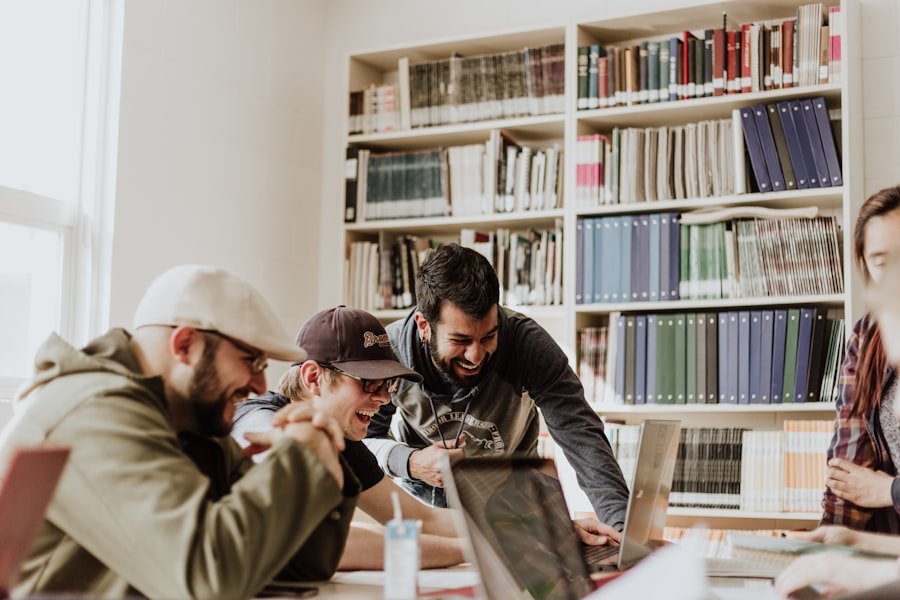

Cultural beliefs and societal norms significantly influence women’s access to education in Africa. In many communities, traditional views regarding gender roles dictate that women should focus on domestic responsibilities rather than pursue formal education. This mindset often leads to the undervaluation of girls’ potential and capabilities, perpetuating cycles of inequality.
In some cultures, there is a prevailing belief that investing in a girl’s education is futile since she will eventually marry and become someone else’s responsibility. Moreover, societal pressures can manifest through practices such as female genital mutilation (FGM) or early marriage, which further restrict educational opportunities for girls. In regions where these practices are prevalent, families may prioritize cultural traditions over educational aspirations for their daughters.
The stigma associated with girls who seek education against these norms can lead to social ostracism or familial backlash. Addressing these cultural barriers requires comprehensive community engagement strategies that promote dialogue about the value of women’s education while respecting cultural contexts.
Success Stories of Women who have Overcome Educational Obstacles in Africa
Amidst the challenges faced by women seeking education in Africa, numerous success stories exemplify resilience and determination. One notable example is Malala Yousafzai from Pakistan, who became an international symbol for girls’ education after surviving an assassination attempt by the Taliban for advocating for her right to learn. Her story has inspired countless young women across Africa to pursue their educational dreams despite adversity.
In Kenya, Wangari Maathai’s journey illustrates how education can empower women to effect change within their communities. As the first African woman to receive the Nobel Peace Prize, Maathai founded the Green Belt Movement, which focused on environmental conservation while promoting women’s rights and education. Her efforts not only transformed her community but also highlighted the interconnectedness of environmental sustainability and women’s empowerment through education.
The Link Between Women’s Education and Economic Development in Africa
The link between women’s education and economic development is well-documented and increasingly recognized by policymakers across Africa. Educated women contribute significantly to economic growth by participating in the labor force and driving innovation. According to a report by McKinsey Global Institute, closing gender gaps in labor force participation could add $28 trillion to global GDP by 2025.
In Africa specifically, empowering women through education can lead to increased productivity and economic diversification. Furthermore, educated women are more likely to invest in their families’ health and well-being, leading to improved outcomes for future generations. This investment creates a virtuous cycle where educated mothers raise healthier children who are more likely to succeed academically themselves.
As a result, women’s education becomes a catalyst for broader economic development initiatives aimed at reducing poverty and enhancing overall quality of life within communities.
Strategies for Improving Access to Education for Women in Africa
To improve access to education for women in Africa, a multifaceted approach is necessary that addresses both systemic barriers and individual needs. One effective strategy involves implementing conditional cash transfer programs that provide financial incentives for families to keep their daughters in school. These programs can alleviate the economic burden associated with schooling while encouraging families to prioritize girls’ education.
Additionally, enhancing infrastructure is crucial for ensuring safe access to schools. Building more schools within communities reduces travel distances for girls and minimizes safety concerns associated with long commutes. Furthermore, training female teachers can create a more supportive learning environment for girls, fostering greater enrollment and retention rates.
Community engagement initiatives that involve parents and local leaders can also play a vital role in changing perceptions about the value of girls’ education.
The Intersection of Women’s Education and Health in Africa
The intersection of women’s education and health is particularly significant in Africa, where educational attainment directly influences health outcomes for women and their families. Educated women are more likely to make informed choices regarding reproductive health, nutrition, and disease prevention. For instance, studies have shown that educated mothers are more likely to seek medical care during pregnancy and ensure their children receive vaccinations.
Moreover, women’s education plays a critical role in combating public health issues such as HIV/AIDS and maternal mortality rates. By equipping women with knowledge about sexual health and reproductive rights, educational programs can empower them to make safer choices and advocate for their health needs. This connection between education and health underscores the importance of integrating health education into school curricula as part of broader efforts to improve women’s overall well-being.
The Future of Women’s Education in Africa: Opportunities and Challenges
Looking ahead, the future of women’s education in Africa presents both opportunities and challenges that require concerted efforts from governments, NGOs, communities, and individuals alike. On one hand, advancements in technology offer new avenues for learning through online platforms and mobile applications that can reach remote areas where traditional schooling may be limited. These innovations can help bridge gaps in access while providing flexible learning options tailored to women’s needs.
However, persistent challenges such as cultural resistance, economic disparities, and inadequate infrastructure must be addressed comprehensively to ensure sustainable progress. Continued advocacy for policy changes that prioritize gender equality in education is essential for creating an enabling environment where all women can thrive academically. By fostering collaboration among stakeholders at all levels—local communities, governments, international organizations—the vision of equitable access to quality education for women across Africa can become a reality.
Women’s education in Africa is a critical issue that has garnered increasing attention in recent years. Access to education for girls not only empowers them but also contributes to the overall development of their communities. For a deeper understanding of the challenges and progress in this area, you can read about various initiatives and success stories in the article on women’s empowerment and education. While the links provided do not directly address this topic, they highlight the importance of sports and achievements, which can also inspire young women. For instance, you can check out the article about Catherine Beauchemin-Pinard winning Canada’s second judo bronze medal in Tokyo here.