
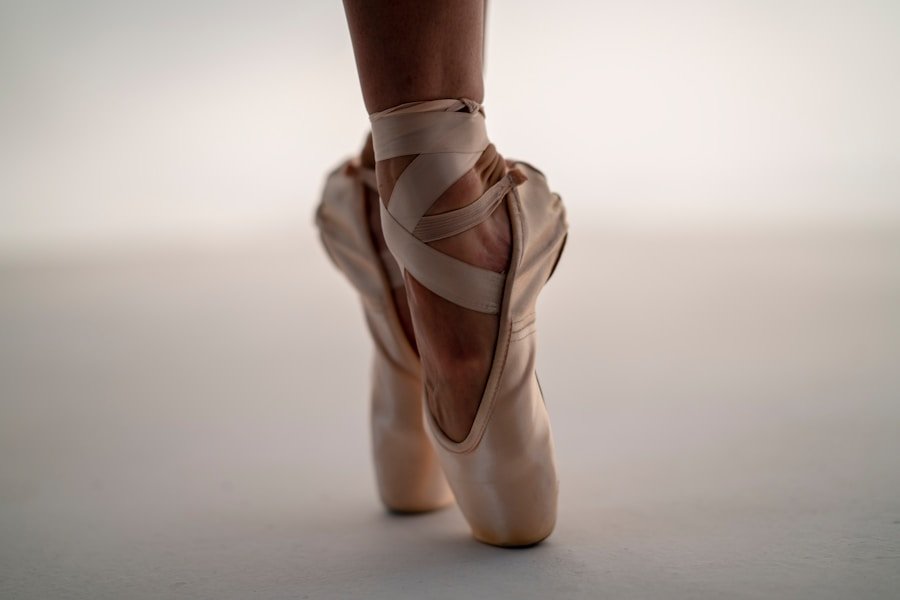
The Nike Air Rift, a shoe that has consistently defied conventional design, has seen a surprising evolution into a silhouette that some have likened to ballet shoes. While Nike has not officially marketed them as such, the unique split-toe construction and minimalist aesthetic of certain Air Rift models evoke a visual resemblance to footwear associated with ballet. This article will delve into the origins of the Air Rift, explore its design elements that lend themselves to this comparison, and examine how the shoe has been adopted and reinterpreted by wearers seeking a similar aesthetic and functional experience.
Origins and Design Philosophy of the Nike Air Rift
The Nike Air Rift first emerged in 1995, a product of Nike’s continuous exploration into biomechanics and athlete performance. The initial inspiration for the split-toe design is often attributed to observing the natural movement of the human foot, particularly the way the toes splay and grip when in motion. This observation led designers to consider how footwear could better accommodate and enhance this natural function.
The Split-Toe Innovation
The most distinctive feature of the Air Rift is its split-toe design. This separation of the big toe from the other toes is not merely an aesthetic choice; it was intended to allow for a more natural foot articulation and enhanced ground feel. This concept mirrors the way a dancer’s foot might move and connect with the floor, particularly in disciplines that emphasize barefoot or minimally-soled movements.
Minimalist Construction and Lightweight Feel
Beyond the split-toe, the Air Rift generally features a minimalist construction. This often involves a lightweight upper, minimal cushioning, and a focus on flexibility. This stripped-down approach contributes to a sensation of lightness and freedom for the wearer, further drawing parallels to the unencumbered feel sought by ballet dancers.
The Role of Air Cushioning
While the overall aesthetic is minimalist, the “Air” in Nike Air Rift signifies the presence of Nike Air cushioning technology within the sole. This technology, a cornerstone of Nike’s innovation, provides shock absorption and responsiveness. In the context of the Air Rift, the Air unit is typically integrated in a way that maintains the shoe’s flexibility and low profile, avoiding the bulkiness often associated with more performance-oriented athletic shoes.
Reinterpreting the Air Rift: A Balletic Aesthetic
The visual parallels between the Air Rift and ballet shoes are undeniable. The split-toe, the often sleek and form-fitting upper, and the overall sense of agility that the shoe conveys have led many to see it as an unconventional, yet effective, interpretation of ballet footwear for everyday wear.
The Visual Language of Ballet
Ballet, as an art form, is characterized by grace, precision, and a profound connection between the dancer’s body and the movement. The visual language of ballet is one of elongated lines, elegant curves, and a sense of effortless control. Certain Air Rift models, particularly those in monochromatic colorways and with a more streamlined profile, can subtly evoke these visual cues.
The Split-Toe as a Functional Parallel
The split-toe design, while rooted in biomechanical principles, also creates a striking visual echo of pointe shoes or soft ballet slippers, albeit with a more structured and modern execution. This separation allows for individual toe movement, which is paramount in ballet for achieving balance, articulation, and the execution of intricate footwork. While not a direct substitute for the specialized footwear of ballet, the Air Rift’s design allows for a greater degree of foot engagement with the ground, a sensation that ballet dancers are highly attuned to.
Everyday Elegance and Athleticism
The appeal of the Air Rift in a “ballet shoe” context lies in its ability to bridge the gap between athletic functionality and a refined aesthetic. It offers a level of comfort and support suitable for active lifestyles, while its unique design allows for a distinct stylistic statement that can complement a range of outfits. This fusion of athleticism and a desire for graceful presentation is a core element of its appeal to those who see it as a ballet-inspired option.
Functional Considerations: Beyond the Aesthetic
While the visual resemblance to ballet shoes is a significant aspect of the Air Rift’s appeal, its functional design also contributes to its adoption by individuals seeking a particular experience. The shoe’s construction aims to provide a sense of natural movement and responsiveness.
Enhanced Ground Feel and Foot Articulation
The split-toe design inherently encourages greater awareness of the ground beneath your feet. This enhanced ground feel allows for more nuanced proprioception, the body’s ability to sense its position, movement, and actions. For individuals who appreciate this heightened connection to their environment, the Air Rift offers a distinct advantage over more heavily cushioned or enclosed footwear. This is a key functional aspect that resonates with the precision required in ballet.
Flexibility and Natural Movement
Nike designed the Air Rift with flexibility in mind. The materials and construction allow the shoe to bend and move naturally with the foot. This flexibility is crucial for activities that demand a wide range of motion and a natural gait. Ballet, with its emphasis on fluid and controlled movements, relies heavily on the dancer’s ability to move their feet and ankles with uninhibited grace. The Air Rift’s flexibility can offer a supportive yet unrestrictive experience that aligns with this principle.
Lightweight and Breathable Construction
Many Air Rift models are constructed from lightweight, often breathable materials. This contributes to a feeling of being unburdened and allows for better air circulation. This lightweight characteristic is desirable for prolonged wear, mirroring the desire for shoes that do not impede movement or cause unnecessary fatigue. The breathability also enhances comfort, especially during warmer weather or periods of activity.
Styling the Air Rift: Versatility and Personal Expression
The Nike Air Rift, with its distinctive silhouette, offers a unique canvas for personal style. When viewed through the lens of balletic inspiration, it lends itself to a range of styling possibilities that emphasize both elegance and a touch of the unexpected.
Casual Chic: Pairing with Athleisure
For a contemporary and casual look, the Air Rift pairs well with athleisure wear. Think of combining them with high-waisted leggings, comfortable joggers, or relaxed-fit shorts. The split-toe design adds an intriguing focal point to these outfits, elevating them beyond basic sportswear. The key is to let the shoes be a statement piece within a relaxed ensemble.
Elevated Simplicity: Integrating with Everyday Outfits
Beyond athleisure, the Air Rift can be surprisingly versatile in more elevated casual settings. Imagine pairing them with midi skirts, tailored trousers, or even simple dresses. The minimalist design of the shoe, especially in neutral colors like black, white, or beige, can add a sophisticated and slightly avant-garde touch to these looks. The goal is to create a harmonious balance, where the shoe complements rather than overpowers the outfit.
Embracing the “Balletcore” Aesthetic
For those drawn to the “balletcore” trend, the Air Rift can be a foundational element. This aesthetic often incorporates elements of ballet attire, such as wrap tops, bodysuits, tulle skirts, and ballet flats. The Air Rift, with its split-toe and sleek form, can offer a more robust and fashion-forward interpretation of this trend, providing a unique twist on traditional ballet-inspired footwear. It allows for the embrace of balletic themes without being limited to literal interpretations of ballet shoes.
Addressing Common Perceptions and Practicalities
| Feature | Description |
|---|---|
| Material | Flexible and breathable mesh upper |
| Design | Split-toe design for natural movement |
| Cushioning | Phylon midsole for lightweight cushioning |
| Outsole | Rubber outsole with flex grooves for traction |
| Color Options | Available in various colors and patterns |
The Nike Air Rift is a shoe that often sparks conversation and requires a degree of adjustment. Understanding its unique design and intended function is key to appreciating its appeal.
The Initial Adjustment Period
It is important to acknowledge that the split-toe design of the Air Rift may require a brief adjustment period for some wearers. The separation of the big toe is a departure from conventional footwear, and it may take a little time for your foot to become accustomed to this sensation and the way it influences your gait. Patience and a willingness to experiment are recommended.
Footwear for Specific Activities
While the Air Rift can be worn for a variety of casual activities, it is essential to consider its intended purpose. It is not designed as a performance shoe for high-impact sports. However, for activities that benefit from enhanced ground feel and natural foot movement, such as walking, light training, or simply navigating daily life with a more connected experience, the Air Rift can be a comfortable and engaging choice.
Maintenance and Care
Like any footwear, the Air Rift benefits from proper care to maintain its appearance and longevity. Following Nike’s recommended cleaning instructions, typically involving gentle wiping with a damp cloth and mild soap, will help preserve the materials. Avoiding harsh chemicals and excessive moisture will also contribute to the shoe’s durability. The materials used in many Air Rift models are designed for ease of maintenance, aligning with a practical approach to footwear.