



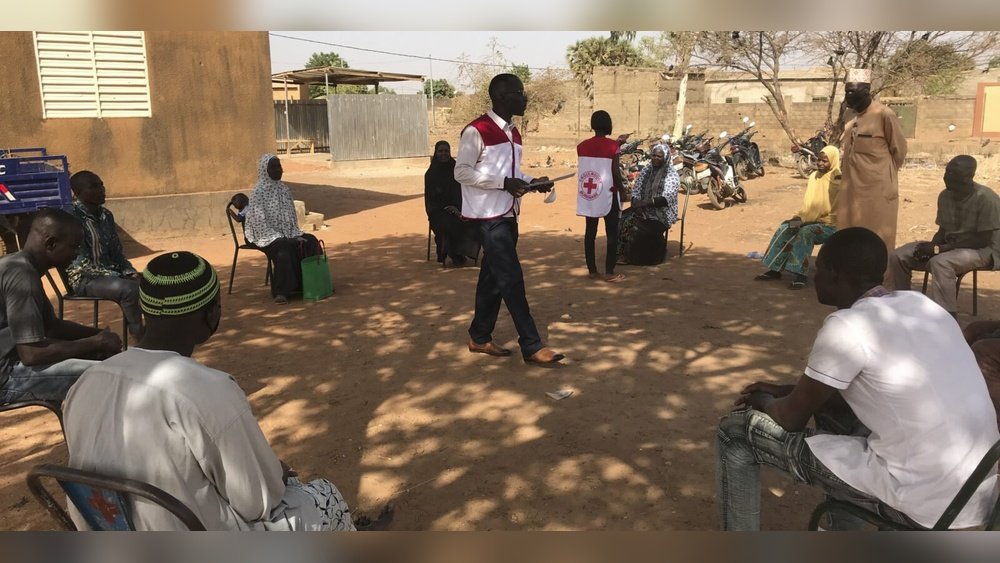
When you think about Africa, what comes to your mind? Is it a vast desert, endless conflict, or a place stuck in time?
The truth is, these ideas only scratch the surface—and often miss the real story. Africa is a continent full of rich history, vibrant cultures, and incredible diversity that many don’t fully understand. If you want to see Africa through a clearer lens and uncover facts that challenge common myths, this article is made for you.
Keep reading, and you’ll discover the powerful truths about Africa that have been hidden for too long. Your perspective will never be the same.
Africa’s Diverse Landscapes
Africa is often misunderstood as a land covered mostly by deserts. This view misses the rich variety of its natural beauty. The continent hosts many different environments that support diverse plants, animals, and human cultures. These landscapes shape the lives of millions and hold secrets about the earth’s history. Exploring Africa’s landscapes reveals a world beyond simple stereotypes.
Beyond The Desert Myth
Many think of Africa only as the Sahara Desert. The Sahara is vast, but it covers less than one-third of the continent. Africa also has lush areas with fertile soil and water. These regions support farming and wildlife. Rainforests, wetlands, and coastal zones exist in many parts of Africa. The desert is just one part of a much bigger picture.
From Rainforests To Mountains
Africa has some of the world’s largest rainforests. The Congo Basin is a green giant, full of trees and wildlife. These forests play a key role in the earth’s oxygen and climate systems. Mountains rise high across the continent, such as Kilimanjaro and the Drakensberg. These peaks offer cooler climates and unique ecosystems. People live and farm in these mountain areas too.
Savannas And Their Importance
The savanna is a vast grassy plain scattered with trees. It covers much of East and Southern Africa. Savannas support many large animals like elephants, lions, and zebras. These lands also provide grazing for livestock and farming for local communities. The savanna’s balance of grass and trees helps control soil erosion. It plays a vital role in Africa’s environment and economy.
Origins Of Humanity
The story of humanity begins in Africa. Scientists agree that Africa is where humans first appeared. This continent holds the earliest evidence of human ancestors. Understanding this origin helps us see Africa’s true importance in human history.
Africa As The Cradle Of Humankind
Africa is often called the cradle of humankind. Fossils found in East Africa show the earliest forms of humans. These fossils date back millions of years. Ancient tools and bones reveal how early humans lived and evolved here. Africa’s diverse landscapes offered resources for survival and growth. This rich history proves Africa’s central role in human beginnings.
Genetic Heritage And Human Evolution
Modern humans share deep genetic roots in Africa. Studies show all humans descend from African ancestors. Our DNA carries traces of ancient African populations. This genetic link confirms Africa as the source of human life. Evolution shaped humans over thousands of years on this continent. Understanding our genetic heritage helps us appreciate Africa’s vital role in our story.
Ancient African Civilizations
Africa’s history stretches back thousands of years. The continent was home to many great civilizations. These ancient societies shaped the world in many ways. They built powerful kingdoms and empires. Their knowledge influenced science, culture, and trade far beyond Africa’s borders.
Understanding ancient African civilizations helps us see the true richness of Africa’s past. It challenges common myths and shows Africa as a place of innovation and strength. This section explores some of the earliest kingdoms and their lasting contributions.
Early Kingdoms And Empires
Africa had many early kingdoms that grew strong and wealthy. The Kingdom of Kush in Nubia thrived by trading gold and ivory. Egypt, one of the world’s oldest civilizations, developed along the Nile River. The Mali Empire became famous for its wealth and learning centers, like Timbuktu. These kingdoms built cities, created laws, and expanded their influence.
Great leaders like Mansa Musa of Mali showed Africa’s power and culture. The Kingdom of Axum was a major trading empire in East Africa. These early states connected Africa to Europe, Asia, and the Middle East. They helped spread ideas, goods, and culture across continents.
Contributions To Science And Culture
Ancient African civilizations made important advances in science. Egyptians developed early medicine, astronomy, and engineering. Their pyramids show impressive knowledge of math and construction. The Dogon people studied stars and planets long before modern telescopes.
In art, Africa created unique styles in sculpture, pottery, and textiles. Music and oral traditions preserved history and taught values. These cultures influenced religion, language, and social systems worldwide. Africa’s contributions prove the continent’s deep role in human progress.

Credit: www.ictj.org
Colonial Impact And Exploitation
The colonial impact on Africa shaped much of the continent’s modern reality. European powers seized lands, resources, and people over centuries. This period brought deep changes that still affect Africa today. Understanding this history helps reveal the truth about Africa’s past and present.
Historical Context Of Colonization
Colonization in Africa began in the late 19th century. European countries divided Africa without considering local cultures. Borders were drawn quickly and often ignored ethnic groups. This created tension and conflict among communities. Colonizers claimed to bring progress but focused on control and profit. They exploited Africa’s land and people for European gain.
Effects On Societies And Economies
Colonial rule disrupted traditional societies and governance. Local leaders lost power and influence. Many Africans were forced into labor or slavery. Economies shifted to serve European industries. Cash crops replaced food farming, causing food shortages. Infrastructure built by colonizers mainly served extraction of resources. Wealth flowed out of Africa, leaving poverty behind. These effects created long-term challenges for African nations.
Modern Africa’s Growth
Modern Africa’s growth tells a story of change and hope. The continent is no longer just about old images or stereotypes. Africa today is dynamic, full of young people and new ideas. It faces challenges but also shows strong progress. Understanding this growth helps see Africa in a true light.
Many countries in Africa are developing fast. Cities are growing, and more people use technology. Africa’s future is shaped by its people and the new paths they create. This growth impacts the world and Africa’s place in it.
Population Trends And Challenges
Africa has the fastest growing population worldwide. Millions of young people enter the workforce every year. This brings energy and new opportunities. Still, many face difficulties like limited jobs and education. Urban areas expand quickly, creating pressure on housing and services. Governments work to improve health care and schools. Managing this growth is key for Africa’s success.
Economic And Technological Developments
Africa’s economy is changing fast. Many countries boost industries like agriculture, mining, and manufacturing. Technology spreads rapidly, especially mobile phones and the internet. This helps businesses grow and people connect. Startups and innovation hubs appear in cities like Lagos and Nairobi. Digital tools improve banking, health, and education. These changes create jobs and raise living standards. Africa is becoming a hub for new ideas and progress.
Debunking Common Stereotypes
Many people carry wrong ideas about Africa. These ideas shape how they see the continent and its people. It is important to clear up these false beliefs. Doing so shows a more true and rich picture of Africa. This section will break down some common stereotypes. It will highlight Africa’s real story and value.
Myths About Chaos And Instability
Some think Africa is only about conflict and disorder. This is not true. Many African countries have strong governments and peaceful societies. Like any place, challenges exist, but stability grows across the continent. Africa also has many cities where life is calm and thriving. The idea of constant chaos ignores daily life and progress. It hides the many successes in governance and community building.
African Contributions To Civilization
Africa gave the world many important things. Ancient Egypt’s pyramids and knowledge shaped early science and architecture. African kingdoms traded gold, salt, and ideas across continents. Music, art, and dance from Africa influence cultures worldwide. Africans made great advances in medicine and farming long ago. These facts show Africa’s deep role in human history. The continent’s creativity and innovation continue to inspire today.
Justice And Reconciliation Efforts
Justice and reconciliation efforts have shaped Africa’s path toward peace and unity. These efforts help heal wounds caused by conflict and injustice. They build trust among communities and promote social harmony.
Africa’s experience with justice is diverse. Different countries use unique methods to address past wrongs. These approaches aim to create lasting peace and respect for human rights.
Truth Commissions In African Nations
Truth commissions play a key role in uncovering facts about past abuses. They provide a platform for victims and perpetrators to share their stories. These commissions help societies face painful histories openly.
South Africa’s Truth and Reconciliation Commission is a well-known example. It helped the nation move beyond apartheid by promoting forgiveness and understanding. Other countries like Sierra Leone and Liberia have used similar commissions.
Restorative Justice And Healing
Restorative justice focuses on repairing harm instead of punishment. It encourages dialogue between victims and offenders. This process promotes empathy and community healing.
Many African communities use traditional practices for reconciliation. These include ceremonies, apologies, and compensation. Such methods strengthen social bonds and restore respect among people.

Credit: www.mbcpodcast.org
Who Tells Africa’s Story?
The story of Africa is complex and rich. Who tells this story shapes how the world sees the continent. Many narratives come from outside Africa. These often focus on problems, ignoring success and culture. This creates a narrow and sometimes wrong picture. Understanding who controls these stories is key to seeing the real Africa.
Media Perspectives And Bias
Most global media coverage of Africa comes from Western outlets. They highlight conflicts, poverty, and disasters. This focus creates a negative view of the continent. Many reports lack context and deep understanding. They often ignore Africa’s diversity and progress. This bias influences how people think about Africa worldwide.
Media sometimes repeats old stereotypes. Africa is shown as poor and helpless. This view ignores the continent’s vibrant economies and cultures. It also leaves out stories of innovation and growth. The media’s choice of stories shapes public opinion and policy decisions.
Empowering African Voices
African journalists, writers, and creators are changing the narrative. They share stories from their own experiences and communities. This gives a more balanced and truthful picture. African voices highlight culture, achievement, and resilience.
Digital platforms help Africans reach global audiences directly. Social media and blogs offer space to tell diverse stories. This helps break stereotypes and misinformation. Supporting African storytellers is vital for a fair representation of the continent. It allows the world to see Africa’s full story.
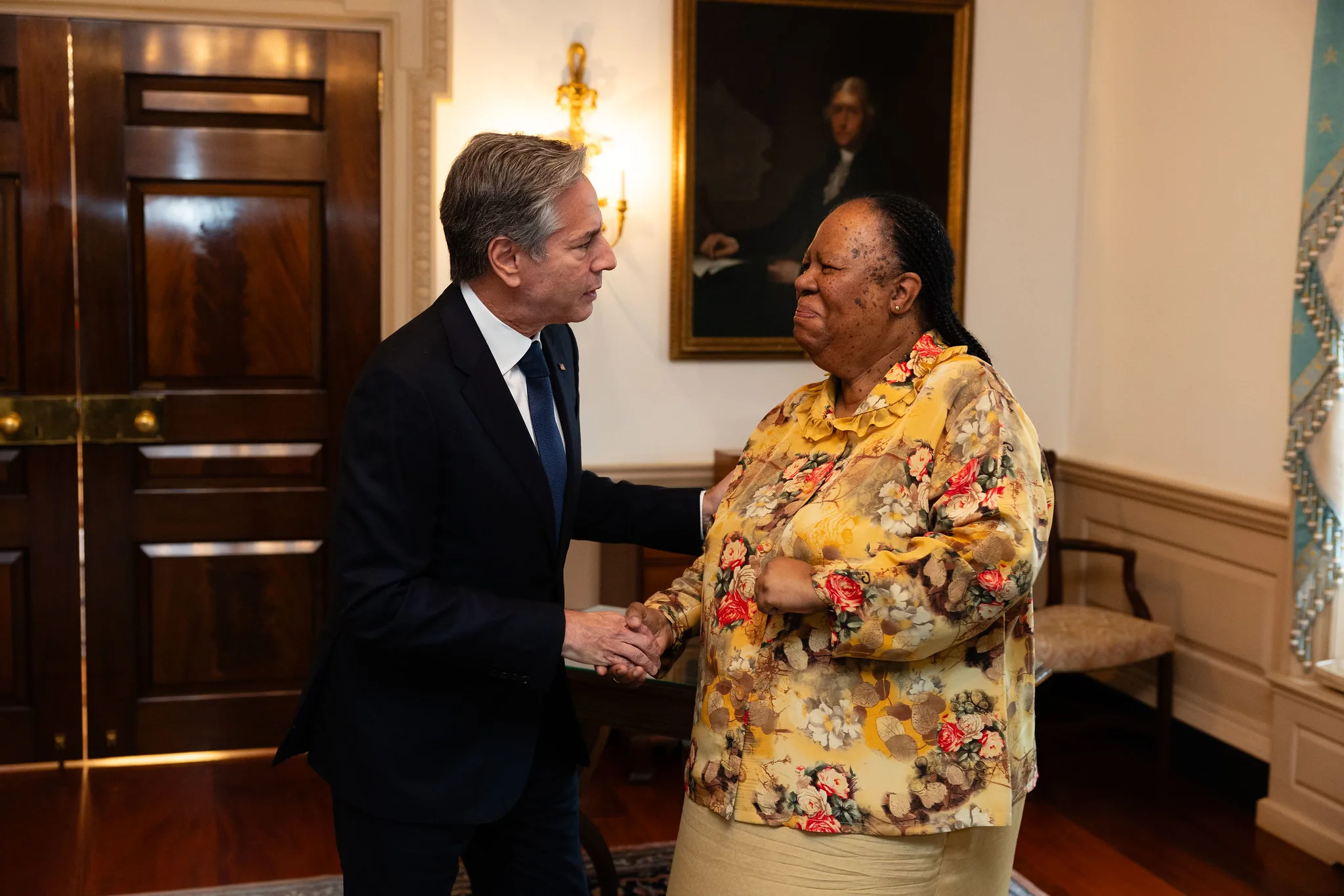
Credit: openparly.com
Conclusion
Africa holds a rich and diverse history often misunderstood. Its landscapes vary from deserts to lush rainforests and mountains. People have contributed greatly to global culture and science. Myths about constant chaos do not show the full picture. Africa continues to grow and change in many positive ways.
Knowing the truth helps us appreciate its true value. Let’s keep learning and sharing real stories about Africa. This helps break stereotypes and opens minds worldwide. Africa’s story is complex, inspiring, and still unfolding today.
