
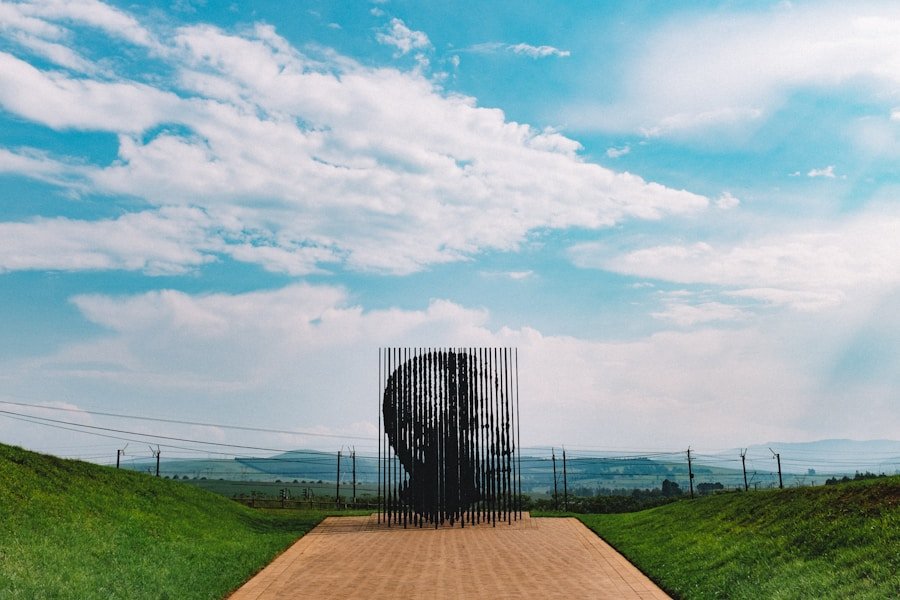
Leadership in Africa has often been marked by challenges and obstacles, from colonial rule to internal conflicts and struggles for independence. Despite these difficulties, there have been remarkable individuals who have risen to the occasion, demonstrating resilience, courage, and vision in their leadership. This article will explore the stories of some of Africa’s most inspiring leaders, who have overcome adversity to make a lasting impact on their countries and the world.
Nelson Mandela: From Prisoner to President
Nelson Mandela is perhaps one of the most iconic figures in African history, known for his role in ending apartheid in South Africa and becoming the country’s first black president. Mandela’s journey to leadership was marked by immense challenges, including 27 years of imprisonment for his anti-apartheid activism. Despite this, Mandela emerged from prison with a message of reconciliation and forgiveness, leading South Africa through a peaceful transition to democracy. His leadership style was characterized by humility, empathy, and a commitment to justice, earning him respect and admiration around the world. Mandela’s legacy continues to inspire leaders and activists globally, as a testament to the power of resilience and determination in the face of adversity.
Nelson Mandela’s leadership was marked by his ability to unite people from diverse backgrounds and ideologies, fostering a spirit of inclusivity and cooperation. His commitment to non-violence and reconciliation set an example for leaders facing similar challenges, demonstrating that it is possible to overcome deep-seated divisions and build a more just and equitable society. Mandela’s leadership journey serves as a reminder that even in the darkest of times, there is always hope for positive change, and that true leadership is about serving the greater good and inspiring others to do the same.
Ellen Johnson Sirleaf: Breaking Barriers as Liberia’s First Female President
Ellen Johnson Sirleaf made history in 2006 when she became the first female president of Liberia, breaking barriers and paving the way for women in African politics. Sirleaf’s leadership journey was marked by resilience and determination, as she navigated through years of civil war and political instability to become a symbol of hope and progress for her country. As president, Sirleaf focused on rebuilding Liberia’s economy, promoting education and healthcare, and advocating for women’s rights. Her leadership style was characterized by pragmatism, transparency, and a commitment to good governance, earning her recognition as a transformative leader in Africa.
Ellen Johnson Sirleaf’s presidency was a testament to the power of women’s leadership in driving positive change and progress in Africa. Her ability to navigate through complex political challenges and rebuild a war-torn country demonstrated the importance of inclusive leadership that values diversity and representation. Sirleaf’s legacy continues to inspire women leaders across the continent, showing that it is possible to overcome gender barriers and make a meaningful impact in politics and society.
Wangari Maathai: Environmental Activism and Nobel Peace Prize
Wangari Maathai was a Kenyan environmentalist and political activist who became the first African woman to win the Nobel Peace Prize for her work in environmental conservation and women’s rights. Maathai’s leadership journey was marked by her dedication to protecting the environment and empowering local communities, particularly women, through her Green Belt Movement. She faced numerous challenges from political opposition and vested interests, but she remained steadfast in her commitment to sustainable development and social justice. Maathai’s leadership style was characterized by courage, resilience, and a deep sense of empathy for the marginalized, earning her global recognition as a champion for environmental activism.
Wangari Maathai’s legacy continues to inspire environmentalists and activists around the world, demonstrating the power of grassroots leadership in addressing global challenges such as climate change and deforestation. Her ability to mobilize communities and advocate for sustainable development serves as a model for leaders seeking to create positive change at the local level. Maathai’s leadership journey is a reminder that individual actions can have a profound impact on the world, and that true leadership is about standing up for what is right, even in the face of adversity.
Kofi Annan: Diplomacy and Leadership at the United Nations
Kofi Annan was a Ghanaian diplomat who served as the seventh Secretary-General of the United Nations, leading the organization through a period of significant global challenges and conflicts. Annan’s leadership journey was marked by his commitment to diplomacy, peacekeeping, and human rights, as he worked tirelessly to address issues such as poverty, HIV/AIDS, and armed conflict around the world. Despite facing criticism and resistance from powerful nations, Annan remained steadfast in his pursuit of multilateralism and international cooperation. His leadership style was characterized by pragmatism, integrity, and a deep sense of empathy for those affected by global crises, earning him respect as a transformative leader on the world stage.
Kofi Annan’s tenure at the United Nations serves as a testament to the power of diplomacy and dialogue in resolving complex global challenges. His ability to navigate through geopolitical tensions and advocate for human rights demonstrated the importance of principled leadership that values collaboration and consensus-building. Annan’s legacy continues to inspire diplomats and leaders around the world, showing that it is possible to make a meaningful impact on global issues through dialogue and cooperation.
Patrice Lumumba: Fighting for Independence in the Congo
Patrice Lumumba was a Congolese independence leader who became the first democratically elected Prime Minister of the Democratic Republic of Congo (DRC), leading the country through a tumultuous period of decolonization and political instability. Lumumba’s leadership journey was marked by his unwavering commitment to national sovereignty and social justice, as he sought to build a unified and independent Congo free from colonial oppression. Despite facing opposition from both internal and external forces, Lumumba remained resolute in his vision for a free and prosperous nation. His leadership style was characterized by charisma, idealism, and a deep sense of patriotism, earning him admiration as a symbol of African liberation.
Patrice Lumumba’s legacy continues to inspire independence movements and activists across Africa, demonstrating the power of grassroots leadership in challenging colonialism and oppression. His ability to mobilize popular support and advocate for self-determination serves as a model for leaders seeking to build inclusive and equitable societies. Lumumba’s leadership journey is a reminder that true independence is about empowering people to shape their own destinies, even in the face of formidable obstacles.
Inspiring Examples of Resilience and Leadership in Africa
The stories of Nelson Mandela, Ellen Johnson Sirleaf, Wangari Maathai, Kofi Annan, and Patrice Lumumba serve as powerful reminders of the resilience and determination that have characterized African leadership in the face of immense challenges. These leaders have demonstrated that it is possible to overcome adversity through courage, empathy, and vision, leaving lasting legacies that continue to inspire generations of leaders around the world. Their journeys serve as beacons of hope for those facing similar struggles, showing that true leadership is about serving the greater good and inspiring others to do the same. As Africa continues to navigate through complex political, social, and economic challenges, these examples of resilience and leadership provide valuable lessons for building a more just, equitable, and prosperous future for the continent.