
In Summary
- Africa’s furniture industry in 2025 is booming, driven by urbanization, a rising middle class, and demand for locally made products.
- Top African-owned companies like Pepkor Holdings, Taeillo, and Latex Foam lead through innovation, digital retail, and large-scale production.
- These firms boost employment, sustainability, and global recognition of Africa’s design and manufacturing excellence.
Deep Dive!!
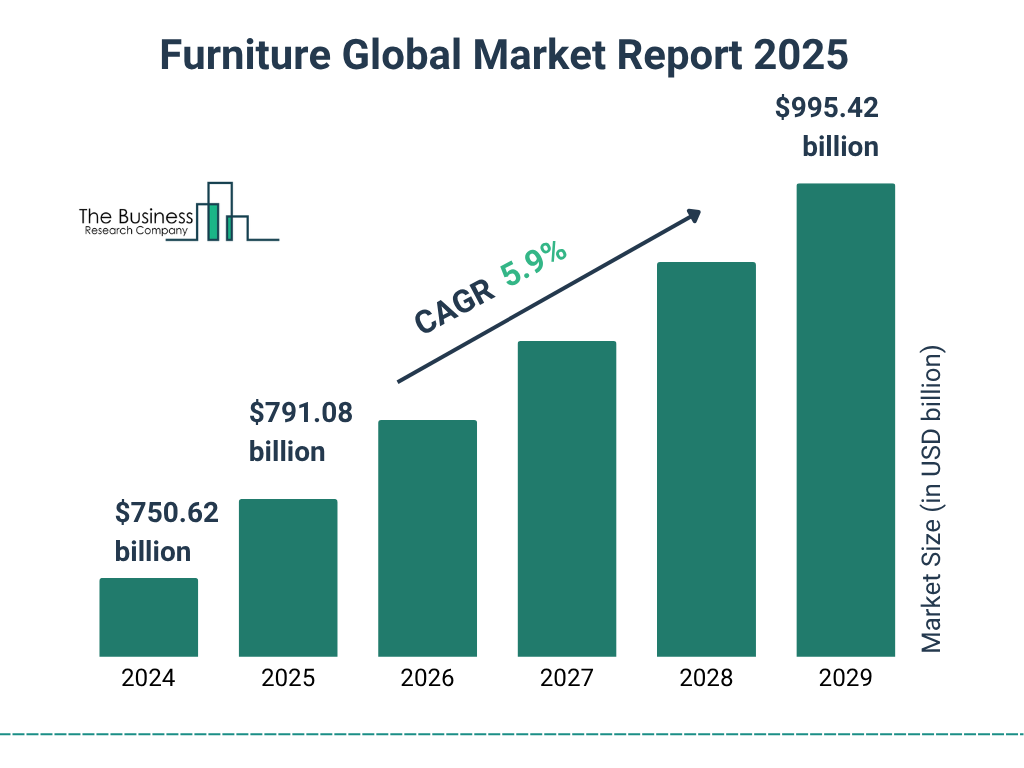
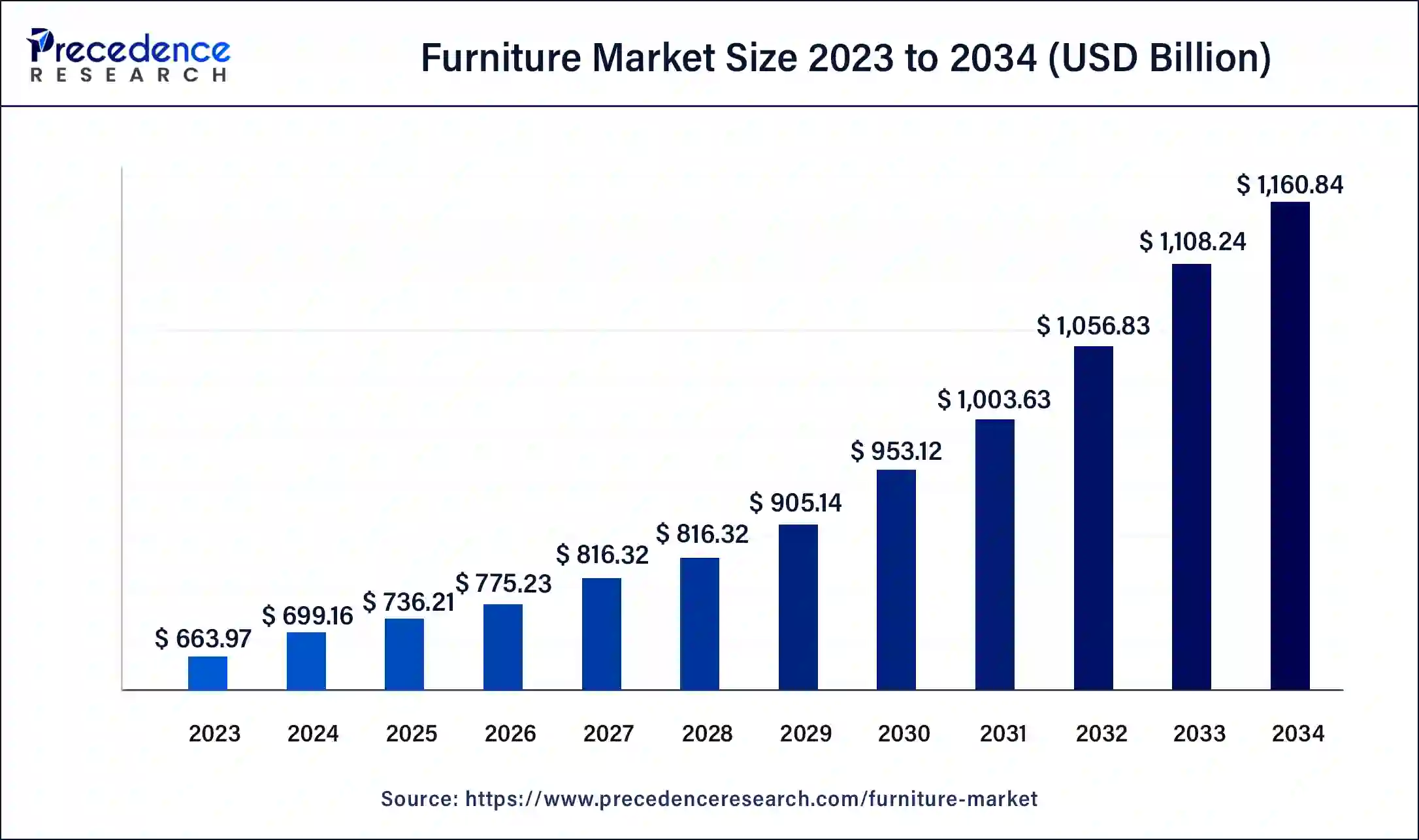
Africa’s furniture industry in 2025 stands as a dynamic reflection of the continent’s economic growth, creativity, and manufacturing resilience. With rapid urbanization, a rising middle class, and renewed interest in locally made products, African-owned furniture companies are redefining modern living spaces. These enterprises combine craftsmanship with innovation, leveraging technology, sustainable sourcing, and culturally rooted designs that resonate both locally and globally. The furniture market in Africa, valued at over $20 billion in 2024, continues to attract investment from domestic and international players, yet African-founded firms are increasingly setting the pace.
The Top 10 Furniture Companies in Africa in 2025 highlights a mix of legacy brands and emerging disruptors that together shape the continent’s home and office furniture landscape. Established manufacturers such as Pepkor Holdings and Latex Foam anchor the industry through large-scale production and retail networks, while rising brands like Taeillo (Nigeria) and Me&Co (South Africa) are leveraging e-commerce and digital design tools to reach new markets. These companies not only provide essential household and commercial solutions but also contribute significantly to employment, with many operating large factories and employing hundreds to thousands of workers across multiple African regions.
Beyond their economic contributions, these companies embody Africa’s growing commitment to sustainable design and industrial self-sufficiency. Many are increasingly adopting circular production models, using locally sourced materials, and developing products that balance aesthetic appeal with affordability. Together, the top furniture companies of 2025 reflect a continent confidently asserting its place in global design and manufacturing, proving that “Made in Africa” furniture can compete on quality, scale, and innovation.

10. Taeillo (Nigeria)
Taeillo was founded in 2018 in Lagos, Nigeria by entrepreneur Jumoke Dada. Its mission is to deliver African-inspired furniture designs using modern e-commerce methods and tech (such as augmented reality / virtual reality tools) to enhance customer experience. The company is privately held and headquartered in Ikeja, Lagos.
Since its founding, Taeillo has raised approximately $3 million over several funding rounds. A notable round was in December 2022, when it secured $2.5 million in seed funding from Aruwa Capital Management, to scale operations particularly within Nigeria and expand into East Africa. Earlier, it had received bridge and pre-seed funding from investors such as Co-Creation Hub (CcHub) and others. The company operates in both online (direct e-commerce) and showroom/physical display channels to reach its customers.
Taeillo is modest in size compared to large legacy furniture firms; as per its LinkedIn company profile, it has 51-200 employees. Its product portfolio includes living room couches, Afro-urban furniture, lighting & décor, with specialties in “ready-to-assemble” furniture and items designed to reflect African aesthetics. The company also emphasizes environmental consciousness in its processes, including zero-waste design ambitions and sourcing materials responsibly.
Taeillo’s strategy places a strong emphasis on scalability, cost control, and design innovation—using tech (e.g. AR/VR) to differentiate its customer experience. The recent investment has been earmarked for increasing production capacity, improving delivery infrastructure, and expanding its product lines.
Among the challenges are competition from both low-cost imported furniture, fluctuations in raw material costs, and logistical issues across Nigeria. Looking ahead, Taeillo is positioned to deepen its footprint not just in Nigeria but in East Africa, continue leveraging technology, and aim for more affordable, quality furniture solutions in the mass market.
9. Chagoury Group (Nigeria)
Chagoury Group is a Nigerian multinational conglomerate founded in 1971 by brothers Gilbert R. Chagoury and Ronald Chagoury. The group is headquartered in Lagos, Nigeria, and operates primarily in Nigeria and West Africa. Its portfolio spans multiple sectors including construction, real estate, hospitality, flour milling, glass, water bottling, telecommunications, insurance, and notably for this profile, furniture manufacturing through its Silhouette Furniture subsidiary.
Silhouette Furniture is the Chagoury Group’s furniture‐manufacturing arm. Its factory is located in Port Harcourt, Nigeria, where it produces both home and office furniture. Products under the Silhouette brand are used by other Chagoury companies, for hotels (e.g. Eko Hotel & Suites in Lagos, Hotel Presidential in Port Harcourt, Metropolitan Hotel in Calabar) as well as for external customers. The company has been undergoing restructuring and re‐equipment of its Port Harcourt facility.
While exact numbers for Silhouette’s furniture workforce are not published as of mid-2025, the Chagoury Group as a whole employs tens of thousands of people across its divisions. The furniture division is notable for recent investments: Silhouette’s Port Harcourt factory is being re-equipped with “state of the art machinery,” and new product lines are in planning. There is also a strategic push to expand showrooms and to scale its bespoke furniture offerings for contractors.
They currently focuses primarily on the Nigerian market, though Chagoury reports that a “full export drive” is being planned towards neighbouring West African countries. Publicly disclosed revenue figures specific to Silhouette are limited; the Chagoury Group’s overall net worth and business valuations are substantial (Gilbert Chagoury has been cited among Nigeria’s wealthy businesspersons with diversified holdings), but furniture revenue is not broken out in depth in most reports. Key challenges for the furniture division include competition from cheaper imports, the cost of modernizing equipment, and logistics/supply chain constraints. Still, Silhouette’s upgrading of facilities and product line expansion indicate a commitment to scale and quality improvement.

8. That Couch Place (South Africa)
That Couch Place was established in 2010 and is based in Pretoria, Gauteng Province, South Africa. The business is privately owned, local, and primarily serves customers in Gauteng, although it also accepts orders from further afield with transport arrangements. The company operates a showroom in Pretoria where customers can view its lounge, bedroom, dining, mattress, and bed furniture offerings.
That Couch Place manufactures a wide range of furniture: lounge suites, couches, sofas, dining sets, beds, and mattresses. Approximately 70% of its product line is manufactured in house, while 90% of all products are locally manufactured in South Africa, reflecting a strong emphasis on local production and reducing reliance on imports. The products cater both to wholesalers and direct retail customers, with pricing focused on being high-quality yet affordable.
Specific recent data on That Couch Place’s staff numbers and revenue isn’t publicly available as of mid-2025. What is known is that it is a relatively small to mid-sized operation with local production capacity sufficient to support its showroom operations in Pretoria and fulfil orders both within Gauteng and in some cases further out. The business model combines online and physical showroom sales, which helps with customer reach and engagement without needing a very large footprint.
Strategically, That Couch Place has invested heavily in in-house production and local supply chain. The high percentages of local manufacture (70–90%) suggest investments in tooling, workshops, and sourcing of materials. This helps control costs, improve lead times, and appeal to customers seeking locally-made furniture. However, the lack of published financials suggests some constraints with scale: challenges likely include managing raw-material price fluctuations, labour and utility costs, and competing with cheaper imports. The showroom-plus-online model helps buffer some of these pressures. Going forward, That Couch Place seems positioned to deepen its local production, possibly expand its showroom presence, and strengthen its logistics capability to serve customers outside its immediate region more efficiently.
7. Aristocraft Furniture Manufacture (South Africa)
Aristocraft is a South African furniture manufacturer based in Pretoria, Gauteng Province. The company is led by CEO Faizel Motani, who emphasizes high-quality design, craftsmanship, and local manufacture. The business prides itself on being wholly local, serving South African retailers and high-end customers with luxury and everyday furniture designs while employing local artisans and manufacturers.
Aristocraft produces a wide array of furniture pieces: bedroom suites, dining room suites, lounge furniture, chairs, headboards, coffee tables, plasma units, and bespoke custom orders. The company offers both upholstered and wooden furniture, and its design language leans toward clean modern lines, combining sleek materials with durable construction. The factory is world-class, with an emphasis on using quality raw materials and precision manufacturing processes.
Aristocraft reportedly employs over 100 people, which includes manufacturing, upholstery, design, administrative staff, and sales. While this is modest compared to large mass-market furniture companies, it is consistent with its…