



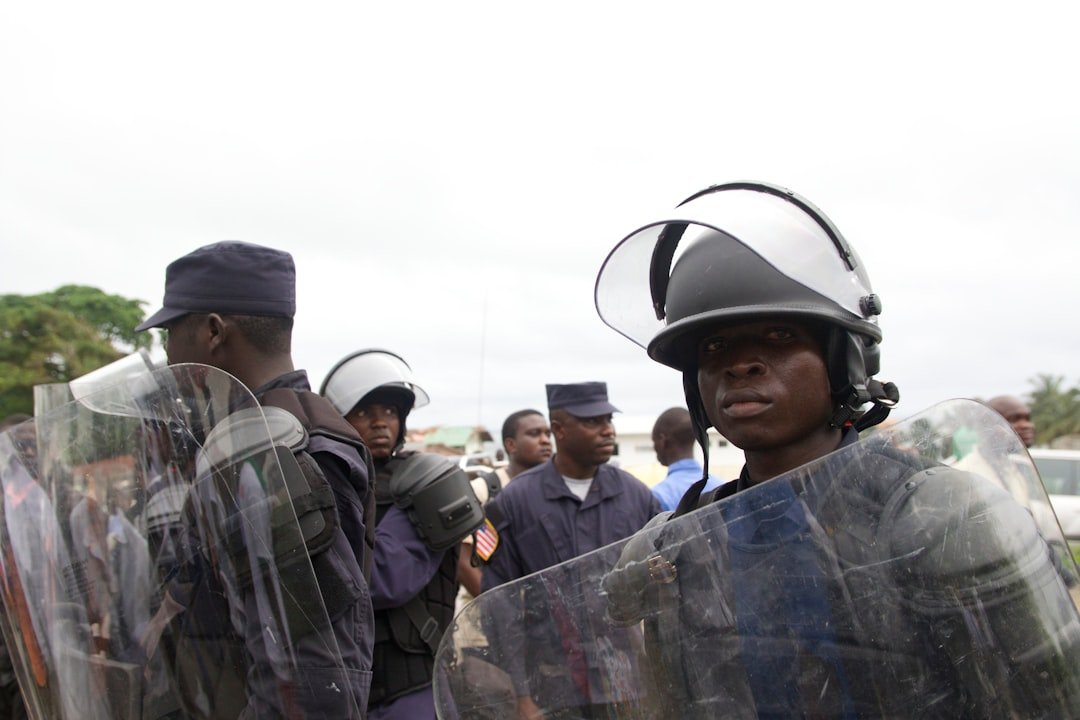
The landscape of policing in Africa is undergoing a significant transformation, driven by the rapid advancement of technology. As nations across the continent grapple with issues such as crime, corruption, and inadequate resources, the integration of modern technological solutions has emerged as a beacon of hope. From mobile applications that facilitate communication between citizens and law enforcement to sophisticated surveillance systems that enhance crime detection, technology is reshaping the way policing is conducted in Africa.
This evolution is not merely about adopting new tools; it represents a paradigm shift in how law enforcement agencies operate, engage with communities, and respond to the challenges of modern crime. The introduction of technology into African policing is not without its complexities. While it offers numerous benefits, it also raises questions about ethics, privacy, and the digital divide that exists within many African nations.
As police forces strive to modernize and become more efficient, they must navigate these challenges carefully. The potential for technology to enhance public safety and improve community relations is immense, but it requires a thoughtful approach to implementation and governance. This article delves into the current state of policing technology in Africa, exploring its advantages, challenges, and the future prospects for law enforcement on the continent.
The Current State of Policing Technology in Africa
The current state of policing technology in Africa is characterized by a mix of innovation and disparity. In urban centers, where resources are more readily available, police forces are increasingly adopting advanced technologies such as body-worn cameras, drones, and automated license plate recognition systems. For instance, cities like Nairobi and Johannesburg have begun to implement smart surveillance systems that utilize artificial intelligence to monitor public spaces and identify criminal activity in real-time.
These technologies not only enhance situational awareness for law enforcement but also serve as a deterrent to potential offenders. Conversely, rural areas often lag behind in technological adoption due to limited infrastructure and financial constraints. Many police departments in these regions still rely on traditional methods of policing, which can be less effective in addressing contemporary crime challenges.
The disparity in technological access creates a two-tiered system of policing within countries, where urban populations benefit from advanced tools while rural communities remain vulnerable. This uneven distribution of technology highlights the need for comprehensive strategies that ensure equitable access to modern policing tools across all regions.
Advantages of Implementing Technology in African Policing

The advantages of implementing technology in African policing are manifold and can significantly enhance the effectiveness of law enforcement agencies. One of the most notable benefits is improved communication between police forces and the communities they serve. Mobile applications designed for reporting crimes or suspicious activities empower citizens to engage with law enforcement more actively.
For example, platforms like “My Police” in South Africa allow users to report incidents directly to the police via their smartphones, fostering a sense of collaboration and trust between the public and law enforcement. Additionally, technology can streamline administrative processes within police departments, leading to increased efficiency and reduced response times. Digital record-keeping systems enable officers to access vital information quickly, facilitating informed decision-making during critical incidents.
Moreover, data analytics can help identify crime patterns and hotspots, allowing police forces to allocate resources more effectively. By leveraging technology in these ways, African police agencies can enhance their operational capabilities and ultimately improve public safety outcomes.
Challenges and Barriers to Technological Implementation in African Policing
Despite the clear advantages of integrating technology into policing practices, several challenges hinder its widespread adoption across Africa. One significant barrier is the lack of adequate infrastructure, particularly in rural areas where internet connectivity may be sporadic or nonexistent. This digital divide not only limits access to technological tools but also exacerbates existing inequalities in policing services.
Without reliable internet access or electricity, many police departments struggle to implement even basic technological solutions. Furthermore, there are concerns regarding training and capacity building within law enforcement agencies. The introduction of new technologies often requires specialized knowledge and skills that may not be readily available among existing personnel.
In many cases, police officers may lack the necessary training to effectively utilize advanced tools such as data analytics software or surveillance systems. This skills gap can lead to underutilization of technology and diminish its potential impact on policing efforts. Addressing these challenges requires a concerted effort from governments, NGOs, and international partners to invest in infrastructure development and training programs for law enforcement personnel.
Examples of Successful Technological Integration in African Policing
Several African countries have made notable strides in successfully integrating technology into their policing practices, serving as models for others on the continent. In Kenya, for instance, the National Police Service has implemented a digital platform known as the Integrated Command and Control System (ICCS). This system allows for real-time monitoring of police operations and facilitates better coordination among various units within the force.
The ICCS has proven instrumental in improving response times during emergencies and enhancing overall operational efficiency. Another compelling example comes from Rwanda, where the government has embraced technology as part of its broader vision for national development. The Rwanda National Police has adopted a range of technological solutions, including drones for surveillance and crime scene investigation.
These drones have been particularly effective in monitoring large gatherings or events, ensuring public safety while minimizing the risk of violence or disorder. Such initiatives demonstrate how technology can be harnessed to create safer communities while also fostering trust between citizens and law enforcement.
The Role of Data and Analytics in African Policing

Data and analytics play a crucial role in modernizing policing practices across Africa. By harnessing data-driven insights, law enforcement agencies can make informed decisions that enhance their effectiveness in preventing and responding to crime. For example, predictive policing models utilize historical crime data to identify potential hotspots for criminal activity, allowing police forces to allocate resources strategically.
This proactive approach not only helps deter crime but also enables officers to engage with communities more effectively. Moreover, data analytics can facilitate better understanding of community needs and concerns. By analyzing feedback from citizens through various channels—such as social media or community forums—police departments can tailor their strategies to address specific issues faced by different neighborhoods.
This responsiveness fosters greater trust between law enforcement and communities, ultimately leading to improved public safety outcomes. However, it is essential that data collection practices are conducted ethically and transparently to maintain public confidence in law enforcement agencies.
The Impact of Technology on Crime Prevention and Detection in Africa
The impact of technology on crime prevention and detection in Africa is profound and multifaceted. Advanced surveillance systems equipped with facial recognition capabilities have emerged as powerful tools for identifying suspects and solving crimes more efficiently. In cities like Lagos, Nigeria, closed-circuit television (CCTV) cameras are strategically placed throughout urban areas to monitor public spaces and deter criminal activity.
These systems not only aid in real-time crime detection but also provide valuable evidence for investigations. Additionally, social media platforms have become instrumental in crime prevention efforts across the continent. Police departments are increasingly using social media to disseminate information about ongoing investigations or safety alerts while also engaging with citizens directly.
For instance, during periods of civil unrest or protests, law enforcement agencies can use social media channels to communicate their presence and intentions clearly, helping to de-escalate tensions and prevent violence. This dynamic interaction between technology and community engagement represents a significant shift in how policing is approached in Africa.
Ethical and Privacy Considerations in the Use of Technology in African Policing
As African nations embrace technological advancements in policing, ethical considerations surrounding privacy and civil liberties must be at the forefront of discussions. The deployment of surveillance technologies raises important questions about individual rights and the potential for abuse by law enforcement agencies. For instance, facial recognition technology has been criticized for its potential to infringe on privacy rights if not regulated properly.
There is a risk that such technologies could be used disproportionately against marginalized communities or for purposes beyond their intended scope. Moreover, data collection practices must be transparent and accountable to ensure public trust in law enforcement agencies. Citizens should be informed about what data is being collected, how it will be used, and who has access to it.
Establishing clear guidelines for data protection and privacy can help mitigate concerns while allowing police forces to leverage technology effectively. Engaging with civil society organizations and community stakeholders during the implementation process can foster dialogue around these ethical issues and promote responsible use of technology in policing.
The Future of Technology in African Policing
Looking ahead, the future of technology in African policing holds immense potential for further transformation within law enforcement agencies. As advancements continue to emerge—such as artificial intelligence (AI), machine learning, and blockchain—police forces will have access to increasingly sophisticated tools that can enhance their operational capabilities. For example, AI-driven analytics could revolutionize crime prediction models by incorporating real-time data from various sources, enabling more accurate assessments of emerging threats.
Furthermore, as mobile technology becomes more ubiquitous across Africa, police departments may leverage mobile applications not only for reporting crimes but also for community engagement initiatives. These platforms could facilitate two-way communication between citizens and law enforcement while providing valuable feedback on policing strategies. The integration of technology into community policing efforts could foster greater collaboration between police forces and the communities they serve, ultimately leading to safer environments.
International Collaboration and Support for Technological Advancements in African Policing
International collaboration plays a vital role in supporting technological advancements within African policing frameworks. Partnerships between African nations and international organizations can facilitate knowledge sharing, capacity building, and resource mobilization necessary for effective implementation of technology in law enforcement. Programs aimed at enhancing cybersecurity measures or providing training on data analytics can empower police forces across the continent to adopt best practices while mitigating risks associated with technological integration.
Moreover, funding from international donors can help bridge the gap between resource-rich urban centers and underserved rural areas by investing in infrastructure development projects that enhance connectivity and access to technology. Collaborative efforts can also promote research initiatives focused on understanding the unique challenges faced by African nations regarding crime prevention and detection while identifying innovative solutions tailored to local contexts.
The Potential of Technology to Transform Policing in Africa
The integration of technology into African policing presents an unprecedented opportunity for transformation within law enforcement agencies across the continent. While challenges remain—ranging from infrastructure limitations to ethical considerations—the potential benefits are substantial. By embracing technological advancements thoughtfully and inclusively, African nations can enhance public safety outcomes while fostering trust between citizens and law enforcement.
As countries continue to navigate this evolving landscape, it is essential that they prioritize equitable access to technology while ensuring ethical practices guide its implementation. With international collaboration supporting these efforts, there is hope that technology will not only modernize policing practices but also contribute significantly to building safer communities throughout Africa.
In recent years, technology has played a crucial role in transforming policing practices across Africa, enhancing efficiency and accountability. For a deeper understanding of how technology is influencing various sectors, you can read about the impact of cultural trends in the article on fashion mistakes at 7 Most Common Plus Size Fashion Mistakes and Steps to Avoid Them. While it may seem unrelated at first glance, the integration of technology in fashion parallels the advancements in policing, showcasing how innovation can reshape industries and improve outcomes.
