

The call for police reform in Africa has become increasingly urgent as communities grapple with issues of safety, justice, and human rights. Many African nations are experiencing a crisis of confidence in their law enforcement agencies, which are often perceived as corrupt, ineffective, and unaccountable. This perception is not unfounded; numerous reports and studies have highlighted systemic issues within police forces, including excessive use of force, arbitrary arrests, and a lack of transparency.
The need for reform is not merely a matter of improving public perception; it is essential for fostering trust between communities and the police, which is a cornerstone of effective governance and social stability. Moreover, the challenges posed by crime and violence in many African countries necessitate a re-evaluation of policing strategies. Traditional methods may no longer suffice in addressing the complexities of modern crime, including organized crime, cybercrime, and terrorism.
As urbanization continues to rise, with more people moving to cities, police forces must adapt to new realities and demands. Reforming police practices to be more community-oriented and responsive to the needs of citizens is crucial for enhancing public safety and ensuring that law enforcement agencies serve their intended purpose: to protect and serve all members of society equitably.
Historical Context of Policing in Africa
The historical context of policing in Africa is deeply intertwined with colonial legacies that have shaped the relationship between law enforcement and the communities they serve. During colonial rule, police forces were often established primarily to maintain order and suppress dissent among local populations. This legacy has left a lasting impact on the perception of police as instruments of oppression rather than protectors of public safety.
In many cases, the structures and practices established during colonial times have persisted post-independence, leading to a continuation of mistrust and resentment towards police forces. In the decades following independence, many African nations faced political instability, civil wars, and authoritarian regimes that further exacerbated the challenges within policing. Police forces were frequently used as tools of state repression, leading to widespread human rights abuses.
The lack of accountability mechanisms allowed for rampant corruption and misconduct, further alienating communities from law enforcement. Understanding this historical context is essential for recognizing the deep-seated issues that must be addressed in any meaningful police reform initiative.
Challenges Faced by African Police Forces


African police forces face a myriad of challenges that hinder their effectiveness and ability to serve communities adequately. One significant issue is the lack of resources, which manifests in inadequate funding, insufficient training, and a shortage of personnel. Many police departments operate with outdated equipment and limited access to technology, making it difficult for them to respond effectively to crime or engage in proactive policing strategies.
This resource scarcity often leads to low morale among officers, who may feel ill-equipped to perform their duties. Additionally, the prevalence of corruption within police ranks poses a significant barrier to reform. Corruption can take many forms, from bribery and extortion to collusion with criminal enterprises.
This not only undermines public trust but also perpetuates a cycle of impunity where officers are not held accountable for their actions. The challenge is compounded by societal factors such as poverty and inequality, which can create environments where corruption flourishes. Addressing these systemic issues requires comprehensive strategies that go beyond mere policy changes; they necessitate a cultural shift within law enforcement agencies.
Efforts and Initiatives for Police Reform
In response to the pressing need for reform, various initiatives have emerged across the continent aimed at transforming policing practices. Some countries have begun implementing community policing models that emphasize collaboration between law enforcement and local communities. These models encourage officers to engage with residents, understand their concerns, and work together to develop solutions to crime and safety issues.
For instance, in South Africa, community policing forums have been established to facilitate dialogue between police and community members, fostering a sense of shared responsibility for public safety. International organizations and non-governmental organizations (NGOs) have also played a crucial role in supporting police reform efforts. Programs focused on capacity building, training, and the establishment of accountability mechanisms have been implemented in various countries.
For example, initiatives funded by the United Nations or the African Union often include training programs aimed at enhancing the skills of police officers in areas such as human rights, conflict resolution, and investigative techniques. These efforts are vital for creating a more professional and accountable police force that can effectively serve its communities.
Role of International Organizations in Supporting Police Reform
International organizations have increasingly recognized the importance of supporting police reform in Africa as part of broader efforts to promote peace, security, and human rights on the continent. The United Nations has been particularly active in this regard, providing technical assistance and resources to member states seeking to reform their policing systems. Through various programs, the UN has facilitated dialogue among stakeholders, including government officials, civil society organizations, and law enforcement agencies, to develop comprehensive reform strategies tailored to specific national contexts.
The African Union has also taken steps to address policing issues through its Agenda 2063 framework, which emphasizes good governance and accountability as key pillars for sustainable development. By promoting regional cooperation and sharing best practices among member states, the African Union aims to strengthen law enforcement capabilities across the continent. Additionally, partnerships with NGOs often enhance these efforts by providing grassroots perspectives on policing challenges and advocating for community involvement in reform processes.
Community Engagement and Accountability in Policing
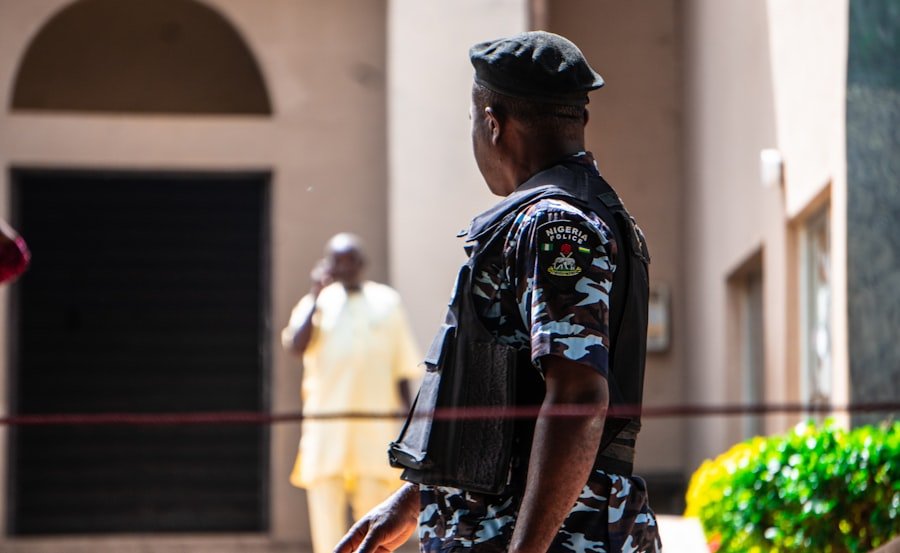

Community engagement is a critical component of effective policing reform in Africa. Building trust between law enforcement agencies and communities is essential for fostering cooperation in crime prevention and resolution. Initiatives that promote community involvement can take various forms, such as neighborhood watch programs or community advisory boards that allow citizens to voice their concerns directly to police leadership.
These platforms not only empower communities but also provide valuable insights into local issues that may not be apparent from a top-down perspective. Accountability mechanisms are equally important in ensuring that police forces operate transparently and ethically. Establishing independent oversight bodies can help investigate complaints against police officers and hold them accountable for misconduct.
In some countries, civilian review boards have been established to provide oversight of police actions and ensure that community voices are heard in matters related to law enforcement practices. Such measures are crucial for rebuilding trust between communities and police forces, as they demonstrate a commitment to accountability and responsiveness.
Training and Professional Development for Law Enforcement

Training and professional development are fundamental aspects of any successful police reform initiative. Many African police forces have historically lacked access to comprehensive training programs that equip officers with the skills necessary to perform their duties effectively. Modern policing requires not only technical skills but also an understanding of human rights principles, cultural sensitivity, and conflict resolution techniques.
Investing in ongoing training programs can significantly enhance the professionalism of law enforcement agencies. Collaborations with international partners can provide valuable resources for training initiatives. For instance, partnerships with foreign police agencies or academic institutions can facilitate knowledge exchange and provide access to best practices in policing.
Additionally, incorporating community engagement strategies into training curricula can help officers understand the importance of building relationships with citizens as part of their daily responsibilities. By prioritizing professional development, African nations can cultivate a new generation of law enforcement officers who are better equipped to meet the challenges of modern policing.
Addressing Corruption and Misconduct within Police Forces
Corruption within police forces remains one of the most significant obstacles to effective law enforcement in Africa. Addressing this issue requires a multifaceted approach that includes both preventive measures and punitive actions against corrupt practices. Establishing clear codes of conduct for officers can help set expectations for ethical behavior while also providing a framework for accountability when violations occur.
Furthermore, implementing whistleblower protections can encourage officers to report misconduct without fear of retaliation. In addition to internal measures, fostering a culture of transparency is essential for combating corruption within police ranks. Public access to information regarding police operations, budgets, and disciplinary actions can help build trust with communities while also holding officers accountable for their actions.
Engaging civil society organizations in monitoring police activities can further enhance transparency efforts by providing independent oversight and advocacy for reform.
Utilizing Technology for Effective Policing
The integration of technology into policing practices presents both opportunities and challenges for African law enforcement agencies. On one hand, advancements in technology can enhance operational efficiency and improve crime-fighting capabilities. For example, the use of data analytics can help identify crime hotspots and inform resource allocation decisions.
Additionally, technologies such as body-worn cameras can promote accountability by providing objective evidence during encounters between police officers and citizens. However, the implementation of technology must be approached with caution to ensure that it does not infringe upon civil liberties or exacerbate existing inequalities. Issues related to data privacy and surveillance must be carefully considered when adopting new technologies in policing practices.
Moreover, ensuring equitable access to technology across different regions is crucial; urban areas may benefit from advanced tools while rural regions may remain underserved if resources are not allocated thoughtfully.
Ensuring Human Rights and Civil Liberties in Policing
The protection of human rights and civil liberties is paramount in any discussion about policing reform in Africa. Law enforcement agencies must operate within a framework that respects the rights of all individuals while maintaining public safety. This includes adhering to principles such as proportionality in the use of force, safeguarding against arbitrary detention, and ensuring due process during legal proceedings.
Training programs focused on human rights education can help instill these values within police culture. Moreover, engaging communities in discussions about their rights can empower citizens to advocate for themselves when interacting with law enforcement agencies. Public awareness campaigns that educate individuals about their rights during encounters with police can foster greater accountability while also encouraging respectful interactions between officers and community members.
By prioritizing human rights considerations in policing practices, African nations can work towards building more just and equitable societies.
Future Outlook for Police Reform in Africa
The future outlook for police reform in Africa hinges on several critical factors that will shape the trajectory of law enforcement agencies across the continent. As public demand for accountability grows alongside increasing awareness of human rights issues, there is potential for significant progress in transforming policing practices. However, this progress will require sustained commitment from governments, civil society organizations, and international partners alike.
Continued investment in training programs, community engagement initiatives, and technological advancements will be essential for fostering effective policing models that prioritize public safety while respecting individual rights. Additionally, addressing systemic issues such as corruption will require ongoing vigilance and collaboration among stakeholders at all levels. As African nations navigate these challenges, there remains hope that comprehensive police reform can lead to more effective law enforcement agencies capable of serving their communities with integrity and respect.
In the ongoing discussion about police reform in Africa, it is essential to consider various perspectives and case studies that highlight the challenges and successes of such initiatives. One relevant article that touches on broader societal issues, including governance and public safety, is found here: Serie A: Mourinho Sent Off as Roma Receive Three Red Cards, Lose 5-2. This piece, while primarily focused on sports, reflects the importance of accountability and discipline, themes that are also crucial in the context of police reform.