
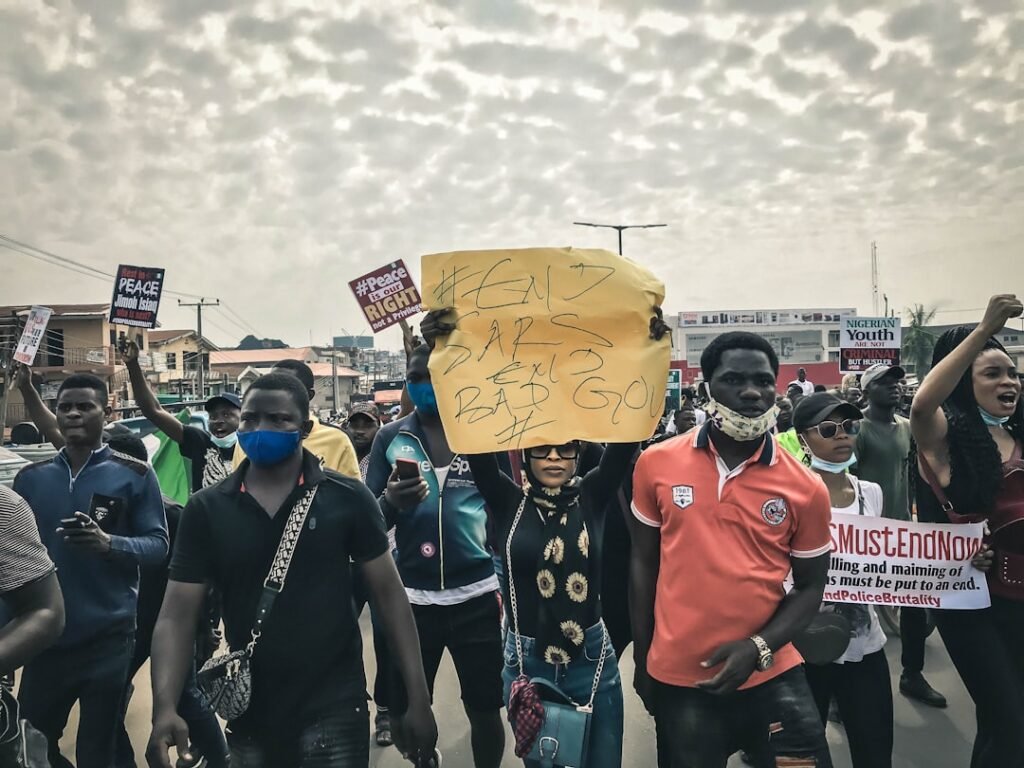
The history of police brutality in Africa is deeply intertwined with the continent’s colonial past and the subsequent struggles for independence. During the colonial era, law enforcement agencies were often established to maintain control over local populations, using violence and intimidation as tools of oppression. The police were not seen as protectors of the people but rather as instruments of colonial rule, enforcing laws that served the interests of the colonizers.
This legacy of violence has persisted in various forms even after many African nations gained independence in the mid-20th century. In the post-colonial period, many African governments adopted authoritarian practices, often employing police forces to suppress dissent and maintain power. The brutality exhibited by these forces was not merely a continuation of colonial practices but also a reflection of the political instability and social unrest that characterized many newly independent states.
For instance, in countries like Uganda under Idi Amin and Zimbabwe under Robert Mugabe, police brutality became a hallmark of governance, with law enforcement agencies acting with impunity against perceived enemies of the state. This historical context is crucial for understanding the current dynamics of police brutality across the continent.
The Causes and Triggers of Police Brutality in Africa
Several factors contribute to the prevalence of police brutality in Africa, with systemic issues often at the forefront. One significant cause is the lack of proper training and resources for law enforcement agencies. Many police forces operate under inadequate funding, leading to poorly trained officers who may resort to violence as a means of asserting authority.
This lack of professionalism is exacerbated by a culture that often glorifies aggressive policing tactics, where officers are rewarded for their ability to instill fear rather than protect citizens. Additionally, socio-economic factors play a critical role in triggering instances of police brutality. High levels of poverty, unemployment, and inequality can create an environment where tensions between law enforcement and communities escalate.
For example, in South Africa, the Marikana massacre in 2012 highlighted how economic disparities and labor unrest could lead to violent confrontations between police and civilians. The police response to protests and demonstrations often reflects a broader societal frustration, where marginalized communities feel that their grievances are met with hostility rather than understanding.
The Impact of Police Brutality on African Communities

The impact of police brutality on African communities is profound and multifaceted, affecting not only individual victims but also the broader social fabric. Victims of police violence often suffer physical injuries, psychological trauma, and even death, leaving families devastated and communities in mourning. The fear instilled by police brutality can lead to a breakdown of trust between law enforcement and the communities they are meant to serve.
This erosion of trust can hinder cooperation in crime prevention and community safety initiatives, ultimately making neighborhoods less secure. Moreover, police brutality can exacerbate existing social tensions and contribute to cycles of violence. When communities perceive law enforcement as an occupying force rather than a protective entity, it can lead to increased hostility and resistance against police actions.
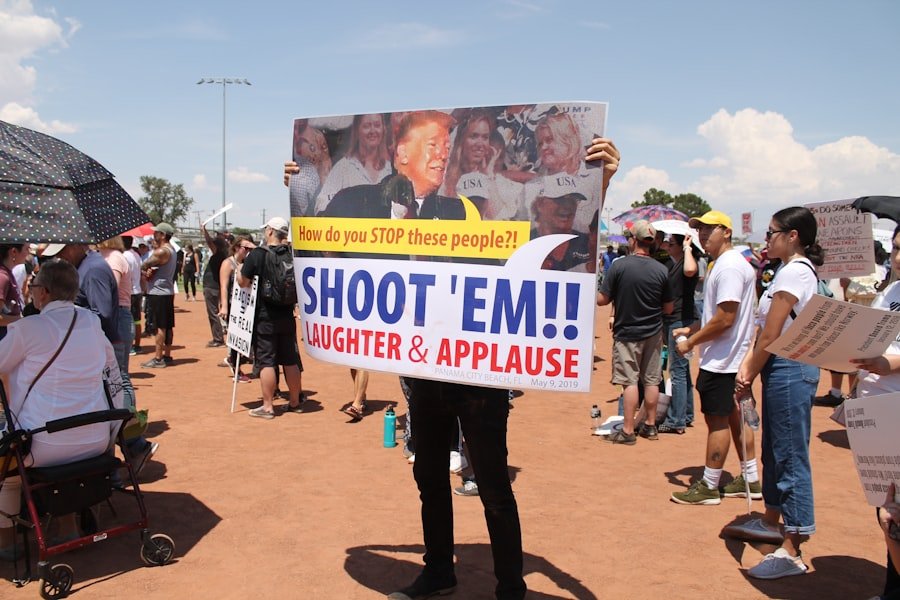
This dynamic was evident during the protests following the killing of George Floyd in the United States, which resonated globally, including in African nations where similar grievances against police violence were voiced. The resulting unrest can further destabilize communities already grappling with economic challenges and political strife.
The Role of Corruption in Police Brutality in Africa
Corruption is a significant factor that fuels police brutality in Africa, creating an environment where law enforcement operates without accountability. In many cases, police officers may engage in corrupt practices such as extortion or bribery, undermining their role as protectors of public safety. This corruption can lead to a culture where officers feel emboldened to use excessive force without fear of repercussions.
For instance, reports from various countries indicate that police officers may target vulnerable populations for bribes, using threats or violence to coerce compliance. The intertwining of corruption and brutality creates a vicious cycle that is difficult to break. When citizens lose faith in the integrity of law enforcement due to corrupt practices, they may be less likely to report crimes or cooperate with investigations.
This lack of cooperation can further embolden corrupt officers, leading to an escalation in violent tactics as they seek to maintain control through fear rather than community engagement. Addressing corruption within police forces is essential for fostering accountability and reducing instances of brutality.
The Response of African Governments to Police Brutality
The response of African governments to incidents of police brutality has been varied and often inadequate. In some cases, governments have publicly condemned acts of violence by law enforcement; however, these statements are frequently followed by little action or reform. For example, after widespread protests against police brutality in Nigeria in 2020, the government announced the disbandment of the Special Anti-Robbery Squad (SARS), a unit notorious for its violent tactics.
Yet, many activists argued that this was merely a cosmetic change rather than a genuine effort to address systemic issues within the police force. In other instances, governments have responded with increased repression, deploying security forces to quell dissent rather than addressing the root causes of public outrage. This approach can lead to further violence and unrest, as seen in countries like Ethiopia and Sudan, where government crackdowns on protests have resulted in significant loss of life and heightened tensions between citizens and law enforcement.
The lack of meaningful reforms or accountability mechanisms perpetuates a cycle of violence that undermines public trust in government institutions.
The Role of International Organizations in Addressing Police Brutality in Africa
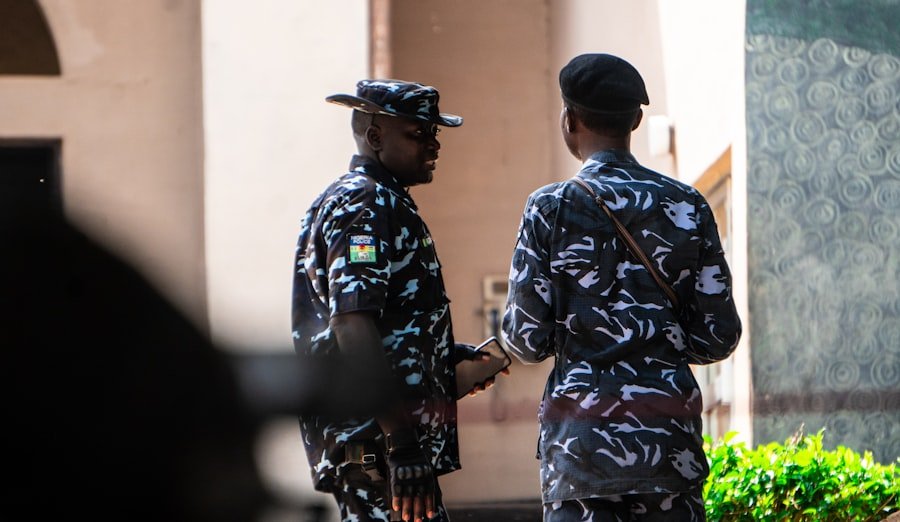

International organizations play a crucial role in addressing police brutality in Africa by advocating for human rights standards and providing support for reform initiatives. Bodies such as the United Nations and regional organizations like the African Union have established frameworks aimed at promoting accountability and protecting citizens from state violence. These organizations often conduct investigations into allegations of police brutality and provide recommendations for reform based on international human rights norms.
Moreover, international organizations can facilitate dialogue between governments and civil society groups, fostering an environment where concerns about police violence can be addressed constructively. For instance, initiatives aimed at training law enforcement personnel on human rights practices have been implemented in various African countries with support from international partners. However, the effectiveness of these efforts often hinges on the willingness of local governments to engage with these recommendations seriously and implement necessary changes.
The Effects of Police Brutality on Human Rights in Africa

Police brutality has far-reaching implications for human rights across Africa, undermining fundamental freedoms and eroding civil liberties. The use of excessive force by law enforcement not only violates individual rights but also creates an atmosphere of fear that stifles free expression and assembly. Citizens may hesitate to voice dissent or participate in protests due to concerns about violent reprisals from police forces.
This chilling effect on civil society can hinder democratic processes and limit public discourse on critical issues. Furthermore, systemic police brutality often disproportionately affects marginalized groups within society, including ethnic minorities, youth, and those living in poverty. These groups may face heightened scrutiny from law enforcement agencies and are more likely to experience violence at the hands of police officers.
As a result, police brutality exacerbates existing inequalities and contributes to a cycle of marginalization that undermines social cohesion and stability within communities.
The Role of Social Media in Exposing Police Brutality in Africa
Social media has emerged as a powerful tool for exposing instances of police brutality in Africa, providing a platform for victims and activists to share their experiences with a global audience. Platforms like Twitter, Facebook, and Instagram have facilitated real-time documentation of abuses, allowing individuals to bypass traditional media channels that may be reluctant to cover sensitive issues related to law enforcement violence. This democratization of information has led to increased awareness and mobilization around cases of police brutality.
The viral nature of social media campaigns has also prompted public outcry and pressure on governments to take action against abusive practices within their police forces. For example, the #EndSARS movement in Nigeria gained international attention through social media, leading to widespread protests against police violence and calls for reform. The ability to share videos and testimonies online has not only amplified individual voices but has also fostered solidarity among communities affected by police brutality across different countries.
The Efforts of Activists and Advocacy Groups in Combating Police Brutality in Africa
Activists and advocacy groups have been at the forefront of efforts to combat police brutality in Africa, employing various strategies to raise awareness and demand accountability from law enforcement agencies. These organizations often work tirelessly to document cases of abuse, provide legal support for victims, and advocate for policy reforms aimed at improving policing practices. Their grassroots efforts are crucial for amplifying the voices of those affected by violence and pushing for systemic change.
One notable example is the work done by organizations like Amnesty International and Human Rights Watch, which conduct investigations into allegations of police brutality across the continent. These organizations publish reports detailing human rights violations and provide recommendations for reform based on their findings. Additionally, local grassroots movements have emerged in response to specific incidents of police violence, mobilizing communities around shared experiences and demanding justice for victims.
The Need for Police Reform and Accountability in Africa
The need for comprehensive police reform in Africa is urgent if communities are to be protected from violence at the hands of those sworn to serve them. Reform efforts must address not only training and resources but also institutional culture within law enforcement agencies that perpetuates brutality. Establishing clear accountability mechanisms is essential for ensuring that officers who engage in misconduct face consequences for their actions.
Moreover, community engagement should be central to any reform initiatives aimed at improving policing practices. Building trust between law enforcement agencies and communities requires active participation from citizens in shaping policies that govern policing strategies. Collaborative approaches that involve community input can help create policing models that prioritize safety while respecting human rights.
The Future of Addressing Police Brutality in Africa
The future of addressing police brutality in Africa hinges on a collective commitment from governments, civil society organizations, international partners, and communities themselves. While challenges remain significant—ranging from entrenched corruption to political resistance—there is also a growing recognition of the need for change among various stakeholders. Increased advocacy efforts combined with technological advancements that facilitate documentation and dissemination of information about abuses can drive momentum toward reform.
As movements advocating for justice continue to gain traction across the continent, there is hope that sustained pressure will lead to meaningful changes within law enforcement agencies. The role of youth activism cannot be understated; young people are increasingly vocal about their rights and are leveraging social media platforms to demand accountability from those in power. Ultimately, fostering a culture of respect for human rights within policing practices will require ongoing dialogue, commitment to reform, and active participation from all sectors of society.
Police brutality remains a pressing issue in many African nations, often exacerbated by systemic corruption and a lack of accountability. A related article that delves into human rights concerns in the region is titled “China glossing its own human rights record, praises UN racism move,” which discusses broader implications of human rights violations, including police misconduct. You can read more about it [here](https://afroicon.com/china-glossing-its-own-human-rights-record-praises-un-racism-move/).