
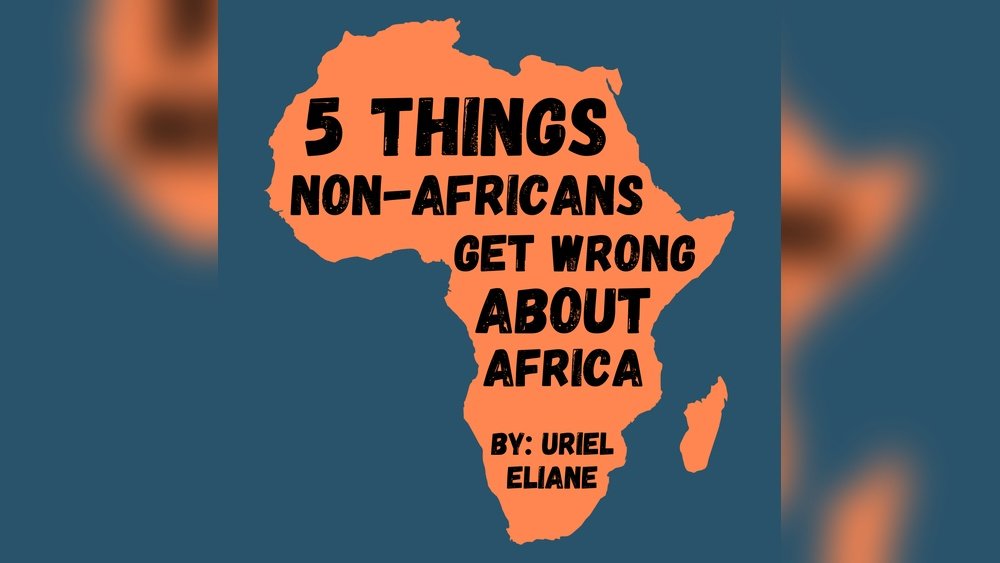
When you think about Africa, what images or ideas come to mind? Chances are, some of them might be shaped by stories you’ve heard or stereotypes that don’t tell the full truth.
But what if much of what you believe about Africa is actually based on common misconceptions? These false ideas can keep you from seeing the rich diversity, vibrant cultures, and incredible progress happening across the continent. If you’re ready to challenge what you think you know and discover a deeper, more accurate picture of Africa, keep reading.
Your perspective is about to change in ways you might not expect.

Credit: borgenproject.org
Common Myths About Africa
Africa is often misunderstood due to many common myths. These myths shape incorrect ideas about the continent. They affect how people view Africa’s diversity, culture, and progress. Clearing up these myths helps to see Africa more clearly and fairly.
Africa As A Single Country
Africa is not one country, but a continent with 54 nations. Each country has its own language, culture, and history. People often forget this and treat Africa as if it were a single place. This mistake ignores the rich variety across the continent. Africa’s countries differ widely in climate, politics, and traditions.
Perceptions Of Poverty And Underdevelopment
Many think all African countries are poor and underdeveloped. This idea is not true for all places. Some African nations have strong economies and modern cities. Others face challenges like poverty, but many work hard to improve. Africa is growing in technology, education, and business. Seeing the whole continent as poor hides these facts.
Stereotypes About African People
Stereotypes often paint African people in a negative or simple light. People assume they all live in rural areas or follow old customs. Many believe Africans lack education or skills. These ideas are wrong and unfair. African people are diverse with many talents, careers, and lifestyles. Stereotypes ignore the real stories and successes across Africa.
African Traditional Beliefs
African traditional beliefs form a rich and varied spiritual foundation across the continent. These beliefs are often misunderstood as simple or outdated. In truth, they offer deep insights into life, nature, and the universe. They influence daily life, social structures, and cultural practices. Understanding these beliefs helps to appreciate Africa’s diverse heritage.
Complexity Of African Religions
African traditional religions are not one single faith. They vary widely among different ethnic groups and regions. Each has unique gods, spirits, and rituals. Many religions include elaborate ceremonies and sacred texts. They address life’s big questions about creation, destiny, and morality. This diversity shows a sophisticated spiritual system.
Philosophical And Ethical Systems
These religions include deep philosophical ideas about human nature and society. They teach values like respect, honesty, and community support. Moral codes guide behavior and relationships. Wisdom is passed down through stories, proverbs, and elders. This ethical framework shapes personal and social conduct.
Role Of Nature And Spirituality
Nature plays a central role in African traditional beliefs. Mountains, rivers, and forests often hold spiritual power. Spirits of ancestors and natural forces are respected and honored. People believe in living in harmony with the environment. This connection strengthens their sense of identity and belonging.
Diverse Cultures And Histories
Africa is a continent filled with diverse cultures and rich histories. It is home to many peoples, each with their own unique traditions and stories. These cultures have shaped Africa’s identity for thousands of years. Understanding this diversity helps break common myths and stereotypes.
Richness Of African Myths And Legends
Africa’s myths and legends are deep and varied. They explain nature, life, and the universe. Stories about animals, gods, and heroes pass from one generation to the next. Each community has its own tales that carry lessons and values. These myths show how creative and wise African cultures are.
Variety Of Languages And Traditions
Africa has over 2,000 languages spoken across the continent. Each language holds unique ways of thinking and expressing ideas. Traditions differ widely between regions and ethnic groups. Music, dance, clothing, and ceremonies reflect these differences. This variety enriches Africa’s cultural landscape.
Contributions To World Heritage
Africa has contributed greatly to world heritage through art, architecture, and knowledge. Ancient cities, sculptures, and music have influenced global culture. African innovations in agriculture and medicine have helped humanity. Recognizing these achievements challenges narrow views about Africa’s role in history.
Challenges Facing The Continent
Africa faces many challenges that affect its growth and the well-being of its people. These challenges shape the continent’s present and future. Understanding them helps clear common misconceptions. The issues include economic hardships, political problems, environmental changes, and governance difficulties.
Poverty And Its Causes
Poverty remains a major problem in many African countries. Many people lack access to basic needs such as clean water, food, and healthcare. Causes include limited job opportunities and unequal resource distribution. Education gaps also prevent many from improving their lives. Poverty affects health and limits access to essential services.
Impact Of Political Instability
Political instability disrupts peace and development across Africa. Conflicts and weak governments cause uncertainty and fear. This instability leads to poor decision-making and slows economic growth. Many regions experience violence that drives people from their homes. Stability is key to attracting investment and improving living conditions.
Effects Of Climate Change
Climate change affects Africa’s environment and people deeply. Changes in rainfall patterns cause droughts and floods. These events harm agriculture, which many depend on for food and income. Water shortages and soil erosion threaten farming and livestock. Climate impacts increase food insecurity and force migration.
Infrastructure And Governance Issues
Infrastructure in many parts of Africa remains underdeveloped. Roads, electricity, and water systems often fail to meet needs. Poor infrastructure limits business growth and access to services. Governance issues, like corruption and weak institutions, hinder progress. Good leadership and transparent policies are needed for better development.

Misconceptions About African Development
Africa often faces many wrong ideas about its development. These ideas do not show the true progress happening across the continent. Many people think Africa is stuck and cannot grow. This is far from reality. Africa is changing fast in many ways. Understanding these changes helps clear up common myths and shows the real story.
Economic Growth And Innovation
Africa’s economy is growing steadily. Many countries show strong progress in industries and trade. Innovation is rising with new businesses and ideas. Entrepreneurs create solutions for local problems. Technology startups are increasing in number. These changes drive economic growth and create jobs. Africa is no longer just a place for aid. It is a land of opportunity and creativity.
Youth And Education
Africa has a young population full of potential. Millions of young people are going to school. Education is improving with better access and quality. Many students study science, technology, and business. Skills training helps youth join the workforce. This young generation is ready to lead change. They bring fresh energy and new ideas to their countries.
Urbanization And Technology
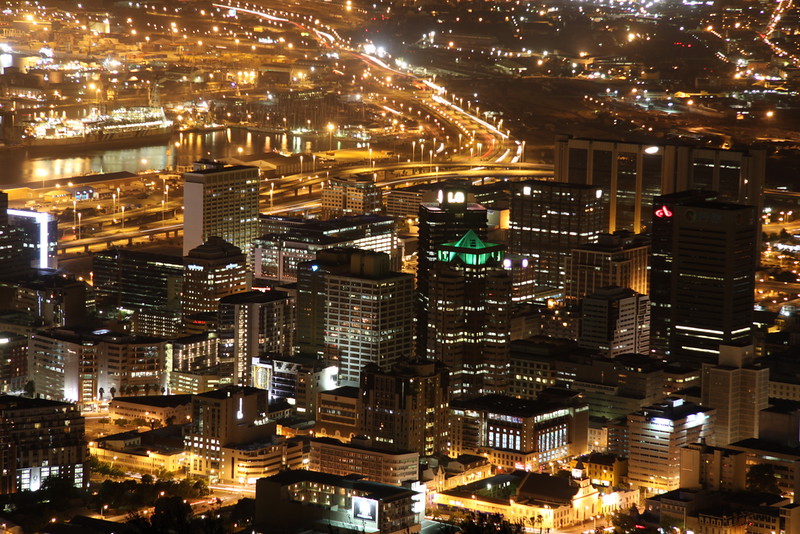
More Africans live in cities than before. Urban areas grow with new homes and services. Cities become centers of culture and business. Technology use spreads quickly in urban and rural areas. Mobile phones and the internet connect millions. Digital tools help with banking, health, and education. Technology supports faster growth and better life quality.


Credit: www.youtube.com
Breaking Stereotypes About African People
Africa is often misunderstood through narrow and inaccurate stereotypes. These myths ignore the true spirit and complexity of African people. Breaking these stereotypes helps reveal the real stories of strength and success across the continent.
Africans live diverse lives shaped by rich cultures, achievements, and leadership. They play vital roles in the global community. Recognizing this diversity challenges old views and celebrates African contributions.
Diversity Of Lifestyles And Achievements
Africa is home to many cultures, languages, and traditions. People live in cities, towns, and rural areas. Their lifestyles vary greatly across regions and climates. Africans excel in fields like science, sports, art, and education. Many have made important discoveries and innovations. This diversity shows Africa’s richness beyond simple stereotypes.
Role In Global Culture And Economy
Africans influence world culture through music, fashion, and literature. African art inspires designers and artists worldwide. The continent exports valuable resources and goods that fuel global trade. Many African countries grow rapidly and attract investment. Africans contribute to technology, business, and education sectors. Their role in the economy is growing stronger every day.
Examples Of Leadership And Creativity
African leaders shape policies and guide nations toward progress. Innovators create solutions for health, energy, and agriculture. Artists tell powerful stories through film, music, and dance. Writers and thinkers challenge ideas and inspire change. These examples prove African creativity and leadership shine globally. Africa is a place of hope and promise.

Credit: www.youtube.com
Conclusion
Africa is rich in culture, history, and diversity. Many common ideas about Africa are simply wrong. People often forget its achievements and strengths. Africa faces challenges, but also shows great resilience. Understanding the truth helps break down false views. Everyone benefits from seeing Africa clearly and fairly.
Let’s appreciate the continent for what it truly is.