



When you think of Africa, what comes to mind? Maybe vast deserts, wild animals, or endless heat?
These images are common, but they don’t tell the whole story. If you believe Africa is just one big country or that everyone there lives in poverty, it’s time to rethink what you know. Your ideas about Africa might be shaped by myths and outdated stories that don’t reflect the real diversity and richness of this vast continent.
Keep reading, and you’ll discover surprising truths that challenge what you thought you knew—and open your eyes to a whole new perspective.

Credit: www.youtube.com
Africa’s Size And Diversity
Africa is often misunderstood because of its vast size and incredible diversity. Many people think of it as one single place, but it is actually a continent made up of many different countries. Each country has its own culture, language, and environment.
The variety within Africa is huge. It is home to thousands of ethnic groups and languages. The landscapes range from deserts to rainforests and snowy mountains. This diversity shapes the lives of millions of people across the continent.
Not A Single Country
Africa is a continent, not a country. It contains 54 independent nations. Each country has its own government and unique identity. This fact is often forgotten, leading to generalizations about the whole continent.
People tend to lump all African countries together, ignoring their differences. This mistake causes many false ideas about Africa’s people and places.
Varied Cultures And Languages
Africa is home to over 1,500 languages. These languages belong to different language families. Each ethnic group has distinct traditions and customs. Music, art, and food vary widely across the continent.
This cultural diversity is a strength. It shows how rich and complex Africa really is, far beyond simple stereotypes.
Geographic And Climatic Range
Africa’s geography is very diverse. It includes deserts like the Sahara and lush rainforests in Central Africa. There are high mountains and large lakes too. The climate changes from hot and dry to cool and wet.
Some areas even experience snow during winter. This variety affects how people live, what they grow, and how they build their homes.
Climate Myths
Africa is often seen through a narrow lens when it comes to climate. Many believe it is always hot and dry across the entire continent. This idea overlooks the rich variety of climates found in Africa. Understanding these climate myths helps paint a clearer picture of Africa’s diverse weather patterns.
Beyond The Heat
Africa is not just about heat and sun. Many places experience mild temperatures year-round. Coastal areas enjoy cooler breezes and moderate weather. Cities like Cape Town and Casablanca have pleasant climates. This variety shows Africa’s climate is far from one-dimensional.
Regions With Snow And Cold
Snow in Africa? Yes, it happens. The Atlas Mountains in Morocco and the Drakensberg Mountains in South Africa see snow in winter. Mount Kilimanjaro, Africa’s highest peak, is capped with ice and snow year-round. These cold regions challenge the idea that Africa is always warm.
Seasonal Weather Variations
Africa has distinct seasons, not just endless summer. Some parts face wet and dry seasons, changing the landscape dramatically. The Sahel region experiences rainy months followed by dry spells. East Africa can have cooler nights and warmer days. Seasonal shifts affect farming, wildlife, and daily life.
Economic Misconceptions
Africa faces many economic misconceptions. These false ideas can shape wrong views about the continent’s true economic state. Understanding the reality helps reveal Africa’s economic strength and diversity.
Many think Africa is only poor and lacks development. This is far from the truth. The continent shows a wide range of economic activities and growth.
Poverty Is Not Universal
Poverty exists in some parts of Africa, but it is not everywhere. Many regions have rising incomes and better living standards. People work hard and improve their lives daily. Aid and charity do not define the entire continent.
Thriving Urban Centers
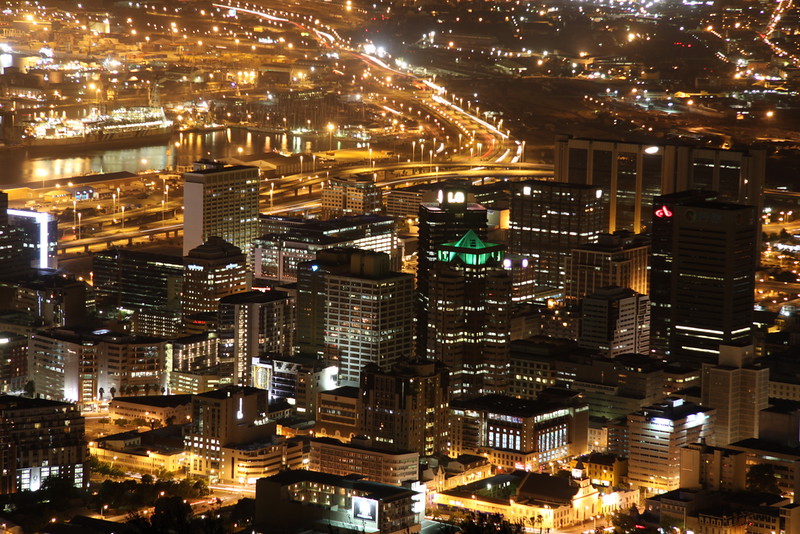
Africa has many large, busy cities with strong economies. Cities like Lagos, Nairobi, and Johannesburg are hubs for business and innovation. They attract investments and skilled workers from all over. These urban centers drive much of Africa’s economic progress.
Diverse Economies And Industries
Africa’s economy is not just about farming or mining. It includes technology, manufacturing, finance, tourism, and more. Different countries lead in different sectors. This diversity helps build stable and growing economies across the continent.
Stereotypes About People
Stereotypes about people in Africa often paint a narrow and inaccurate picture. Many believe all Africans share the same culture, appearance, and lifestyle. This oversimplification ignores the continent’s rich diversity. Africa has over 1.4 billion people belonging to thousands of ethnic groups. Their traditions and daily lives vary greatly. These stereotypes block a true understanding of the continent’s complexity.
Varied Ethnicities And Identities
Africa is home to more than 3,000 ethnic groups. Each group has its own language, customs, and history. People’s skin tones, facial features, and hair types differ widely across regions. Not everyone fits common stereotypes. For example, North Africans often have different cultural roots than people in southern Africa. Many African countries are multilingual and multicultural. This variety shapes unique identities across the continent.
Misconceptions About Traditions
Many assume all Africans follow ancient or tribal customs. Traditions differ from one community to another. Some people live modern urban lives while still honoring old customs. Others practice religions such as Christianity, Islam, or indigenous beliefs. Traditional clothing is often worn during special events, not daily. The idea that Africa is stuck in the past is false. Cultures evolve and adapt over time like anywhere else.
Urban Vs. Rural Lifestyles
Africa’s population includes both city dwellers and rural communities. Major cities like Lagos, Nairobi, and Johannesburg are modern and bustling. They have skyscrapers, universities, and busy markets. Rural areas may still rely on farming and local crafts. Life in villages varies from region to region. Stereotypes often ignore the rapid urbanization and technological growth happening in African cities. People’s lifestyles are diverse and changing fast.
Wildlife And Environment
Africa’s wildlife and environment often spark vivid images of vast wilderness and untamed nature. These images shape many beliefs about the continent’s landscapes. Reality paints a richer, more complex picture. Africa hosts a variety of environments, blending nature with modern life. Understanding this helps clear up many common misconceptions.
Not Just Wilderness
Africa is not only wild forests and endless savannas. It has deserts, mountains, and lakes. Many regions feature green forests and rich farmland. Wildlife lives in these varied habitats, not just in remote places. Africa’s environment supports many different plants and animals. People share the land with wildlife in many ways.
Coexistence Of Urban And Natural Spaces
Cities in Africa are growing fast. Urban areas like Nairobi, Cape Town, and Lagos have millions of people. These cities also include parks and green zones. Nature often exists alongside buildings and roads. Some animals live near cities or inside them. This mix of city life and nature shows Africa’s balance between growth and preservation.
Conservation Efforts
Africa leads many important conservation projects. National parks and reserves protect endangered species. Local communities work with governments to guard wildlife. Anti-poaching laws help save animals like elephants and rhinos. Conservation also focuses on restoring damaged environments. These efforts show Africa’s commitment to its natural heritage.

Credit: www.youtube.com
Health And Disease
Africa faces many health and disease misconceptions. These false ideas shape how people see the continent’s health situation. Many think Africa only deals with serious diseases and lacks medical care. The reality is more complex. Africa has made great progress in healthcare. It also faces real public health challenges. Understanding these facts helps clear up wrong beliefs.
Myths About Disease Prevalence
People often believe Africa is overrun by deadly diseases. Malaria, HIV, and Ebola get most of the attention. These diseases exist but are not everywhere in Africa. Many regions have low disease rates. Some think Africans get sick more than others. This is not true. Disease rates vary by country and region. Africa’s health problems are similar to other continents.
Healthcare Advances
Africa has improved healthcare in many ways. New hospitals, clinics, and labs are opening across the continent. Vaccination programs have reduced childhood illnesses. Technology helps doctors diagnose and treat patients better. Local experts and international groups work to improve health. Africa trains more healthcare workers every year. Access to medicines and treatments is growing. These advances help save millions of lives.
Public Health Challenges
Despite progress, Africa still faces health challenges. Poverty, lack of clean water, and poor sanitation affect health. Some rural areas have limited access to care. Infectious diseases remain a concern in some places. Non-communicable diseases like diabetes and heart problems are rising. Governments and organizations work hard to tackle these issues. Public health efforts focus on prevention and education. Addressing these challenges needs ongoing support and resources.
Media Representation
Media plays a big role in shaping how people see Africa. Often, the stories shown focus on problems or negative images. This narrow view hides the true diversity and richness of the continent. Understanding the role of media can help clear up many wrong ideas about Africa.
Impact Of Stereotypes
Stereotypes in media create false ideas about Africa. They often show poverty, conflict, or disease. This makes many believe Africa is only about struggle and sadness. These images ignore the progress and success in many African countries. People miss out on the culture, innovation, and beauty that also exist.
Balanced And Nuanced Stories
Balanced stories show both challenges and achievements. They tell about everyday life, art, business, and education. Such stories give a fuller picture of Africa’s reality. Media needs to highlight these positive and complex views. This approach helps people understand Africa beyond old myths and fears.
Role Of African Voices
African voices are key to true representation. When Africans tell their own stories, it feels honest and real. They share views from inside their communities. This challenges outside assumptions and adds depth to media coverage. Supporting African journalists and creators improves how Africa is shown worldwide.
Credit: borgenproject.org
Conclusion
Africa is a continent full of diversity and rich cultures. Many myths do not show its true nature. People live in modern cities and varied climates. Africa’s history and achievements deserve respect and understanding. Learning facts helps break wrong ideas and builds respect.
Let’s appreciate Africa beyond old stories and stereotypes. The real Africa is vibrant, complex, and full of life.
