




Human rights violations perpetrated by police forces across Africa have emerged as a critical issue that undermines the rule of law and the fundamental rights of citizens. The police, often seen as the guardians of public safety, have, in many instances, become agents of oppression and violence. Reports of extrajudicial killings, torture, and arbitrary detention are alarmingly common, painting a grim picture of law enforcement in various African nations.
These violations not only erode public trust in the police but also contribute to a broader culture of impunity that allows such abuses to persist unchecked. The implications of these human rights violations extend far beyond individual cases; they affect entire communities and societies. The erosion of civil liberties and the normalization of violence by state actors create an environment where fear prevails over justice.
Citizens often find themselves caught in a cycle of abuse, where seeking protection from the police can lead to further victimization. This article delves into the historical context, systemic issues, and specific instances of police misconduct in Africa, highlighting the urgent need for reform and accountability.
History of Police Brutality and Abuse in Africa
The roots of police brutality in Africa can be traced back to colonial rule, where law enforcement agencies were primarily established to maintain control over local populations rather than to serve and protect them. Colonial police forces were often characterized by their use of violence and intimidation to suppress dissent and enforce colonial laws. This legacy has persisted in many post-colonial states, where police forces have continued to operate with a militarized mindset, viewing citizens as potential threats rather than as individuals with rights.
In the decades following independence, many African nations experienced political turmoil, leading to the establishment of authoritarian regimes that relied heavily on police forces to maintain power. During this period, police brutality became a tool for political repression, with law enforcement agencies used to silence opposition voices and quell protests. The infamous cases of police violence during the anti-apartheid struggle in South Africa serve as a stark reminder of how state-sanctioned violence can be employed against citizens advocating for their rights.
The historical context of police brutality in Africa is essential for understanding the current landscape of human rights violations.
Lack of Accountability and Impunity for Police Misconduct
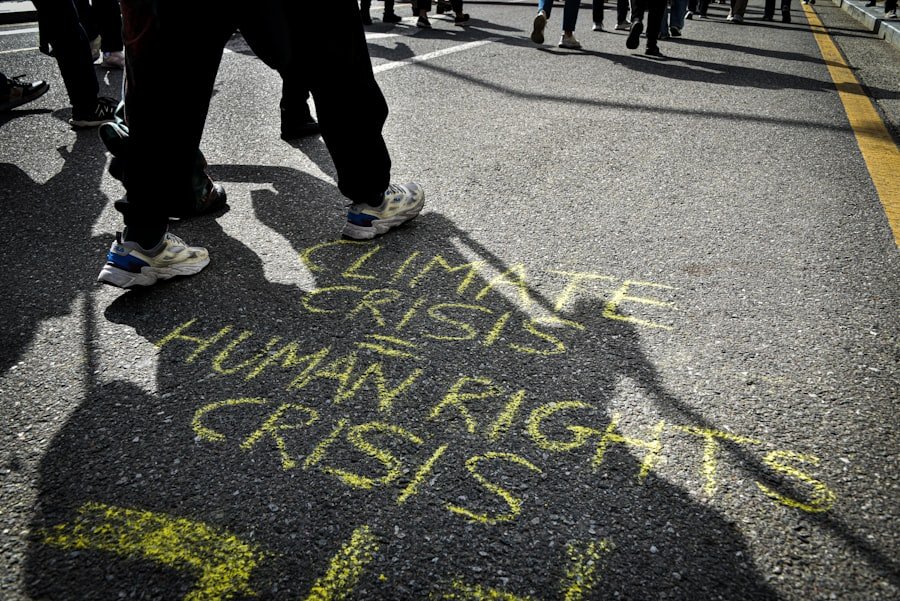
One of the most significant barriers to addressing police misconduct in Africa is the pervasive culture of impunity that exists within many law enforcement agencies. In numerous countries, police officers who engage in acts of violence or abuse often face little to no consequences for their actions. This lack of accountability is exacerbated by weak judicial systems, corruption, and a general reluctance among authorities to investigate or prosecute cases involving police misconduct.
As a result, victims of abuse are often left without recourse, further entrenching the cycle of violence. The absence of effective oversight mechanisms allows police forces to operate with a sense of invulnerability. In many instances, internal affairs units tasked with investigating police misconduct are either underfunded or lack the independence necessary to conduct thorough investigations.
Furthermore, societal norms that prioritize loyalty to the police over accountability contribute to a culture where victims are discouraged from coming forward. This systemic failure not only perpetuates human rights violations but also fosters an environment where citizens feel powerless against those sworn to protect them.
Targeting of Minorities and Marginalized Communities
Police violence in Africa disproportionately affects marginalized communities, including ethnic minorities, LGBTQ+ individuals, and those living in poverty. These groups often face systemic discrimination that exacerbates their vulnerability to police abuse. For instance, in countries like Nigeria and Uganda, LGBTQ+ individuals are frequently targeted by law enforcement under draconian anti-homosexuality laws.
Police raids on safe spaces and arbitrary arrests based on sexual orientation are common, reflecting a broader societal stigma that is often reinforced by state actors. Moreover, ethnic minorities often find themselves at the mercy of biased policing practices that criminalize their existence. In countries like Kenya, members of certain ethnic groups have reported being subjected to profiling and harassment by police based solely on their identity.
This targeting not only violates their human rights but also deepens societal divisions and perpetuates cycles of violence and mistrust between communities and law enforcement agencies.
Use of Excessive Force and Torture by African Police
The use of excessive force by police in Africa is a pervasive issue that manifests in various forms, including physical violence during arrests, beatings while in custody, and even extrajudicial killings. Reports from organizations such as Amnesty International and Human Rights Watch have documented numerous instances where police have resorted to lethal force in situations that did not warrant such a response. For example, during protests against government policies or corruption, police have been known to fire live ammunition into crowds, resulting in numerous fatalities.
Torture remains a common practice within many African police stations, where detainees are subjected to brutal treatment in an effort to extract confessions or intimidate them into silence. The use of torture is not only a violation of international human rights standards but also undermines the integrity of the justice system. Evidence obtained through coercion is often unreliable, leading to wrongful convictions and further perpetuating a cycle of injustice.
Violations of Freedom of Speech and Assembly
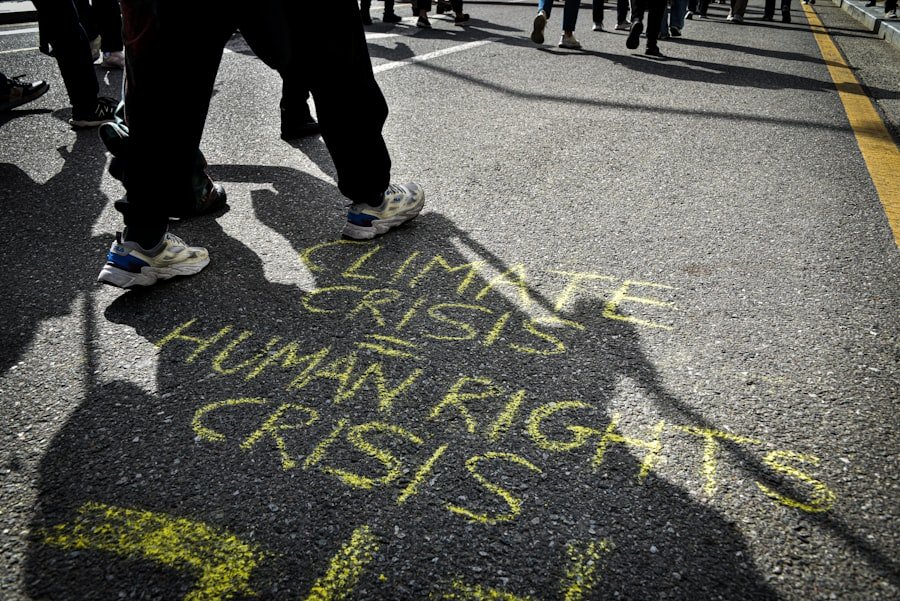
The right to freedom of speech and assembly is enshrined in various international human rights treaties; however, these rights are frequently violated by African police forces. Governments often employ heavy-handed tactics to suppress dissenting voices, particularly during protests or public demonstrations. Police have been known to disperse peaceful gatherings using tear gas, rubber bullets, and other forms of crowd control that can escalate into violence.
In countries like Zimbabwe and Ethiopia, journalists and activists face harassment and arrest for expressing dissenting opinions or organizing protests against government policies. The chilling effect of such actions stifles public discourse and discourages citizens from exercising their rights to free expression and assembly. This suppression not only violates individual rights but also undermines democratic processes by preventing meaningful dialogue between citizens and their governments.
Gender-Based Violence and Discrimination by African Police
Gender-based violence remains a significant issue across Africa, with police forces often failing to protect victims or hold perpetrators accountable. In many cases, women who report incidents of domestic violence or sexual assault encounter hostility or indifference from law enforcement officials. Instead of receiving support, victims may face further victimization through insensitive questioning or outright dismissal of their claims.
Additionally, police officers themselves can be perpetrators of gender-based violence. Reports indicate that women detained by police may experience sexual harassment or assault while in custody. The lack of gender-sensitive training within law enforcement agencies contributes to an environment where such abuses are tolerated or ignored.
This systemic failure not only perpetuates gender inequality but also discourages women from seeking help from authorities when they need it most.
Child Rights Violations and Exploitation by African Police
Children in Africa are particularly vulnerable to human rights violations at the hands of law enforcement agencies. Instances of child detention without trial, torture, and exploitation are alarmingly common across various countries. In some regions, children are arrested for minor offenses or even for being present during protests or civil unrest.
Once in custody, they may face harsh treatment that violates their rights as minors. Moreover, children from marginalized communities are often disproportionately affected by police abuses. For example, street children may be targeted for harassment or forced into labor by corrupt officers seeking bribes or other forms of exploitation.
The failure to protect children’s rights not only has immediate consequences for their well-being but also undermines their future prospects as they grow up in environments marked by violence and instability.
Impact of Human Rights Violations on African Communities
The impact of human rights violations by police extends far beyond individual victims; it reverberates throughout entire communities and societies. The pervasive fear instilled by police brutality can lead to a breakdown in trust between citizens and law enforcement agencies, making it difficult for communities to cooperate with authorities on issues related to crime prevention and public safety. When people feel unsafe reporting crimes or engaging with the police due to fear of retaliation or abuse, it creates a cycle where crime goes unreported and unaddressed.
Furthermore, the psychological toll on victims and their families can be profound. Survivors of police violence may experience long-term trauma that affects their mental health and overall quality of life. Communities grappling with high levels of violence may also see increased rates of social unrest as citizens become frustrated with systemic injustices.
This cycle can lead to further instability and conflict within societies already facing numerous challenges.
International Response and Efforts to Address Police Misconduct in Africa
The international community has increasingly recognized the need to address human rights violations committed by police forces in Africa. Various organizations, including the United Nations and regional bodies like the African Union, have called for reforms aimed at improving accountability within law enforcement agencies. Initiatives focused on training police officers in human rights standards have been implemented in several countries as part of broader efforts to promote good governance.
Additionally, civil society organizations play a crucial role in advocating for victims’ rights and holding authorities accountable for abuses. Grassroots movements have emerged across the continent, mobilizing citizens to demand justice and reform from their governments. These efforts are often met with resistance from state actors; however, they represent a growing recognition among Africans that change is necessary for building more just societies.
Conclusion and Call to Action for Addressing Human Rights Violations by African Police
Addressing human rights violations committed by African police requires a multifaceted approach that includes legal reforms, community engagement, and international support. It is imperative for governments to establish independent oversight mechanisms that can effectively investigate allegations of police misconduct without bias or interference. Furthermore, training programs focused on human rights should be mandatory for all law enforcement personnel to foster a culture that prioritizes respect for citizens’ rights.
Civil society must continue to play an active role in advocating for change while empowering communities to stand up against abuses. International organizations should provide support for these efforts while holding governments accountable for their obligations under international human rights law. Only through collective action can we hope to dismantle the systems that perpetuate violence and injustice within African policing institutions.
Human rights violations by police forces in Africa have been a pressing issue, drawing attention from various human rights organizations and activists. For a deeper understanding of the broader context of social issues in Africa, you might find the article on the historical contributions of Polish women in Uganda insightful. It highlights the complexities of cultural interactions and societal challenges in the region. You can read more about it in the article Who Were the Polish Women Who Built a Church in Uganda?.
