



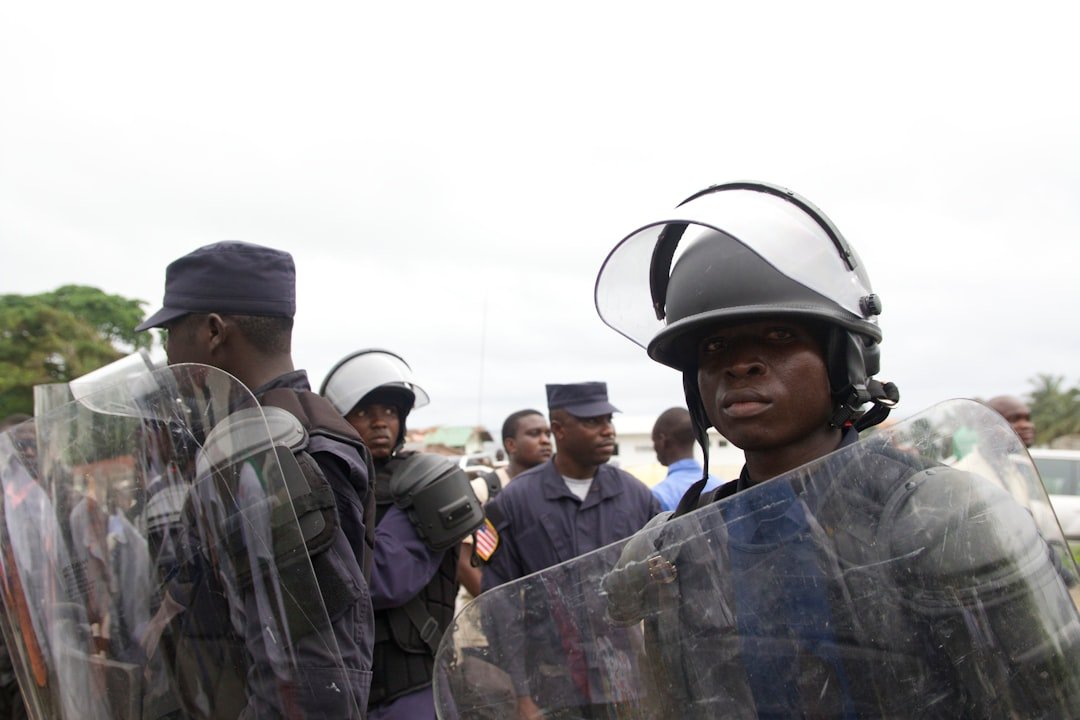
Colonialism laid the groundwork for many of the oppressive policing systems that exist in Africa today. European powers, in their quest for control over African territories, established police forces that were primarily designed to maintain order and suppress dissent among the local populations. These colonial police forces were often composed of individuals who were not from the communities they policed, leading to a significant disconnect between law enforcement and the people.
The primary function of these forces was to protect colonial interests, enforce laws that favored the colonizers, and suppress any form of resistance or rebellion against colonial rule. For instance, in British-controlled territories, the use of the Native Police was prevalent, which operated under a mandate to control indigenous populations through intimidation and violence. The legacy of these colonial policing systems is evident in the way modern police forces operate in many African countries.
The tactics employed by colonial police—such as arbitrary arrests, torture, and extrajudicial killings—have been inherited by post-colonial regimes. This continuity of oppressive practices has fostered a culture of fear and mistrust between law enforcement agencies and the communities they serve. In countries like Kenya, the Mau Mau Uprising against British colonial rule highlighted the brutal methods employed by colonial police, which included widespread violence against suspected rebels.
The repercussions of these actions have lingered, as many citizens continue to view police as an extension of state oppression rather than as protectors of public safety.
Resistance movements and the impact on police brutality
Throughout Africa’s history, resistance movements have emerged as a response to oppressive policing and colonial rule. These movements often faced violent crackdowns from police forces that were determined to maintain control. The brutality inflicted upon activists and ordinary citizens during these confrontations has had a profound impact on the relationship between communities and law enforcement.
For example, during the anti-apartheid struggle in South Africa, police brutality became a tool of state repression against those advocating for freedom and equality. The Sharpeville Massacre in 1960, where police opened fire on unarmed protesters, serves as a stark reminder of how resistance movements were met with extreme violence. The response to police brutality has often galvanized communities to organize and resist more fiercely.
In many cases, this has led to the formation of grassroots organizations that advocate for human rights and accountability within policing systems. The Black Consciousness Movement in South Africa, led by figures like Steve Biko, sought to empower black South Africans in the face of systemic oppression, including police violence. Similarly, in Nigeria, the #EndSARS movement emerged as a direct response to police brutality perpetrated by the Special Anti-Robbery Squad (SARS), highlighting how social media can mobilize public outrage and demand reform.
These resistance movements not only challenge the status quo but also serve as a catalyst for broader societal change regarding policing practices.
Post-independence struggles with police violence
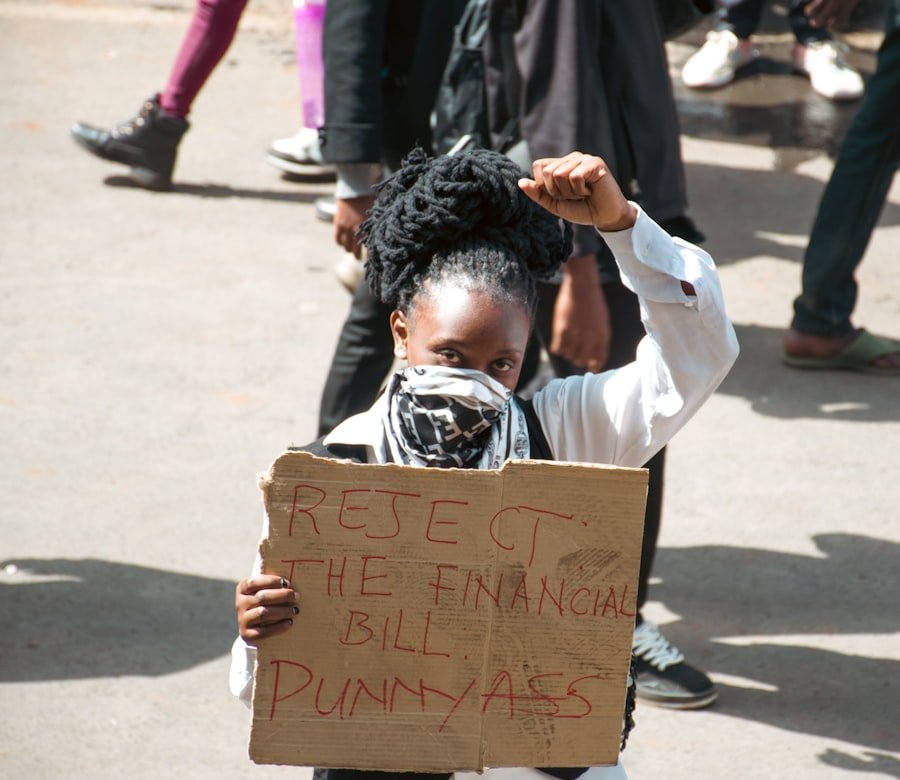
The post-independence era in Africa has been marked by a complex interplay between aspirations for democracy and the persistence of police violence. Many newly independent states inherited colonial policing structures that were ill-equipped to address the needs of diverse populations. Instead of transforming these institutions into forces for public good, many governments opted to use them as instruments of repression against political opponents and dissenters.
In countries like Uganda under Idi Amin, police forces became notorious for their brutality, engaging in widespread human rights abuses that included torture and extrajudicial killings. The struggle for accountability and reform within these post-colonial police forces has been fraught with challenges. In many instances, political leaders have prioritized loyalty over professionalism, leading to a culture where police officers are often shielded from accountability for their actions.
This lack of oversight has perpetuated cycles of violence and abuse, further alienating communities from law enforcement agencies. In Nigeria, for example, the persistent issue of police brutality has led to widespread protests and calls for reform, yet meaningful changes remain elusive as entrenched interests resist transformation.
The role of apartheid in shaping police brutality in South Africa
Apartheid in South Africa represents one of the most egregious examples of state-sanctioned violence and systemic oppression through policing. The apartheid regime established a comprehensive system of racial segregation that was enforced by a militarized police force tasked with maintaining white supremacy. The South African Police (SAP) operated with impunity, employing brutal tactics against black South Africans who resisted their oppressive policies.
The infamous “Terrorism Act” allowed for arbitrary detention without trial, enabling police to target activists and dissenters without legal recourse. The legacy of apartheid continues to shape contemporary policing in South Africa. Despite the end of formal apartheid in 1994, many communities still experience high levels of violence at the hands of law enforcement.
The Marikana Massacre in 2012, where police killed 34 striking miners, exemplifies how the historical context of apartheid influences current policing practices. The incident sparked national outrage and highlighted the urgent need for reform within the South African Police Service (SAPS). Efforts to address these issues have been met with resistance from within the police force itself, where entrenched attitudes and practices often hinder progress toward accountability and community trust.
The impact of civil wars and conflicts on policing and brutality
Civil wars and internal conflicts have had a devastating impact on policing systems across Africa, often exacerbating existing issues related to brutality and human rights violations. In countries like Somalia, where state structures have collapsed due to prolonged conflict, policing has become fragmented and largely ineffective. Various militia groups have filled the power vacuum left by weakened state institutions, leading to a situation where law enforcement is often synonymous with violence and intimidation rather than protection.
In regions affected by civil strife, police forces may become militarized as they are tasked with combating insurgencies or maintaining order amidst chaos. This militarization can lead to an escalation in violence against civilians, as seen during the Rwandan Genocide in 1994 when police collaborated with militias to carry out mass killings. The aftermath of such conflicts often leaves behind a legacy of trauma and distrust towards law enforcement agencies that are perceived as complicit in atrocities rather than as protectors of peace.
The influence of foreign aid and training on African police forces

Foreign aid and training programs have played a significant role in shaping policing practices across Africa. Many Western nations and international organizations have sought to provide support for capacity building within African police forces, often with the intention of promoting human rights and democratic governance. However, the effectiveness of these initiatives has been mixed, with some programs failing to address underlying issues related to corruption and systemic violence.
For instance, U.S.-funded training programs aimed at reforming police practices in countries like Nigeria have faced criticism for not adequately addressing the root causes of police brutality. While training may focus on community policing strategies or human rights education, it often overlooks the entrenched culture of impunity that allows officers to act violently without consequence. Moreover, foreign aid can sometimes inadvertently reinforce existing power structures by providing resources to regimes that are resistant to meaningful reform.
The legacy of authoritarian regimes and their impact on policing
The legacy of authoritarian regimes continues to cast a long shadow over policing practices in many African countries. Leaders who have ruled through fear often establish security apparatuses that prioritize loyalty over accountability, resulting in police forces that operate with little regard for human rights. In countries like Zimbabwe under Robert Mugabe, the police became an extension of state power used to suppress dissent and maintain control over the population.
This authoritarian legacy manifests itself in various ways within contemporary policing systems. Officers may be trained to view citizens as potential threats rather than as individuals deserving protection, leading to an environment where excessive force is normalized. Furthermore, political interference in policing can undermine efforts toward reform, as leaders may prioritize maintaining their grip on power over addressing issues related to brutality or corruption within law enforcement agencies.
The intersection of race, ethnicity, and policing in Africa
In many African nations, race and ethnicity play a critical role in shaping experiences with policing and perceptions of law enforcement agencies. Historical divisions created during colonial rule have persisted into modern times, often resulting in tensions between different ethnic groups and law enforcement bodies. In countries like Kenya, ethnic favoritism can influence how police respond to incidents or enforce laws, leading to disparities in treatment based on an individual’s background.
This intersectionality complicates efforts toward reforming policing practices as communities may harbor deep-seated mistrust towards law enforcement due to historical grievances. For example, during election periods in various African countries, police forces may be deployed selectively based on ethnic affiliations or political loyalties, exacerbating tensions between communities. Addressing these issues requires not only reforming policing practices but also fostering dialogue among diverse groups to build trust and promote equitable treatment under the law.
The role of economic inequality and social unrest in police brutality
Economic inequality is a significant driver of social unrest in many African countries, often leading to heightened tensions between marginalized communities and law enforcement agencies. As poverty rates remain high in various regions, frustrations over lack of opportunities can manifest in protests or civil disobedience—actions that are frequently met with violent responses from police forces. In South Africa, for instance, widespread protests against economic inequality have sometimes resulted in brutal crackdowns by law enforcement.
The relationship between economic conditions and policing is cyclical; as social unrest increases due to economic disparities, so too does the likelihood of police brutality as authorities seek to maintain order through forceful means. This dynamic creates an environment where communities feel increasingly alienated from law enforcement agencies that are supposed to serve them. Addressing economic inequality is thus essential not only for social stability but also for fostering healthier relationships between communities and their police forces.
The impact of globalization on policing and brutality in Africa
Globalization has significantly influenced policing practices across Africa by facilitating the exchange of ideas, resources, and technologies among nations. However, this interconnectedness has also led to challenges related to human rights abuses within law enforcement agencies. As African countries engage more with international partners for security assistance or training programs, there is often pressure to adopt certain policing models that may not align with local contexts or needs.
For example, the adoption of surveillance technologies from Western nations can lead to increased monitoring of citizens without adequate safeguards against abuse or infringement on privacy rights. Additionally, globalization can exacerbate existing inequalities within policing systems as wealthier nations may prioritize partnerships with certain governments while neglecting others that are struggling with systemic issues related to brutality or corruption. This uneven approach can hinder progress toward establishing accountable and community-oriented policing practices across diverse contexts.
The future of policing and efforts to address historical injustices
The future of policing in Africa hinges on addressing historical injustices while fostering accountability and community engagement within law enforcement agencies. Grassroots movements advocating for reform have gained momentum across various countries, pushing for changes that prioritize human rights and equitable treatment under the law. Initiatives aimed at building trust between communities and police forces are essential for creating safer environments where citizens feel protected rather than oppressed.
Efforts toward reform must also involve comprehensive training programs that emphasize ethical conduct and community-oriented approaches within policing systems. By learning from past mistakes and actively engaging with communities affected by violence or discrimination, law enforcement agencies can begin to rebuild trust and legitimacy among citizens. Ultimately, addressing historical injustices requires a commitment from both government leaders and civil society actors to create a more just and equitable future for all individuals within African nations.
The historical context of police brutality in Africa is deeply intertwined with the continent’s colonial past and ongoing struggles for justice and human rights. A related article that sheds light on the current state of violence and its implications is the report on the recent attack in the Central African Republic, which highlights the tragic loss of civilian lives and the broader issues of security and governance in the region. For more details, you can read the article here: At least a dozen civilians killed in Central African Republic attack, UN says.
