

By Roxanne Reid
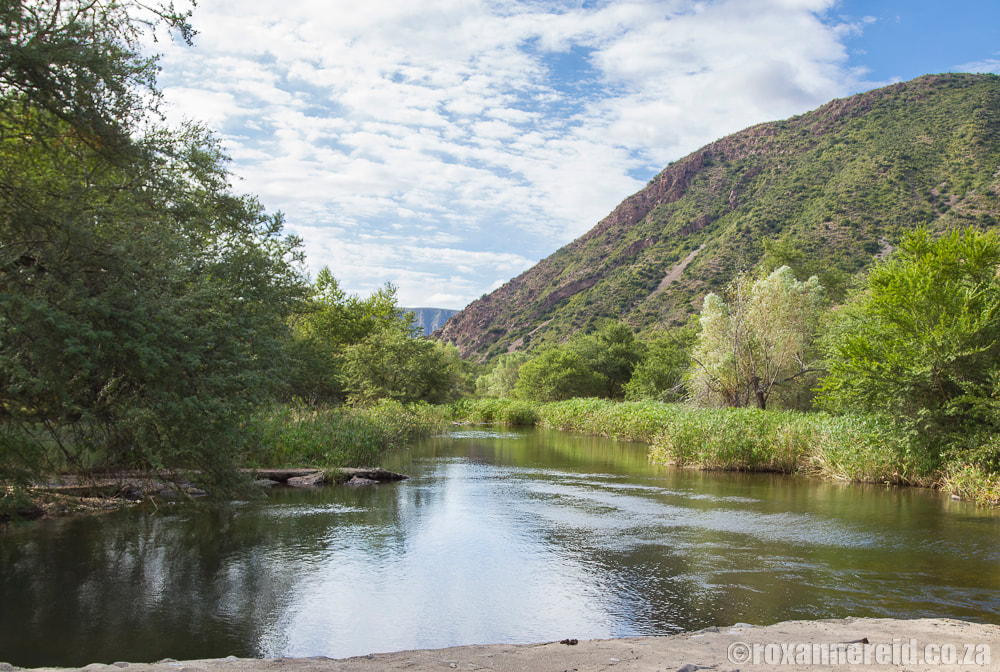
I’ve heard it described as a fusion of the Sani and Bloukrans passes, with a smidge of Tsitsikamma beauty thrown in for good measure. I’m talking about the Baviaanskloof Wilderness Area, which is tucked away in the southwestern corner of South Africa’s Eastern Cape, somewhere between the Karoo midlands and the Gamtoos Valley.
There’s so much to enjoy along the way and the roads are fairly rough through the Baviaanskloof Wilderness Area itself so don’t expect to do this route in less than eight or nine hours. Rather slow down and relish the towering cliffs, deep ravines, winding streams, and open plateaus. Wherever you find yourself, the Baviaanskloof is a place where beauty and diversity just about smack you in the face.

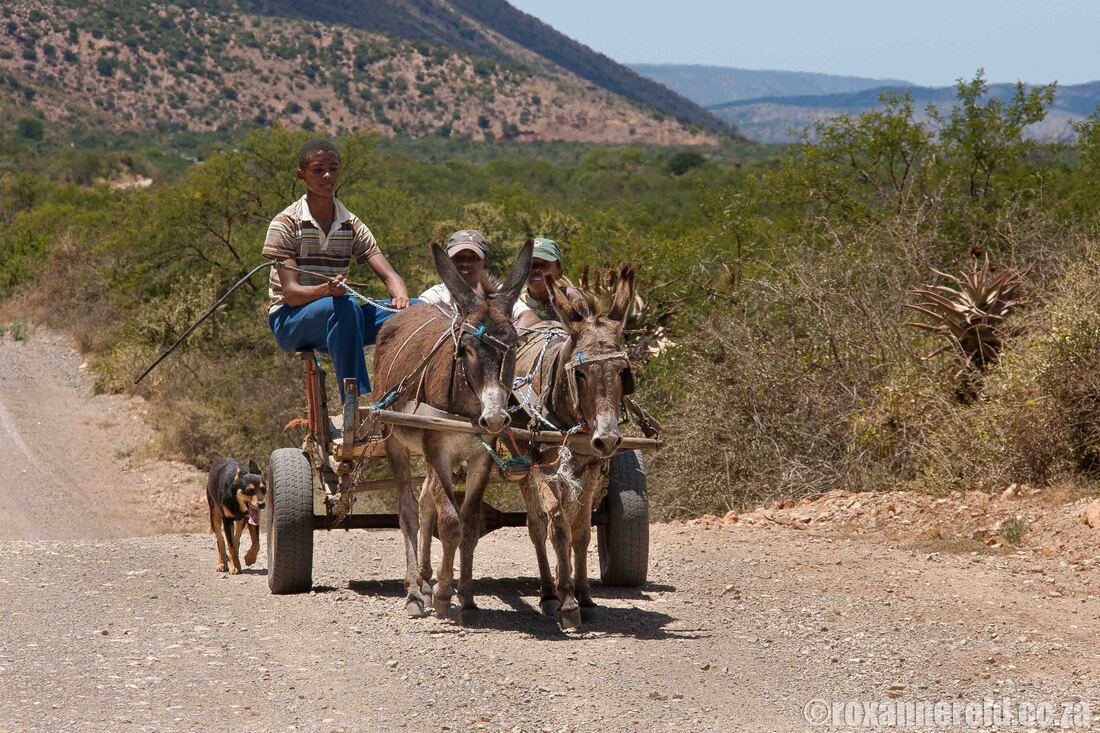
The valley of baboons
The Baviaanskloof is dominated by the Kouga and Baviaanskloof mountains running in parallel between east and west, both ranges a part of the Cape Fold Mountains. The word Baviaanskloof means ‘valley of baboons’ and it’s an integral part of the Cape Floral Region, which is a UNESCO World Heritage Site.

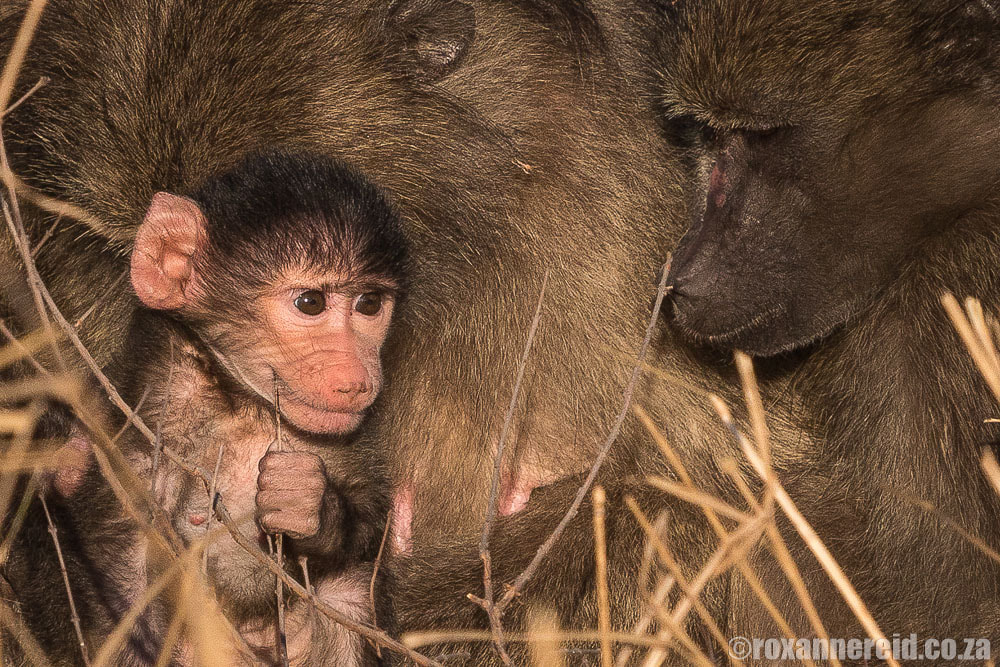
There are more than 40 river crossings over low causeways that add to the excitement and splendour of the adventure. Just be aware that they may flood after heavy rain – but more about that later.
The Baviaanskloof is divided into three parts and we’ll look at all three in more detail below. They are:
- The western section from Willowmore to the western entrance gate to the Wilderness Area is about 100km, dominated by farms and guest houses or self-catering cottages, many of them providing hiking, mountain biking and 4×4 trails. Zandvlakte is the last farm about 4km before the gate.
- The Baviaanskloof Wilderness Area or nature reserve is about 60km through a wonderfully unspoiled wilderness rich in plants and wildlife.
- The eastern section from the eastern gate at Poortjies to Patensie is about 40km along the Grootrivierpoort and Gamtoos River. There are also a number of guest houses and self-catering cottages in this section.
Since 2002, there’s also the wider Baviaanskloof Mega-Reserve, which combines the Wilderness Area with a network of private and communal land. A Mega-Reserve is a largely pristine habitat big enough to encourage all the ecological processes needed to maintain biodiversity in the long term. The Baviaanskloof Mega-Reserve is managed in co-operation with conservation authorities and should eventually reach 500 000ha.
Although you can drive the Baviaanskloof route in either direction, I’ve chosen to follow and describe it from west to east. To orientate yourself, see this map of the Baviaanskloof.
Things to do in the Baviaanskloof
For the more adventurous, there are heaps of activities to keep you busy, whether you want to mountain-bike along the scenic R332 or a mountain trail, go rock and mountain climbing, drive a 4×4 trail, or hike into ravines, across rivers and up to waterfalls. Ask your hosts for what’s available in the area where you’re staying (see ‘Baviaanskloof acommodation’ below). You can also talk to the guys at the tourism centre in Willowmore’s municipal building on Knysna Street, or Tolbos in Patensie (on your right as you come into Patensie from Hankey); it’s a restaurant/shop that doubles as an info centre.
1. Animal spotting
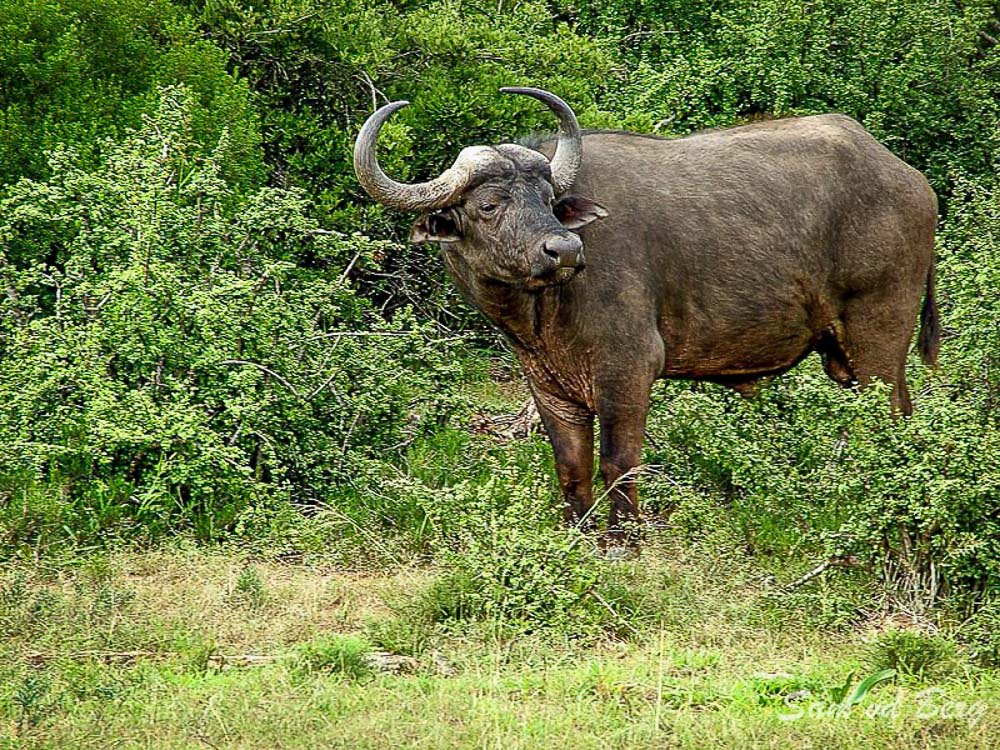
Drive through the reserve for a chance to spot mammals like antelope, buffaloes and baboons (see ‘Wildlife’ below).

While you drive through the reserve or stay over in Baviaanskloof accommodation, keep your binos near at hand for some bird watching (see ‘Wildlife’ below).
3. Star-gazing
Stay over anywhere in the Baviaanskloof and make use of the clear skies and lack of light pollution to do some star-gazing. If you time your visit to avoid the full moon, you’ll find a dark sky perforated by millions of stars.
4. Picnicking
Stop at the Smitskraal picnic site about halfway between Grasnek Pass and Langkop Pass inside the Wilderness Area. There are braais, picnic tables and benches, loos, but no bins because baboons dig in and make a mess. Please take all your rubbish with you.
Another picnic site on the western side of the reserve is at Sewefontein (see Sewefontein Wild Fig Tree Forest in ‘Attractions west of the Wilderness Area’ below).

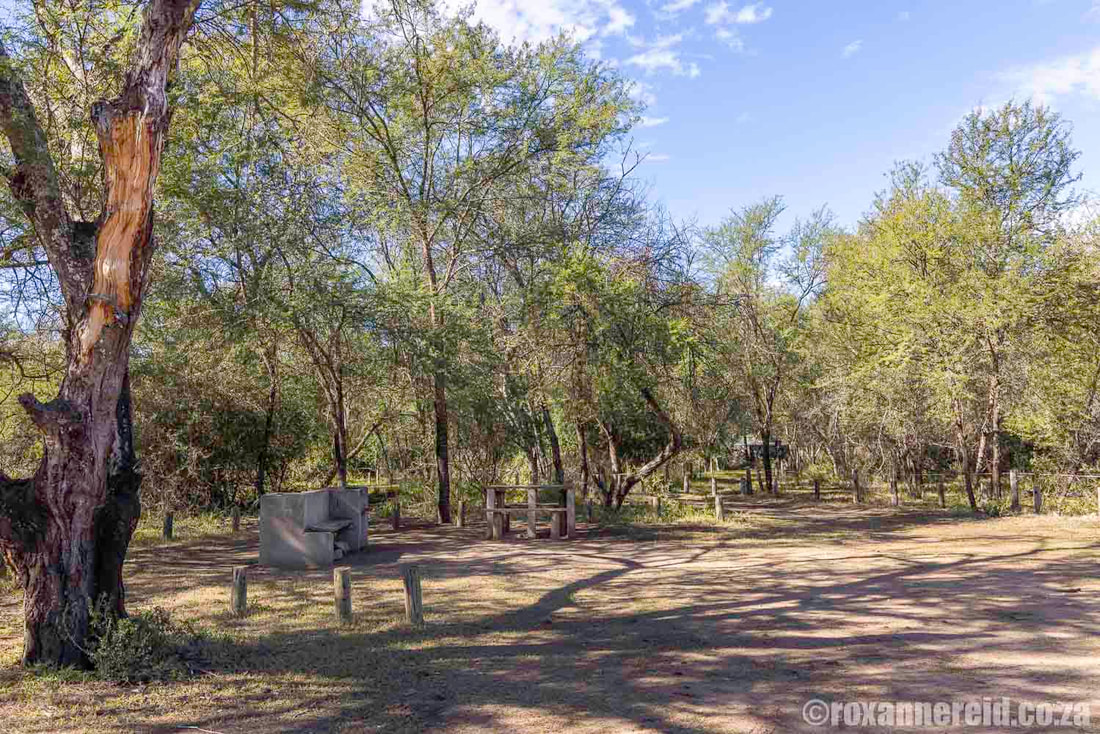
If simply driving through the Baviaanskloof Wilderness Area isn’t enough of a 4×4 challenge for you, here are some places where you can stay to do a 4×4 trail or experience one as a day visitor.
5. Hiking trails
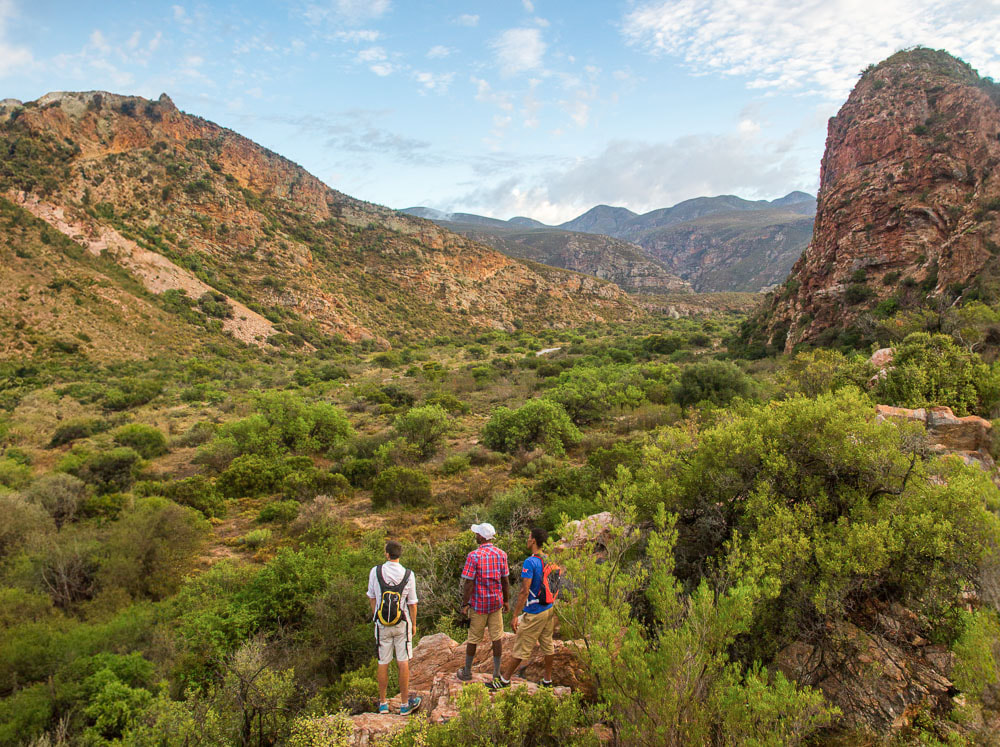
Keen hikers will be pleased to know there’s a feast of trails for them to explore.
The Leopard Trail at Cedar Falls is the Big Kahuna, a three-night, four-day slackpacking trail, with your bags transported to the next hut while you hike with only a day-pack. It’s not for sissies or the unfit; the longest day is 22km, and there are some fairly steep climbs and descents.

6. Mountain biking trails
Bring your mountain bike and take to the gravel roads of the Baviaanskloof. (Note, though, that you won’t be allowed to ride between the gates of the reserve unsupported by a vehicle.) A number of guest farms have mountain biking tracks for guests, and others are open to day visitors for a small fee. Consider some of these:
Attractions west of the Wilderness Area
The area between the N9 south of Willowmore and the Wilderness Area to the east is a 100km stretch of mountains and valleys, with angora goat, olive and vegetable seed farms, as well as some growing rosemary and lavender for essential oils. Many of the farms also offer guest accommodation as well as hikes, mountain biking tracks and 4×4 trails.
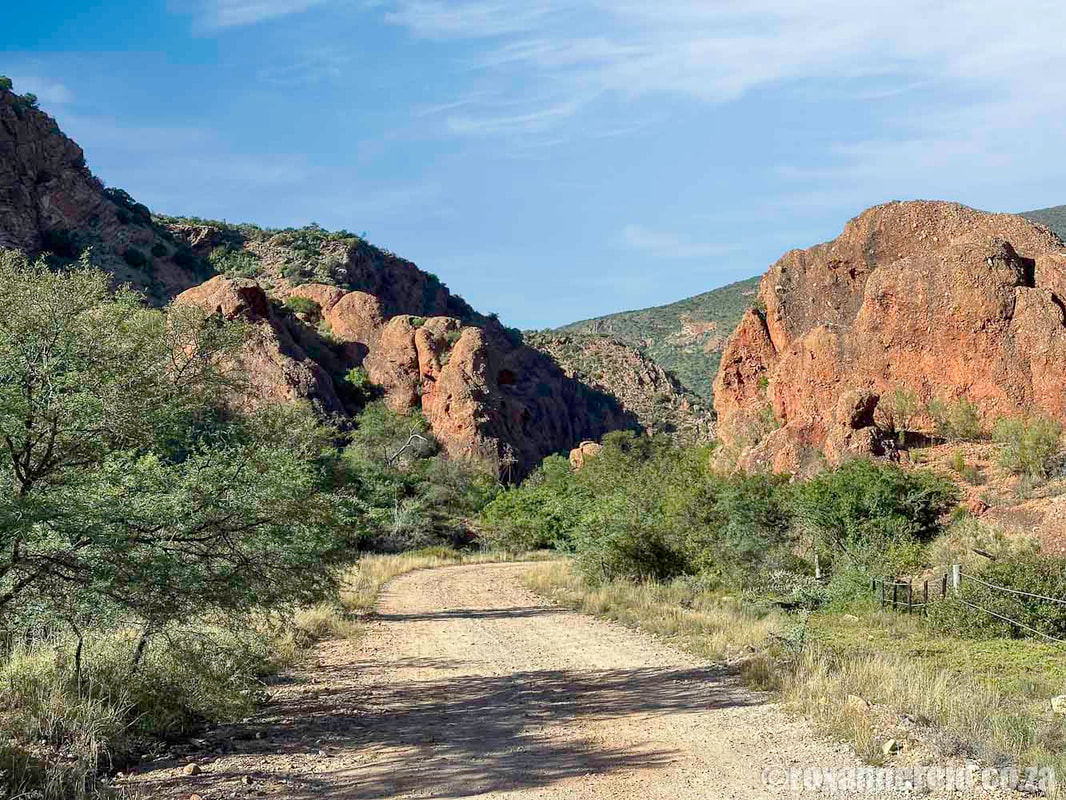
Nuwekloof Pass – This pass is officially the entrance to the Baviaanskloof in the west. It’s a winding-climbing-dropping medley of lovely rock formations, towering lichen-splashed cliffs, and plenty of aloes in bloom in winter. Look out for Willowmore cedar trees, which are endemic to the area, and renosterveld vegetation. Back in 1920 when Model T Fords were still around, there was an interesting way to drive the pass. Because the fuel tank fed petrol to the engine by gravity, you had to drive up the pass backwards. Not something I’d like to try today.

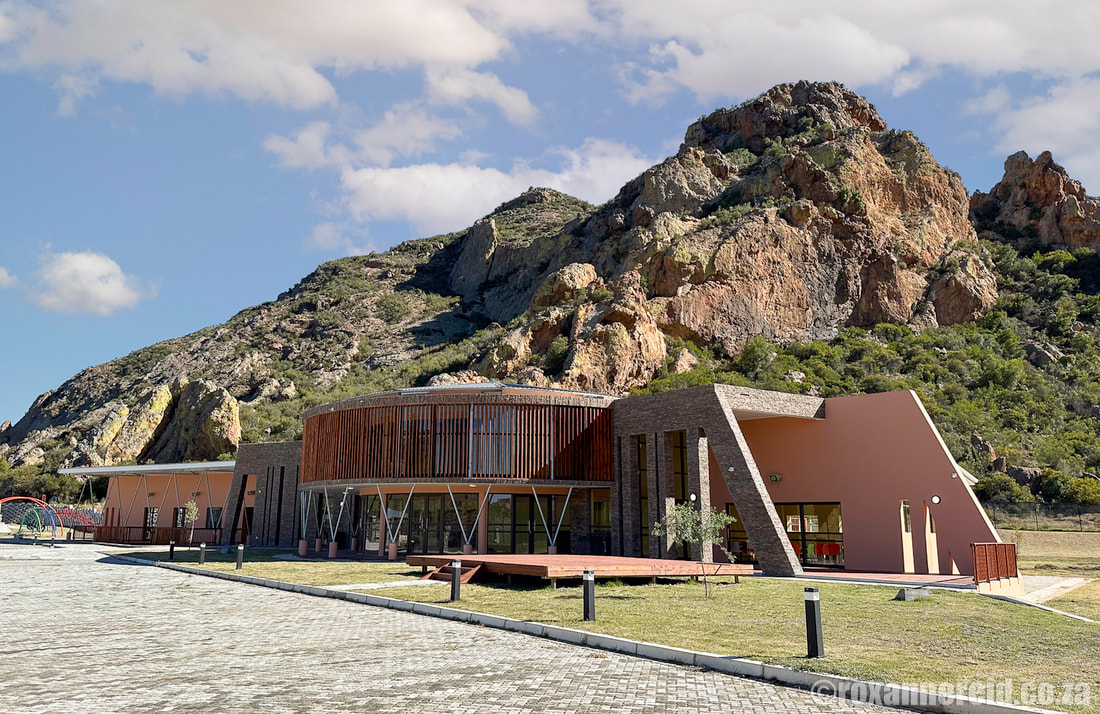
New Interpretive Centre – This architecturally interesting info centre opened in February 2022 but was still not fully operational when we visited in May 2023. It did have two interactive screens showing Baviaanskloof accommodation options, and two 3D presentations about the area and its natural and cultural heritage. We were told that a café and crafters’ stalls were still on tender. The centre is government funded but managed by the Eastern Cape Parks and Tourism Agency.

Vensterklip – You’ll recognise the rock that bears this name because it has a hole or ‘window’ through the middle of it. Apparently, the area was the scene of a clash between police and a group of Boer rebels during the Anglo-Boer War of 1899-1902.
Bavijaans Padstal – This small farmstall makes a good place to stop for breakfast or lunch, as well as to stock up with things like ice and wood for your stay in the kloof.
Sewefontein Wild Fig Tree Forest – You’ll find the Sewefontein Wild Fig Tree Forest about 75km from the N9 on the Willowmore side. Pay a fee at reception and let a guide take you along a very short boardwalk to the shady forest…