
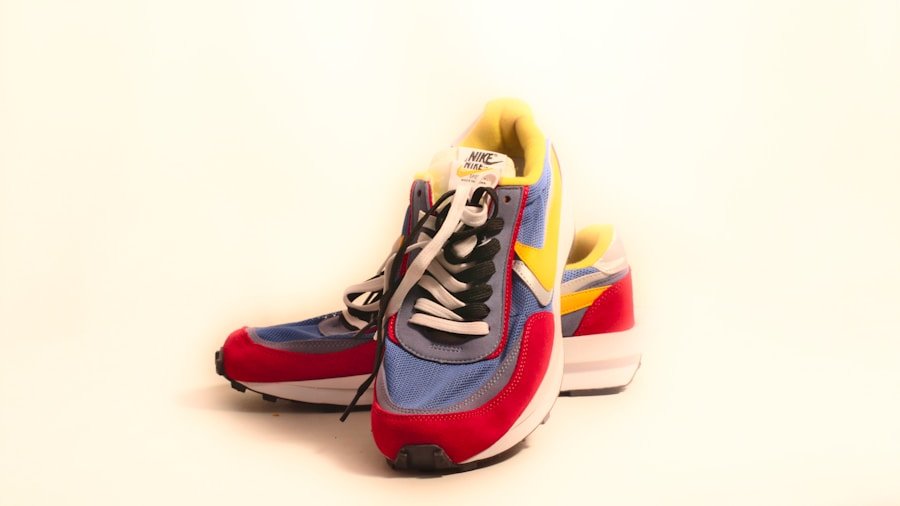
The Nike Air Rift Tabi, a shoe that boldly splits the foot into two distinct sections, has transitioned from a niche design experiment to a bona fide fashion staple. This unconventional silhouette, inspired by the Japanese split-toe tabi sock, has carved out a significant space in contemporary fashion, demonstrating how avant-garde design can permeate everyday wardrobes. You might have seen them on trendsetters, your favorite influencers, or even just walking down the street – that distinctive split toe is hard to miss. This article explores the journey of the Air Rift Tabi, examining its origins, its gradual adoption by fashion communities, and the reasons behind its current status as a must-have item. We’ll delve into how a shoe that initially seemed destined for the obscure corners of footwear history managed to become a mainstream statement piece.
The Genesis of the Split Toe: Nike’s Early Forays into Unconventional Design
The Air Rift Tabi’s story begins not with a desire to conquer runways, but with a functional innovation and a deep dive into cultural influences. Nike, throughout its history, has been a brand unafraid to experiment, pushing the boundaries of athletic footwear with technologies and aesthetics that often challenged the norm. The Air Rift, the shoe that eventually gave birth to the Tabi variation, was a prime example of this experimental spirit.
A Footprint Inspired by Tradition
The fundamental concept of the Air Rift, first released in 1996, was rooted in the idea of natural motion and barefoot running. Nike designers were reportedly fascinated by the anatomical efficiency of the human foot. This led them to explore footwear that would allow for a more natural stride and a greater connection to the ground.
The Influence of the Japanese Tabi Sock
The most significant inspiration for the split-toe design came from the traditional Japanese tabi sock. These socks, characterized by their division between the big toe and the other toes, have been worn for centuries in Japan. They were not just a garment but also a practical choice for wearing traditional footwear like geta or zori, allowing for a more secure fit and natural toe splay. Nike designers saw in this ancient design a potential pathway to a more biomechanically sound shoe.
The “Barefoot Running” Philosophy
At its core, the Air Rift was an early exploration of what Nike would later champion as “barefoot running.” The shoe aimed to mimic the sensation of running without shoes, promoting a more natural footstrike and articulation. This was a departure from the heavily cushioned and supportive shoes that dominated the market at the time. The split toe was not merely a stylistic choice; it was integral to achieving this “natural motion” goal by allowing the toes to spread and grip independently.
Early Technological Integration
While the inspiration was traditional, the execution was distinctly modern. The original Air Rift incorporated Nike’s signature Air cushioning technology in the sole, providing a blend of the brand’s performance heritage with the novel design. This fusion of the ancestral and the technological was a hallmark of Nike’s innovation at the time.
From Niche Athleticism to Avant-Garde Appeal: The Air Rift’s Slow Burn
The Air Rift, in its original form, was not an immediate commercial behemoth. It was a shoe that occupied a specific niche, appreciated by those who valued its performance attributes and its unique aesthetic. Its journey to broader fashion recognition was a gradual process, a slow burn rather than an overnight sensation.
The Athlete’s Choice and the Subculture Embrace
Initially, the Air Rift found its footing among athletes and individuals interested in alternative running styles. Runners who were experimenting with minimalist footwear or those seeking a more responsive feel in their stride were drawn to its capabilities. Beyond the athletic sphere, the shoe also gained traction within certain subcultures that appreciated its unconventionality.
A Statement Against the Mainstream
For some, the Air Rift was a deliberate rejection of the prevailing sneaker trends. In a market often dominated by bulky silhouettes and traditional designs, the Air Rift stood out as something different, something intellectual even. This made it appealing to those who sought to express individuality through their fashion choices.
Early Adopters in Fashion Circles
While not a mainstream fashion item from day one, the Air Rift began to be noticed by designers and stylists. Its futuristic yet historically informed design offered a unique canvas for creative expression. It started appearing in editorial shoots and on the feet of individuals who were at the forefront of fashion trends, signaling its potential beyond its athletic origins.
The Emergence of the Tabi Variant
The true catalyst for the Air Rift’s transition into a fashion must-have was the introduction of the Tabi iteration. This wasn’t just a subtle tweak; it was a bold reinterpretation that amplified the shoe’s most distinctive feature. The Tabi version took the split-toe concept and elevated it, making it the undeniable focal point of the design.
Reinterpreting the Tabi Aesthetic
The Tabi variant leaned even more heavily into the Japanese tabi sock inspiration. It often featured a more streamlined upper, emphasizing the silhouette of the foot and the separation of the toes. This made the shoe less about overt athletic performance and more about making a deliberate stylistic statement.
A Canvas for Designer Exploration
The Tabi silhouette provided a compelling new canvas for Nike’s collaborations and special releases. Designers and artists found the unique form factor to be an exciting challenge, leading to limited-edition versions that further cemented its status within fashion circles. These collaborations often played with materials, colors, and textures, transforming the Air Rift Tabi from a mere sneaker into a piece of wearable art.
The Runway’s Nod: How High Fashion Embraced the Split Toe
The fashion industry, with its constant search for the next big thing, eventually took notice of the Air Rift Tabi’s unique appeal. Its unconventionality, which initially made it a niche item, became its greatest asset as designers and stylists began to integrate it into high-fashion narratives.
From Street Style to Catwalks
The Air Rift Tabi’s journey into high fashion was not a direct leap from athletic tracks to runways. Instead, it followed a more organic path, propelled by its growing presence in influential street style photography and among fashion-forward individuals.
Street Style as a Trend Incubator
The street style scene, acting as a powerful incubator for emerging trends, was where the Air Rift Tabi truly began to shine. Fashion bloggers, influencers, and style mavens started incorporating the shoes into their daily outfits, showcasing their versatility and distinctive aesthetic. These images, widely shared online, acted as a visual manifesto for the shoe’s fashion potential.
The Deconstructed Aesthetic
The Air Rift Tabi’s split toe resonated with a growing appreciation for deconstructed and avant-garde fashion. It offered a visual disruption, a departure from conventional footwear. This made it a natural fit for designers who were exploring themes of asymmetry, modularity, and the reinterpretation of traditional forms.
Designers Take Notice and Collaborate
As the shoe’s presence in fashion discourse grew, it inevitably caught the eye of established designers. The opportunity to work with such a unique silhouette proved irresistible for many.
Collaborations as Fashion Endorsements
Collaborations between Nike and high-fashion brands or designers became significant endorsement events for the Air Rift Tabi. These partnerships introduced the shoe to a broader, more discerning fashion audience, imbuing it with an aura of exclusivity and desirability. Examples include collaborations that played with luxury materials or presented the shoe in unexpected colorways, pushing its boundaries beyond athletic wear.
Stylists Integrate the Tabi into Editorial Looks
Fashion stylists began to actively incorporate the Air Rift Tabi into editorial shoots for magazines and lookbooks. This strategic placement exposed the shoe to millions of readers and viewers, solidifying its position as a legitimate fashion item, capable of elevating even the most avant-garde ensembles. The Tabi became a statement piece, adding an unexpected edge to tailored looks or completing an edgy, contemporary outfit.
The Anatomy of a Must-Have: Why the Air Rift Tabi Resonates
The Nike Air Rift Tabi’s ascent to fashion must-have status is not a fluke. It’s the result of a confluence of factors that tap into current fashion sensibilities and a desire for unique self-expression.
The Power of the Unconventional Silhouette
In a world saturated with similar designs, the Air Rift Tabi’s split toe is an immediate differentiator. It’s a conversation starter, an instant statement that communicates a wearer’s willingness to embrace the unusual.
Visual Intrigue and Memorability
The split toe is inherently visually striking. It challenges the expected form of a shoe, creating a memorable image in the mind of the observer. This uniqueness makes it stand out in a crowded fashion landscape.
A Nod to Minimalism and Futurism
While rooted in tradition, the Air Rift Tabi also possesses a futuristic, almost minimalist aesthetic. The clean lines and the focus on the foot’s natural form appeal to contemporary design sensibilities that often favor sleekness and functionality.
Versatility Beyond Expectations
Despite its avant-garde appearance, the Air Rift Tabi has proven to be surprisingly versatile, fitting into a range of personal styles.
From Athleisure to High Fashion
The shoe seamlessly bridges the gap between athletic-inspired comfort and high-fashion sensibilities. It can be paired with track pants and a hoodie for a relaxed yet stylish look, or dressed up with tailored trousers and a blazer for a more fashion-forward ensemble. This adaptability is a key reason for its widespread appeal.
A Statement Piece for Any Outfit
Whether worn with socks or without, the Air Rift Tabi commands attention. It can transform a simple outfit into something more considered and stylish. It serves as an anchor for an ensemble, adding a touch of personality and edge without overpowering the overall look.
The Cultural Resonance and Nostalgia Factor
The Air Rift Tabi taps into a deeper cultural appreciation, drawing on both historical influences and a sense of nostalgic connection.
Echoes of Japanese Craftsmanship
The Tabi’s connection to traditional Japanese craftsmanship and design adds a layer of cultural depth. It represents an appreciation for intentionality and functional beauty that resonates with many consumers.
A Modern Take on a Classic Idea
For those who are aware of the traditional tabi sock, the Nike Air Rift Tabi offers a modern, accessible interpretation. It brings a historical concept into the contemporary fashion vernacular, making it relevant and desirable for a new generation.
The Future of the Split Toe: Evolution and Continued Relevance
| Metrics | Data |
|---|---|
| Number of Nike Air Rift Tabi sold | Over 100,000 pairs |
| Number of fashion collaborations | 5 |
| Percentage increase in sales | 300% |
| Number of fashion shows featuring Nike Air Rift Tabi | 10 |
The Nike Air Rift Tabi has solidified its place in the fashion pantheon, but its journey is far from over. The shoe continues to evolve, demonstrating a sustained relevance that bodes well for its future.
Ongoing Innovation and Iterations
Nike has continued to release new iterations and variations of the Air Rift Tabi, keeping the silhouette fresh and appealing to a diverse audience.
Material Play and Colorways
Recent releases have seen Nike experimenting with different materials, from premium leathers to technical fabrics, and a wide spectrum of colorways. These variations cater to different tastes and fashion trends, ensuring the Tabi remains a dynamic offering.
Collaborations that Push Boundaries
The brand continues to leverage collaborations as a means to explore new creative territories for the Air Rift Tabi. These partnerships not only generate buzz but also introduce the shoe to new demographics and stylistic arenas.
The Tabi’s Place in the Broader Sneaker Landscape
The Air Rift Tabi’s success has undoubtedly influenced the broader sneaker market, encouraging more experimental and unconventional designs.
Inspiring New Silhouettes
The Tabi’s bold approach has likely paved the way for other brands and designers to explore similarly unconventional footwear concepts. Its impact can be seen in the growing acceptance of avant-garde aesthetics within mainstream sneaker culture.
A Testament to Design Agility
The Air Rift Tabi’s journey is a testament to Nike’s design agility. It demonstrates how a company can take a bold, even eccentric, concept and nurture it into a successful and enduring fashion item. It shows that innovation, when coupled with cultural understanding and a keen eye for aesthetics, can lead to unexpected triumphs. The split toe, once a curious anomaly, has become a definitive statement of modern style.