
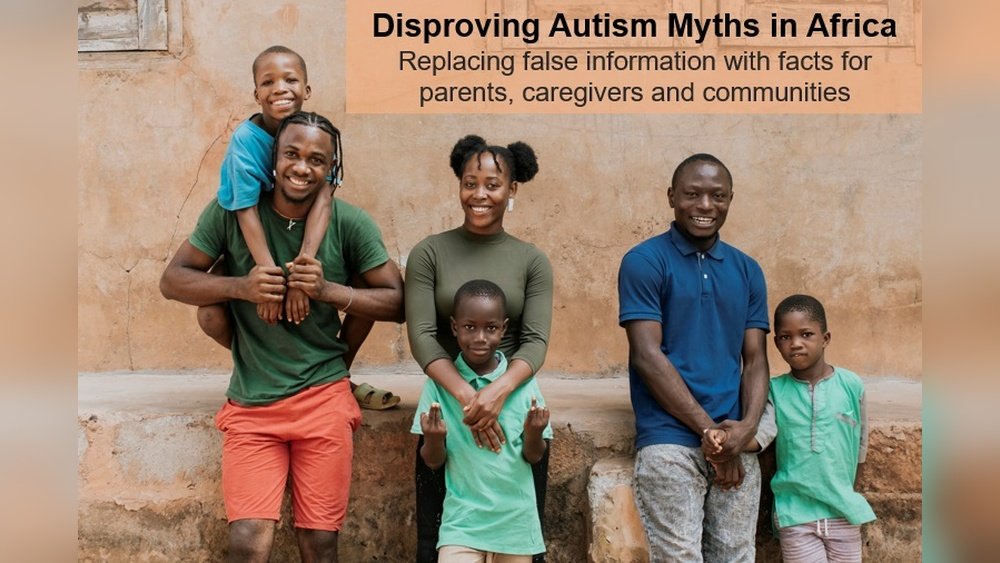
You might think you know Africa, but how much of what you believe is really true? Africa is a vast and diverse continent full of rich history, vibrant cultures, and incredible landscapes.
Yet, many myths and stereotypes cloud people’s understanding of it. What if some of the stories you’ve heard are completely wrong? You’ll discover surprising facts that challenge common myths about Africa. By the end, you’ll see the continent in a new light—and appreciate its true complexity and beauty.
Ready to separate fact from fiction? Let’s dive in.


Credit: planetwild.com
Africa’s Size And Diversity
Africa is a continent full of surprises. Its size and diversity often lead to many misunderstandings. People sometimes think Africa is small or uniform. The truth is very different. This section sheds light on the real facts about Africa’s vastness and variety.
Second-largest Continent
Africa is the second-largest continent on Earth. It covers about 30 million square kilometers. Only Asia is bigger. Africa is larger than the United States, China, and most of Europe combined. This huge size means there is a lot to explore.
Varied Landscapes And Climates
Africa’s landscapes are incredibly varied. You find rainforests, savannas, mountains, and deserts. The climate changes from tropical in the center to arid in the north and south. This variety supports many different plants, animals, and cultures. It shows how diverse Africa really is.
Largest Hot Desert And Longest River
Africa is home to the Sahara, the largest hot desert in the world. It stretches across many countries in the north. Africa also holds the Nile River, the longest river on Earth. The Nile flows over 6,600 kilometers through several countries. These natural features add to Africa’s unique geography.


Credit: dovetailed.co.uk
Population And Culture
Africa’s population and culture are rich and diverse. The continent holds many surprises that break common myths. Its people are young and vibrant. Traditions vary widely across regions. Cities and villages each tell unique stories.
Youngest Population Globally
Africa has the youngest population in the world. More than 60% of its people are under 25 years old. This youthfulness brings energy and new ideas. It also means the continent’s future depends on education and jobs. Many countries in Africa have high birth rates and growing populations.
Multiple Languages And Traditions
Africa is home to thousands of languages. People speak over 2,000 distinct languages and dialects. Each group has its own customs and stories. Music, dance, and art vary from place to place. These traditions connect communities and keep history alive. Language diversity shows the continent’s deep cultural richness.
Urban Centers Vs Rural Areas
Africa has both busy cities and quiet rural areas. Cities like Lagos, Cairo, and Nairobi are fast-growing. They offer jobs and modern lifestyles. Rural areas keep traditional ways of life. Farming, crafts, and community ties remain strong there. The mix of urban and rural makes Africa complex and fascinating.
Historical Significance
Africa holds a vital place in world history. Its story stretches back millions of years. Many believe it is the origin of all humans. The continent has seen great ancient civilizations rise and fall. Africa’s cultural heritage shapes much of today’s global diversity. Understanding its historical importance helps clear common myths. It reveals the truth behind Africa’s rich past.
Cradle Of Humankind
Scientists call Africa the “cradle of humankind.” Early human ancestors lived here millions of years ago. Fossils of these ancestors were found in East Africa. These discoveries show where humans first appeared. Africa’s role in human evolution is unmatched worldwide. This fact challenges myths that ignore Africa’s deep history.
Ancient Civilizations
Africa hosted some of the world’s oldest civilizations. Egypt’s pharaohs built the famous pyramids. The Kingdom of Kush thrived south of Egypt. Carthage was a powerful trading city in North Africa. Great empires like Mali and Ghana ruled vast lands. These civilizations influenced trade, culture, and technology globally.
Rich Cultural Heritage
Africa’s cultures are diverse and ancient. Languages, art, music, and traditions vary across regions. Many African societies passed knowledge orally for generations. Unique customs and beliefs shape daily life. This heritage is alive and continues to grow. It proves Africa’s people have long, rich histories worth celebrating.
Common Myths About Africa
Africa faces many myths that shape how people see the continent. These myths often hide the real facts about its diversity and progress. Clearing up these common misunderstandings helps us appreciate Africa’s true nature.
Africa As One Country
Africa is not one country but a continent with 54 countries. Each country has its own culture, language, and history. Treating Africa as a single country ignores this rich diversity.
All Africans Live In Huts
Many believe all Africans live in simple huts. Cities like Lagos, Nairobi, and Johannesburg show modern buildings and homes. African living styles vary widely across urban and rural areas.
Africa Is Dangerous And Disease-ridden
Africa is often seen as unsafe and full of diseases. While some health challenges exist, many parts are safe and healthy to visit. People travel and live there without problems every day.
Africa Is Mostly Jungle
Many think Africa is covered only by jungle. The continent has deserts, mountains, savannas, and large cities too. The Sahara Desert is the largest hot desert in the world.
Lack Of Technology And Development
Africa is sometimes viewed as lacking technology or modern development. Many African countries lead in mobile banking, tech startups, and renewable energy. Progress is happening fast across the continent.
Truths Revealing Africa’s Reality
Africa is often misunderstood due to many myths and stereotypes. These myths hide the true face of the continent. Exploring the real facts helps reveal Africa’s reality. It is a land of growth, culture, and modern life.
Economic Growth And Innovation
Africa shows strong economic growth in many countries. Some nations lead in technology and innovation. Startups and businesses thrive in cities like Nairobi and Lagos. These hubs create jobs and new ideas. The continent invests in renewable energy and digital services. This progress challenges old views of Africa.
Modern Cities And Infrastructure
Africa has many modern cities with advanced infrastructure. Skyscrapers and business districts stand tall in Johannesburg and Accra. Roads, airports, and public transport improve daily life. New buildings use eco-friendly designs. Urban areas attract people from rural regions. This growth shapes a new urban culture.
Diverse Ethnic Groups And Languages
Africa is home to thousands of ethnic groups and languages. Each group has unique traditions and stories. Over 2,000 languages are spoken across the continent. This diversity enriches Africa’s culture and arts. People celebrate their heritage through music and dance. Understanding this variety helps appreciate Africa’s complexity.
African Mythology And Legends
African mythology and legends form a rich tapestry of stories passed down through generations. These tales reveal the beliefs, values, and worldviews of many African cultures. They often explain natural events and human experiences using supernatural themes. Understanding these myths helps clear up common misunderstandings about Africa.
Supernatural Beings And Deities
African myths often feature gods, spirits, and supernatural beings. These beings control nature and human fate. Some gods are creators of the world or protectors of communities. Ancestor spirits also play a key role, guiding and protecting the living. Each culture has its unique set of deities and spirits.
Popular Myths And Their Meanings
Many African myths teach moral lessons or explain the world. For example, the story of Anansi the spider shows the value of cleverness. The tale of the Rain Bull explains the cycle of rain and drought. These myths carry deep meanings about life, nature, and society.
Cultural Importance Of Storytelling
Storytelling is central to African culture. Elders pass down myths orally to keep traditions alive. These stories build a sense of identity and community. They also teach history, ethics, and survival skills. Storytelling events bring people together and celebrate shared heritage.

Geographical Facts
Africa is a vast continent with diverse geography. Many people hold wrong ideas about its size and features. Knowing the true facts helps clear up these myths. The continent has many unique geographical traits. These facts show Africa’s real scale and natural variety.
Largest Country And City
Algeria is Africa’s largest country by area. It covers over 2.3 million square kilometers. The country has deserts, mountains, and Mediterranean coastlines.
Lagos, in Nigeria, is the continent’s biggest city. It is a major economic hub with millions of residents. Lagos bustles with culture, business, and life.
Smallest Country And Biggest Island
Seychelles is Africa’s smallest country. It is an island nation in the Indian Ocean. Seychelles consists of many small islands with beautiful beaches.
Madagascar is the largest island in Africa. It lies off the southeast coast. The island has unique plants and animals found nowhere else.
Distinct Geographic Regions
Africa has several distinct geographic zones. The Sahara Desert is the largest hot desert on Earth. It stretches across North Africa.
The savannas cover much of central and southern Africa. These grasslands support diverse wildlife like lions and elephants.
Rainforests exist mainly in Central Africa. They are rich in plant and animal species. The Congo Basin is one of the largest rainforest areas worldwide.

.jpg)
Credit: www.datelinehealthafrica.org
Africa’s Global Contributions
Africa has shaped the world in many important ways. Its influence spreads across food, science, and culture. Many people do not realize how much Africa has contributed globally. Discover the true facts about Africa’s role in the global community.
Food And Agriculture
Africa is the origin of many key crops. Crops like coffee, yams, and millet come from Africa. These foods feed millions worldwide. African farming techniques also inspire sustainable agriculture. Traditional knowledge helps improve soil and water use. African farmers have long adapted to harsh climates. Their methods support biodiversity and food security.
Science And Technology
Africa has a rich history of scientific innovation. Ancient Egyptians made advances in medicine and engineering. Today, African scientists work on health, energy, and space projects. Innovations in mobile banking began in Africa. Many African countries lead in renewable energy use. Technology hubs in cities like Nairobi grow rapidly. These centers create solutions for local and global needs.
Arts And Music
African art and music influence global culture deeply. African rhythms form the base of many music genres. Jazz, blues, and hip-hop have roots in African sounds. Traditional art uses vibrant colors and patterns. Storytelling through dance and music preserves history. African artists gain recognition worldwide for their creativity. Their work connects people across continents.
Conclusion
Africa holds many truths often hidden by common myths. This continent is rich in culture, history, and natural wonders. People should learn facts to see Africa’s true diversity and strength. Misunderstandings only create distance and false ideas. Exploring real stories helps build respect and knowledge.
Africa’s reality is far more inspiring than any myth. Keep an open mind and discover the beauty beyond stereotypes. Truth opens doors to better understanding and connection.