
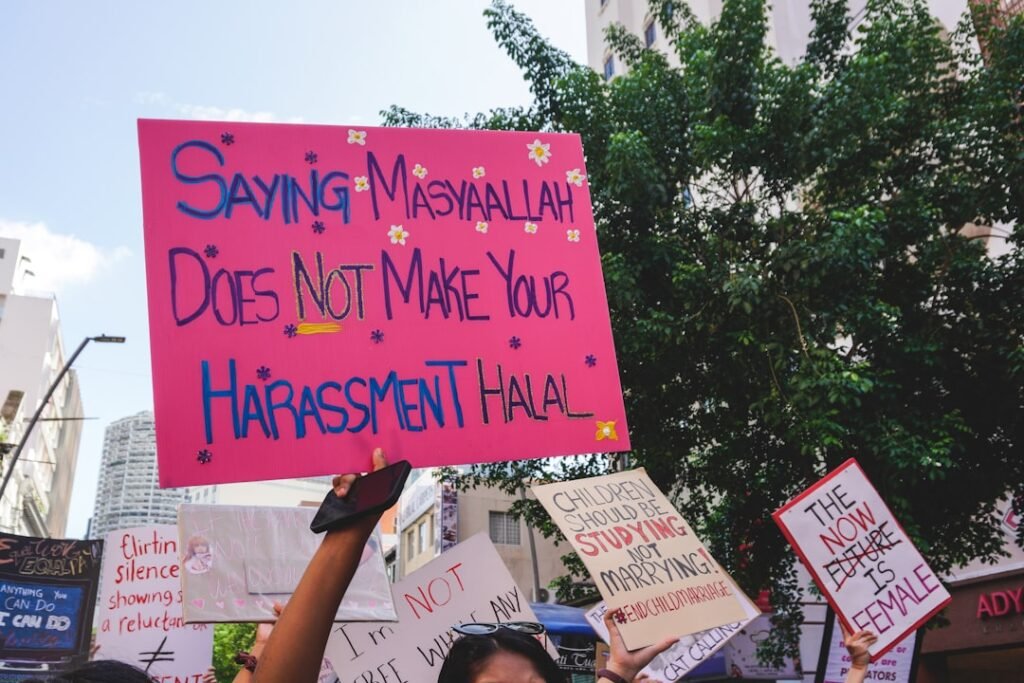
Education serves as a cornerstone for the empowerment of women in Africa, acting as a catalyst for social change and economic development. Historically, many African societies have placed a lower value on the education of girls compared to boys, leading to significant disparities in literacy rates and educational attainment. However, the tide is gradually turning as various initiatives and programs are implemented to promote girls’ education.
For instance, organizations like the United Nations Educational, Scientific and Cultural Organization (UNESCO) have launched campaigns aimed at increasing enrollment rates for girls in primary and secondary schools. These efforts are crucial, as education not only equips women with knowledge and skills but also fosters critical thinking and self-confidence, enabling them to challenge societal norms and pursue opportunities that were previously inaccessible. Moreover, education has a profound impact on women’s health and well-being.
Educated women are more likely to make informed decisions regarding their health, including family planning and nutrition. They tend to have fewer children and invest more in their children’s education, creating a positive cycle of empowerment that can uplift entire communities. For example, studies have shown that when women receive secondary education, they are more likely to seek healthcare services for themselves and their families.
This ripple effect underscores the importance of prioritizing educational access for girls, as it not only transforms individual lives but also contributes to broader societal progress.
Economic Empowerment Programs for Women in Africa
Economic empowerment programs specifically designed for women in Africa play a pivotal role in enhancing their financial independence and overall quality of life. These programs often focus on providing women with access to resources such as microfinance, vocational training, and entrepreneurship support. Microfinance institutions, such as Grameen Bank and various local initiatives, have emerged as vital players in this space by offering small loans to women entrepreneurs who may not qualify for traditional bank loans.
This financial support enables women to start or expand their businesses, thereby generating income and fostering economic stability within their households. In addition to microfinance, vocational training programs are essential for equipping women with practical skills that are in demand in the job market. For instance, initiatives like the African Development Bank’s “Jobs for Youth in Africa” program aim to provide young women with training in sectors such as information technology, agriculture, and hospitality.
By enhancing their employability, these programs not only empower women economically but also contribute to reducing unemployment rates in their communities. Furthermore, successful women entrepreneurs often become role models, inspiring other women to pursue their own economic aspirations and break free from traditional gender roles.
The Impact of Gender Equality Legislation in Africa
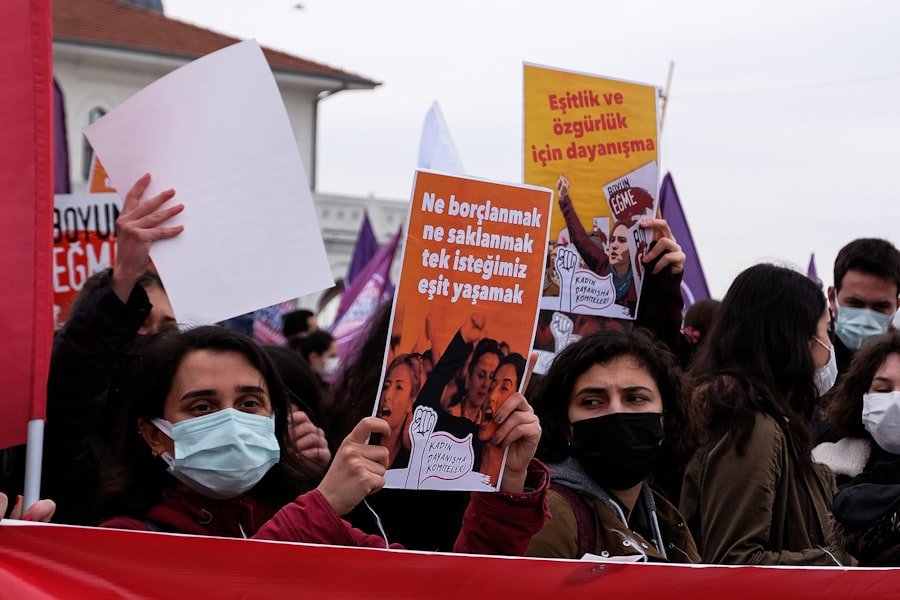

The enactment of gender equality legislation across various African nations has been instrumental in advancing women’s rights and promoting gender parity. Laws aimed at eliminating discrimination against women in areas such as employment, property ownership, and inheritance have been established in several countries. For example, the 2010 Gender Equality Act in Uganda mandates equal pay for equal work and prohibits discrimination based on gender in the workplace.
Such legal frameworks not only protect women’s rights but also create an environment conducive to their participation in economic activities. However, the mere existence of legislation is not sufficient; effective implementation and enforcement are critical to achieving tangible results. In many cases, cultural norms and societal attitudes continue to undermine the impact of these laws.
For instance, despite legal protections against gender-based violence in countries like South Africa, high rates of domestic violence persist due to deeply entrenched patriarchal values. Therefore, it is essential for governments to not only enact progressive laws but also engage in public awareness campaigns that challenge harmful stereotypes and promote gender equality as a societal norm.
Women’s Participation in Politics and Leadership Roles
Women’s participation in politics and leadership roles is vital for ensuring that women’s voices are heard in decision-making processes that affect their lives. In recent years, there has been a notable increase in the number of women holding political office across Africa. Countries like Rwanda have set a global benchmark by achieving over 60% representation of women in parliament, largely due to constitutional mandates that require a minimum percentage of female representation.
This political empowerment allows women to advocate for policies that address issues such as healthcare, education, and economic opportunities for women. Despite these advancements, challenges remain in achieving gender parity in political representation across the continent. Many women still face significant barriers when seeking political office, including societal resistance, lack of financial resources, and inadequate support networks.
Initiatives aimed at mentoring and training women leaders can help bridge this gap by providing them with the skills and confidence needed to navigate the political landscape. Organizations like the African Women’s Development Fund (AWDF) actively support women’s leadership development through capacity-building programs that empower women to take on leadership roles within their communities.
Addressing Gender-Based Violence and Discrimination
Gender-based violence (GBV) remains a pervasive issue across Africa, affecting millions of women and girls each year. The prevalence of GBV is often exacerbated by cultural norms that perpetuate violence against women as an acceptable form of control or punishment. Addressing this issue requires a multifaceted approach that includes legal reforms, community education, and support services for survivors.
Many African countries have enacted laws aimed at combating GBV; however, enforcement remains inconsistent due to societal attitudes that often blame victims rather than perpetrators. Community-based initiatives play a crucial role in changing perceptions around GBV and promoting gender equality. For example, programs that engage men as allies in the fight against GBV have shown promise in challenging harmful norms and fostering healthier relationships between genders.
Organizations like Sonke Gender Justice in South Africa work to mobilize men to advocate for women’s rights and challenge toxic masculinity through workshops and community outreach efforts. By addressing the root causes of GBV and promoting respectful relationships, these initiatives contribute to creating safer environments for women.
Access to Healthcare and Reproductive Rights for Women in Africa
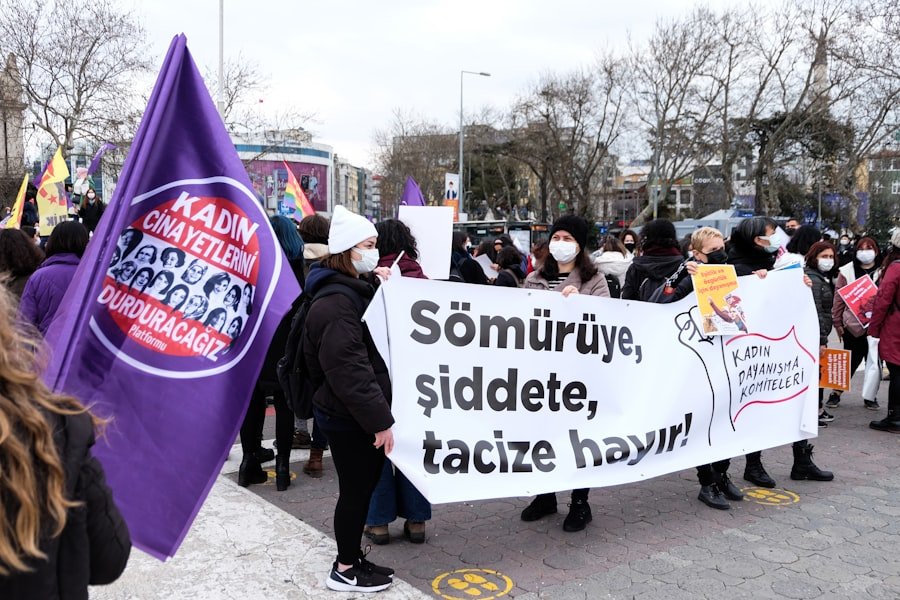
Access to healthcare services is a fundamental right that significantly impacts women’s health outcomes across Africa. However, many women face barriers to accessing essential healthcare services due to factors such as poverty, geographic location, and cultural stigma surrounding reproductive health issues. In particular, maternal health remains a pressing concern; according to the World Health Organization (WHO), sub-Saharan Africa has the highest maternal mortality rates globally.
Improving access to quality maternal healthcare is critical for reducing these rates and ensuring that women can safely give birth. Reproductive rights are also an essential aspect of women’s health that must be prioritized. Access to family planning services allows women to make informed choices about their reproductive health, ultimately leading to better health outcomes for both mothers and children.
Initiatives like the “She Decides” movement advocate for women’s autonomy over their bodies by promoting access to comprehensive reproductive health services without discrimination or stigma. By empowering women with knowledge about their reproductive rights and providing access to necessary healthcare services, societies can foster healthier families and communities.
Empowering Women in Rural Communities

Women living in rural areas often face unique challenges that hinder their empowerment compared to their urban counterparts. Limited access to education, healthcare, and economic opportunities can perpetuate cycles of poverty and inequality. However, targeted interventions aimed at empowering rural women can yield significant benefits for entire communities.
For instance, agricultural training programs that teach women sustainable farming practices can enhance food security while providing them with income-generating opportunities. Microfinance initiatives tailored specifically for rural women have also proven effective in promoting economic independence. By providing small loans for agricultural investments or small businesses, these programs enable women to contribute financially to their households while gaining greater control over their economic futures.
Additionally, community-based organizations often play a vital role in supporting rural women’s empowerment by facilitating access to resources and creating networks of support among women.
Entrepreneurship and Business Opportunities for African Women
Entrepreneurship has emerged as a powerful avenue for women’s empowerment across Africa, enabling them to create jobs not only for themselves but also for others within their communities. Women entrepreneurs often bring innovative solutions to local challenges while contributing significantly to economic growth. However, they frequently encounter obstacles such as limited access to capital, lack of mentorship opportunities, and societal biases that question their capabilities as business leaders.
To address these challenges, various organizations have developed programs aimed at fostering entrepreneurship among women. For example, initiatives like the African Women’s Entrepreneurship Program (AWEP) provide training on business management skills while facilitating access to markets and financing options. By equipping women with the necessary tools and resources to succeed in business, these programs help dismantle barriers that hinder women’s entrepreneurial aspirations.
The Role of Media and Communication in Empowering Women
Media plays a crucial role in shaping public perceptions of gender roles and influencing societal attitudes towards women’s empowerment. Positive representation of women in media can challenge stereotypes and inspire change by showcasing successful female role models across various fields. For instance, television shows that feature strong female characters or documentaries highlighting women’s achievements can serve as powerful tools for promoting gender equality.
Moreover, social media platforms have become instrumental in amplifying women’s voices and facilitating grassroots movements advocating for gender equality. Campaigns like #MeToo have gained global traction through social media channels, raising awareness about issues such as sexual harassment and gender-based violence. In Africa, local movements leveraging social media have successfully mobilized communities around issues affecting women while fostering solidarity among activists across borders.
Supporting Women in STEM Fields and Technology
The underrepresentation of women in science, technology, engineering, and mathematics (STEM) fields poses significant challenges for gender equality in Africa’s rapidly evolving job market. Encouraging young girls to pursue careers in STEM is essential for closing this gender gap while fostering innovation within these sectors. Various initiatives aim to inspire girls through mentorship programs, scholarships, and hands-on workshops that expose them to STEM-related subjects from an early age.
Organizations like Technovation Africa empower girls by providing them with coding skills while encouraging them to develop mobile applications that address local community challenges. By equipping young women with technical skills and fostering an interest in technology-related fields, these initiatives contribute not only to individual empowerment but also to building a more diverse workforce capable of driving economic growth.
Collaboration and Partnerships for Women’s Empowerment in Africa
Collaboration among various stakeholders is essential for advancing women’s empowerment across Africa effectively. Governments, non-governmental organizations (NGOs), private sector actors, and community groups must work together to create comprehensive strategies that address the multifaceted challenges faced by women. Partnerships can leverage resources, expertise, and networks necessary for implementing impactful programs aimed at empowering women.
For instance, initiatives like the African Union’s Agenda 2063 emphasize the importance of collaboration between member states to achieve gender equality goals across the continent. By fostering partnerships that prioritize women’s empowerment at all levels—local, national, and regional—Africa can create an environment where women can thrive economically, socially, and politically. Such collaborative efforts are crucial for dismantling systemic barriers while promoting sustainable development that benefits all members of society.
The empowerment of women in Africa is a crucial topic that encompasses various aspects of social, economic, and political development. One related article that highlights the importance of community support and innovation in driving change is found at this link: Give Your Learn From Home Space an Upgrade with This HP Mandaue Foam Promo. This article discusses how improving educational resources can play a significant role in empowering women and girls, providing them with the tools they need to succeed in their studies and future careers.