
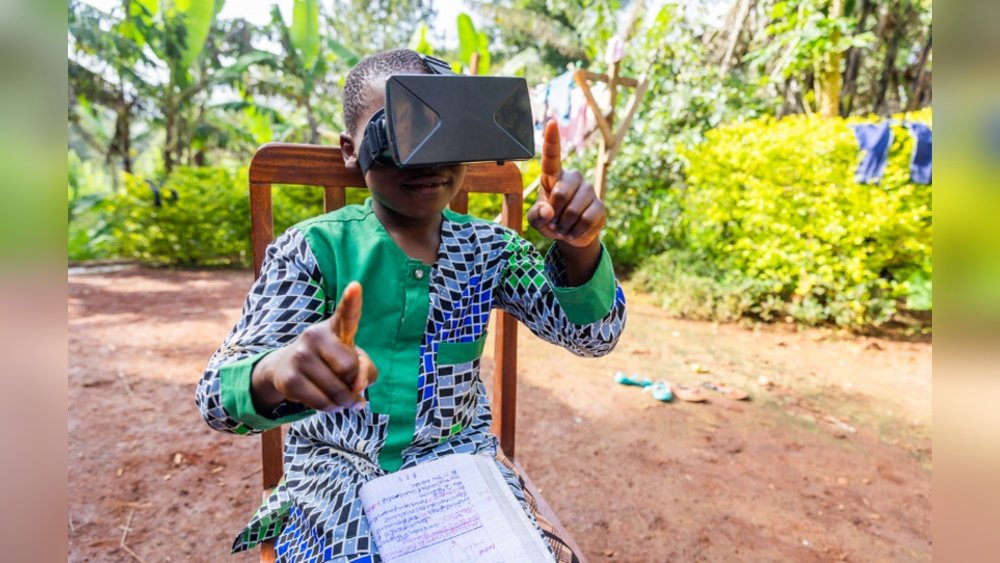
When you think about Africa, what comes to mind? Is it just a distant land filled with challenges, or do you see a continent rich with history, culture, and innovation?
Educating yourself about the real Africa goes beyond headlines and stereotypes. It opens your eyes to the true stories that shape not only Africa but the entire world. By understanding Africa’s past and present, you gain a clearer view of global connections, human origins, and the vibrant cultures that continue to influence us all.
Ready to discover the realities of Africa and why it matters to you? Keep reading to uncover truths that can change how you see the world—and yourself.
Africa As The Cradle Of Humankind
Africa holds a unique place in human history. It is widely recognized as the cradle of humankind. This title reflects its crucial role in the story of human origins. The continent offers rich fossil records and cultural heritage. These discoveries reveal how early humans lived and evolved. Africa’s history shapes our understanding of who we are today.
Fossil Evidence And Human Evolution
Fossils found in Africa reveal important details about human evolution. Some of the oldest human ancestors lived here millions of years ago. These fossils include skulls, bones, and tools. Scientists study them to learn how humans changed over time. Africa’s fossil sites, like Olduvai Gorge, are world-famous. They show the gradual development from early primates to modern humans. This evidence proves Africa’s key role in the origin of our species.
Early Civilizations And Innovations
Africa was home to many early civilizations. These societies created complex cultures and made important inventions. Ancient Egyptians built pyramids and developed writing systems. Other African groups excelled in metalworking and trade. They established cities and networks connecting different regions. These innovations influenced the wider world. Africa’s early civilizations contributed to art, science, and governance. Their legacy continues to inspire people worldwide.

Credit: www.africanleadershipmagazine.co.uk
Africa’s Impact On Global History
Africa has shaped global history in many important ways. Its influence stretches far beyond the continent. Understanding Africa’s impact helps us see world history more clearly.
Africa was a center for early trade and cultural exchanges. These interactions connected distant lands and peoples. The exchange of goods, ideas, and technologies helped shape civilizations worldwide.
Ancient Trade And Cultural Exchanges
Trade routes in Africa linked the Mediterranean, Middle East, and Asia. Caravans carried gold, salt, ivory, and spices across vast deserts. These goods were highly valued and traded for silk, ceramics, and other treasures.
Cultural exchanges traveled with traders. Languages, religions, and art styles mixed and spread. African cities like Timbuktu became famous centers of learning and culture.
These ancient networks helped build bridges between different peoples. They laid the foundation for the global connections we see today.
Influence On World Governance And Art
Africa contributed ideas to political systems and governance. Some African kingdoms developed complex laws and administrative structures. These systems influenced later forms of government elsewhere.
Art from Africa has inspired styles across the world. Sculptures, textiles, and masks reflect deep meanings and traditions. African art influenced modern artists and global art movements.
The continent’s legacy in governance and art shows its vital role in shaping human culture. Africa’s rich history deserves wider recognition and respect.
Myths Vs Realities About Africa
Africa is often misunderstood due to many myths and stereotypes. These false ideas create a narrow and incorrect picture of the continent. Educating about Africa means looking beyond these myths. It means sharing the true stories of its people, cultures, and achievements. This helps build respect and a better understanding of Africa’s diversity and richness.
Common Misconceptions And Stereotypes
Many people think Africa is only about poverty and wild animals. This is not true. Africa has large cities, modern technology, and diverse cultures. People often believe all African countries are the same. But Africa has 54 countries, each with its own languages and traditions. Another myth is that Africa depends only on aid. In reality, many African nations are growing economies and trade partners globally.
Dismantling Eurocentric Narratives
European views have shaped many stories about Africa. These stories often show Africa as backward or uncivilized. This view ignores Africa’s rich history of empires, arts, and science. It also misses Africa’s role in global trade and culture for centuries. Challenging these views means telling African stories from African voices. It means valuing African knowledge and experience. This shift creates a more accurate and fair understanding of the continent.

Credit: www.alueducation.com
Africa’s Role In The Modern Economy
Africa plays an essential role in today’s global economy. The continent offers a wide range of resources and opportunities. Many countries in Africa are growing fast economically. This growth impacts global markets and trade. Understanding Africa’s economy helps us see its importance beyond common stereotypes. It shows the real potential and challenges faced by the continent.
Natural Resources And Economic Growth
Africa is rich in natural resources like oil, minerals, and metals. These resources attract investment and create jobs. Many African countries depend on mining and agriculture. The export of resources helps fund development projects. Sustainable management of these assets is vital for long-term growth. Some countries are diversifying to reduce reliance on raw materials. This shift aims to build stronger, more stable economies.
Demographic Trends And Future Potential
Africa has the youngest population in the world. Many people are under 25 years old. This youthfulness offers a large workforce and market. It can drive innovation and entrepreneurship. Education and skills training are key to unlocking this potential. Urban areas are growing rapidly, creating new business opportunities. The future of Africa’s economy depends on investing in its people and infrastructure.
Scientific Contributions From Africa
Africa has made important scientific contributions that impact the world. Its researchers explore health issues and genetic diversity. These efforts bring new knowledge and solutions. Africa’s role in science is often overlooked but vital. Understanding these contributions helps correct common myths. It shows Africa as a source of innovation and progress.
Research Addressing Global Health
African scientists work on diseases affecting millions worldwide. They study malaria, HIV, tuberculosis, and Ebola. Their research improves treatments and prevention methods. Local knowledge helps create better health strategies. African research centers often lead global health studies. This work saves lives and informs international health policies.
Genetic Diversity And Innovation
Africa has the greatest human genetic diversity on Earth. This diversity offers unique insights into human biology and medicine. Scientists study African genomes to understand disease resistance and risks. It helps develop new drugs and personalized treatments. African innovation also includes traditional medicines and biotechnology. These contributions enrich global science and medical knowledge.

Credit: www.alueducation.com
Political Landscape And Current Events
The political landscape of Africa is complex and dynamic. It shapes the lives of millions and influences global affairs. Recent events reveal ongoing challenges and remarkable progress across the continent. Understanding these realities helps dispel stereotypes and offers a clearer view of Africa’s role in the world today.
Historical Context Of African Politics
Africa’s political history is marked by colonialism and the struggle for independence. European powers divided the continent without regard for ethnic or cultural boundaries. This created lasting tensions and conflicts after independence. Many countries faced challenges building stable governments and democracies. Some nations experienced coups, civil wars, and authoritarian regimes. Despite this, many African states have made steady political progress since the late 20th century. Multiparty elections and constitutional reforms became more common. Pan-African movements also worked to promote unity and cooperation. Understanding this history is key to grasping today’s political realities on the continent.
Africa’s Influence On Global Affairs Today
Africa plays an increasing role in international politics and economics. It is a vital source of natural resources like oil, minerals, and agricultural products. Many global powers engage with African nations through trade and diplomacy. Africa also contributes to peacekeeping missions worldwide. Its young population offers a growing market and workforce. Regional organizations like the African Union promote political stability and economic integration. African leaders participate actively in global forums such as the United Nations and G20. These efforts highlight Africa’s expanding influence on world affairs and its potential to shape the future.
Cultural Identity And Heritage
Africa’s cultural identity and heritage form the heart of its story. This rich and diverse heritage shapes the lives of millions. It connects the past with the present and future. Understanding this helps break stereotypes and builds respect for African cultures.
Every community in Africa carries unique traditions, languages, and arts. These elements express the deep roots and history of the continent. They also offer lessons on resilience, creativity, and unity. Exploring this cultural wealth helps people appreciate Africa beyond common misconceptions.
Affirming African Descent And Pride
Knowing about African heritage strengthens identity for people of African descent. It offers a true picture of their ancestors’ achievements and struggles. This knowledge builds pride and confidence in their roots. It encourages young people to embrace their culture and history.
Teaching African history and traditions helps correct false narratives. It shows the continent’s role in shaping human civilization. This affirmation supports a positive self-image and combats discrimination. Pride in one’s heritage inspires future generations to value their culture.
Connecting Diasporas Worldwide
Africa’s cultural identity links millions of people across the world. Diasporas share languages, music, food, and rituals that trace back to Africa. These connections create a global community rooted in shared heritage. They foster unity and a sense of belonging among dispersed populations.
Cultural exchange between Africa and its diasporas strengthens understanding and cooperation. It revives traditions and adapts them to new environments. This global network enriches all members and keeps African culture alive worldwide. The shared heritage bridges distances and builds solidarity.
Fostering Global Citizenship
Fostering global citizenship means encouraging people to see themselves as part of a larger world community. It helps break down stereotypes and builds a sense of shared responsibility. Educating about Africa’s realities plays a key role in this process. It shows the true diversity and complexity of the continent. This education opens doors to empathy and cooperation across cultures. It prepares individuals to engage thoughtfully with global challenges and opportunities.
Promoting Cross-cultural Understanding
Learning about Africa introduces different cultures, languages, and traditions. It helps people appreciate the variety within the continent. This knowledge reduces misunderstandings and fear of the unknown. Cross-cultural understanding creates respect for different ways of life. It encourages dialogue and peaceful interactions among diverse groups. Schools and communities can use stories and facts about Africa to build bridges. This approach makes global citizenship more meaningful and real.
Building Respect Through Education
Education about Africa combats false images and myths. It highlights achievements in science, art, and history that often go unnoticed. Teaching these facts builds respect for African contributions to the world. Respect grows when people recognize shared human experiences and values. Schools that include African perspectives promote fairness and equality. This respect is the foundation of strong global citizenship. It helps create a world where everyone feels valued and understood.
Conclusion
Africa’s story is rich and full of lessons. Understanding its history helps us see the world clearly. It shows us how people, cultures, and ideas connect globally. Learning about Africa breaks down wrong ideas and builds respect. It also helps people of African heritage feel proud and strong.
Knowing these truths makes us better global citizens. Everyone benefits from a wider, honest view of Africa. Let’s keep exploring and sharing its real stories.
