




When you think of Africa, what images come to mind? Is it endless deserts, wild animals roaming freely, or people living in simple huts?
These ideas might seem familiar, but they don’t tell the full story. Africa is a vast and diverse continent, rich in history, culture, and innovation. Yet, many myths and stereotypes still cloud your understanding of this incredible place. If you’re ready to challenge what you’ve heard and discover the truth behind common misconceptions, keep reading.
This article will change the way you see Africa—and maybe even surprise you.
Common Misconceptions
Africa is often misunderstood due to many common misconceptions. These false ideas shape how people see the continent. It is important to clear up these myths to appreciate Africa’s true diversity and richness.
Africa As A Single Country
Africa is not a country. It is a vast continent with 54 different countries. Each country has its own culture, language, and history. Treating Africa as one place ignores its amazing variety and complexity.
All Africans Live In Huts
Many believe all Africans live in huts. This is not true. Most people live in modern homes and cities. Africa has large urban areas with skyscrapers, schools, and hospitals. Housing varies greatly across regions.
Wild Animals Roam Freely Everywhere
Wild animals do not roam freely in all parts of Africa. Wildlife mainly lives in protected parks and reserves. Most cities and towns are safe and animal-free. People live and work far from wild animals in daily life.
Stereotypes About People
Many stereotypes about African people are false and harmful. These myths shape wrong ideas about an entire continent. Africa is diverse and full of unique individuals with different backgrounds. Understanding this helps break stereotypes and promotes respect.
All Africans Have Dark Skin
Africa has many skin tones, not just dark skin. People from North Africa often have lighter skin. Some groups in East Africa have olive or brown complexions. The continent has over 1.4 billion people with varied appearances. Skin color alone cannot define African identity.
Lack Of Education And Technology
This myth ignores Africa’s many educated people and tech experts. African countries have universities with skilled graduates. Cities like Nairobi and Lagos are technology hubs. Startups and innovations grow fast across the continent. Education and technology are strong and advancing.
Homogeneous Cultures And Languages
Africa is home to over 3,000 ethnic groups. It has more than 2,000 languages spoken daily. Traditions, music, and food vary greatly from region to region. Each culture has its own unique customs and history. Africa’s diversity is one of its greatest strengths.
Economic Myths
Africa faces many economic myths that cloud its true potential. These myths paint a narrow and often false picture of the continent’s economy. Clearing these misconceptions helps reveal Africa’s real progress and strengths. Understanding the facts opens doors to a more accurate view of Africa’s economic landscape.
Africa Is Only Poor And Dependent
This myth suggests Africa relies entirely on aid and charity. The truth shows a growing number of African countries boosting their own economies. Many nations have rising middle classes and expanding industries. Africa exports valuable resources and products worldwide. Economic growth rates in parts of Africa often surpass global averages. Dependency is not the whole story.
No Modern Cities Or Infrastructure
People often imagine Africa as lacking modern cities and roads. This image ignores cities like Lagos, Nairobi, and Johannesburg. These cities have skyscrapers, airports, and complex road networks. Infrastructure projects such as railways and power plants are increasing. Technology hubs and business districts thrive in many urban areas. Africa’s urban landscape is modern and rapidly evolving.
Lack Of Innovation And Industry
Some say Africa has no innovation or industry. In reality, many African countries lead in mobile banking and fintech. Manufacturing, agriculture, and tech startups are growing fast. Local entrepreneurs create solutions for local problems. Innovation hubs and incubators support new ideas. Africa’s industry is diverse and continuously expanding.

Credit: aperian.com
Historical Misunderstandings
Many people hold wrong ideas about Africa’s history. These ideas hide the true story of the continent’s past. Understanding historical facts helps break these myths. It shows Africa’s real role in world history.
False stories often say Africa made no impact on civilization. These claims ignore rich evidence from ancient times. Myths from colonial times still affect how people see Africa today.
No Contributions To Civilization
Some say Africa gave nothing to human progress. This is not true. Africa was home to early human ancestors. It also created important inventions and ideas. For example, ironworking began in parts of Africa. Ancient Africans built great cities and trade routes. These helped spread culture and goods worldwide.
Africa’s Rich Ancient History
Africa’s past is full of powerful kingdoms and empires. Egypt’s pyramids show advanced knowledge of engineering. The Kingdom of Kush and Great Zimbabwe built strong, wealthy states. Timbuktu was a center of learning and culture. These examples prove Africa’s deep and diverse history.
Colonial Myths And Their Impact
Colonial powers spread many false stories about Africa. They claimed Africans lacked culture to justify control. These myths erased real African achievements from history books. This caused many to underestimate Africa’s importance. Today, scholars work hard to restore the truth and honor Africa’s legacy.
Natural Environment Misbeliefs
The natural environment of Africa is often misunderstood. Many myths paint a picture far from reality. These misbeliefs shape how people view the continent’s landscapes and ecosystems. Clearing up these false ideas helps us appreciate Africa’s true diversity and challenges.
Africa As An Untouched Eden
People often think Africa is a wild paradise untouched by humans. The idea suggests large areas remain pristine and untouched. In truth, many parts of Africa have been shaped by human activity for thousands of years. Farming, settlements, and cities have changed the land. Nature and people coexist and influence each other.
All Regions Have The Same Climate
Africa is often seen as uniformly hot and dry. This is far from accurate. The continent has many climates, from deserts to rainforests. Northern Africa has vast deserts, while central Africa hosts lush jungles. Southern Africa experiences cooler seasons. Climate varies greatly across regions and seasons.
Wildlife Is Always Abundant And Unthreatened
Many assume African wildlife is always plentiful and safe. Sadly, many species face threats from habitat loss and poaching. Some animals have seen sharp population declines. Conservation efforts are critical to protect wildlife. The balance between humans and animals is delicate and constantly changing.

Credit: www.youtube.com
Cultural Richness
Africa’s cultural richness defies simple description. The continent hosts an incredible variety of cultures, languages, and traditions. This diversity forms a vibrant tapestry that continues to evolve. Many myths ignore these vibrant realities and paint Africa with a broad, inaccurate brush.
Exploring Africa’s cultural wealth reveals a dynamic blend of old and new. Traditional customs thrive alongside modern expressions in art, music, and literature. This cultural vitality challenges outdated stereotypes and highlights Africa’s global contributions.
Diverse Languages And Traditions
Africa is home to over 2,000 languages. Each language carries unique traditions and histories. Communities celebrate festivals, dances, and rituals that reflect their identity. These customs pass down knowledge and values across generations. The continent’s cultural diversity enriches the world’s heritage.
Modern Art, Music, And Literature
African artists create works that inspire globally. Visual art blends traditional themes with contemporary styles. Musicians mix local rhythms with modern sounds, gaining international acclaim. Writers tell stories that capture African life and dreams. This cultural creativity reshapes how the world sees Africa.
Technological And Scientific Advances
Africa leads in innovative technologies and research. Scientists develop solutions addressing local and global challenges. Tech hubs emerge in cities like Nairobi and Lagos. These centers foster startups in health, agriculture, and energy. Africa’s progress in science and technology defies myths of stagnation.
Contemporary Africa
Africa today stands far from outdated stereotypes. It is a continent full of life, progress, and change. Modern cities rise with impressive skylines. Technology and culture mix in vibrant urban centers. The continent shows a new face shaped by growth and innovation.
Urban Growth And Modernization
Africa’s cities grow rapidly, drawing millions every year. Skyscrapers and new infrastructure replace old images. Roads, airports, and public transport improve daily life. Modern shopping malls and entertainment venues attract visitors. Cities like Nairobi, Lagos, and Johannesburg shine as economic hubs. Urban growth brings fresh opportunities for work and education.
Economic Resilience And Opportunities
Africa’s economy adapts and grows despite challenges. Agriculture, mining, and technology lead key sectors. Many countries diversify their industries beyond traditional exports. Local businesses and startups flourish across the continent. International trade increases, boosting economic ties worldwide. Investments in renewable energy and digital markets rise. Economic resilience shows Africa’s potential for steady progress.
Youth And Innovation Driving Change
Africa’s youth form a large part of the population. Young people bring energy, ideas, and creativity to society. They start tech hubs, social enterprises, and creative projects. Mobile technology and internet access empower new business models. Education and skills training expand opportunities for many. Youth drive political and social change across countries. Their innovation shapes a brighter future for Africa.
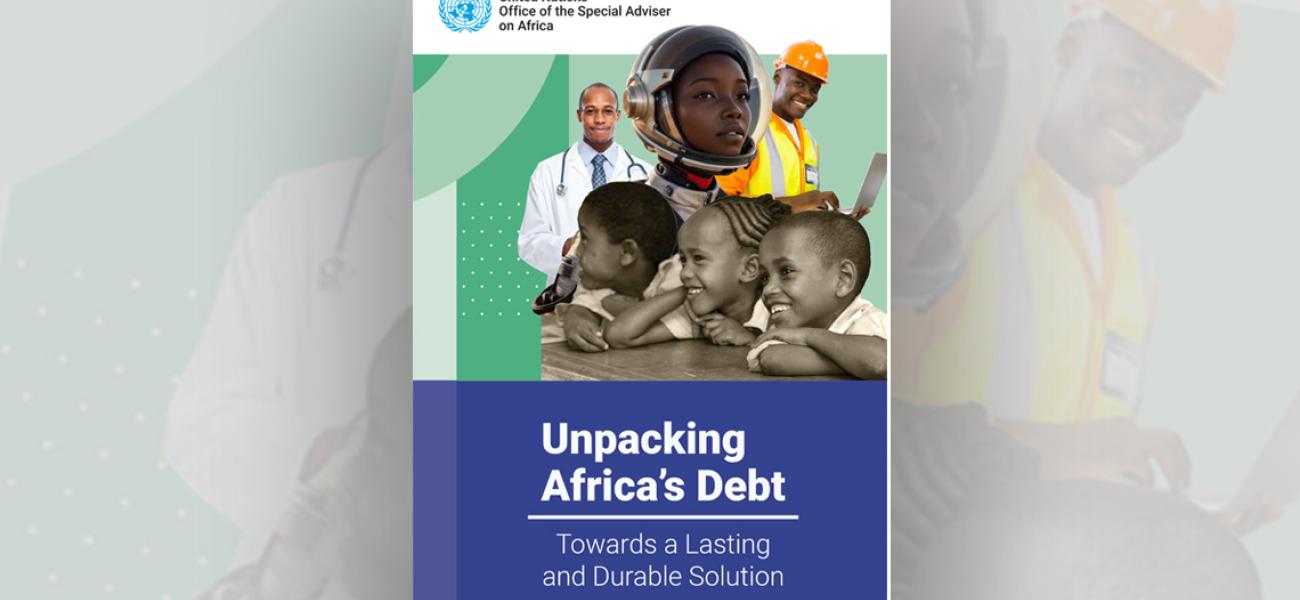
Credit: africarenewal.un.org
Conclusion
Africa is a diverse continent full of rich cultures and histories. Many myths about Africa come from misunderstanding and stereotypes. People often ignore the progress and achievements across its nations. Africa’s story is about strength, innovation, and vibrant communities. By learning the truth, we can appreciate its real beauty and potential.
Let’s challenge old ideas and see Africa with fresh eyes. This helps us respect its people and their unique stories. Understanding Africa better brings us closer to a fairer world.
