
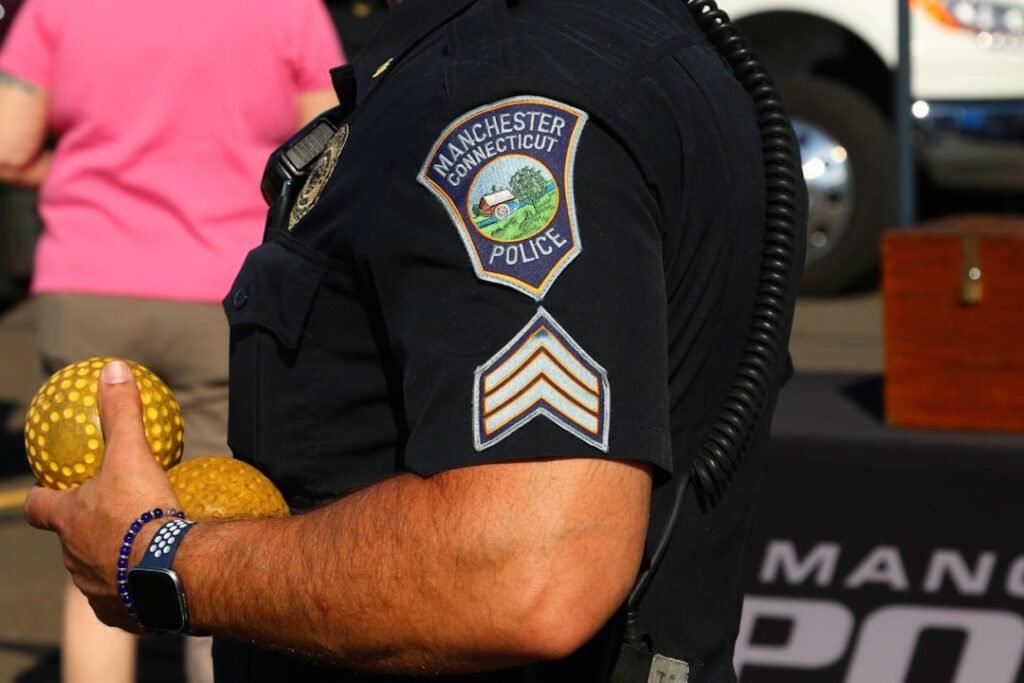
Community policing is a philosophy and strategy that seeks to enhance the relationship between law enforcement agencies and the communities they serve. This approach emphasizes proactive measures, encouraging police officers to engage with community members, understand their concerns, and work collaboratively to address issues. Unlike traditional policing, which often focuses on reactive measures and law enforcement, community policing fosters a partnership model where police and citizens share responsibility for public safety.
This shift in focus is crucial in creating a more responsive and effective law enforcement system that prioritizes the needs and voices of the community. The essence of community policing lies in its commitment to building trust and mutual respect between law enforcement and the public. Officers are encouraged to become familiar faces within neighborhoods, participating in community events and engaging in dialogue with residents.
This visibility not only humanizes the police force but also allows officers to gather valuable insights into the unique challenges faced by different communities. By understanding the social dynamics, cultural nuances, and specific concerns of the populations they serve, police can tailor their strategies to be more effective and relevant.
The Role of Cultural Sensitivity in Law Enforcement
Cultural sensitivity is a critical component of effective law enforcement, particularly in diverse communities. It involves recognizing and respecting the various cultural backgrounds, beliefs, and practices of individuals within a community. Law enforcement officers who are culturally sensitive are better equipped to navigate complex social interactions, de-escalate potentially volatile situations, and foster positive relationships with community members.
This sensitivity is not merely an added benefit; it is essential for ensuring equitable treatment and building trust among diverse populations. In practice, cultural sensitivity can manifest in various ways. For instance, officers may need to adapt their communication styles to accommodate individuals who speak different languages or who may have different cultural norms regarding authority figures.
Understanding cultural practices related to conflict resolution, family dynamics, or community gatherings can also inform how officers approach their duties. By being aware of these factors, law enforcement can avoid misunderstandings that could lead to conflict or mistrust, ultimately enhancing public safety and community cohesion.
Building Trust and Relationships with Diverse Communities

Trust is the cornerstone of effective community policing, particularly in areas with diverse populations. Building this trust requires consistent effort from law enforcement agencies to engage with community members authentically. One effective strategy is through regular community meetings where residents can voice their concerns, share experiences, and collaborate on solutions.
These forums not only provide valuable feedback for police but also empower citizens by giving them a platform to influence local policing strategies. Moreover, establishing relationships with community leaders—such as religious figures, educators, and local activists—can significantly enhance trust-building efforts. These leaders often have established credibility within their communities and can serve as intermediaries between law enforcement and residents.
By working alongside these figures, police can gain insights into community dynamics and better understand the historical context that shapes residents’ perceptions of law enforcement. This collaborative approach fosters a sense of shared responsibility for public safety and encourages community members to view police as allies rather than adversaries.
Training and Education for Cultural Competence
To effectively implement community policing strategies, law enforcement agencies must prioritize training and education focused on cultural competence. This training should encompass a wide range of topics, including understanding cultural differences, recognizing implicit biases, and developing effective communication skills. By equipping officers with the knowledge and tools necessary to navigate diverse cultural landscapes, agencies can enhance their ability to serve all community members fairly and effectively.
Training programs should also include practical scenarios that officers may encounter in the field. Role-playing exercises can help officers practice responding to situations involving individuals from various cultural backgrounds, allowing them to develop empathy and understanding in real-time contexts. Additionally, ongoing education is essential; as communities evolve and demographics shift, law enforcement must remain adaptable and informed about emerging cultural trends and issues.
Continuous professional development ensures that officers are not only aware of their own biases but are also equipped to challenge them actively.
Addressing Bias and Stereotypes in Policing
Bias and stereotypes can significantly undermine the effectiveness of law enforcement efforts and erode trust within communities. Implicit biases—unconscious attitudes or stereotypes that affect understanding, actions, and decisions—can lead to discriminatory practices that disproportionately impact marginalized groups. To combat this issue, law enforcement agencies must actively work to identify and address biases within their ranks through comprehensive training programs that promote self-awareness and accountability.
One effective approach is implementing bias recognition training that encourages officers to reflect on their own beliefs and assumptions. This training should be coupled with discussions about the historical context of policing in various communities, particularly those that have experienced systemic discrimination. By fostering an environment where officers can openly discuss their biases without fear of retribution, agencies can create a culture of transparency that prioritizes fairness and equity in policing practices.
Implementing Effective Communication Strategies
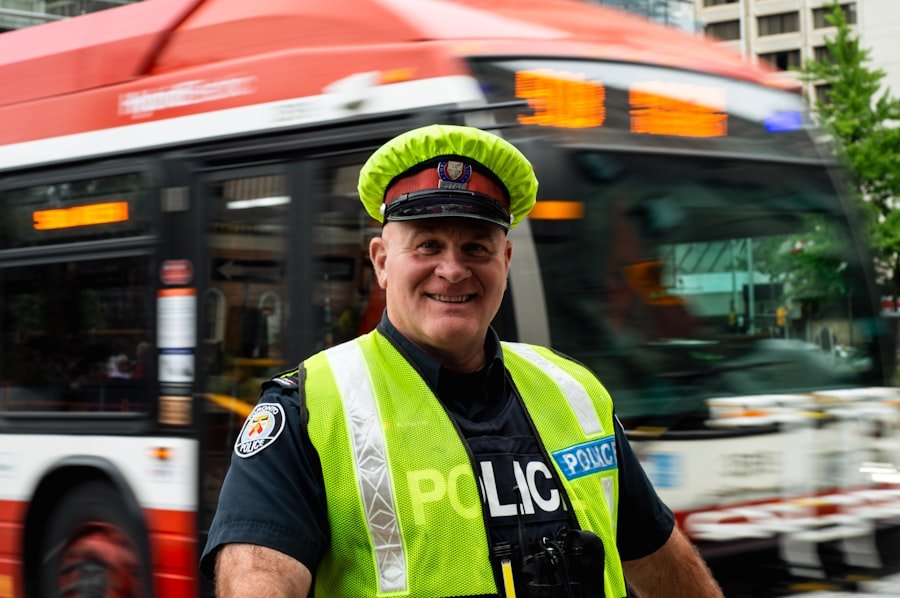

Effective communication is vital for successful community policing initiatives. Law enforcement agencies must develop strategies that facilitate open dialogue between officers and community members. This includes not only verbal communication but also non-verbal cues that convey respect and understanding.
Officers should be trained to recognize the importance of body language, tone of voice, and active listening skills when interacting with individuals from diverse backgrounds. Utilizing technology can also enhance communication efforts. Social media platforms provide an avenue for police departments to share information quickly and engage with residents in real-time.
By maintaining an active online presence, law enforcement can disseminate important updates, solicit feedback on community concerns, and promote positive interactions between officers and citizens. Additionally, creating multilingual resources ensures that language barriers do not hinder communication efforts, allowing all community members to access vital information.
Collaborating with Community Leaders and Organizations

Collaboration with community leaders and organizations is essential for fostering a holistic approach to community policing. These partnerships can take many forms, from joint initiatives aimed at addressing specific issues—such as youth violence or drug abuse—to collaborative events that promote community engagement and education about public safety resources. By working together, law enforcement agencies can leverage the expertise and credibility of local organizations while also demonstrating their commitment to addressing community needs.
Community leaders often have deep insights into the challenges faced by residents, making them invaluable allies in developing effective policing strategies. For example, partnerships with local schools can facilitate programs that educate students about law enforcement roles while also providing officers with opportunities to connect with youth in positive settings. Similarly, collaborating with health organizations can address public health concerns that intersect with crime prevention efforts, such as mental health services or substance abuse programs.
Incorporating Cultural Awareness into Police Practices
Incorporating cultural awareness into everyday police practices is crucial for ensuring that law enforcement is responsive to the needs of diverse communities. This can involve adapting policies and procedures to reflect cultural considerations or developing specialized units focused on serving specific populations—such as immigrant communities or individuals experiencing homelessness. By embedding cultural awareness into the fabric of policing practices, agencies can create a more inclusive environment that respects the unique identities of all residents.
For instance, police departments might implement protocols for handling situations involving individuals with limited English proficiency or those who may have different cultural norms regarding authority figures. Training officers on these protocols ensures that they approach each situation with sensitivity and respect for cultural differences. Additionally, establishing advisory boards composed of community members from various backgrounds can provide ongoing feedback on how well police practices align with the needs of the community.
Handling Cultural Differences in Conflict Resolution
Conflict resolution is a critical aspect of law enforcement work, particularly in diverse communities where cultural differences may influence perceptions of authority or acceptable behavior. Officers must be equipped with the skills necessary to navigate these complexities effectively. This includes understanding how cultural backgrounds shape individuals’ responses to conflict and employing de-escalation techniques that respect these differences.
For example, some cultures may prioritize collective decision-making over individual authority, which could affect how individuals respond during encounters with law enforcement. Officers trained in cultural awareness can recognize these dynamics and adjust their approach accordingly—perhaps by involving family members or community leaders in discussions rather than solely relying on traditional authoritative methods. Such strategies not only help resolve conflicts more effectively but also reinforce trust between law enforcement and the communities they serve.
Evaluating the Impact of Cultural Sensitivity in Community Policing
Evaluating the impact of cultural sensitivity initiatives within community policing frameworks is essential for understanding their effectiveness and identifying areas for improvement. Law enforcement agencies should establish metrics to assess how well they are meeting the needs of diverse populations. This could include surveys measuring community perceptions of safety, trust in law enforcement, or satisfaction with police interactions.
Additionally, qualitative assessments—such as focus groups or interviews with community members—can provide deeper insights into how cultural sensitivity efforts are perceived on the ground level. By analyzing both quantitative data and qualitative feedback, agencies can gain a comprehensive understanding of their impact on community relations. This evaluation process should be ongoing; as communities evolve, so too must policing strategies adapt to remain relevant and effective.
Moving Forward: Best Practices and Future Considerations
As law enforcement agencies continue to embrace community policing models rooted in cultural sensitivity, several best practices emerge that can guide future efforts. First, fostering an organizational culture that prioritizes diversity at all levels—from recruitment to leadership—ensures that varied perspectives inform decision-making processes within police departments. This diversity not only enhances cultural competence but also reflects the communities served.
Moreover, establishing clear channels for ongoing dialogue between law enforcement and community members is vital for maintaining trust over time. Regularly scheduled town hall meetings or forums where residents can voice concerns directly to police leadership create opportunities for transparency and accountability. Finally, investing in technology that facilitates communication—such as mobile apps for reporting issues or accessing resources—can further enhance engagement efforts.
In conclusion, moving forward requires a commitment from law enforcement agencies to prioritize cultural sensitivity as an integral part of their operations. By implementing best practices grounded in collaboration, education, and ongoing evaluation, police departments can build stronger relationships with diverse communities while enhancing public safety for all residents.
Community policing and cultural sensitivity are essential components in fostering trust between law enforcement and diverse communities. An insightful article that touches on the importance of understanding cultural dynamics in policing can be found at this link. It discusses the implications of cultural awareness in law enforcement practices and highlights the need for sensitivity to different backgrounds to improve community relations.