



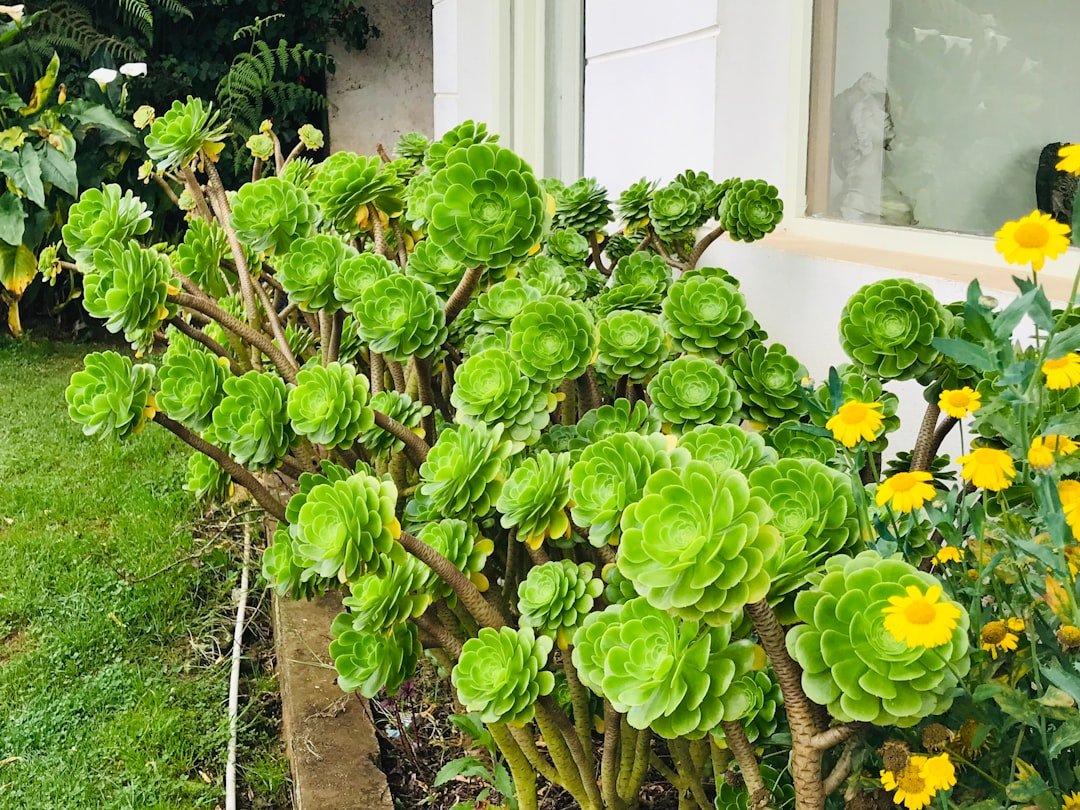
When you embark on the journey of gardening, one of the most common mistakes you might make is overcrowding your plants. It’s tempting to plant as many seeds or seedlings as possible in a limited space, driven by the desire for a lush and vibrant garden. However, this approach can lead to a host of problems.
Plants need room to grow, both above and below the soil. When they are too close together, they compete for essential resources such as sunlight, water, and nutrients. This competition can stunt their growth and lead to weak, spindly plants that are more susceptible to disease.
Moreover, overcrowded plants can create a humid environment that fosters the growth of mold and mildew. Air circulation is crucial for healthy plant development, and when plants are packed tightly together, it becomes difficult for air to flow freely. This can result in a higher incidence of fungal infections and other diseases.
To avoid these pitfalls, it’s important to research the specific spacing requirements for each type of plant you intend to grow. By giving your plants adequate space, you not only promote their health but also enhance the overall aesthetic appeal of your garden.
Ignoring soil quality
Another critical aspect of successful gardening that you may overlook is soil quality. The foundation of any thriving garden lies in the soil, which serves as the primary source of nutrients for your plants. If you neglect to assess and improve your soil quality, you may find that your plants struggle to thrive, regardless of how much care you provide.
Healthy soil is rich in organic matter, well-draining, and teeming with beneficial microorganisms that support plant growth. To ensure your soil is up to par, consider conducting a soil test to determine its pH level and nutrient content. This information will guide you in making necessary amendments, such as adding compost or other organic materials to enrich the soil.
Additionally, incorporating mulch can help retain moisture and suppress weeds while gradually improving soil structure as it breaks down. By prioritizing soil quality, you create a nurturing environment that allows your plants to flourish and reach their full potential.
Planting at the wrong time

Timing is everything in gardening, and planting at the wrong time can lead to disappointing results. Each plant species has its own optimal growing season, influenced by factors such as temperature and daylight hours. If you plant too early or too late, you risk exposing your plants to unfavorable conditions that can hinder their growth or even kill them outright.
For instance, frost-sensitive plants should be planted only after the last frost date in your area, while cool-season crops thrive when planted in early spring or late summer. To avoid this common pitfall, familiarize yourself with the growing seasons for the plants you wish to cultivate. Keep an eye on local weather patterns and use gardening calendars or apps that provide guidance on planting times based on your specific region.
By aligning your planting schedule with the natural rhythms of the seasons, you increase your chances of a bountiful harvest and a flourishing garden.
Not watering enough (or watering too much)
| Metric | Not Watering Enough | Watering Too Much |
|---|---|---|
| Soil Moisture Level (%) | Below 10% | Above 80% |
| Plant Wilting | Visible wilting and drooping leaves | Leaves may appear yellow and soft |
| Leaf Color | Brown, dry edges | Yellowing or pale green |
| Root Health | Dry, brittle roots | Root rot or mushy roots |
| Growth Rate | Stunted or slowed growth | Possible slowed growth due to root damage |
| Soil Condition | Dry, cracked soil | Waterlogged, soggy soil |
| Frequency of Watering | Less than once per week (depending on plant) | Daily or multiple times per day |
| Signs of Disease | Increased susceptibility to pests | Fungal infections, mold growth |
Watering is a fundamental aspect of gardening that requires careful attention. Both under-watering and over-watering can have detrimental effects on your plants. If you don’t provide enough water, your plants may become stressed, leading to wilting and stunted growth.
On the other hand, over-watering can suffocate roots and create conditions conducive to root rot and other diseases. Striking the right balance is essential for maintaining healthy plants. To determine how much water your garden needs, consider factors such as plant type, soil composition, and weather conditions.
A general rule of thumb is to water deeply but infrequently, allowing the soil to dry out slightly between watering sessions. This encourages deep root growth and helps your plants become more resilient to drought conditions. Additionally, using mulch can help retain moisture in the soil while reducing evaporation.
By developing a consistent watering routine tailored to your garden’s needs, you can ensure that your plants receive the hydration they require without risking over-saturation.
Failing to protect against pests
Pest management is an essential component of successful gardening that you cannot afford to overlook. Insects and other pests can wreak havoc on your plants if left unchecked, leading to significant damage or even total crop loss. While it may be tempting to ignore minor infestations or rely solely on chemical pesticides, there are more sustainable approaches to pest control that can help protect your garden without harming beneficial insects or the environment.
One effective strategy is to encourage natural predators in your garden, such as ladybugs and lacewings, which feed on aphids and other harmful pests. You can attract these beneficial insects by planting a diverse array of flowers and herbs that provide nectar and habitat. Additionally, regularly inspecting your plants for signs of pest activity allows you to catch infestations early before they escalate into larger problems.
By adopting an integrated pest management approach that combines prevention, monitoring, and natural control methods, you can safeguard your garden against pests while promoting a healthy ecosystem.
Neglecting to mulch

Mulching is often an overlooked practice in gardening that can yield significant benefits for your plants. A layer of mulch not only enhances the visual appeal of your garden but also serves several practical purposes that contribute to plant health. Mulch helps retain moisture in the soil by reducing evaporation, which is especially important during hot summer months when water is scarce.
This means less frequent watering for you and healthier plants overall. In addition to moisture retention, mulch acts as a barrier against weeds, preventing them from competing with your plants for nutrients and resources. As mulch breaks down over time, it also enriches the soil with organic matter, improving its structure and fertility.
When applying mulch, be sure to use organic materials such as wood chips, straw, or shredded leaves for optimal benefits. By incorporating mulching into your gardening routine, you create a more sustainable environment that supports healthy plant growth while minimizing maintenance efforts.
Not rotating crops
Crop rotation is a practice that many gardeners overlook but is vital for maintaining soil health and preventing pest problems. When you plant the same crops in the same location year after year, you deplete specific nutrients from the soil while allowing pests and diseases associated with those crops to build up in the soil. This can lead to diminished yields and increased susceptibility to diseases over time.
By rotating your crops each season, you disrupt this cycle and promote a healthier garden ecosystem. Different plant families have varying nutrient requirements and pest profiles; by alternating them in your garden beds, you allow the soil to recover while minimizing pest populations. For example, legumes like beans can fix nitrogen in the soil, benefiting subsequent crops like tomatoes or peppers that require higher nitrogen levels.
Implementing a crop rotation plan not only enhances soil fertility but also contributes to a more resilient garden overall.
Using the wrong fertilizer
Fertilization is an essential aspect of gardening that requires careful consideration; using the wrong type or amount of fertilizer can lead to poor plant health or even damage them irreparably. Different plants have varying nutrient needs based on their growth stage and specific requirements. If you apply a fertilizer that doesn’t match those needs—whether it’s too high in nitrogen for flowering plants or lacking essential micronutrients—you may hinder their growth rather than promote it.
To avoid this mistake, take the time to research the specific nutrient requirements for each type of plant in your garden. Conducting a soil test can also provide valuable insights into what nutrients are already present in your soil and what may be lacking. Based on this information, choose a balanced fertilizer or organic amendments that cater specifically to your plants’ needs.
By providing the right nutrients at the right time, you’ll foster healthy growth and vibrant blooms throughout your garden.
Not providing enough support for tall plants
As you cultivate taller plants such as tomatoes or sunflowers, it’s crucial not to overlook their need for support. Without proper staking or trellising, these plants may become top-heavy and fall over under their own weight or during inclement weather conditions. This not only damages the plants but can also lead to broken stems and reduced yields.
To ensure your tall plants thrive, invest in sturdy stakes or trellises that can withstand their growth throughout the season. When planting these varieties, consider placing supports at the time of planting rather than waiting until they begin to grow taller; this minimizes root disturbance later on. Regularly check on these supports as your plants grow and adjust them as necessary to accommodate their increasing height.
By providing adequate support for tall plants, you promote healthy growth while preventing potential damage from environmental factors.
Ignoring the importance of sunlight
Sunlight is one of the most critical factors influencing plant growth; without adequate light exposure, even the most well-cared-for plants will struggle to thrive. Each plant species has its own light requirements—some thrive in full sun while others prefer partial shade—and failing to consider these needs can lead to poor growth or even death. To maximize sunlight exposure in your garden, take note of how sunlight moves across your space throughout the day.
Position sun-loving plants in areas where they will receive direct sunlight for most of the day while placing shade-tolerant varieties in areas with filtered light or afternoon shade. Additionally, be mindful of taller plants casting shadows over shorter ones; proper planning ensures all your plants receive sufficient light for optimal growth. By prioritizing sunlight exposure in your gardening efforts, you create an environment where all your plants can flourish.
Neglecting to regularly weed the garden
Weeds are often seen as a gardener’s nemesis; they compete with your beloved plants for nutrients, water, and sunlight while harboring pests and diseases that can harm your garden’s health. Neglecting regular weeding can quickly turn a thriving garden into an overgrown mess where desirable plants struggle to survive amidst rampant weed growth. To keep weeds at bay effectively, establish a routine for inspecting your garden beds regularly—ideally once a week—to catch any emerging weeds before they have a chance to establish deep roots.
Hand-pulling weeds is often effective for small infestations; however, for larger areas or persistent weeds like dandelions or crabgrass, consider using mulch or landscape fabric as preventive measures against future growth. By staying vigilant about weeding throughout the growing season, you’ll create an environment where your desired plants can thrive without competition from unwanted intruders. In conclusion, successful gardening requires attention to detail across various aspects—from spacing plants appropriately and ensuring soil quality to timing planting correctly and managing water levels effectively.
By avoiding common pitfalls such as overcrowding or neglecting pest control measures while embracing practices like mulching and crop rotation, you set yourself up for a flourishing garden filled with healthy plants ready to reward you with beauty and bounty throughout each growing season.
When starting a vegetable garden, it’s essential to be aware of common mistakes that can hinder your success. For instance, one common error is not preparing the soil adequately, which can lead to poor plant growth. To learn more about effective gardening practices, you might find it helpful to read this article on all homepage blocks, which provides valuable insights and tips for both novice and experienced gardeners.
