




The issue of inadequate resources and funding is a pervasive challenge faced by law enforcement agencies across the globe, particularly in developing nations. Insufficient financial support often leads to a lack of essential equipment, such as vehicles, communication devices, and forensic tools, which are critical for effective policing. For instance, in many regions, police officers may be forced to rely on outdated technology or even manual methods for investigations, severely hampering their ability to respond to crimes efficiently.
This lack of resources not only affects the operational capabilities of the police but also diminishes their overall effectiveness in maintaining public safety. Moreover, the scarcity of funding can lead to understaffing within police departments. When there are not enough officers to cover a community adequately, response times to emergencies can increase, and the likelihood of crime may rise as potential offenders perceive a lack of police presence.
In some cases, officers may be overworked and undertrained, leading to burnout and decreased morale. This cycle of underfunding and resource scarcity creates an environment where law enforcement struggles to fulfill its primary mandate of protecting citizens and upholding the law.
Corruption and lack of accountability
Corruption within law enforcement agencies is a significant barrier to effective policing and public trust. When officers engage in corrupt practices, such as accepting bribes or turning a blind eye to criminal activities, it undermines the integrity of the entire justice system. For example, in certain countries, police officers may collude with drug traffickers or organized crime syndicates, prioritizing personal gain over their duty to serve and protect the community.
This not only perpetuates criminal activity but also erodes public confidence in law enforcement institutions. The lack of accountability mechanisms further exacerbates the problem of corruption. In many jurisdictions, there are insufficient checks and balances to hold officers accountable for their actions.
This can lead to a culture of impunity where misconduct goes unpunished, fostering an environment where unethical behavior becomes normalized. Citizens may feel disillusioned and reluctant to report crimes or cooperate with police investigations if they believe that officers are not held to the same standards as the general public. The resulting distrust can create a vicious cycle that hampers effective law enforcement and community safety.
Political interference in law enforcement
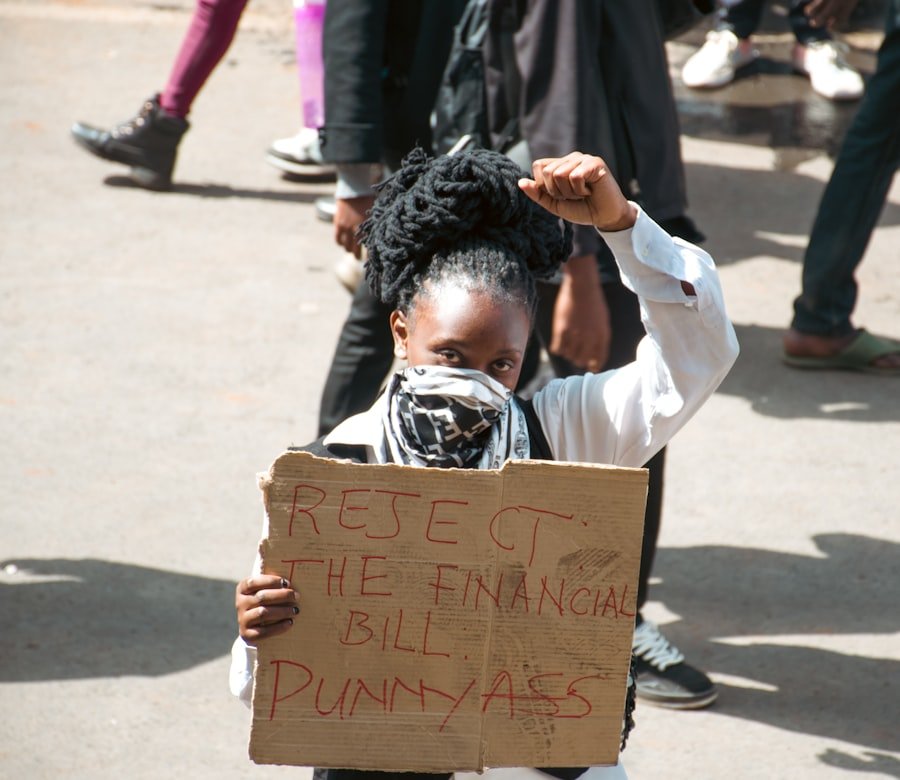
Political interference in law enforcement is another critical issue that undermines the effectiveness of policing. When political leaders exert influence over police operations, it can lead to biased enforcement of laws and selective targeting of individuals or groups based on political affiliations or social status. For instance, in some countries, law enforcement agencies may be used as tools for political repression, where dissenting voices are silenced through intimidation or unlawful arrests.
This not only violates fundamental human rights but also compromises the impartiality that is essential for effective policing. Furthermore, political interference can result in the misallocation of resources and priorities within law enforcement agencies. When police departments are directed to focus on politically motivated objectives rather than community safety, it can lead to neglect of pressing crime issues.
For example, if a government prioritizes cracking down on protests rather than addressing rising gang violence, it can create a perception that law enforcement is more concerned with maintaining political power than ensuring public safety. This misalignment between political agendas and community needs can further alienate citizens from their police forces.
High levels of crime and violence
High levels of crime and violence present significant challenges for law enforcement agencies worldwide. In areas plagued by gang activity or organized crime, police officers often find themselves outmatched and overwhelmed. The prevalence of violent crime can create a climate of fear among residents, leading to decreased cooperation with law enforcement efforts.
For instance, in cities with high homicide rates, community members may be hesitant to report crimes or provide information about suspects due to fears of retaliation from criminal organizations. Moreover, the psychological toll on law enforcement personnel working in high-crime areas cannot be overlooked. Officers frequently encounter traumatic situations that can lead to stress, burnout, and mental health issues.
The constant exposure to violence can desensitize officers over time, potentially affecting their judgment and interactions with the community. This cycle of violence not only impacts the immediate safety of citizens but also contributes to a broader societal breakdown where trust in law enforcement diminishes.
Inadequate training and education for police officers
Inadequate training and education for police officers is a critical factor that affects their ability to perform effectively in their roles. Many law enforcement agencies do not provide sufficient training on essential skills such as conflict resolution, de-escalation techniques, and cultural competency. For example, officers who lack training in handling mental health crises may resort to forceful tactics that exacerbate situations rather than resolve them peacefully.
This can lead to tragic outcomes and further erode public trust in law enforcement. Additionally, ongoing professional development is often neglected within police departments. The landscape of crime is constantly evolving, with new challenges such as cybercrime and human trafficking emerging regularly.
Without access to updated training programs that address these contemporary issues, officers may struggle to adapt their strategies effectively. This gap in knowledge can hinder their ability to investigate crimes thoroughly and respond appropriately to new threats, ultimately compromising public safety.
Limited access to technology and modern policing methods

The integration of technology into policing has transformed how law enforcement agencies operate; however, many departments still face significant barriers in accessing modern tools and methods. In regions where funding is limited, police may lack essential technological resources such as body cameras, advanced data analytics software, or even basic communication systems. For instance, without body cameras, there is no objective record of interactions between officers and civilians, which can lead to disputes over conduct and accountability.
Moreover, the absence of modern policing methods can hinder investigative capabilities. Techniques such as predictive policing rely on data analysis to anticipate criminal activity; however, without access to relevant technology or training on how to utilize it effectively, officers may miss opportunities to prevent crime before it occurs. The disparity in technological access between urban and rural areas can also exacerbate existing inequalities in law enforcement effectiveness.
Communities that lack modern resources may find themselves at a disadvantage when it comes to crime prevention and response.
Cultural and language barriers
Cultural and language barriers pose significant challenges for law enforcement agencies operating in diverse communities. Officers who do not understand the cultural nuances or languages spoken by residents may struggle to communicate effectively during interactions or investigations. For example, misunderstandings arising from language barriers can escalate situations unnecessarily or lead to misinterpretations of intent during encounters with citizens.
This can result in increased tensions between law enforcement and community members. Additionally, cultural insensitivity can hinder trust-building efforts between police and marginalized communities. When officers are unaware of cultural practices or norms, they may inadvertently offend individuals or groups they are meant to serve.
This lack of understanding can create an environment where community members feel alienated from law enforcement efforts. To bridge these gaps, it is essential for police departments to prioritize cultural competency training and recruit officers who reflect the diversity of the communities they serve.
Lack of trust and cooperation from the community
A lack of trust and cooperation from the community is a significant barrier that hampers effective policing efforts. When citizens perceive law enforcement as untrustworthy or corrupt, they are less likely to report crimes or collaborate with officers during investigations. This reluctance can create a feedback loop where low levels of community engagement lead to higher crime rates, further eroding trust in law enforcement agencies.
For instance, in neighborhoods with a history of negative interactions with police, residents may choose silence over reporting suspicious activities due to fears of retaliation or disbelief that their concerns will be taken seriously. Building trust requires consistent efforts from law enforcement agencies to engage with communities positively. Initiatives such as community policing programs aim to foster relationships between officers and residents by encouraging open dialogue and collaboration on public safety issues.
However, these efforts must be genuine; if communities perceive them as mere public relations tactics rather than sincere attempts at engagement, they are unlikely to yield meaningful results. Establishing trust takes time and requires a commitment from both sides to work together toward common goals.
Insufficient legal framework and human rights violations
An insufficient legal framework often leaves law enforcement agencies without clear guidelines on how to operate within the bounds of the law while respecting human rights. In many jurisdictions, outdated laws or vague regulations can lead to abuses of power by police officers who exploit these gaps for personal gain or unjust treatment of individuals. For example, without robust legal protections against unlawful searches or detentions, citizens may find themselves subjected to arbitrary actions by law enforcement without recourse for justice.
Human rights violations committed by police can have devastating consequences for individuals and communities alike. Instances of excessive force or wrongful arrests not only harm victims but also contribute to a broader culture of fear surrounding law enforcement agencies. When citizens believe that their rights are not protected by those sworn to uphold them, it creates an environment where cooperation with police becomes increasingly difficult.
To address these issues effectively, it is crucial for governments to establish comprehensive legal frameworks that prioritize human rights protections while holding law enforcement accountable for any violations.
Challenges in dealing with transnational crime and terrorism
Transnational crime and terrorism present unique challenges for law enforcement agencies that often exceed national borders and require coordinated responses across jurisdictions. Criminal organizations involved in drug trafficking, human smuggling, or cybercrime operate globally, making it difficult for local police forces to combat these threats effectively without international collaboration. For instance, drug cartels may exploit weak border controls between countries to transport illegal substances with relative ease; this necessitates intelligence sharing and joint operations among multiple nations’ law enforcement agencies.
Similarly, terrorism poses complex challenges that require specialized training and resources that many local police departments may lack. The rise of extremist groups has led to an increase in violent incidents worldwide; however, local officers often find themselves ill-equipped to handle such situations without proper support from federal agencies or international partners. Addressing these challenges requires not only enhanced cooperation among nations but also investment in training programs that prepare local law enforcement for the unique demands posed by transnational crime and terrorism.
Impact of poverty and inequality on law enforcement
Poverty and inequality significantly impact law enforcement’s ability to maintain public safety effectively. In economically disadvantaged areas, high unemployment rates often correlate with increased crime rates as individuals may resort to illegal activities out of desperation for financial stability. Law enforcement agencies operating in these environments face unique challenges; they must navigate complex social dynamics while addressing the root causes of crime rather than merely responding reactively.
Moreover, systemic inequalities can create tensions between marginalized communities and law enforcement agencies tasked with maintaining order. When individuals feel that they are treated unfairly due to their socioeconomic status or background, it fosters resentment toward police forces perceived as enforcers of an unjust system rather than protectors of public safety. To address these issues holistically requires a multifaceted approach that includes not only effective policing strategies but also social programs aimed at alleviating poverty and promoting equity within communities.
In conclusion, addressing these multifaceted challenges requires a comprehensive understanding of the systemic issues at play within law enforcement agencies worldwide. By recognizing the interconnected nature of these problems—ranging from resource limitations to societal inequalities—stakeholders can work collaboratively toward developing solutions that enhance public safety while fostering trust between communities and their police forces.
One of the significant challenges of policing in Africa is the lack of resources and training, which often leads to ineffective law enforcement. This issue is compounded by the socio-political landscape in many countries, where corruption and inadequate infrastructure further hinder police operations. For a deeper understanding of the cultural context in which these challenges arise, you might find the article on fun things to do in Moshi, Tanzania insightful, as it highlights the local environment and community dynamics that can impact policing efforts.
