

The issue of inadequate resources is a pervasive challenge faced by law enforcement agencies across the globe, particularly in developing nations. Insufficient funding can lead to a myriad of problems, including a lack of personnel, outdated equipment, and inadequate training programs. For instance, many police departments operate with a limited number of officers, which can result in increased response times to emergencies and a diminished ability to effectively patrol communities.
In some cases, officers may be forced to work with outdated technology, such as old vehicles or obsolete communication systems, which can hinder their operational efficiency and effectiveness. Moreover, the lack of resources often extends beyond mere financial constraints. It can also manifest in the form of insufficient facilities and support services.
For example, many police stations are overcrowded and poorly maintained, which can affect the morale of officers and their ability to perform their duties. Additionally, without adequate resources for mental health support and counseling, officers may struggle with the psychological toll of their work, leading to burnout and decreased job performance. This cycle of underfunding and resource scarcity ultimately undermines public safety and erodes community trust in law enforcement.
Corruption and Misconduct
Corruption within law enforcement agencies is a significant barrier to effective policing and community trust. When officers engage in corrupt practices—such as accepting bribes, engaging in favoritism, or abusing their power—it not only undermines the integrity of the police force but also perpetuates a culture of impunity. For example, in some regions, police officers may turn a blind eye to criminal activities in exchange for financial gain, creating an environment where crime can flourish unchecked.
This not only endangers the community but also demoralizes honest officers who are committed to upholding the law. Misconduct can take many forms, from excessive use of force to racial profiling. High-profile cases of police brutality have sparked widespread protests and calls for reform, highlighting the urgent need for accountability within law enforcement.
The public’s perception of police misconduct can lead to a breakdown in trust between communities and the police, making it more difficult for law enforcement to effectively carry out their duties. When citizens feel that they cannot rely on the police to protect them or uphold justice, they may be less likely to report crimes or cooperate with investigations, further complicating the challenges faced by law enforcement agencies.
Language and Cultural Barriers
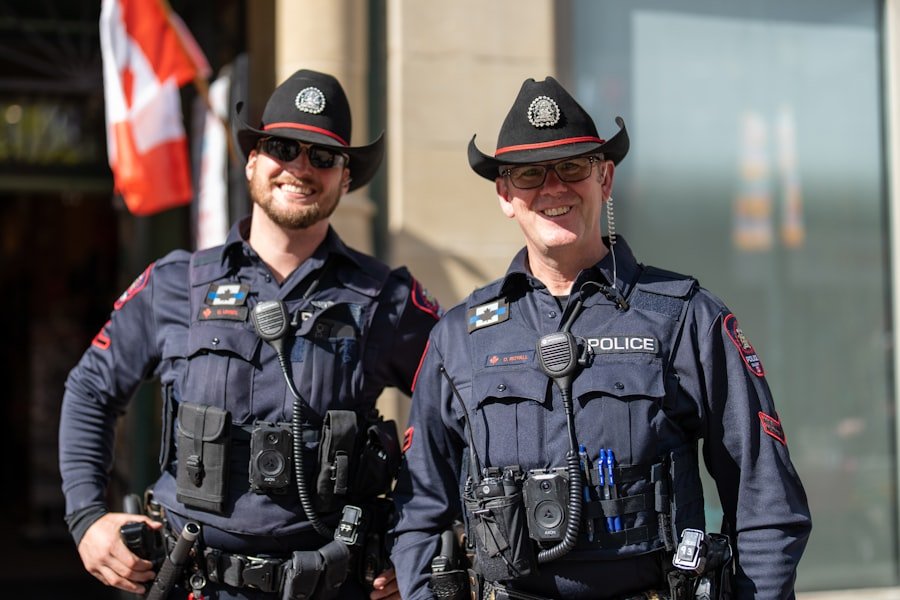

Language and cultural barriers present significant obstacles for law enforcement agencies operating in diverse communities. In many urban areas, police officers encounter individuals who speak different languages or come from various cultural backgrounds. This can lead to misunderstandings during interactions between law enforcement and community members, potentially escalating situations that could have been resolved peacefully.
For instance, a lack of language proficiency can hinder an officer’s ability to communicate effectively with a victim or witness, resulting in incomplete reports or misinterpretations of critical information. Cultural differences can also impact perceptions of authority and trust in law enforcement. In some cultures, there may be a historical mistrust of police due to past experiences with discrimination or abuse.
This mistrust can create a barrier to cooperation between law enforcement and community members, making it difficult for officers to gather information or build relationships. To address these challenges, many police departments are increasingly prioritizing cultural competency training and hiring bilingual officers who can bridge these gaps. However, the implementation of such initiatives often requires additional resources and commitment from leadership.
Resistance to Change
Resistance to change is a common phenomenon within organizations, including law enforcement agencies. Many police departments have long-standing traditions and practices that may not align with contemporary policing needs or community expectations. For example, some officers may be reluctant to adopt new technologies or innovative policing strategies due to a fear of the unknown or a belief that traditional methods are sufficient.
This resistance can stifle progress and prevent departments from effectively addressing modern challenges such as cybercrime or community policing. Moreover, change within law enforcement often requires buy-in from various stakeholders, including rank-and-file officers, leadership, and the community at large. When there is a lack of consensus on the need for reform or new approaches, efforts to implement change can falter.
For instance, initiatives aimed at increasing transparency and accountability may face pushback from officers who feel that such measures undermine their authority or expose them to undue scrutiny. Overcoming this resistance necessitates strong leadership that can articulate a clear vision for change while fostering an environment where officers feel supported and empowered to adapt.
Limited Training and Education
The effectiveness of law enforcement agencies is heavily influenced by the quality of training and education provided to officers. In many jurisdictions, training programs may be limited in scope or duration, leaving officers ill-prepared to handle the complexities of modern policing. For example, while basic training typically covers essential skills such as firearms handling and self-defense, it may not adequately address critical areas such as mental health crisis intervention or de-escalation techniques.
As a result, officers may find themselves ill-equipped to manage situations that require nuanced understanding and sensitivity. Furthermore, ongoing education is crucial for keeping officers informed about evolving laws, technologies, and best practices in policing. However, budget constraints often limit opportunities for professional development.
Many departments struggle to provide regular training sessions or workshops that would allow officers to stay current with new developments in the field. This lack of continuous education can lead to outdated practices persisting within departments, ultimately impacting their ability to serve their communities effectively.
High Crime Rates

High crime rates pose significant challenges for law enforcement agencies tasked with maintaining public safety. In areas plagued by violence or criminal activity, police resources are often stretched thin as they respond to an overwhelming number of incidents. This can lead to burnout among officers who are constantly on high alert and dealing with traumatic situations.
For instance, in cities with high rates of gun violence, officers may find themselves responding to multiple shootings in a single shift, which can take a toll on their mental health and overall job performance. Moreover, high crime rates can create a cycle of fear within communities that further complicates policing efforts. Residents may become reluctant to report crimes or cooperate with investigations due to concerns about retaliation or mistrust of law enforcement.
This reluctance can hinder investigations and make it more difficult for police to gather intelligence on criminal activities. To break this cycle, law enforcement agencies must work collaboratively with community organizations and residents to build trust and foster an environment where individuals feel safe reporting crimes.
Political Interference

Political interference in law enforcement can undermine the integrity and effectiveness of policing efforts. When political agendas influence police operations or decision-making processes, it can lead to a lack of accountability and transparency within agencies. For example, elected officials may pressure police departments to prioritize certain types of crimes over others based on political considerations rather than public safety needs.
This can result in misallocated resources and an inability to address pressing issues within communities. Additionally, political interference can create divisions within law enforcement agencies themselves. Officers may feel caught between their duty to uphold the law and the demands of political leaders who may not fully understand the complexities of policing.
This tension can lead to decreased morale among officers who feel that their professional judgment is being compromised by external pressures. To mitigate these challenges, it is essential for law enforcement agencies to maintain independence from political influence while fostering open lines of communication with community leaders.
Lack of Trust and Cooperation
A lack of trust between law enforcement agencies and the communities they serve is a significant barrier to effective policing. Historical injustices, instances of police misconduct, and systemic discrimination have contributed to deep-seated mistrust among certain populations. For example, communities of color often report feeling targeted by law enforcement due to racial profiling practices, leading to reluctance in cooperating with police investigations or reporting crimes.
This mistrust creates an environment where effective policing becomes increasingly difficult. Building trust requires sustained efforts from law enforcement agencies to engage with communities transparently and authentically. Initiatives such as community policing programs aim to foster positive relationships between officers and residents by encouraging collaboration on public safety issues.
However, these efforts must be genuine; superficial outreach without meaningful engagement will likely fail to rebuild trust. Law enforcement agencies must demonstrate accountability through transparent practices and actively seek input from community members on policing strategies.
Inadequate Infrastructure
Inadequate infrastructure significantly hampers the ability of law enforcement agencies to operate effectively. Many police departments struggle with outdated facilities that lack essential resources for both officers and the communities they serve. For instance, some stations may not have adequate space for evidence storage or interview rooms, which can compromise investigations and hinder the prosecution of cases.
Additionally, insufficient technological infrastructure—such as outdated computer systems—can impede data collection and analysis efforts critical for crime prevention strategies. Moreover, inadequate infrastructure extends beyond physical facilities; it also encompasses communication systems that are essential for coordinating responses during emergencies. In many jurisdictions, outdated radio systems can lead to communication breakdowns during critical incidents, putting both officers and civilians at risk.
Investing in modern infrastructure is crucial for enhancing operational efficiency and ensuring that law enforcement agencies are equipped to respond effectively to evolving public safety challenges.
Socioeconomic Inequality
Socioeconomic inequality plays a significant role in shaping crime rates and influencing policing strategies within communities. Areas characterized by high poverty levels often experience elevated crime rates due to factors such as limited access to education, employment opportunities, and social services. Law enforcement agencies operating in these environments face unique challenges as they attempt to address crime while also considering the underlying social issues contributing to criminal behavior.
Furthermore, socioeconomic disparities can exacerbate tensions between law enforcement and marginalized communities. Residents living in economically disadvantaged areas may feel targeted by aggressive policing tactics aimed at crime reduction without addressing root causes such as lack of opportunity or systemic inequality. To effectively combat crime while fostering community trust, law enforcement agencies must adopt holistic approaches that involve collaboration with social service organizations and community stakeholders focused on addressing socioeconomic disparities.
Traditional Policing Methods
Traditional policing methods often rely heavily on reactive strategies that prioritize arresting individuals after crimes have occurred rather than preventing crime through proactive measures. This approach can lead to strained relationships between law enforcement agencies and communities that feel over-policed yet under-protected. For example, zero-tolerance policies aimed at reducing minor offenses may disproportionately impact marginalized populations without addressing underlying issues contributing to criminal behavior.
In contrast, modern policing emphasizes community engagement and problem-solving strategies that seek to address root causes of crime rather than merely responding after incidents occur. Initiatives such as community-oriented policing encourage collaboration between officers and residents in identifying local concerns while developing tailored solutions that promote public safety without alienating community members. Transitioning from traditional methods requires significant cultural shifts within law enforcement agencies as they embrace new paradigms focused on building trust through collaboration rather than solely relying on punitive measures.
Community policing in Africa faces numerous challenges, including issues related to trust between law enforcement and local communities, resource limitations, and varying cultural perceptions of policing. A related article that explores the broader implications of community engagement in different contexts is available at Face to Face with Mountain Gorillas: A Life-Changing Experience, which highlights the importance of building relationships and understanding within communities, a principle that is equally vital in the realm of policing.