
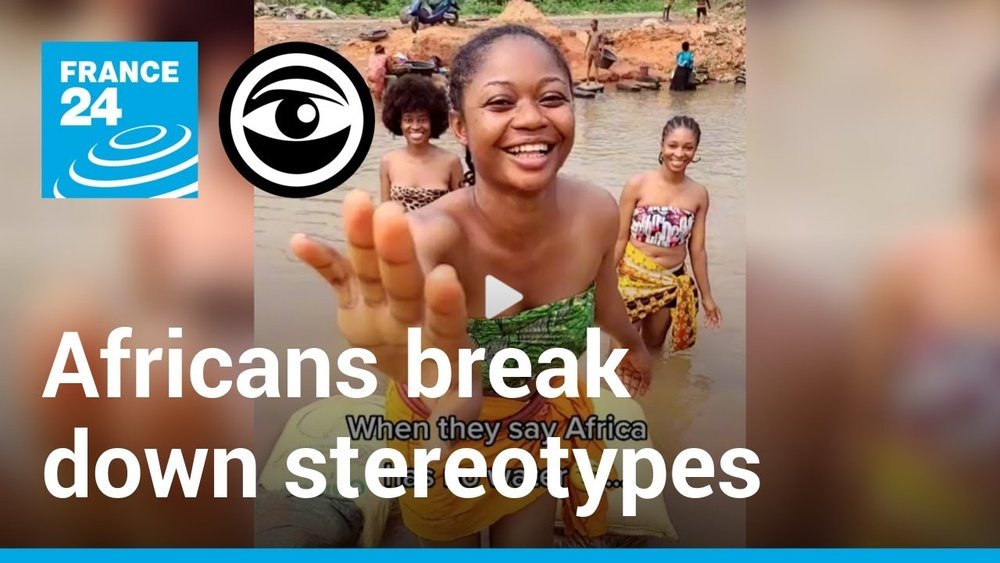
You might think you know Africa, but how much of that is true—and how much is just a story shaped by stereotypes? Too often, Africa is seen through a narrow lens filled with myths about poverty, violence, and backwardness.
But what if these common ideas are hiding a much richer, more diverse reality? This article invites you to challenge what you’ve been told and discover the real Africa beyond the clichés. Keep reading to uncover surprising truths that will change how you see this vibrant continent—and why breaking down these stereotypes matters to you.
Common Myths About Africa
Africa is often misunderstood due to many common myths. These false ideas shape how people see the continent unfairly. It is important to challenge these myths. Doing so helps us appreciate Africa’s true diversity and richness. Let’s break down some popular stereotypes that distort the reality.
Africa As A Jungle And Desert
Many think Africa is only wild jungles or endless deserts. The truth is Africa has varied landscapes. There are mountains, lakes, forests, and cities full of life. The continent’s environment is much more complex than just jungle or desert. This myth hides Africa’s true natural beauty and diversity.
Perceptions Of Poverty And Disease
People often assume Africa is always poor and full of disease. Poverty exists but it is not the whole story. Many African countries have growing economies and modern cities. Healthcare is improving with new hospitals and doctors. This stereotype ignores the progress and potential seen across Africa.
Stereotypes Of Violence And Conflict
Africa is sometimes seen as a place of constant war and violence. Conflict happens but it does not define the entire continent. Most African countries are peaceful and stable. Communities work hard to build safety and harmony. This myth overlooks the many positive stories of cooperation and peace.
Media’s Role In Shaping Views
The media plays a key role in shaping how people see Africa. Stories, images, and reports influence opinions worldwide. These views often come from the way Africa is shown in different media. Understanding this can help break down wrong ideas and stereotypes about the continent.
Media can either build positive views or spread negative ones. It affects how people think about Africa’s culture, people, and progress. This section explores the media’s impact on Africa’s image and how new voices bring fresh perspectives.
Western Media Portrayals
Western media often shows Africa in a limited way. News focuses on poverty, conflict, and disease. These stories ignore many positive sides of African life. The continent is rich in culture, innovation, and growth.
This narrow view creates a one-sided picture. It leaves out success stories and everyday realities. Many people outside Africa only know these negative images. This shapes their ideas about the whole continent.
Impact Of Negative Narratives
Negative stories about Africa cause harm. They create fear and misunderstanding. People may think Africa is unsafe or hopeless. This affects tourism, investment, and global relations.
These narratives also hurt Africans’ self-image. They face stereotypes that do not match their true lives. It limits opportunities and feeds bias. Changing these stories is important for fair views.
Social Media And New Perspectives
Social media offers new ways to tell Africa’s story. Africans use platforms to share real experiences. They show daily life, creativity, and success.
This helps break old stereotypes. People see Africa as diverse and vibrant. Social media connects different voices and ideas. It changes the global conversation about the continent.
Diversity Within The Continent
Africa is often seen as a single story. This view misses the many differences across the continent. Africa has a rich mix of cultures, languages, and traditions. Each country and region offers unique experiences and ways of life. Understanding this variety helps break common stereotypes about Africa.
Cultural And Ethnic Variety
Africa is home to over 1,500 languages and many ethnic groups. Each group has its own customs, music, and art. From the Maasai in Kenya to the Zulu in South Africa, traditions vary widely. This cultural richness shows how diverse Africa truly is. Celebrations, clothing, and food differ from place to place, reflecting deep histories.
Urban Vs Rural Realities
Life in African cities differs from rural areas. Cities like Lagos and Nairobi are busy and modern. They have tall buildings, shopping malls, and fast internet. Rural areas often rely on farming and local markets. Many villages keep traditional ways alive. Both urban and rural areas shape Africa’s identity in important ways.
Economic And Social Differences
Africa’s economies also vary greatly. Some countries have strong industries and growing businesses. Others depend on agriculture or natural resources. Social life changes too, based on education and access to services. Wealth and opportunities differ between regions and communities. These differences show Africa’s complex economic landscape.
Stereotypes And Their Origins
Stereotypes about Africa come from deep-rooted ideas and stories told over time. These ideas shape how many people see the continent today. Understanding where these stereotypes come from helps us question and change them.
Many stereotypes are not based on facts but on views passed down through history. These views often ignore the rich diversity and achievements of African people and cultures.
Historical Context
Many stereotypes began during early encounters between Africa and other parts of the world. Travelers and explorers often described Africa in ways that made it seem strange or uncivilized. These descriptions spread quickly and became common beliefs.
Stories from this time focused on exotic and negative images. They rarely showed the true complexity of African societies. These early tales laid the groundwork for lasting misconceptions.
Colonial Influence
Colonial powers controlled much of Africa for centuries. They used stereotypes to justify their rule and actions. Europeans portrayed Africa as backward and in need of control and guidance.
This portrayal ignored Africa’s own systems and cultures. It painted a one-sided picture that supported colonial interests. These ideas were taught in schools and media, shaping global views.
Misconceptions From Limited Exposure
Many people know Africa only through news or movies. These sources often focus on problems like poverty or conflict. This limited view creates a narrow and negative image.
Few see Africa’s cities, technology, or art. People miss the daily lives and successes of millions. Limited exposure leads to stereotypes that do not reflect reality.
Positive Stories And Achievements
Africa has many positive stories that often go unnoticed. These stories reveal a continent full of talent, progress, and rich culture. Highlighting achievements helps break down old stereotypes. It shows Africa as a place of growth and creativity.
Innovation And Technology
Africa leads in many areas of innovation and technology. Countries like Kenya and Nigeria develop mobile apps used worldwide. Mobile banking services like M-Pesa changed how people handle money. Startups across the continent create solutions for health, education, and energy. Young entrepreneurs bring fresh ideas that solve local problems. This spirit of innovation challenges old views of Africa.
Arts And Cultural Contributions
Africa’s arts and culture inspire people globally. Music genres like Afrobeat and Highlife gain international fans. Writers such as Chimamanda Ngozi Adichie tell powerful African stories. Traditional crafts and fashion influence global styles. Festivals celebrate diverse cultures and bring communities together. These contributions enrich the world and show Africa’s creativity.
Economic Growth And Development
Many African countries experience steady economic growth. Investments in infrastructure improve cities and transport. Agriculture and manufacturing sectors create jobs and boost incomes. Trade partnerships expand markets for African goods. Governments work on policies to support business and innovation. This progress paints a new picture of Africa’s future.


Credit: www.youtube.com
Challenging Stereotypes Daily
Challenging stereotypes daily requires ongoing effort and commitment. These false ideas about Africa shape opinions unfairly. Changing these views starts with small, consistent actions. Every day is a chance to learn, unlearn, and share truth.
People must question old beliefs and seek new knowledge. This helps build respect and understanding. Africa is diverse, rich in culture, innovation, and history. Recognizing this variety breaks down narrow views.
Education And Awareness
Education is key to challenging stereotypes. Schools and communities benefit from teaching true African history and culture. This creates a balanced and accurate picture. Awareness programs highlight Africa’s achievements and challenges fairly. Learning facts replaces myths and misinformation.
Simple lessons about Africa’s many countries and languages expand perspectives. This knowledge helps stop generalizations and prejudice. Education encourages curiosity and respect for differences.
Role Of Storytelling And Media
Stories shape how people see the world. Media often shows Africa in a limited way. Changing this means sharing varied, real stories from the continent. Films, books, and news can show progress, daily life, and success.
Positive and honest storytelling helps break stereotypes. It gives a voice to real experiences and dreams. Media that highlights culture, art, and innovation changes old views.
Engaging With African Voices
Listening to African voices is essential. Africans tell their own stories best. This brings fresh and truthful perspectives. Social media, blogs, and talks allow direct connection with Africans worldwide.
Supporting African creators and leaders spreads authentic views. Engagement helps build empathy and challenges false ideas. It opens doors to genuine understanding and respect.

Avoiding Harmful Generalizations
Avoiding harmful generalizations about Africa is essential to challenge common stereotypes. Africa is often seen as one single story, which ignores its rich diversity. This oversimplification harms understanding and spreads false ideas. Understanding the complexity of the continent helps to respect its many cultures and histories.
Recognizing Intra-continental Differences
Africa is made up of 54 countries, each with unique cultures and languages. The climate, traditions, and lifestyles vary widely across regions. It is wrong to treat Africa as one uniform place. Recognizing these differences helps to see the continent as diverse and complex. Each country has its own challenges and achievements.
Avoiding Simplistic Labels
Simplistic labels like “poor,” “wild,” or “backward” do not reflect reality. These words reduce Africa to negative images and ignore progress and innovation. People’s lives are rich and varied, with many successes in education, technology, and business. Avoiding these labels opens the door to a fairer and more accurate view.
Promoting Nuanced Understanding
A nuanced understanding means looking beyond the surface. It involves learning about history, cultures, and present-day realities. Media and education can help by sharing diverse stories and voices from Africa. This approach respects the complexity and humanity of the continent. It encourages empathy and breaks down harmful stereotypes.

Credit: www.foodbloggerpro.com

Credit: upbility.net
Conclusion
Africa is a diverse continent with rich cultures and vibrant people. It is not just one story or place. Stereotypes hide the true beauty and progress across its countries. Learning the facts helps us see Africa clearly and fairly. Every nation has challenges, but Africa also has strength and hope.
Changing old views starts with open minds and honest stories. Let’s celebrate Africa’s real stories and reject unfair labels. Understanding brings respect and new perspectives for everyone.