

Community policing represents a paradigm shift in the way law enforcement agencies interact with the communities they serve. Traditionally, policing has often been characterized by a top-down approach, where officers enforce laws and maintain order with little input from the community. However, community policing emphasizes collaboration between police officers and community members, fostering a partnership that aims to address the root causes of crime and social disorder.
This model encourages officers to engage with residents, understand their concerns, and work together to develop solutions that enhance public safety and quality of life. The philosophy of community policing is rooted in the belief that effective law enforcement requires more than just the application of legal authority; it necessitates building trust and rapport with the community. By involving citizens in the policing process, law enforcement agencies can create a more responsive and accountable system.
This approach not only empowers residents but also helps to demystify the role of police, making them more approachable and relatable figures within the community. As communities become more engaged in their own safety, the potential for crime reduction and improved social cohesion increases significantly.
Improved Trust and Communication
One of the most significant benefits of community policing is the improvement in trust and communication between law enforcement and community members. In many neighborhoods, historical tensions and negative perceptions of police can create barriers to effective communication. Community policing initiatives aim to break down these barriers by fostering open dialogue between officers and residents.
Regular community meetings, informal gatherings, and outreach programs allow citizens to voice their concerns, share their experiences, and provide feedback on police practices. This two-way communication is essential for building trust. When community members feel heard and valued, they are more likely to cooperate with law enforcement efforts.
For instance, in cities like Seattle, police departments have implemented community advisory boards that include diverse voices from various neighborhoods. These boards serve as a platform for residents to discuss issues affecting their communities while allowing police to gain insights into local dynamics. As trust grows, so does the likelihood that residents will report crimes or suspicious activities, ultimately leading to safer neighborhoods.
Enhanced Safety and Crime Prevention
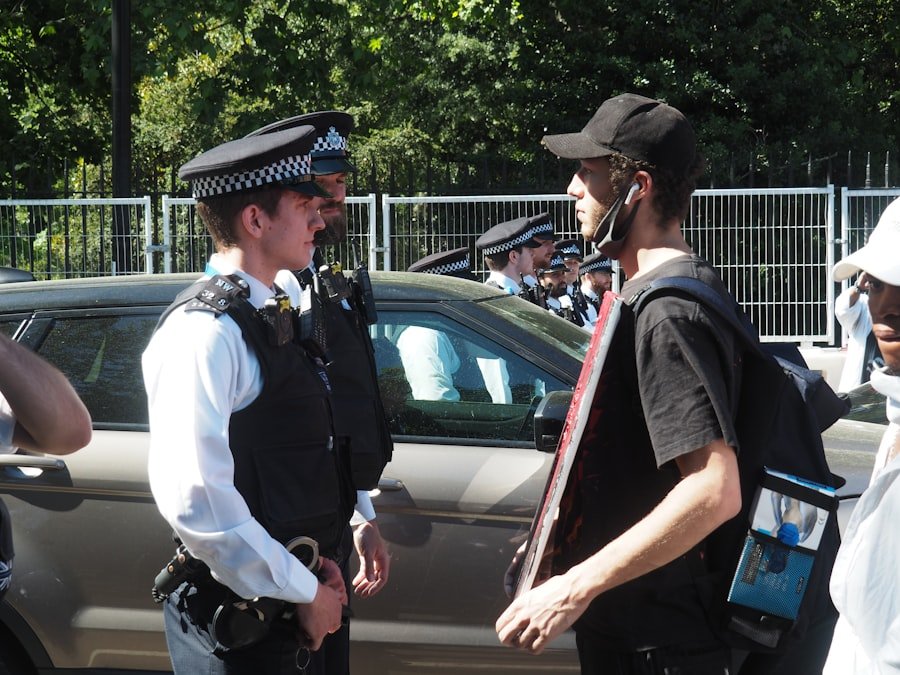

Community policing strategies have been shown to enhance safety and prevent crime through proactive engagement rather than reactive measures. By working closely with residents, police can identify potential issues before they escalate into criminal activity. For example, in a community where youth violence is a concern, police officers might collaborate with local schools, youth organizations, and families to create programs that provide positive outlets for young people.
These initiatives can include mentorship programs, sports leagues, or after-school activities that engage youth in constructive ways. Moreover, community policing encourages a focus on crime prevention strategies tailored to specific neighborhoods. In areas experiencing high rates of property crime, officers might work with residents to establish neighborhood watch programs or organize community clean-up events that foster pride in the area.
By addressing the environmental factors that contribute to crime—such as poorly lit streets or abandoned properties—police can help create safer spaces for residents. This proactive approach not only reduces crime rates but also instills a sense of ownership among community members regarding their safety.
Increased Community Involvement
The essence of community policing lies in its ability to mobilize community members to take an active role in their own safety and well-being. Increased community involvement is a hallmark of this approach, as it encourages residents to participate in decision-making processes related to public safety. When citizens are engaged in discussions about policing priorities or neighborhood issues, they are more likely to feel invested in the outcomes.
For instance, many police departments have established volunteer programs that allow residents to assist in various capacities, such as organizing events or participating in outreach efforts. In some cities, citizens have taken part in ride-alongs with officers, providing them with firsthand experience of police work while fostering mutual understanding. This involvement not only empowers residents but also helps police gain valuable insights into the unique challenges faced by different communities.
As a result, the relationship between law enforcement and citizens becomes more collaborative and less adversarial.
Strengthened Police-Community Relationships
The foundation of effective community policing is the strengthening of relationships between police officers and community members. These relationships are built on mutual respect, understanding, and shared goals. When officers take the time to engage with residents on a personal level—whether through casual conversations during patrols or participation in local events—they humanize the badge and break down stereotypes associated with law enforcement.
In many successful community policing models, officers are assigned to specific neighborhoods for extended periods. This allows them to become familiar faces within the community, fostering familiarity and trust over time. For example, in New York City’s “Neighborhood Policing” initiative, officers are encouraged to build relationships with local businesses and residents by attending block parties or town hall meetings.
Such initiatives not only enhance police visibility but also create opportunities for officers to learn about the unique needs and concerns of the communities they serve.
Focus on Problem-Solving


Community policing emphasizes a problem-solving approach to law enforcement that goes beyond merely responding to incidents as they arise. Officers are trained to identify underlying issues contributing to crime and disorder within their communities. This proactive stance allows law enforcement agencies to address problems at their roots rather than simply treating symptoms.
For instance, if a neighborhood experiences a spike in drug-related offenses, officers might collaborate with social service organizations to provide resources for addiction treatment or mental health support. By addressing these underlying issues, police can help reduce crime rates while also improving overall community well-being. This problem-solving focus encourages officers to think critically about their role in society and consider how they can contribute positively beyond traditional law enforcement duties.
Tailored Policing Strategies

One of the key advantages of community policing is its ability to implement tailored strategies that reflect the unique characteristics of each neighborhood. Recognizing that no two communities are alike, law enforcement agencies can develop specific initiatives based on local needs and concerns. This customization enhances the effectiveness of policing efforts and fosters greater community buy-in.
For example, in areas with high immigrant populations, police departments may establish outreach programs that provide language assistance and cultural sensitivity training for officers. By understanding the cultural nuances of different communities, police can build trust and improve communication with residents who may have previously felt marginalized or misunderstood. Tailored strategies not only address specific issues but also demonstrate a commitment to inclusivity and respect for diversity within the community.
Better Understanding of Local Needs
Community policing facilitates a deeper understanding of local needs by encouraging ongoing dialogue between law enforcement and residents. Through regular interactions—whether at community meetings or informal gatherings—officers gain valuable insights into the specific challenges faced by different neighborhoods. This understanding allows police departments to allocate resources more effectively and prioritize initiatives that resonate with community members.
For instance, if residents express concerns about traffic safety near schools, police can respond by increasing patrols during peak drop-off times or implementing educational campaigns about safe driving practices. By actively listening to community feedback and adapting their strategies accordingly, law enforcement agencies demonstrate their commitment to addressing local issues while fostering a sense of partnership with residents.
Reduced Fear of Crime
A significant outcome of effective community policing is the reduction of fear associated with crime within neighborhoods. When residents feel connected to their local police force and believe that their concerns are being addressed, they are less likely to live in fear of criminal activity. This sense of security is crucial for fostering vibrant communities where individuals feel comfortable engaging with one another.
Community policing initiatives often include educational programs aimed at empowering residents with knowledge about crime prevention strategies. Workshops on home security measures or self-defense classes can equip citizens with practical tools while simultaneously building confidence in their ability to contribute to their own safety. As fear diminishes, communities become more cohesive, encouraging social interactions that further strengthen bonds among residents.
Enhanced Quality of Life
The overarching goal of community policing is not only to reduce crime but also to enhance the overall quality of life for residents. By fostering collaboration between law enforcement and community members, this approach creates an environment where individuals feel safe, valued, and engaged in their neighborhoods. The positive impact on quality of life can be seen in various aspects—from improved public spaces to increased access to resources.
For example, successful community policing initiatives often lead to revitalization efforts in neglected areas. Police may partner with local organizations to organize clean-up days or beautification projects that encourage resident participation while improving the physical environment. These efforts not only enhance aesthetics but also instill pride among residents, contributing to a greater sense of belonging within the community.
Positive Impact on Public Perception of Law Enforcement
Finally, one of the most significant benefits of community policing is its potential to positively influence public perception of law enforcement agencies. In an era where mistrust between communities and police can be prevalent due to high-profile incidents of violence or misconduct, community policing offers a pathway toward rebuilding relationships based on transparency and accountability. When police engage meaningfully with residents—listening to their concerns, addressing grievances, and celebrating successes—the perception of law enforcement shifts from one of authority figures imposing order to partners working collaboratively for the common good.
This transformation is crucial for fostering a culture where citizens view police as allies rather than adversaries. As public perception improves, it creates a virtuous cycle: increased trust leads to greater cooperation from residents, which in turn enhances public safety outcomes. In conclusion, community policing represents a comprehensive approach that prioritizes collaboration between law enforcement agencies and the communities they serve.
By focusing on building trust, enhancing safety through proactive measures, increasing community involvement, tailoring strategies to local needs, and fostering positive relationships between police and citizens, this model has demonstrated its effectiveness in creating safer and more vibrant neighborhoods across diverse contexts.
Community policing has been shown to foster stronger relationships between law enforcement and the communities they serve, leading to enhanced public safety and trust. For a deeper understanding of how community engagement can positively impact various aspects of society, you might find the article on the importance of community connections in different contexts insightful. Check it out here: Meet This Plus-Size Lady and Her Fashion Styles.