
You might have heard many stories about Africa, but how many of them are actually true? If you’re like most people, some common beliefs about this vast continent might surprise you once you learn the facts.
Africa is often misunderstood, seen only through the lens of outdated stereotypes or partial information. But what if you could challenge those ideas and discover the real Africa—rich in culture, innovation, and diversity? By addressing the false beliefs about Africa, you’ll gain a clearer, more accurate picture that goes beyond myths.
Keep reading to uncover the truths that can change how you see this incredible continent—and why it matters to your understanding of the world.
Myth: Africa Is A Single Country
Many people wrongly think Africa is just one country. This belief ignores the continent’s true nature. Africa is vast and made up of many different nations. Each country has its own government, history, and people. Understanding this helps break down stereotypes and shows Africa’s real complexity.
Diversity Of Nations And Cultures
Africa has 54 recognized countries. Each has unique cultures and ways of life. From Egypt in the north to South Africa in the south, diversity thrives. Countries vary in size, climate, and landscapes. This variety shapes different lifestyles and traditions. No single story can represent the entire continent.
Varied Languages And Traditions
Africa is home to over 2,000 languages. These languages come from different language families. People speak Arabic, Swahili, Yoruba, Zulu, and many more. Traditions also differ widely. Music, art, and festivals show rich cultural heritage. This diversity is a strength, not a barrier.
Myth: Africa Is Always Poor
The idea that Africa is always poor is a common but misleading myth. Africa is a vast continent with diverse economies and cultures. Many countries in Africa show strong economic progress. Poverty exists, but it does not define the entire continent.
This myth ignores the rapid growth and innovation happening across Africa. It also overlooks the vibrant life in its major cities. Understanding these facts helps break down false beliefs about Africa.
Economic Growth And Innovation
Africa has some of the fastest-growing economies in the world. Countries like Nigeria, Kenya, and Ghana are expanding their industries. Technology hubs and startups are emerging in many African cities. These businesses create jobs and improve lives. Innovation in mobile banking and renewable energy is changing the continent. African entrepreneurs solve local problems with smart solutions. This shows Africa’s potential beyond poverty.
Major Cities And Urban Development
Africa’s major cities are growing quickly and modernizing. Lagos, Nairobi, and Johannesburg have new skyscrapers and shopping centers. Urban areas offer better education and healthcare facilities. Infrastructure projects improve roads, airports, and public transport. These cities attract international business and tourists. Urban development in Africa reveals a different story than poverty. It highlights progress, opportunity, and a bright future.
Myth: African Traditional Religions Are Primitive
Many people wrongly think African traditional religions are simple or primitive. This myth ignores the deep wisdom and rich traditions found across Africa. These religions have complex ideas about life, morality, and the universe. They offer more than rituals; they provide guidance for daily living and community harmony. Understanding these beliefs helps break harmful stereotypes and shows the true value of African spirituality.
Complex Philosophies And Ethics
African traditional religions teach rich philosophies about life and existence. They explore the meaning of being human and our place in the world. Ethical teachings guide behavior, emphasizing respect, honesty, and community care. These systems include ideas about justice, responsibility, and the balance between individuals and society. Such thoughtful ethics prove these religions are far from primitive. They offer wisdom that has supported societies for centuries.
Spirituality And Connection To Nature
Spirituality in African traditional religions is closely linked to nature. Many believe that spirits live in trees, rivers, and animals. This belief teaches respect for the environment and all living things. It encourages harmony between humans and the natural world. This connection is not simple superstition but a deep understanding of life’s interdependence. African spirituality shows a sophisticated awareness of nature’s role in human life.

Credit: www.nature.com
Myth: Africa Has No Modern Infrastructure
The myth that Africa has no modern infrastructure is outdated and incorrect. Many people imagine Africa as lacking roads, technology, and basic services. This stereotype ignores the rapid growth and development happening across the continent. Africa is home to many cities with modern buildings, highways, and advanced systems. The reality is Africa is building and improving its infrastructure daily.
Advancements In Technology
Africa is making big strides in technology. Mobile phone use is widespread, with millions connected online. Cities like Nairobi and Lagos have tech hubs and startups. These centers develop apps, fintech solutions, and digital services. Many Africans use mobile banking to pay bills and transfer money. Technology is helping businesses grow and improving daily life.
Transportation And Communication Networks
Roads, railways, and airports are expanding across Africa. New highways connect cities and rural areas. Rail projects link countries for trade and travel. Airports in major cities handle international flights. Communication networks cover large parts of the continent. Internet access is growing, reaching more people each year. These improvements support economic development and global connections.

Myth: Africa Is Dangerous And Unsafe
Many believe Africa is a dangerous and unsafe continent. This myth often stops people from exploring its diverse cultures and beautiful landscapes. The reality is different. Africa has many safe and welcoming places for travelers. Understanding the truth helps break down fears and opens minds.
Safe Travel Destinations
Africa offers many safe spots for visitors. Countries like Botswana, Namibia, and Rwanda attract tourists with their excellent safety records. Cities such as Cape Town in South Africa and Marrakech in Morocco are popular and secure. These places have strong tourism infrastructure and reliable services. Travelers can enjoy nature, wildlife, and history without worry.
Community And Hospitality
African people are known for their warmth and kindness. Visitors often talk about the welcoming smiles and helpful attitudes. Communities take pride in sharing their culture and traditions. Hospitality is a key part of African life. Guests are treated with respect and care. This friendly environment makes travel enjoyable and safe.


Credit: planetwild.com
Misconceptions From Historical Perspectives
Many false beliefs about Africa stem from old historical views. These views shaped how people outside Africa see the continent. They often show Africa in a wrong or incomplete way. Understanding these misconceptions helps correct false ideas and appreciate Africa’s true history and culture.
Colonial Influence On Perceptions
Colonial powers controlled Africa for many years. They spread ideas that Africa was uncivilized and needed their help. This led to the belief that African societies lacked progress or culture. European colonizers wrote history from their point of view. They ignored or minimized African achievements. These stories still affect how people think about Africa today.
Impact On Traditional Beliefs And Cultures
Colonial rulers often saw African traditions as wrong or backward. They tried to change local customs and religions. Missionaries promoted Christianity and discouraged traditional faiths. Many African practices were labeled primitive or superstitious. This caused loss of cultural pride and identity. The richness of African spiritual and social life was misunderstood or dismissed.
Media’s Role In Shaping False Narratives
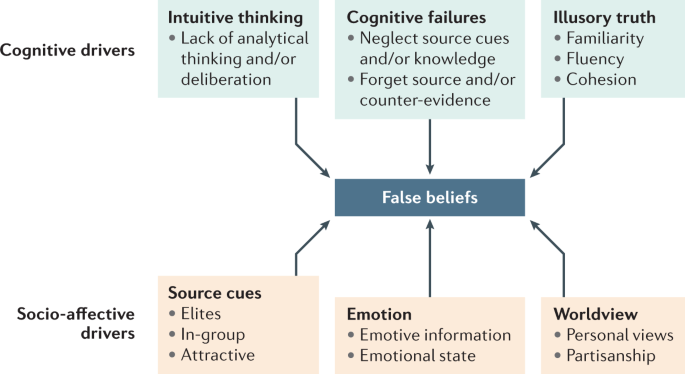
The media plays a major role in shaping how people see Africa. News outlets and entertainment sources often show a narrow, limited view of the continent. This creates false narratives that do not reflect the true diversity and richness of African cultures and societies.
Many stories focus on negative events, such as poverty or conflict. This can lead to a one-sided image that ignores progress and innovation. The media’s influence reaches millions, making it powerful in forming public opinion about Africa.
Stereotypes In News And Entertainment
News often highlights only problems like war, famine, and disease. These reports miss the everyday successes and achievements of African people. Entertainment media sometimes shows Africa as a wild, exotic place full of danger. Such stereotypes reduce Africa to a single story.
Movies and TV shows may use clichés that make African characters one-dimensional. These portrayals reinforce old myths and misunderstandings. This limits how audiences think about Africa and its people.
Importance Of Authentic African Voices
Authentic African voices bring real stories and perspectives to the world. Africans telling their own stories help break down false ideas. They share experiences of joy, innovation, and resilience that often go unseen.
Platforms that support African writers, filmmakers, and journalists are vital. They ensure diverse stories reach global audiences. Hearing from Africans themselves helps create a fuller, more accurate picture of the continent.

Credit: www.nature.com
Correcting Map Distortions
Maps shape how people see the world. Many maps show Africa smaller than it really is. This creates false ideas about Africa’s size and importance. Correcting these map distortions helps people understand Africa better. It changes wrong beliefs and shows the continent’s true place on the globe.
Mercator Projection And Its Effects
The Mercator projection is a common map style. It makes places near the poles look larger. Africa, near the equator, looks smaller than it actually is. This projection makes Europe and North America seem bigger. Many people think Africa is smaller and less important because of this. This false image affects how people think about Africa’s power and resources.
Campaigns For Accurate Representation
Groups worldwide want better maps that show true sizes. The African Union supports these campaigns strongly. They push for maps that display Africa’s real scale. These efforts help schools, media, and governments use correct maps. Accurate maps teach respect and fairness about Africa. Changing maps changes how people see the continent.
Respecting African Cultures
Respecting African cultures is essential to truly understand the continent’s rich diversity. Africa holds thousands of ethnic groups, languages, and traditions. Each community has unique customs shaped by history and environment. Showing respect helps build trust and meaningful connections. It also breaks down false beliefs and stereotypes that often surround Africa.
Simple gestures and awareness can create positive experiences. Visitors and those interacting with African cultures benefit from learning local etiquette. This awareness prevents misunderstandings and demonstrates appreciation for the culture.
Common Etiquette Practices
Greetings are very important in African cultures. A warm handshake or respectful nod shows politeness. In many places, asking about one’s family is a sign of care. Dress codes vary but modest clothing is often preferred. Avoid wearing revealing clothes in rural or traditional areas. Using the right hand for giving or receiving items shows respect. Eye contact is valued but should not be too intense. Speaking softly and listening carefully demonstrates respect for others.
Avoiding Cultural Missteps
Pointing at people is considered rude in many African cultures. It can be seen as aggressive or disrespectful. Staring directly at elders or strangers may offend. Always ask permission before taking photos of people or sacred sites. Avoid touching someone’s head as it is often sacred. Learn local customs about eating, such as waiting for elders to start. Avoid discussing sensitive topics like politics or religion unless invited. Respecting these customs prevents discomfort and shows cultural understanding.
Promoting Positive Change
Promoting positive change is vital to challenge false beliefs about Africa. It helps reshape how people see the continent. Positive stories create respect and understanding. They open doors to new opportunities and partnerships.
Supporting African Storytelling
African voices must lead the narrative about their own experiences. Stories from local writers, filmmakers, and artists show the true diversity of Africa. These stories highlight success, culture, and innovation. They break old stereotypes and offer fresh perspectives. Supporting African storytelling means sharing these voices widely. It helps the world learn the real Africa.
Encouraging Global Awareness And Education
Education about Africa should include its history, cultures, and achievements. Schools and media can teach facts that correct myths and false ideas. Global awareness encourages respect and curiosity. It helps people see Africa as a place of growth and potential. Learning about Africa’s challenges and strengths builds a balanced view. This knowledge can inspire cooperation and positive actions worldwide.
Conclusion
False beliefs about Africa limit our understanding of its true diversity. The continent is rich in culture, history, and innovation. Many stereotypes ignore Africa’s progress and contributions. Challenging these myths helps promote respect and knowledge. Africa deserves to be seen clearly and fairly.
Let’s embrace facts, not false ideas. This changes the story for the better.