



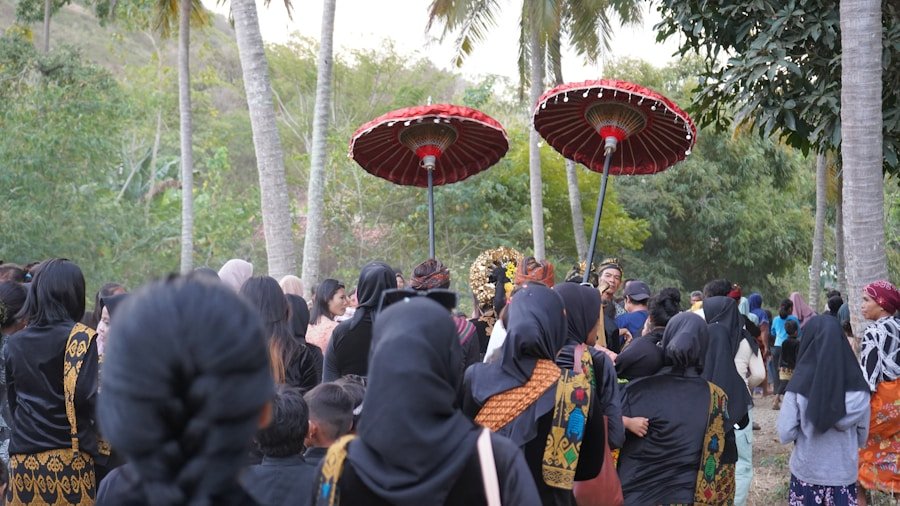
African leadership is a complex and multifaceted concept that is deeply rooted in the continent’s rich cultural heritage. Throughout history, African societies have been governed by a variety of leadership structures, ranging from traditional tribal systems to modern democratic governments. The diversity of African leadership styles reflects the continent’s vast array of cultural values and traditions, which have shaped the way leaders interact with their communities and make decisions. In recent years, African leadership has faced numerous challenges, including political instability, economic inequality, and social unrest. However, many African leaders are working tirelessly to address these issues and create a brighter future for their people.
Understanding Cultural Values in African Societies
Cultural values play a crucial role in shaping the leadership styles of African societies. In many African cultures, the concept of communalism is deeply ingrained, emphasizing the importance of collective decision-making and shared responsibility. This value is reflected in the leadership styles of many African leaders, who often prioritize the needs of their communities over individual interests. Additionally, the concept of respect for elders and traditional authority figures is highly valued in many African societies, influencing the way leaders are chosen and respected. Furthermore, the importance of spirituality and traditional beliefs in African cultures often influences the way leaders make decisions and seek guidance from their ancestors or spiritual leaders.
In addition to communalism and respect for traditional authority, many African cultures also place a strong emphasis on the value of hospitality and generosity. These values are often reflected in the leadership styles of African leaders, who are expected to be accessible and responsive to the needs of their people. Furthermore, the concept of ubuntu, which emphasizes the interconnectedness of all people and the importance of empathy and compassion, is a fundamental cultural value in many African societies. This value often shapes the way African leaders approach conflict resolution and seek to build consensus within their communities.
The Influence of Cultural Values on Leadership Styles
The influence of cultural values on leadership styles in African societies is profound and far-reaching. In many African cultures, leaders are expected to embody the values of humility, integrity, and selflessness, which are deeply rooted in traditional beliefs and customs. These values often shape the way leaders interact with their communities and make decisions, emphasizing the importance of serving the greater good rather than pursuing personal gain. Additionally, the concept of consensus-building is highly valued in many African cultures, influencing the way leaders seek to create unity and harmony within their communities.
Furthermore, the influence of cultural values on leadership styles can be seen in the way African leaders prioritize inclusivity and diversity within their governments and institutions. Many African leaders recognize the importance of representing the diverse voices and perspectives within their societies, seeking to create inclusive policies that address the needs of all citizens. Additionally, the concept of ubuntu, which emphasizes the interconnectedness of all people, often shapes the way African leaders approach conflict resolution and seek to build consensus within their communities.
Traditional Leadership Structures in African Communities
Traditional leadership structures have played a central role in governing African communities for centuries. In many African societies, traditional leaders are chosen based on hereditary succession or through a system of consensus-building among elders and community members. These leaders often hold significant influence and authority within their communities, serving as mediators, decision-makers, and custodians of cultural traditions. Traditional leaders are expected to embody the values of humility, integrity, and selflessness, prioritizing the needs of their communities over personal gain.
Furthermore, traditional leadership structures often reflect the values of communalism and inclusivity that are deeply ingrained in many African cultures. Traditional leaders are expected to represent the diverse voices and perspectives within their communities, seeking to create inclusive policies that address the needs of all citizens. Additionally, traditional leaders often play a crucial role in conflict resolution and consensus-building within their communities, drawing on the values of ubuntu to create unity and harmony.
The Impact of Globalization on African Leadership
The impact of globalization on African leadership has been profound, reshaping the way leaders govern their societies and interact with the global community. In recent years, African leaders have faced increasing pressure to adapt to the demands of a rapidly changing world, including economic globalization, technological advancements, and shifting geopolitical dynamics. As a result, many African leaders have sought to modernize their governance structures and policies to address these challenges while also preserving their cultural values and traditions.
Furthermore, globalization has created new opportunities for African leaders to engage with the global community and seek partnerships that can benefit their societies. Many African leaders have recognized the potential for economic growth and development through international trade, investment, and collaboration with other nations. Additionally, globalization has provided African leaders with new platforms for advocacy and diplomacy on issues such as climate change, human rights, and global health.
Challenges and Opportunities for African Leaders in a Changing World
African leaders face numerous challenges in navigating a rapidly changing world while also upholding their cultural values and traditions. Political instability, economic inequality, social unrest, and environmental degradation are just a few of the pressing issues that African leaders must address to create a brighter future for their people. Additionally, many African leaders face criticism for their governance practices and policies from both domestic and international stakeholders.
However, amidst these challenges, there are also numerous opportunities for African leaders to create positive change within their societies. The continent’s rich natural resources, diverse cultural heritage, and growing youth population present opportunities for economic growth and development. Furthermore, advancements in technology and communication have created new platforms for African leaders to engage with their citizens and seek innovative solutions to pressing issues.
Embracing Cultural Values in African Leadership
In conclusion, African leadership is deeply rooted in the continent’s rich cultural heritage and traditions. The influence of cultural values on leadership styles is profound, shaping the way leaders interact with their communities and make decisions. Traditional leadership structures have played a central role in governing African communities for centuries, reflecting the values of communalism, inclusivity, and consensus-building that are deeply ingrained in many African cultures.
The impact of globalization has reshaped the way African leaders govern their societies and interact with the global community, presenting both challenges and opportunities for positive change. Despite these challenges, there are numerous opportunities for African leaders to create a brighter future for their people by embracing their cultural values while also seeking innovative solutions to pressing issues. By upholding their cultural values and traditions while also adapting to a changing world, African leaders can create inclusive policies that address the needs of all citizens while also engaging with the global community to seek partnerships that benefit their societies.
