


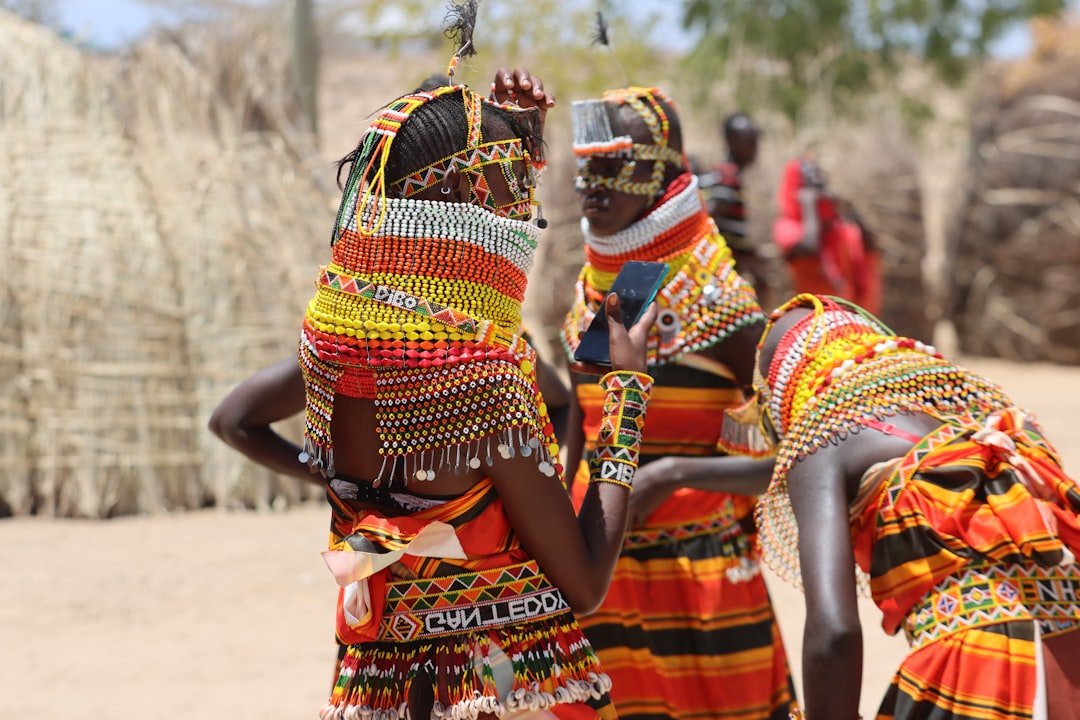
The history of women’s empowerment in Africa is a complex tapestry woven from the threads of colonialism, cultural practices, and the relentless struggle for equality. Historically, African women have played pivotal roles in their societies, often as custodians of culture, agriculture, and family. In many pre-colonial societies, women held significant power and influence, participating in decision-making processes and community leadership.
For instance, the matrilineal societies in parts of West Africa, such as the Akan people of Ghana, allowed women to inherit property and hold positions of authority. However, the advent of colonial rule disrupted these traditional structures, imposing patriarchal systems that marginalized women’s roles. The post-colonial era marked a significant turning point in the fight for women’s rights across the continent.
The 1960s and 1970s saw a surge in feminist movements, inspired by global civil rights movements. Women like Funmilayo Ransome-Kuti in Nigeria and Winnie Mandela in South Africa emerged as prominent figures advocating for gender equality and social justice. The establishment of organizations such as the African Women’s Development and Communication Network (FEMNET) in 1988 further galvanized efforts toward women’s empowerment.
These movements laid the groundwork for subsequent generations to challenge systemic inequalities and advocate for their rights on both national and international platforms.
Challenges Faced by Women in Africa
Despite significant strides toward gender equality, women in Africa continue to face a myriad of challenges that hinder their empowerment. One of the most pressing issues is gender-based violence, which remains pervasive across the continent. According to the World Health Organization, approximately one in three women in Africa has experienced physical or sexual violence in their lifetime.
This violence is often rooted in deeply entrenched patriarchal norms that perpetuate the idea of male dominance and female subservience. The lack of legal protections and inadequate enforcement of existing laws further exacerbate this issue, leaving many women vulnerable and without recourse. Economic disparities also pose significant barriers to women’s empowerment.
In many African countries, women are disproportionately represented in informal employment sectors, where they often earn lower wages and lack job security. The International Labour Organization reports that women are more likely than men to work in low-paying jobs with limited opportunities for advancement. Additionally, access to financial resources remains a challenge; women often face discrimination when seeking loans or credit, which stifles their entrepreneurial aspirations.
These economic inequalities not only affect women’s individual livelihoods but also hinder broader economic growth and development within their communities.
The Role of Education in Women’s Empowerment
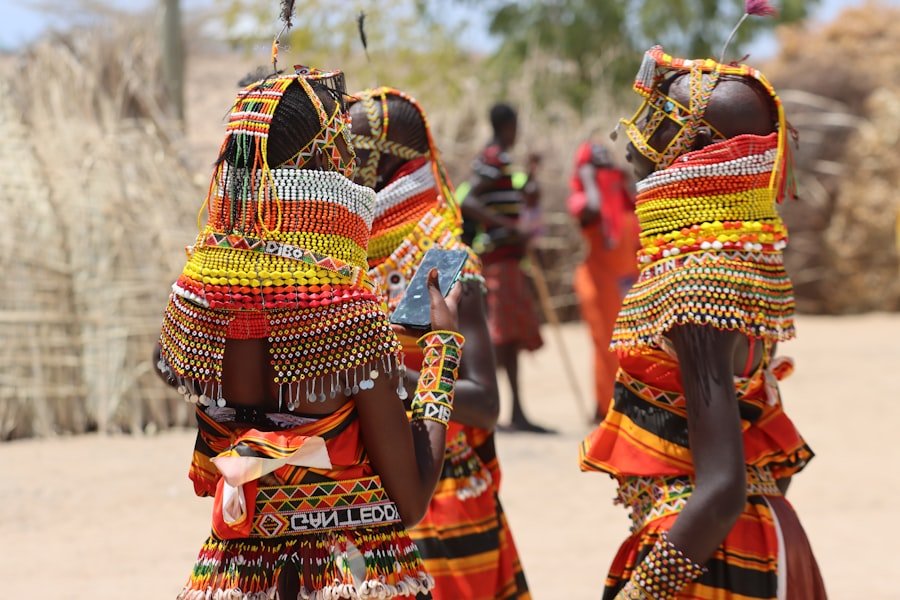
Education is a fundamental pillar of women’s empowerment in Africa, serving as a catalyst for change and progress. Access to quality education enables women to acquire the knowledge and skills necessary to participate fully in society. In many African nations, initiatives aimed at increasing girls’ enrollment in schools have shown promising results.
For example, countries like Rwanda have made significant strides in closing the gender gap in education, with female enrollment rates surpassing those of males in primary and secondary schools. This shift has empowered women to pursue higher education and professional careers, challenging traditional gender roles. However, barriers to education persist, particularly in rural areas where cultural norms may prioritize boys’ education over girls’.
Early marriage and teenage pregnancies further contribute to high dropout rates among girls. Organizations such as Plan International and UNICEF have implemented programs to address these challenges by providing scholarships, mentorship, and community awareness campaigns that emphasize the importance of girls’ education. By fostering an environment that values education for all genders, these initiatives not only empower individual women but also contribute to the overall development of their communities.
Economic Empowerment for Women in Africa
Economic empowerment is crucial for achieving gender equality and enhancing women’s status within society. In Africa, various initiatives have been launched to promote women’s economic participation and entrepreneurship. Microfinance programs have gained traction as a means of providing women with access to capital, enabling them to start small businesses and improve their financial independence.
For instance, the Grameen Bank model has inspired similar initiatives across Africa, allowing women to form cooperatives that pool resources and support one another in their entrepreneurial endeavors. Moreover, governments and non-governmental organizations are increasingly recognizing the importance of integrating women into formal economies. Policies aimed at promoting gender equality in labor markets are being implemented, with a focus on creating job opportunities that cater specifically to women’s needs.
For example, initiatives that support women in agriculture—such as training programs on sustainable farming practices—have proven effective in enhancing food security while empowering women economically. By investing in women’s economic empowerment, African nations can harness the full potential of their populations, driving sustainable development and reducing poverty.
Political Empowerment and Representation of Women in Africa
Political empowerment is a critical aspect of women’s empowerment in Africa, as it enables women to influence decision-making processes that affect their lives and communities. Over the past few decades, there has been a notable increase in women’s representation in political offices across the continent. Countries like Rwanda have set a global benchmark with women holding over 60% of seats in parliament, largely due to constitutional mandates promoting gender parity.
This remarkable achievement has not only transformed the political landscape but has also led to policies that prioritize women’s rights and social issues. However, despite these advancements, challenges remain regarding women’s political participation. Cultural attitudes often discourage women from seeking leadership roles, viewing them as unsuitable for positions of power.
Additionally, political violence and intimidation can disproportionately affect female candidates during elections. Organizations such as the African Union have recognized these challenges and are working to implement frameworks that promote women’s political participation through training programs and advocacy campaigns. By fostering an environment conducive to female leadership, African nations can ensure that women’s voices are heard and represented at all levels of governance.
Healthcare and Women’s Empowerment in Africa
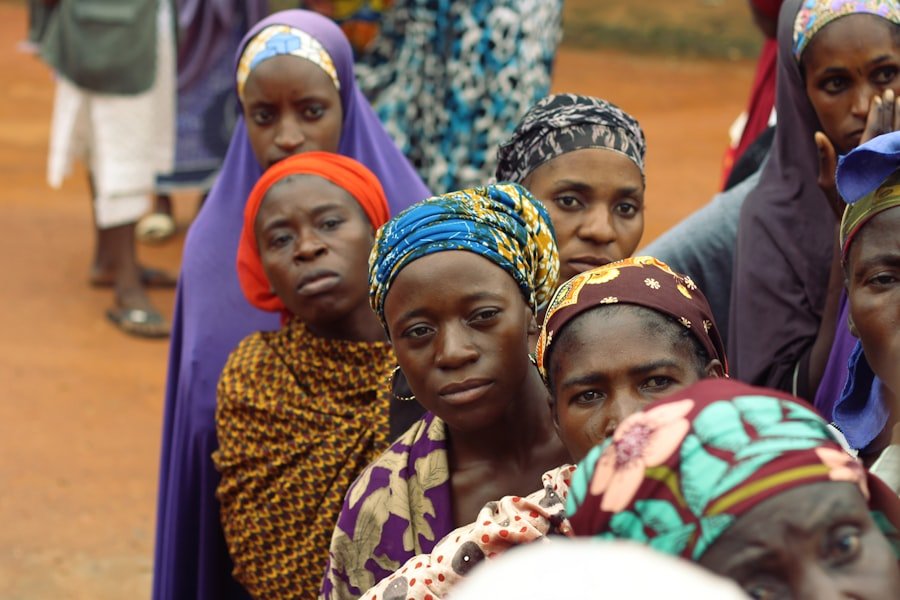
Access to healthcare is a fundamental component of women’s empowerment in Africa, as it directly impacts their ability to participate fully in society. Women face unique health challenges, including maternal mortality rates that remain alarmingly high in many regions. According to the World Health Organization, sub-Saharan Africa accounts for approximately 66% of global maternal deaths.
Addressing these health disparities is essential not only for improving women’s health outcomes but also for enhancing their overall empowerment. Efforts to improve healthcare access for women have gained momentum through various initiatives aimed at providing reproductive health services and education. Programs that focus on family planning and maternal health have been implemented across several countries, resulting in increased awareness and utilization of healthcare services among women.
For instance, Kenya’s “Beyond Zero” campaign has made significant strides in reducing maternal mortality by promoting antenatal care and skilled birth attendance. By prioritizing women’s health needs and ensuring access to quality healthcare services, African nations can empower women to take control of their health and well-being.
The Role of Technology in Women’s Empowerment
In recent years, technology has emerged as a powerful tool for advancing women’s empowerment across Africa. The proliferation of mobile phones and internet access has opened new avenues for communication, education, and economic opportunities for women. Digital platforms enable women entrepreneurs to reach broader markets, facilitating e-commerce ventures that were previously inaccessible due to geographical limitations.
For example, initiatives like “She Leads Africa” provide training programs that equip women with digital skills necessary for navigating online business landscapes. Moreover, technology plays a crucial role in raising awareness about women’s rights issues and mobilizing support for gender equality initiatives. Social media campaigns have gained traction across the continent, allowing women to share their stories and advocate for change on a larger scale.
The #MeToo movement has resonated with many African women who have used social media platforms to highlight experiences of harassment and violence. By harnessing technology’s potential, African women can amplify their voices and drive social change more effectively than ever before.
Grassroots Movements and Women’s Empowerment
Grassroots movements have been instrumental in advancing women’s empowerment across Africa by mobilizing communities around shared goals and advocating for change from the ground up. These movements often emerge from local contexts, addressing specific issues faced by women within their communities. For instance, organizations like Women’s World Banking work with local groups to provide financial literacy training and access to microloans for women entrepreneurs.
The power of grassroots movements lies in their ability to foster solidarity among women while challenging systemic inequalities at local levels. In countries like South Sudan, grassroots organizations have played a vital role in advocating for peacebuilding efforts that include women’s perspectives. By engaging communities directly and empowering women as leaders within these movements, grassroots initiatives can create lasting change that resonates beyond individual lives.
Cultural and Traditional Barriers to Women’s Empowerment
Cultural norms and traditional practices often pose significant barriers to women’s empowerment in Africa. In many societies, deeply ingrained beliefs about gender roles dictate what is considered acceptable behavior for men and women. Practices such as female genital mutilation (FGM) or child marriage continue to persist despite widespread condemnation from human rights organizations.
These cultural practices not only violate women’s rights but also limit their opportunities for education and economic participation. Efforts to challenge these cultural barriers require sensitive approaches that respect local traditions while advocating for change. Community engagement is essential; involving men as allies can help shift perceptions about gender roles within families and communities.
Organizations like Tostan have successfully implemented community-led programs that promote human rights education while addressing harmful practices such as FGM through dialogue rather than confrontation. By fostering understanding and collaboration among community members, it is possible to create an environment conducive to women’s empowerment while respecting cultural identities.
Success Stories of Women’s Empowerment in Africa
Across Africa, numerous success stories exemplify the transformative power of women’s empowerment initiatives. One notable example is the rise of female entrepreneurs who have leveraged microfinance opportunities to build successful businesses. In Uganda, women involved in the “Village Savings and Loan Associations” (VSLAs) have reported increased income levels and improved living standards for their families as a result of accessing financial resources previously unavailable to them.
Another inspiring story comes from Ethiopia’s “Women’s Development Army,” a grassroots initiative aimed at mobilizing women for community development projects. This program has empowered thousands of women by providing training on agricultural practices while encouraging them to take leadership roles within their communities. As a result, many participants have become advocates for gender equality and social change within their localities.
The Future of Women’s Empowerment in Africa
The future of women’s empowerment in Africa holds immense potential as more individuals recognize the importance of gender equality for sustainable development. Continued investment in education will be crucial; ensuring that girls have access to quality schooling will lay the foundation for future generations of empowered women who can contribute meaningfully to society. Moreover, fostering partnerships between governments, civil society organizations, and private sectors will be essential for creating an enabling environment for women’s empowerment initiatives.
Collaborative efforts can lead to innovative solutions that address systemic barriers while promoting economic growth through gender-inclusive policies. As African nations navigate challenges such as climate change and economic instability, empowering women will be vital for building resilient communities capable of adapting to these changes. By prioritizing women’s rights across all sectors—education, healthcare, politics—Africa can harness its full potential while paving the way toward a more equitable future for all its citizens.
Women’s empowerment in Africa is a crucial topic that encompasses various aspects of social, economic, and political development. One insightful article that touches on the broader implications of empowerment in sports is found at this link. It discusses how reclaiming football can serve as a platform for promoting gender equality and empowering women in the continent, highlighting the intersection of sports and social change.
