



Police corruption in Africa is a pervasive issue that undermines the rule of law, erodes public trust, and hampers socio-economic development across the continent. The phenomenon manifests in various forms, including bribery, extortion, abuse of power, and collusion with criminal enterprises. In many African nations, police forces are often viewed as instruments of oppression rather than protectors of the public, leading to a cycle of mistrust and fear among citizens.
This corruption not only affects the efficacy of law enforcement but also perpetuates a culture of impunity where those in power evade accountability for their actions. The implications of police corruption extend beyond individual cases; they permeate the fabric of society, affecting governance, economic stability, and human rights. Citizens who are supposed to rely on law enforcement for protection often find themselves at the mercy of corrupt officers who exploit their positions for personal gain.
This situation creates a paradox where the very institutions meant to uphold justice become sources of injustice, further complicating efforts to foster democratic governance and social equity in African nations.
Historical Context and Root Causes of Police Corruption
To understand the current landscape of police corruption in Africa, it is essential to examine its historical roots. Colonial legacies have played a significant role in shaping the relationship between law enforcement and the communities they serve. Many African countries inherited police systems designed primarily for control and repression rather than public service.
This historical context has fostered a culture where police forces are often seen as extensions of political power rather than as impartial entities dedicated to upholding the law. Additionally, systemic issues such as poverty, unemployment, and lack of resources contribute to the prevalence of corruption within police forces. In many African nations, police officers are poorly paid and lack adequate training and resources to perform their duties effectively.
This financial strain can lead officers to engage in corrupt practices as a means of supplementing their income. Furthermore, the lack of institutional oversight and accountability mechanisms creates an environment where corrupt behavior can flourish without fear of repercussions.
Impact of Police Corruption on African Society
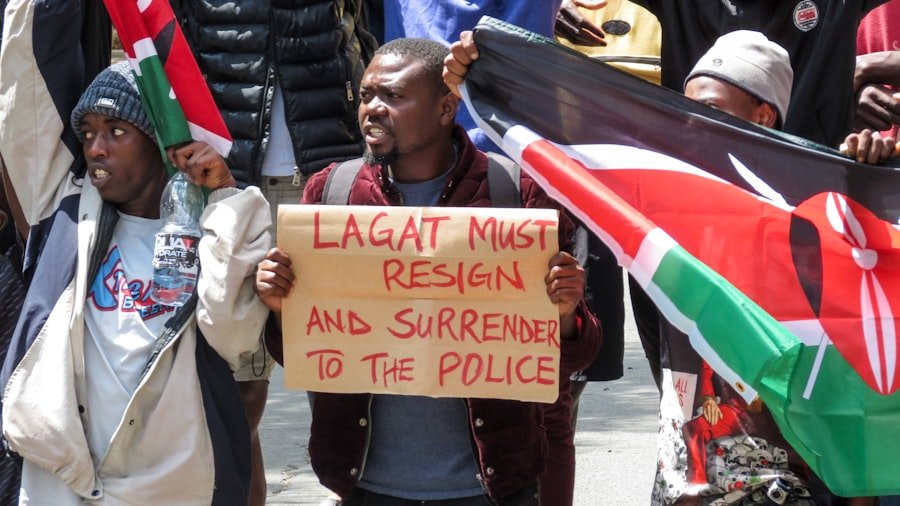
The ramifications of police corruption are profound and multifaceted, affecting various aspects of life in African societies. One of the most immediate impacts is the erosion of public trust in law enforcement agencies. When citizens perceive police officers as corrupt, they are less likely to report crimes or cooperate with investigations, which can lead to increased crime rates and a general sense of insecurity within communities.
This breakdown in trust can also deter foreign investment, as potential investors may view high levels of corruption as indicative of an unstable business environment. Moreover, police corruption exacerbates social inequalities and marginalizes vulnerable populations. Individuals from lower socio-economic backgrounds often bear the brunt of corrupt practices, as they may lack the resources to bribe officers or navigate a corrupt legal system.
This dynamic perpetuates cycles of poverty and disenfranchisement, further entrenching systemic inequalities within society. The impact is particularly pronounced in cases involving gender-based violence or human rights abuses, where victims may be discouraged from seeking justice due to fears of further victimization by corrupt police officers.
Case Studies of Police Corruption in African Countries
Examining specific case studies provides insight into the diverse manifestations of police corruption across Africa. In Nigeria, for instance, the Special Anti-Robbery Squad (SARS) became notorious for its involvement in extrajudicial killings, extortion, and other forms of abuse. The widespread protests against SARS in 2020 highlighted the deep-seated anger and frustration among citizens regarding police brutality and corruption.
The movement not only called for the disbandment of SARS but also demanded comprehensive reforms within the Nigerian police force to address systemic corruption. In Kenya, the case of the “Goldenberg scandal” serves as a stark example of how police corruption can intertwine with political machinations and economic crime. The scandal involved a fraudulent scheme that cost the Kenyan government billions of dollars in lost revenue while implicating high-ranking officials and law enforcement agents.
The fallout from this scandal revealed how deeply entrenched corruption can undermine public institutions and erode citizens’ faith in their government.
Measures Taken to Address Police Corruption in Africa
In response to the pervasive issue of police corruption, various African governments and civil society organizations have initiated measures aimed at reforming law enforcement agencies. Some countries have established independent oversight bodies tasked with investigating allegations of police misconduct and corruption. For example, South Africa’s Independent Police Investigative Directorate (IPID) was created to ensure accountability within the police force by investigating complaints against officers and recommending disciplinary actions.
Additionally, several nations have implemented community policing initiatives designed to foster better relationships between law enforcement and local communities. These programs aim to build trust and encourage collaboration between citizens and police officers in addressing crime and safety concerns. By involving community members in policing efforts, these initiatives seek to create a more transparent and accountable law enforcement environment.
Role of International Organizations in Combating Police Corruption
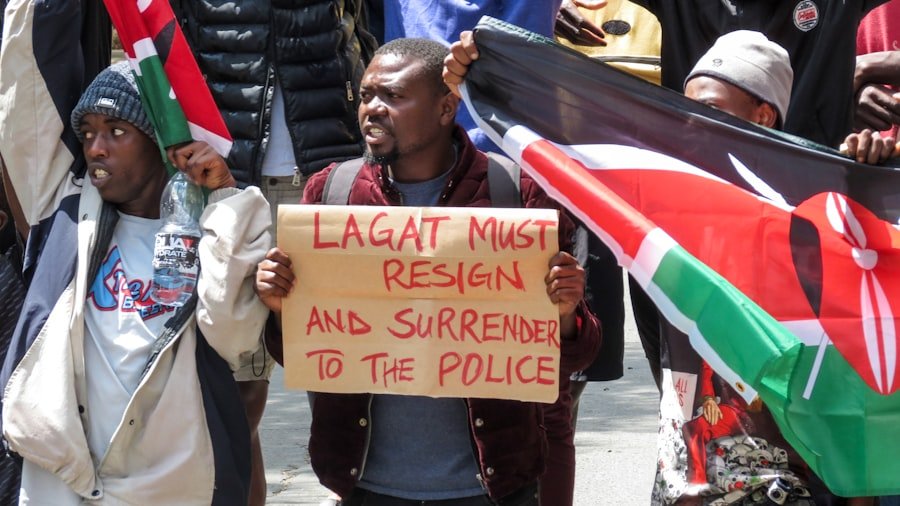
International organizations play a crucial role in supporting African nations in their efforts to combat police corruption. Institutions such as the United Nations Office on Drugs and Crime (UNODC) provide technical assistance and resources to help countries develop anti-corruption strategies tailored to their specific contexts. These initiatives often include training programs for law enforcement personnel on ethical conduct, human rights standards, and effective investigative techniques.
Furthermore, organizations like Transparency International advocate for greater transparency and accountability within policing systems worldwide. Their reports on police corruption in various African countries raise awareness about the issue while providing recommendations for reform. By fostering international cooperation and sharing best practices, these organizations contribute to a global movement aimed at eradicating corruption from law enforcement agencies.
Challenges and Obstacles in Fighting Police Corruption in Africa
Despite ongoing efforts to address police corruption, numerous challenges persist that hinder progress. One significant obstacle is the entrenched culture of impunity that often protects corrupt officers from facing consequences for their actions. In many cases, internal disciplinary mechanisms are weak or non-existent, allowing corrupt practices to continue unchecked.
This culture is further exacerbated by political interference, where powerful individuals may shield corrupt officers from accountability due to personal or political connections. Additionally, limited resources and inadequate training for law enforcement personnel can impede efforts to combat corruption effectively. Many police forces operate under budget constraints that restrict their ability to implement comprehensive reforms or invest in necessary training programs.
This lack of resources can lead to a reliance on corrupt practices as officers seek alternative means to fulfill their duties or supplement their incomes.
The Role of Technology in Preventing Police Corruption
Technology has emerged as a powerful tool in the fight against police corruption in Africa. The advent of digital platforms has enabled greater transparency and accountability within law enforcement agencies. For instance, mobile applications that allow citizens to report incidents of police misconduct or corruption have gained traction in several countries.
These platforms empower individuals to document abuses while providing authorities with valuable data to address systemic issues. Moreover, advancements in data analytics can help identify patterns of corrupt behavior within police forces. By analyzing data related to arrests, complaints, and officer conduct, authorities can pinpoint areas where corruption is most prevalent and implement targeted interventions.
Additionally, body-worn cameras have been introduced in some jurisdictions as a means of increasing accountability during interactions between police officers and citizens.
The Importance of Transparency and Accountability in Policing
Transparency and accountability are fundamental principles that underpin effective policing and are essential for combating corruption within law enforcement agencies. Establishing clear protocols for reporting misconduct and ensuring that investigations are conducted impartially can help restore public trust in police forces. Furthermore, fostering an environment where officers are held accountable for their actions is crucial for deterring corrupt practices.
Public access to information regarding police operations, budgets, and disciplinary actions can also enhance transparency within law enforcement agencies. By allowing citizens to scrutinize police activities, governments can create a culture of accountability that discourages corrupt behavior while promoting ethical conduct among officers.
The Role of Civil Society in Combating Police Corruption
Civil society organizations play a vital role in advocating for reforms aimed at addressing police corruption in Africa. These organizations often serve as watchdogs, monitoring law enforcement practices and holding authorities accountable for misconduct. By raising awareness about issues related to police corruption through campaigns, research, and advocacy efforts, civil society groups contribute significantly to fostering public discourse on the need for reform.
Additionally, civil society organizations frequently collaborate with international partners to implement programs that promote good governance and strengthen institutional frameworks within law enforcement agencies. Through capacity-building initiatives and community engagement efforts, these organizations empower citizens to demand accountability from their police forces while advocating for systemic changes that address the root causes of corruption.
Conclusion and Call to Action for Addressing Police Corruption in Africa
Addressing police corruption in Africa requires a multifaceted approach that involves collaboration among governments, civil society organizations, international partners, and local communities. It is imperative that African nations prioritize reforms aimed at enhancing transparency and accountability within law enforcement agencies while fostering a culture that rejects corrupt practices. By investing in training programs for officers, establishing independent oversight bodies, and leveraging technology to promote accountability, governments can take significant strides toward combating this pervasive issue.
Moreover, citizens must be empowered to play an active role in demanding change within their policing systems. By supporting civil society initiatives that advocate for reform and holding authorities accountable for their actions, individuals can contribute to building a more just and equitable society free from the shackles of police corruption. The fight against police corruption is not solely the responsibility of governments; it requires collective action from all sectors of society committed to upholding justice and promoting good governance across Africa.
Police corruption remains a significant issue in various African nations, undermining public trust and hindering effective governance. A related article that discusses the broader implications of governance challenges in the region can be found here: Lungu Deploys Military Ahead of Zambia Elections. This piece highlights the intersection of military involvement and political processes, which can often be influenced by corrupt practices within law enforcement agencies.
