


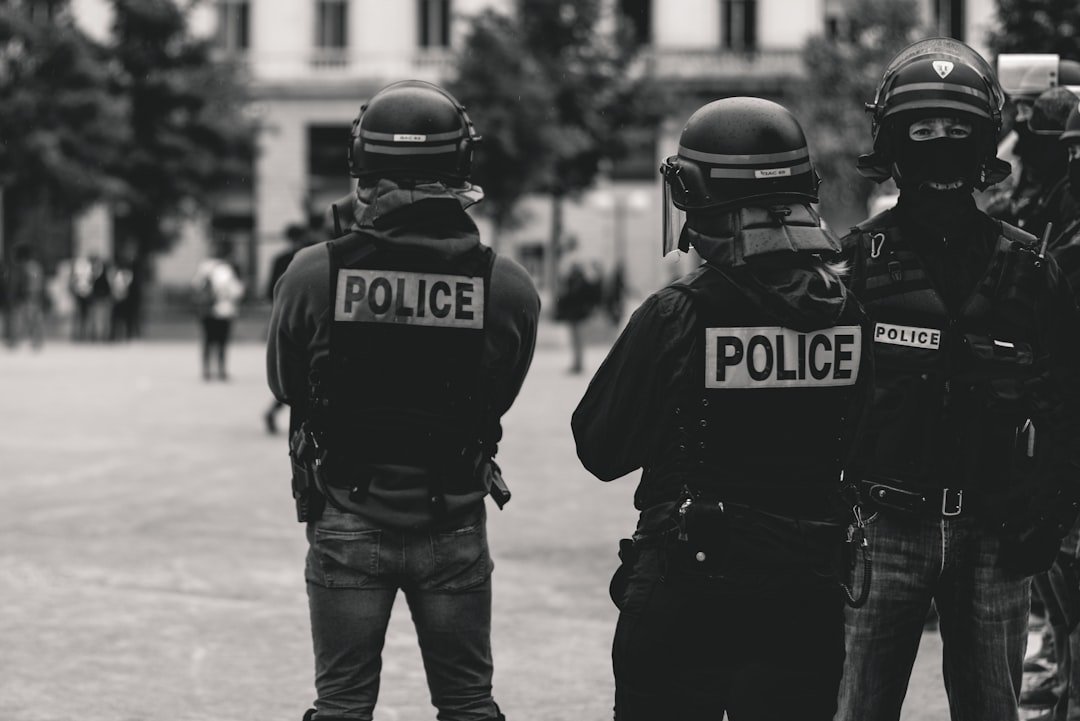
The historical context of policing in Africa is deeply intertwined with the continent’s colonial past. During the colonial era, policing was primarily a tool of oppression, used by colonial powers to maintain control over indigenous populations. The police forces were often composed of individuals who were loyal to the colonial regime, and their primary function was to enforce laws that served the interests of the colonizers rather than the local populace.
This legacy has left a lasting impact on the perception of law enforcement in many African countries, where police are often viewed with suspicion and distrust. Following independence, many African nations inherited police systems that were ill-equipped to serve the needs of their citizens. The transition from colonial rule to self-governance did not necessarily lead to a reformation of policing practices.
Instead, in some cases, newly independent governments adopted similar oppressive tactics to suppress dissent and maintain power. This historical backdrop has contributed to a complex relationship between law enforcement agencies and the communities they serve, often characterized by a lack of legitimacy and widespread calls for reform.
Lack of resources and funding
One of the most pressing challenges facing law enforcement agencies across Africa is the chronic lack of resources and funding. Many police forces operate with limited budgets, which severely hampers their ability to effectively carry out their duties. Insufficient funding translates into inadequate equipment, outdated technology, and a lack of essential resources such as vehicles and communication tools.
This scarcity not only affects operational efficiency but also impacts the morale of police officers who are often forced to work under challenging conditions. Moreover, the lack of financial resources often leads to a reliance on informal practices, such as soliciting bribes or engaging in corrupt activities to supplement their income. This creates a vicious cycle where underfunded police forces struggle to gain public trust, leading to further disengagement from communities.
The consequences are dire: crime rates may rise, and citizens may feel compelled to take matters into their own hands, undermining the rule of law and exacerbating insecurity.
Corruption within law enforcement agencies

Corruption is a pervasive issue within many African law enforcement agencies, undermining their effectiveness and eroding public trust. The prevalence of bribery, extortion, and other forms of corruption creates an environment where officers prioritize personal gain over their duty to serve and protect the community. This not only hampers the ability of police forces to combat crime but also perpetuates a culture of impunity where misconduct goes unpunished.
The roots of corruption in policing can often be traced back to systemic issues such as low salaries, inadequate training, and a lack of accountability mechanisms. Officers may feel compelled to engage in corrupt practices as a means of survival or as a response to the pressures of an under-resourced system. Furthermore, when citizens perceive law enforcement as corrupt, they are less likely to report crimes or cooperate with investigations, further complicating efforts to maintain public safety.
Inadequate training and education
Inadequate training and education for police officers is another significant barrier to effective law enforcement in Africa. Many officers enter the force with minimal training, often lacking essential skills in areas such as investigation techniques, community policing, and conflict resolution. This deficiency not only affects their ability to perform their duties but also contributes to a culture of violence and abuse within some police forces.
Training programs that do exist are frequently underfunded and poorly structured, failing to address the evolving challenges faced by law enforcement in contemporary society. For instance, issues such as cybercrime, human trafficking, and organized crime require specialized knowledge that many officers do not possess. Without proper training, police officers may resort to heavy-handed tactics or violate human rights in an attempt to maintain order, further alienating communities and perpetuating cycles of violence.
Political interference in law enforcement
Political interference in law enforcement is a significant obstacle to achieving effective policing in many African countries. In numerous instances, police forces are used as instruments of political power rather than as impartial entities dedicated to upholding the law. This interference can manifest in various ways, including the manipulation of investigations for political gain or the use of police resources to suppress dissenting voices.
When law enforcement agencies operate under the influence of political leaders, it undermines their legitimacy and fosters a culture of fear among citizens. People may be reluctant to report crimes or seek assistance from the police if they believe that law enforcement is aligned with specific political interests rather than serving the public good. This dynamic not only hampers effective policing but also poses significant challenges for democratic governance and the protection of human rights.
Resistance to change within police culture

The culture within many African police forces can be resistant to change, posing significant challenges for reform efforts. Traditional policing practices often prioritize authority and control over community engagement and collaboration. This entrenched mindset can hinder efforts to implement modern policing strategies that emphasize transparency, accountability, and community involvement.
Resistance to change is often fueled by a lack of awareness or understanding of contemporary policing practices among officers. Many may view reform initiatives as threats to their authority or as unnecessary disruptions to established routines. Additionally, senior officers who have risen through the ranks under traditional models may be reluctant to embrace new approaches that challenge their long-held beliefs about policing.
Overcoming this resistance requires not only comprehensive training programs but also strong leadership committed to fostering a culture of innovation and adaptability within law enforcement agencies.
Addressing human rights abuses and misconduct
Addressing human rights abuses and misconduct within law enforcement is critical for restoring public trust and ensuring accountability. Reports of excessive use of force, arbitrary arrests, and torture have marred the reputation of police forces in several African countries. These abuses not only violate fundamental human rights but also contribute to a climate of fear that discourages citizens from engaging with law enforcement.
To effectively address these issues, it is essential for governments and civil society organizations to work collaboratively in establishing clear guidelines for police conduct and implementing robust oversight mechanisms. Independent bodies tasked with investigating allegations of misconduct can play a vital role in holding officers accountable for their actions. Furthermore, fostering a culture of respect for human rights within police training programs can help instill values that prioritize the dignity and rights of all individuals.
Building trust and legitimacy within communities
Building trust and legitimacy between law enforcement agencies and communities is paramount for effective policing in Africa. When citizens perceive the police as legitimate representatives of the law, they are more likely to cooperate with investigations and report crimes. Conversely, a lack of trust can lead to disengagement from law enforcement efforts and an increase in crime rates.
Community policing initiatives have emerged as effective strategies for fostering positive relationships between police and citizens. By involving community members in decision-making processes and encouraging collaboration on safety issues, police can demonstrate their commitment to serving the public interest. Additionally, outreach programs that educate citizens about their rights and responsibilities can empower communities while enhancing transparency in law enforcement practices.
Implementing effective oversight and accountability mechanisms
Implementing effective oversight and accountability mechanisms is crucial for ensuring that law enforcement agencies operate transparently and ethically. Independent oversight bodies can provide critical checks on police power by investigating complaints against officers and ensuring that appropriate disciplinary measures are taken when misconduct occurs. These mechanisms help build public confidence in law enforcement by demonstrating a commitment to accountability.
Moreover, establishing clear protocols for reporting misconduct can empower citizens to voice their concerns without fear of retaliation. Training officers on ethical conduct and the importance of accountability can further reinforce these principles within police culture. By prioritizing oversight and accountability, governments can work towards creating a more transparent policing environment that respects human rights and fosters community trust.
Balancing traditional and modern policing methods
Balancing traditional and modern policing methods presents both challenges and opportunities for law enforcement agencies in Africa. Traditional methods often reflect local customs and practices that resonate with communities; however, they may not always align with contemporary standards of policing that emphasize human rights and accountability. Striking this balance requires an understanding of local contexts while integrating best practices from modern policing.
For instance, community-based approaches that incorporate traditional dispute resolution mechanisms can enhance public trust while addressing local concerns effectively. By recognizing the value of traditional practices while also embracing modern techniques such as data-driven policing or community engagement strategies, law enforcement agencies can create a more holistic approach that meets the needs of diverse populations.
Collaborating with international partners for support and guidance
Collaborating with international partners can provide valuable support and guidance for African nations seeking to reform their policing systems. International organizations, non-governmental organizations (NGOs), and foreign governments can offer technical assistance, training programs, and resources aimed at strengthening law enforcement capabilities. Such partnerships can facilitate knowledge exchange on best practices while promoting adherence to international human rights standards.
Additionally, international collaboration can help foster regional networks among law enforcement agencies facing similar challenges. By sharing experiences and strategies for addressing issues such as corruption or community engagement, African nations can collectively work towards improving policing standards across the continent. Ultimately, these partnerships can play a pivotal role in supporting sustainable reforms that enhance public safety while respecting human rights.
The challenges of police reform in Africa are multifaceted, often rooted in historical, social, and political contexts that complicate efforts for change. For a deeper understanding of how societal issues can impact individual journeys, you might find the article on how Wisdom Kaye overcame bullying to become a TikTok sensation and IMG model particularly insightful. You can read it [here](https://afroicon.com/how-wisdom-kaye-overcame-bullying-to-be-a-tiktok-sensation-and-now-an-img-model/). This narrative highlights the importance of resilience and transformation, themes that resonate with the broader struggles for reform and justice in various sectors, including law enforcement.
