
Close Menu
  • Home
  • Free Gifts
  • Self Help
  • Make Money
  • Video
  • Hot Deals
Facebook X (Twitter) Instagram
Trending
  • Gender roles in African societies
  • Empowerment of women in Africa
  • Barriers to Women’s Leadership in Africa
  • Representation of Women in African Governments
  • Impact of Women Leaders on African Development
  • Women’s Rights in African Politics
  • Success Stories of Women in African Leadership
Facebook X (Twitter) Instagram Pinterest YouTube TikTok
Afro ICONAfro ICON
Demo
  • Politics
  • Economy
  • Entertainment
  • Technology
  • Sports
  • Society
    1. Art and Culture
    2. Education
    3. Family & Relationship
    4. View All

    Filming what survives

    November 12, 2025

    ReBuilt Pavilion Debuts in Langa: A Living Showcase of Urban Innovation

    November 11, 2025

    AI Knowledge and Food Systems webinar

    November 10, 2025

    Beyond the Hits: How to Build Africa’s Sound as a Business

    November 9, 2025

    Olaudah Equiano: Lost grave of daughter of slave turned pioneer abolitionist found by A-level student

    November 10, 2025

    Tanzania: President Samia Hassan’s grip on power has been shaken by unprecedented protests

    November 7, 2025

    APC Defends $1Bn Lagos Port Investment, Dismisses Opposition’s ‘Sabotage’ Claim

    November 1, 2025

    Violent protests erupt as Tanzanian president nears election victory | Tanzania

    October 29, 2025

    Gender roles in African societies

    November 23, 2025

    Empowerment of women in Africa

    November 23, 2025

    Barriers to Women’s Leadership in Africa

    November 23, 2025

    Representation of Women in African Governments

    November 23, 2025

    Gender roles in African societies

    November 23, 2025

    Empowerment of women in Africa

    November 23, 2025

    Barriers to Women’s Leadership in Africa

    November 23, 2025

    Representation of Women in African Governments

    November 23, 2025
  • Lifestyle
    1. Foods & Recipes
    2. Health & Wellness
    3. Travel & Tourism
    Featured
    Recent

    Gender roles in African societies

    November 23, 2025

    Empowerment of women in Africa

    November 23, 2025

    Barriers to Women’s Leadership in Africa

    November 23, 2025
  • International
    • Asia
    • Europe
    • North America
    • Oceania
    • South America
Afro ICONAfro ICON
Home»Society & Style»Family & Relationship»18 things to do in Tulbagh, Cape Winelands – Roxanne Reid
Family & Relationship

18 things to do in Tulbagh, Cape Winelands – Roxanne Reid

King JajaBy King JajaOctober 23, 2025No Comments0 Views
Facebook Twitter Pinterest LinkedIn WhatsApp Reddit Tumblr Email
18 things to do in Tulbagh, Cape Winelands – Roxanne Reid
Share
Facebook Twitter LinkedIn Pinterest Email

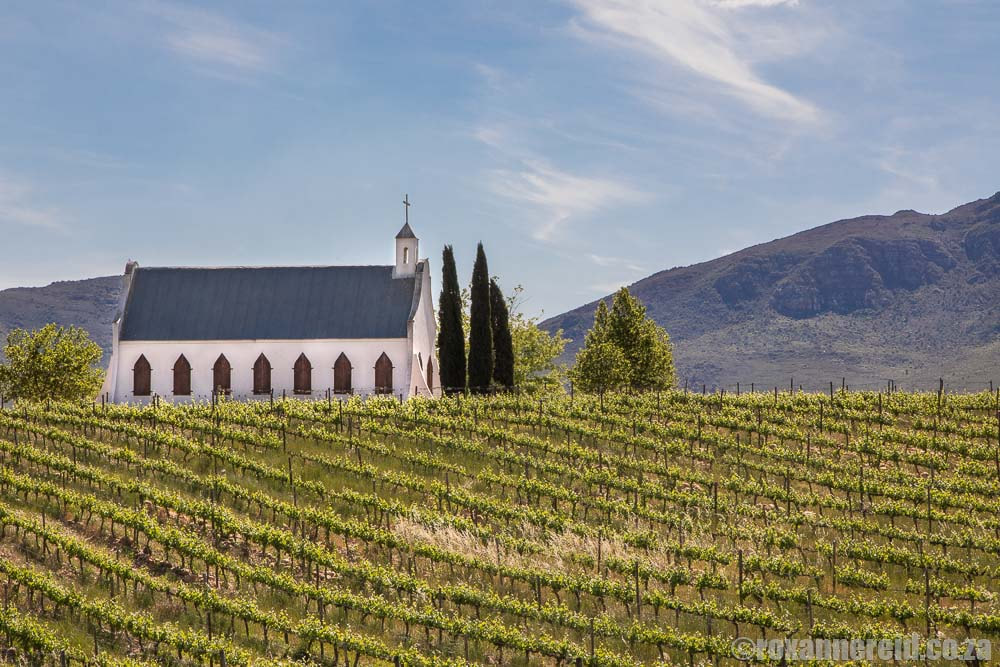
Things to do in Tulbagh, South Africa: Montpellier Chapel
By Roxanne Reid
Craggy mountains, knobbly old oak trees, curving Cape Dutch gables, endless rows of vineyards and orchards, and maybe a peaceful little farm dam. These are the things you’ll be daydreaming about after a trip to Tulbagh. Just an easy 90-minute drive from Cape Town, this charming little town in the Cape Winelands is all about rich history and stunning views, with loads to explore. 
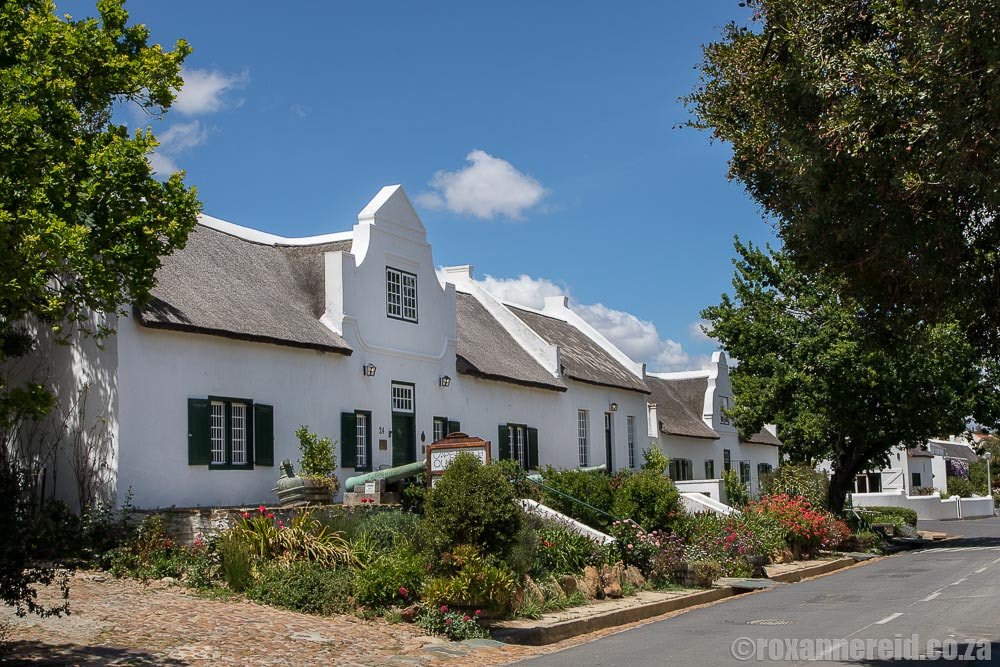
Tulbagh is tucked away in a valley, surrounded by the Obiqua range to the west, the Winterhoek peaks (snow-dusted in winter) to the north, and the Witzenberg mountains to the east. The town has been around since the early 1700s and is the fourth oldest in South Africa; only Cape Town, Stellenbosch, and Swellendam are older. If you’re into old buildings and charming streets, you’ll love Church Street, which is packed with more heritage buildings – from Cape Dutch to Edwardian and Victorian – than other street in the country.

But don’t go thinking Tulbagh’s stuck in the past. Whether you want to sip wine and craft beer, hike through nature, or chase an adrenaline rush, there’s lots to do here. Or you can simply chill out and soak up the country vibe. Life moves slowly here, with wide-screen views, quiet moments, and a kind of beauty that seeps into your soul.

Quick tip: Pop into Tulbagh Tourism’s info centre at 38 Van der Stel Street to kick off your time in the area. Grab a map, get the lowdown on local attractions from the well-informed staff, and plan the rest of your adventure from there.

1. Visit the museums

Things to do in Tulbagh: visit the Earthquake Museum

Tulbagh’s Earthquake Museum is a must on your visit to Tulbagh

Church Street in Tulbagh is a museum hotspot – there are four of them, all packed into this charming little stretch. Start at number 4, where you’ll find the Earthquake Museum. For a small fee, you can get a ticket that covers entry to all four museums in Church Street. This one dives into the catastrophic 1969 quake that shook the town to its core. It measured 6.3 on the Richter scale and killed 12 people, most of them children. It also gives fascinating insight into how historic Church Street was later rebuilt and restored. There’s a room that tells the stories of three settlements nearby that were completely wiped out after the quake, a haunting look at the homes that were demolished or their occupants moved.

Tulbagh's Oude Kerk Museum

The Oude Kerk became a museum in 1925

​​The Oude Kerk should be your second stop on the museum trail. It’s one of the last surviving cruciform churches in South Africa and was built in 1743. The gable and ring-wall were added in 1795. When a new Dutch Reformed church was built in 1915, it fell into disuse but reopened as a museum in 1925. Admire the original pulpit, as well as some antique Cape Dutch furniture, not to mention an ornate symphonium which still plays music using changeable metal discs with punched patterns. There’s a small graveyard outside; there are even graves under the floor inside the church.

Victorian Period House Museum, Tulbagh

The Victorian Period House Museum

At 14 Church Street is a Victorian Period House built in 1892 that depicts the rather starchy lifestyle of rural middle-class families at this time, with its dark colours and overstuffed chairs. The back rooms house a Christo Coetzee art exhibition, showing off this South African artist’s varied styles over the years.

The kitchen at the Pioneer House Museum, Tulbagh

The kitchen at the Pioneer House Museum

The gabled building at 22 Church Street, built in 1803, was originally a postmaster’s house and is now the Pioneer House Museum. It portrays the daily life of a typical working-class family from the early 1800s to the 1920s.There’s a simple room with rietdak ceiling, a more formal voorkamer with wooden ceiling, a red-walled period kitchen with open hearth, and an eclectic collection of old kitchen implements, furniture and china.

The Oude Drostdy Museum

If you only visit two museums in Tulbagh, choose this Oude Drostdy Museum (and the Earthquake Museum)

Rounding out the list of Tulbagh museums, the Oude Drostdy – originally the local courthouse – is about 3km outside town on the Winterhoek Road. Designed by Louis Michel Thibault in 1804, it suffered storm damage in 1822 and a devastating fire in 1934 before being damaged again during the 1969 earthquake. It was restored in 1974. Surrounded by mountains, today it’s a stately building with yellowwood floors. It holds a collection of early Cape furniture and household items, including a throng of old gramophones. I especially loved the high ceilings, even in the kitchen which also has a massive fireplace. Book ahead to enjoy lunch or Fijn Tee (High Tea) in style. The Oude Drostdy is also an events and wedding venue.

2. Explore Church Street​

Walk along Church Street, Tulbagh, to appreciate old Cape Dutch buildings

This restored Cape Dutch building in Church Street now operates as a guest house

Take a stroll along Church Street to admire the lovely buildings that were brought back to life after the massive 1969 earthquake (you can read more about that at the Earthquake Museum – see point 1). Each building has a plaque out front telling you what it used to be, how badly it was hit, and how it was restored. Every building on this street is now a national monument – the biggest restoration project ever in South Africa. So, in a way, the earthquake turned this spot into a brilliant showcase of cultural heritage and a tourist favourite.

At the end of the street furthest away from the Oude Kerk (see point 1) stands a kitchen garden inspired by Babylonstoren in the Franschhoek Valley. It’s laid out as a formal garden that grows fruit, veg and herbs to supply local restaurants and residents, while some products are donated to soup kitchens. Members of the local community are employed to tend the garden. It’s open to visitors, so wander around to admire the layout and produce, or ask about placing an order to be collected before you leave Tulbagh.

Hot tip: Find the path behind Ballotina at 43 Church Street and walk to the lookout hut on Galgeheuwel (Gallow’s Hill) for a view out over Church Street and Tulbagh and a chance to see some flowers in spring. You can get a better idea of the layout of the kitchen garden from up here too.

3. Visit Tulbagh wine farms for tasting
With around a dozen wine estates in this part of the Cape Winelands, you’re spoilt for choice. The price for tastings varies fairly widely from R50 to about R150, but this is sometimes swept away if you buy a few bottles afterwards​

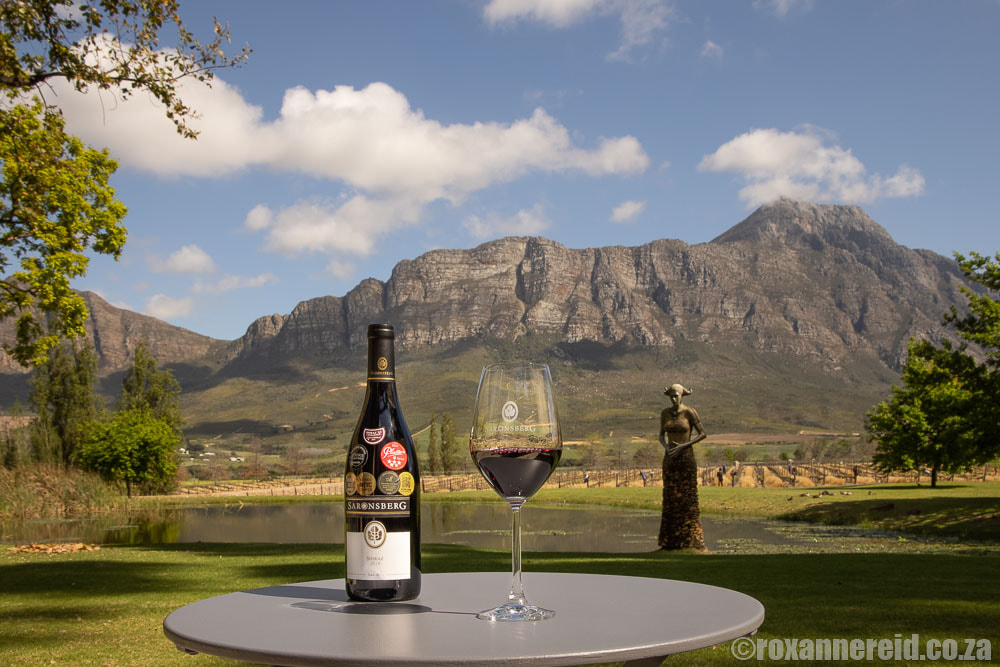
Tulbagh wine farms: Saronsberg

Wine tasting at Saronsberg Cellar

Saronsberg has some impressive sculptures in the gardens. Enjoy your tasting outside overlooking a dam or inside in the gorgeous double-volume tasting room. Take your wine and wander the art gallery upstairs or sit in a ghost chair at the long tables downstairs. We had our most informed tasting of nine wines here. You’ll find some French cultivars like viognier, rousanne, petit verdot and mourvedre, as well as the classic sauvignon blanc and shiraz. Using Tulbagh’s famous earthquake as inspiration they’ve named a white blend Earth in Motion and a red blend Seismic. You can order a charcuterie platter with your tasting.

At Lemberg, you’ll be greeted by rows of white roses if you visit in October/November. The modern tasting room offers a chance to savour wines named after the estate’s bulldogs, like Lady, Spencer and Louis. Lemberg also produces wine from the Hungarian hárslevelü cultivar, so unusual and sought-after that there was none left for tasting when we visited.

Krone (Twee Jonge Gezellen) – home to the first underground cellar in Africa – is the place to go if you love your Méthode Cap Classique (MCC) wines. You get to taste a few of them, from sweeter Night Nectar types to rosé and brut, including the classic Krone Borealis Cuvée Brut made from chardonnay and pinot noir. If you choose to taste some of the older vintages, you’ll find them more honeyed but shy on the bubbles, just the way I like them. Book ahead.

Two of Manley Wine Estate’s wines

Grenache rosé and pinotage from Tulbagh’s smallest producer, Manley Wine Estate

Manley Wine Estate is the smallest winery in Tulbagh, producing just 20 000 bottles a year. You’ll find some French varietals like viognier and a pleasantly dry grenache rosé alongside the usual sauvignon blanc, pinotage, shiraz and cabernet. Do try the ultra-South African Ubuntu pinotage, which is a lighter-style pinotage that’s perfect for summer days, has hand-drawn labels by local children, and helps support a local children’s charity. We arrived on a quiet weekday and got a personal tasting from the charming owner, Markus Ehehalt, who was full of interesting information and amusing stories. The estate also has a restaurant and is a wedding/event venue.

Theuniskraal is a family-owned winery that will celebrate its centenary in 2028. The tasting room staff is knowledgeable and friendly, giving you insight into the farm’s history as well as the wines it produces. They make both whites and reds, which you can try paired with a cheese or charcuterie platter if you like. Don’t miss tasting these two out-of-the-ordinary wines: Cape Riesling – a cultivar not every estate still uses but is one of the first wines I remember drinking in my twenties; and Bouquet Blanc, made from gewürztraminer, with its floral flavours and spicy aroma, and a smidge of muscat. All the wines are delightfully affordable.

Montpellier wine estate is a must if only to appreciate its gorgeous little chapel in the vineyards (see the intro pic). For wine tasting, sit under a tree in the garden or follow the signs along peach-pip paths through the poplar forest to the Glass House with French doors on three sides. Choose a bubbly tasting or try a trio of their still wines. You can order a cheese platter or pizza to soak up some of the wine. In winter, tastings are in the cosy Bouval restaurant building with its giant fireplace. 

Tasting with a view at Rijk’s Wine Estate, Tulbagh

Tasting with a view at Rijk’s Wine Estate

Rijk’s Wine Estate specialises in just two cultivars – chenin blanc and pinotage….

4x4 Africa Baviaanskloof Botswana camping conservation Eastern Cape Etosha Free State Garden Route Kalahari Karoo Kgalagadi Kruger National Park Kruger Park Lesotho Namaqualand Namibia nature road trip Southern Africa travel Wildlife
Share. Facebook Twitter Pinterest LinkedIn Tumblr Telegram Email
King Jaja
  • Website

Related Posts

Gender roles in African societies

November 23, 2025

Empowerment of women in Africa

November 23, 2025

Barriers to Women’s Leadership in Africa

November 23, 2025
Leave A Reply Cancel Reply

© 2026 Afro Icon. Powered by African People.
  • Home
  • Privacy
  • Disclaimer
  • Contact us
  • Terms of Use

Type above and press Enter to search. Press Esc to cancel.

Go to mobile version