



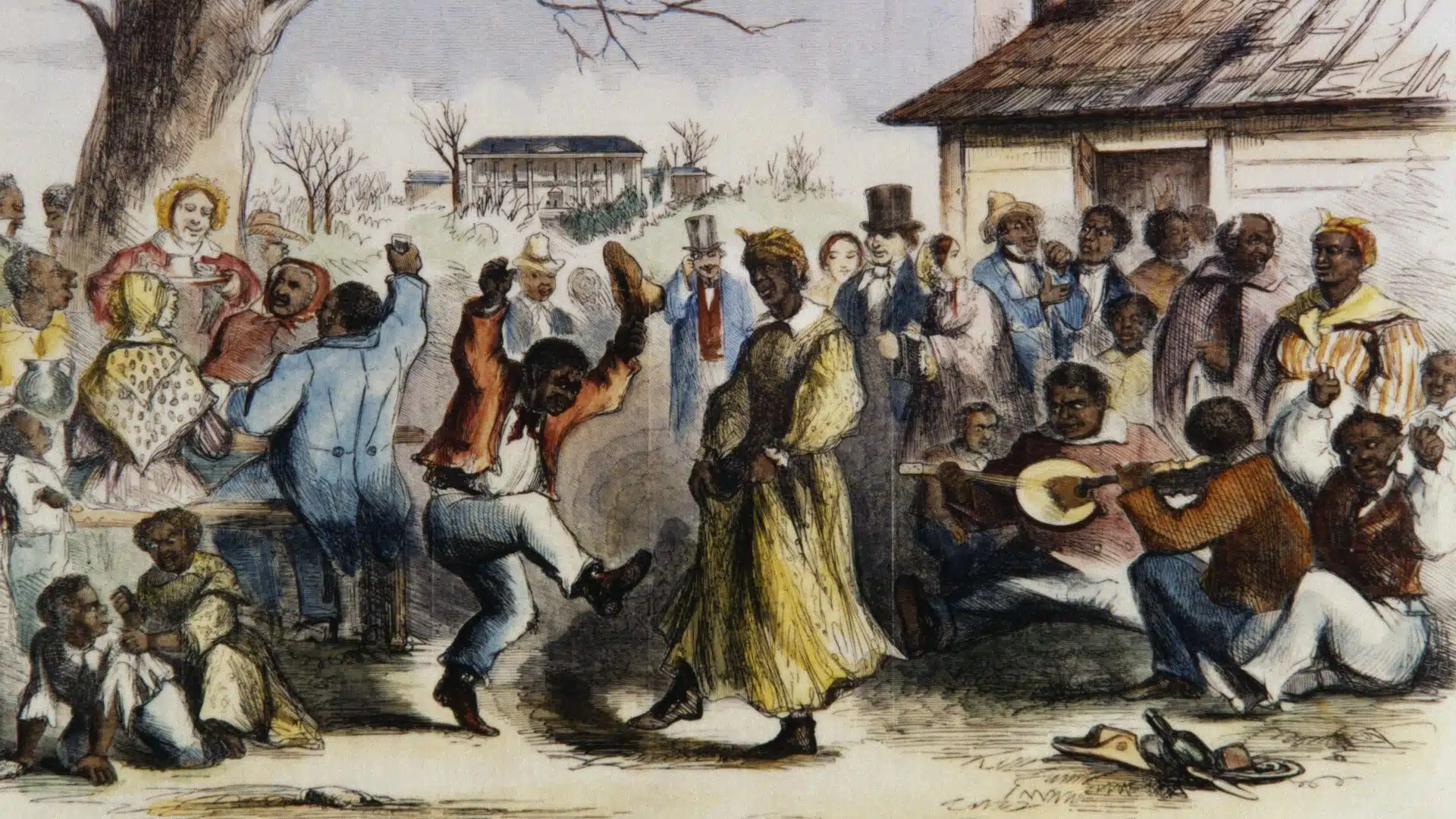
For enslaved people in the Americas, the holiday season was a time of both rare festivity and calculated resistance. It was a brief period when they were offered better food and rest by slave owners, not out of kindness, but as a strategy to prevent rebellion. Yet, it also provided opportunities to plot escapes and uprisings, highlighting the complex dynamics of life in bondage.
Frederick Douglass, an abolitionist and former slave, exposed the intentions behind such gestures, describing them as efforts to placate enslaved people and maintain control. However, many saw through this manipulation and used the holiday respite to their advantage.
Most enslaved people followed the Christian calendar, and Christmas became a focal point for communal gatherings and celebrations. In his memoir, Solomon Northup, a free man kidnapped and sold into slavery, described the holiday period as a “carnival season” filled with feasting and music.
Northup recounted Christmas feasts in Louisiana, where hundreds of enslaved individuals gathered to enjoy meals that far surpassed the meager portions they received throughout the year. These meals often included multiple meats, vegetables, and desserts.
In Jamaica, Jonkonnu, a Christmas masquerade tradition dating back to the 17th century, showcased the resilience and creativity of enslaved people. Musicians crafted instruments from everyday materials, such as jawbones and animal hides, and performers donned vibrant costumes to dance and celebrate. Similarly, in North Carolina, Harriet Jacobs described a parade of costumed men visiting homes to collect donations for food, drinks, and gifts.
These celebrations offered a temporary escape from the brutal realities of enslavement but also served as a reminder of the humanity and culture that enslaved people maintained despite their oppression.
The distractions of the holiday season created openings for enslaved people to attempt escape. Enslavers, often preoccupied or inebriated, paid less attention to their laborers.
John Andrew Jackson, separated from his family, used the Christmas holiday of 1846 to flee his South Carolina plantation. His escape took him to Canada, though he was never reunited with his wife and child. Harriet Tubman also capitalized on the holiday lull. In 1854, five years after her own escape from slavery, she returned to Maryland on Christmas Day to rescue her three brothers.
The week between Christmas and New Year’s Day was also a time of dread for many enslaved people, as it marked the season when slave owners often sold or hired out individuals to settle debts. The threat of separation from loved ones loomed large, adding a bittersweet undercurrent to the holiday festivities.
Beyond escapes, the holiday season became a time for organized resistance. In Cuba, the Aponte Rebellion of 1811 was planned between Christmas and Epiphany, January 6, by enslaved people and free people of color inspired by the Haitian Revolution. Though suppressed, the rebellion symbolized the enduring fight against slavery.
Jamaica’s Christmas Rebellion, or Baptist War, began on Christmas Day 1831, led by Samuel Sharpe, an enslaved Baptist deacon. Initially planned as a peaceful strike demanding better wages and conditions, the movement escalated into a violent uprising involving thousands of enslaved people. British forces eventually quashed the rebellion, and Sharpe was executed. However, the uprising galvanized abolitionists in Britain, leading to the Slavery Abolition Act of 1833.
While the holidays offered moments of joy, they also revealed the resilience and ingenuity of enslaved people. Feasts and music celebrated their culture, while escapes and uprisings underscored their determination to reclaim freedom.
The holiday season in slavery’s shadow was a dual narrative of imposed revelry and defiant resistance. It remains a testament to the unyielding spirit of those who, even in bondage, found ways to assert their humanity and fight for liberation.
